Featured Solar PV Surge Protection & Automation Components
Verified DIN-rail DC SPD arresters, intelligent automation switches, and pre-wired solar combiner solutions engineered for zero-arcing performance in high-humidity coastal and highland installations.
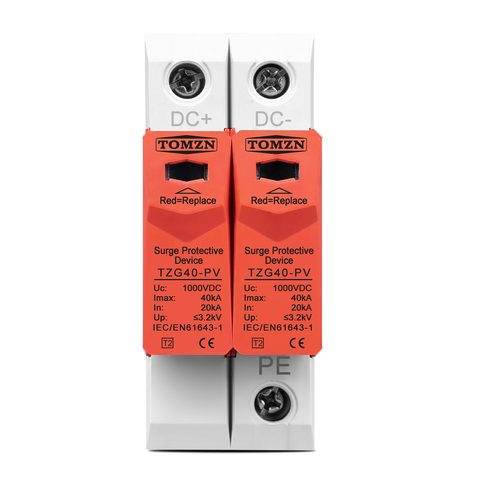
DC SPD 500V–1000V 20–40kA Photovoltaic Arrester
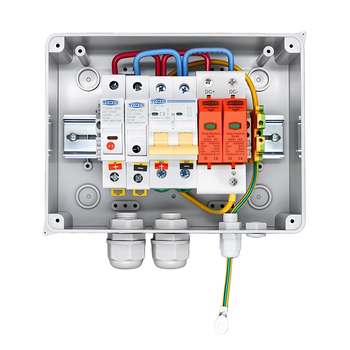
8-Way 600V DC Combiner Box with Built-in Breaker, Fuse & SPD
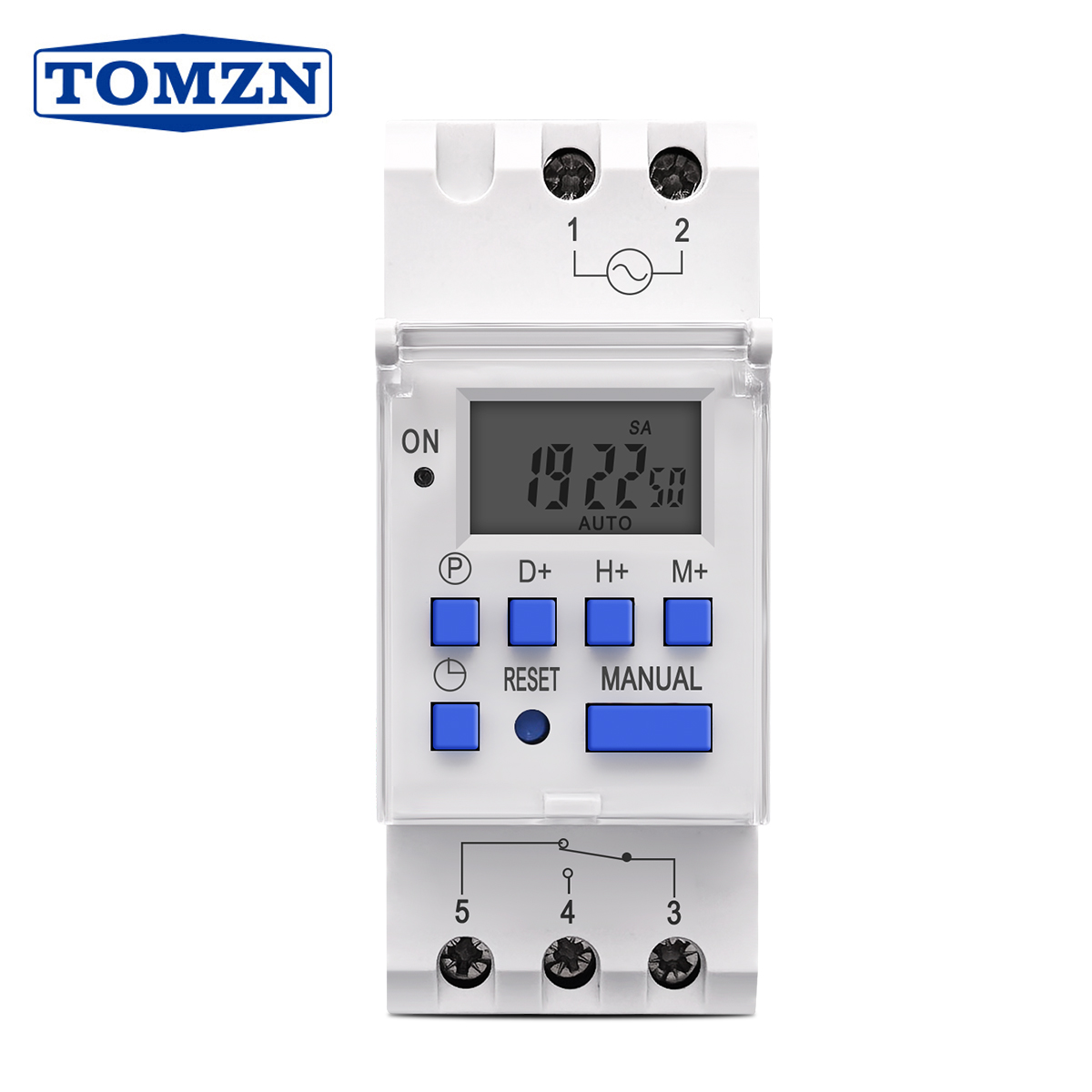
TOMZN 1NO 1NC DIN Rail Weekly 7-Day Digital Time Switch Relay
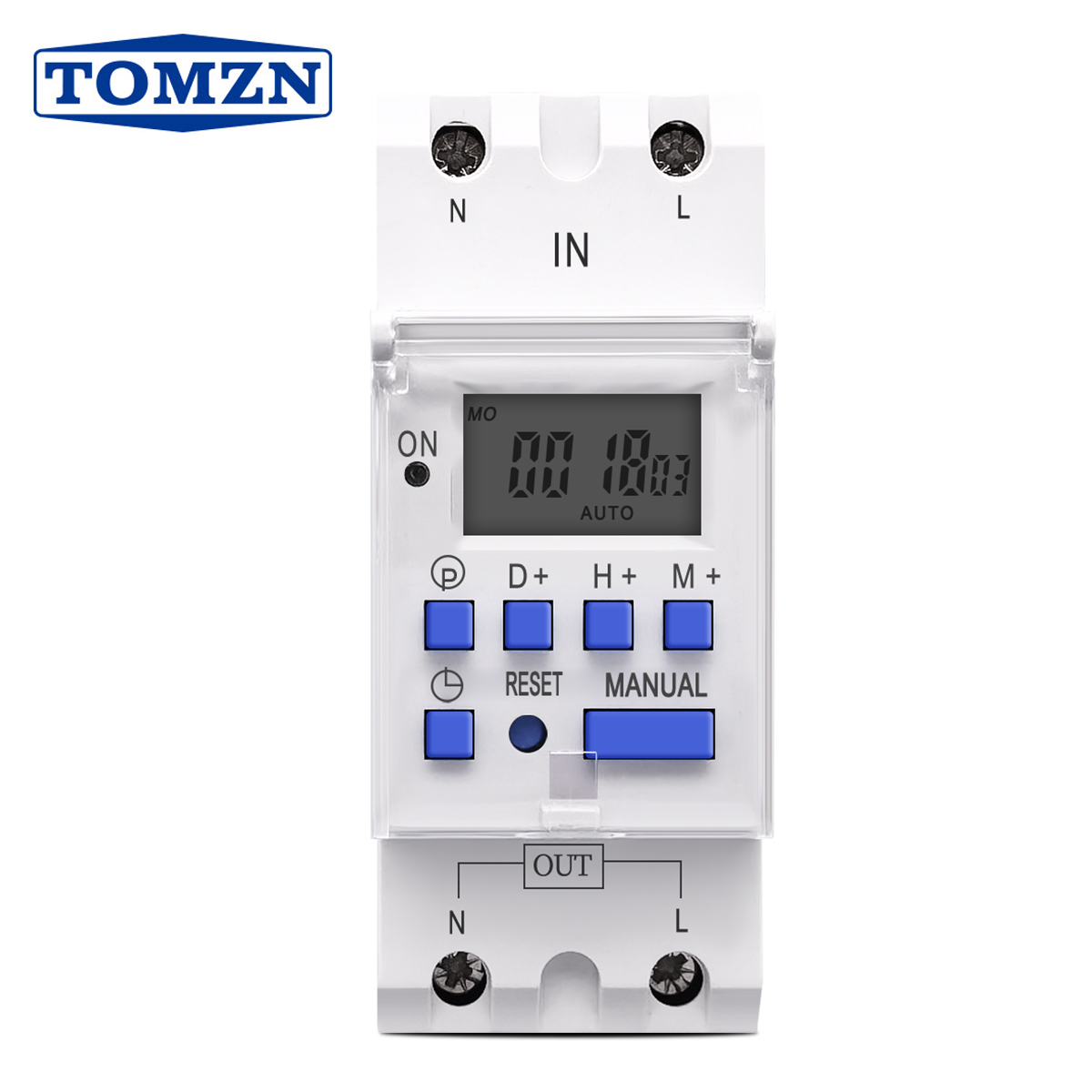
TOMZN High-Precision Single Phase 7-Day Programmable Digital Timer
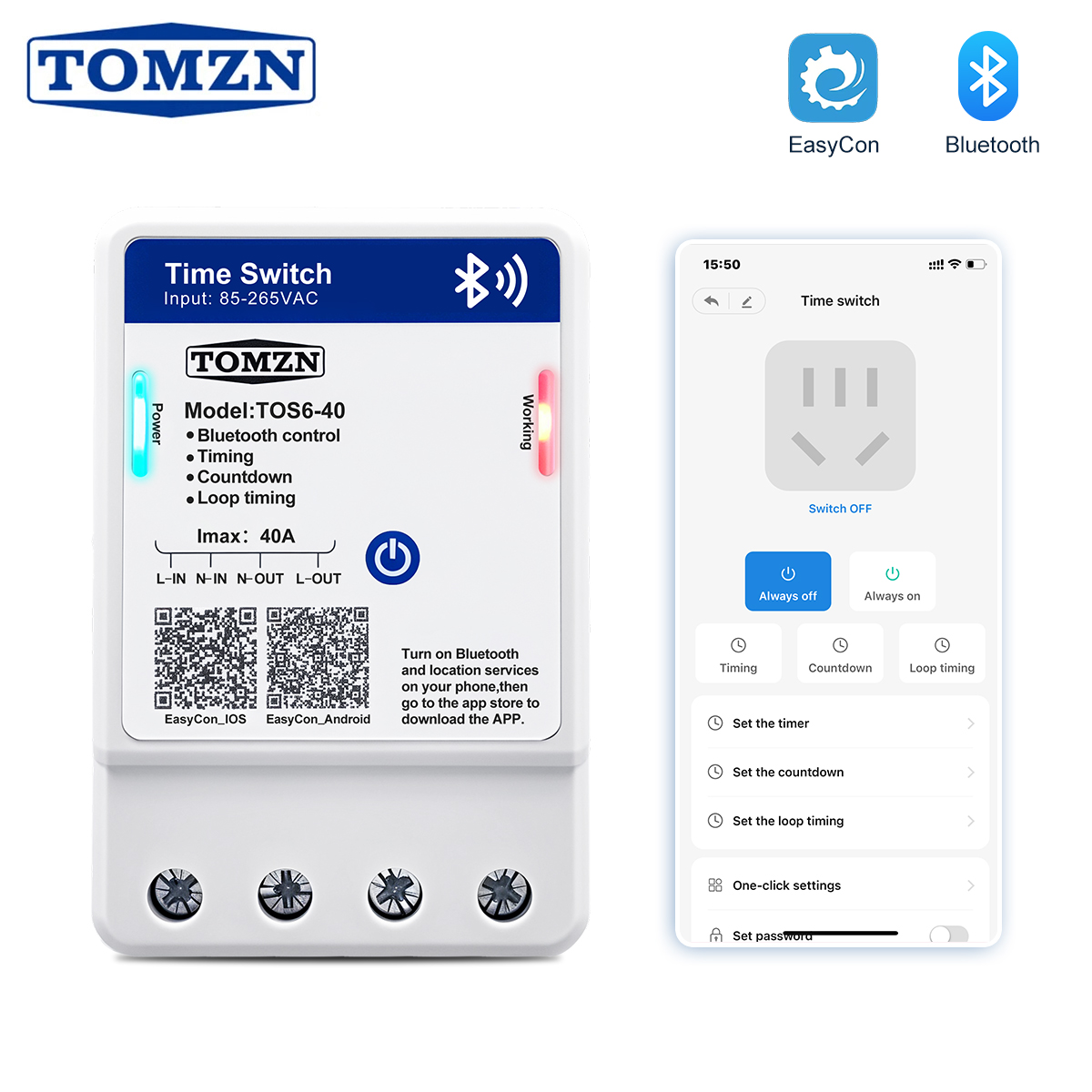
TOS6-40 Bluetooth Smart 35mm DIN-Rail Time Control Switch
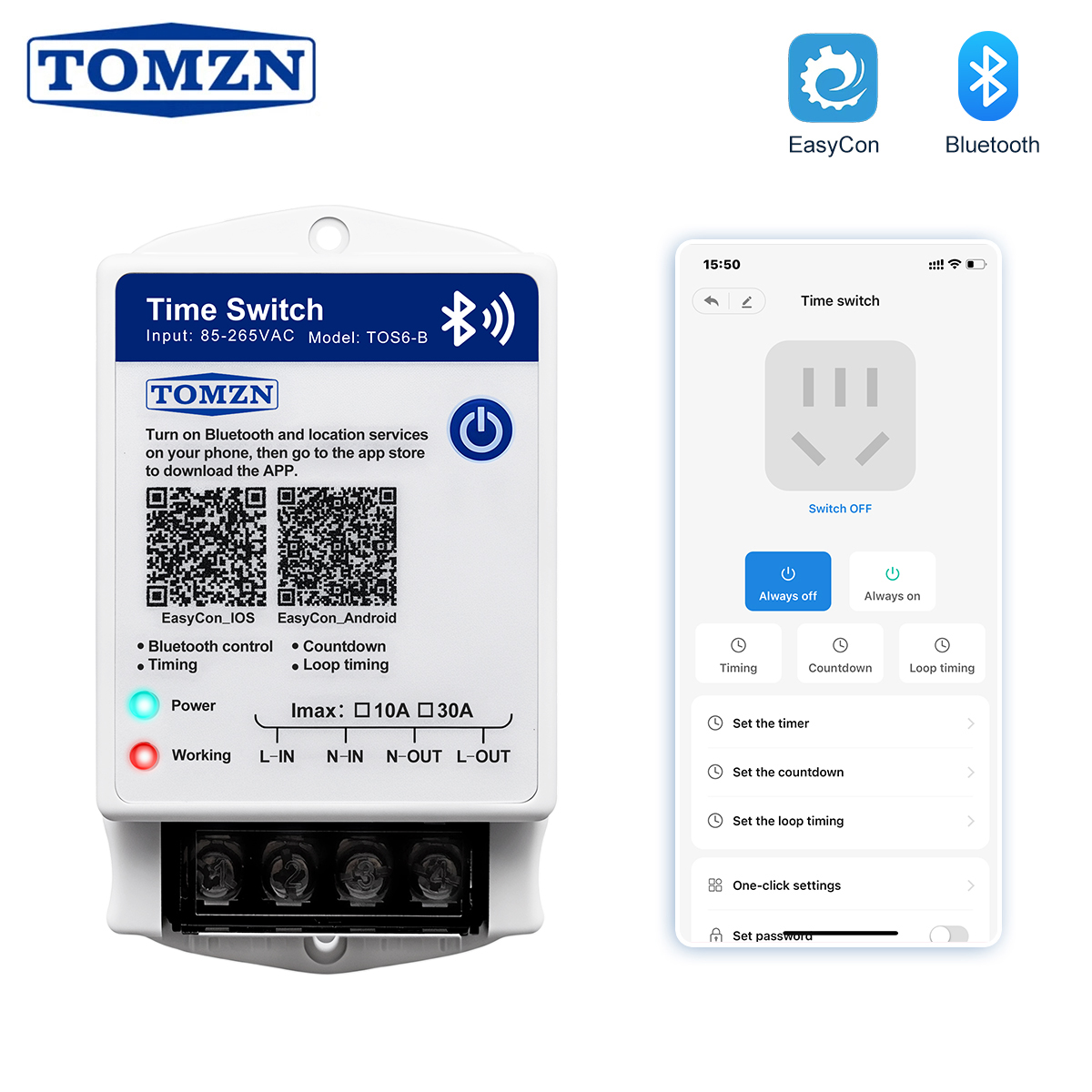
TOMZN Wall-Mounted Bluetooth Smart Timer 28-Group Cycle Timing
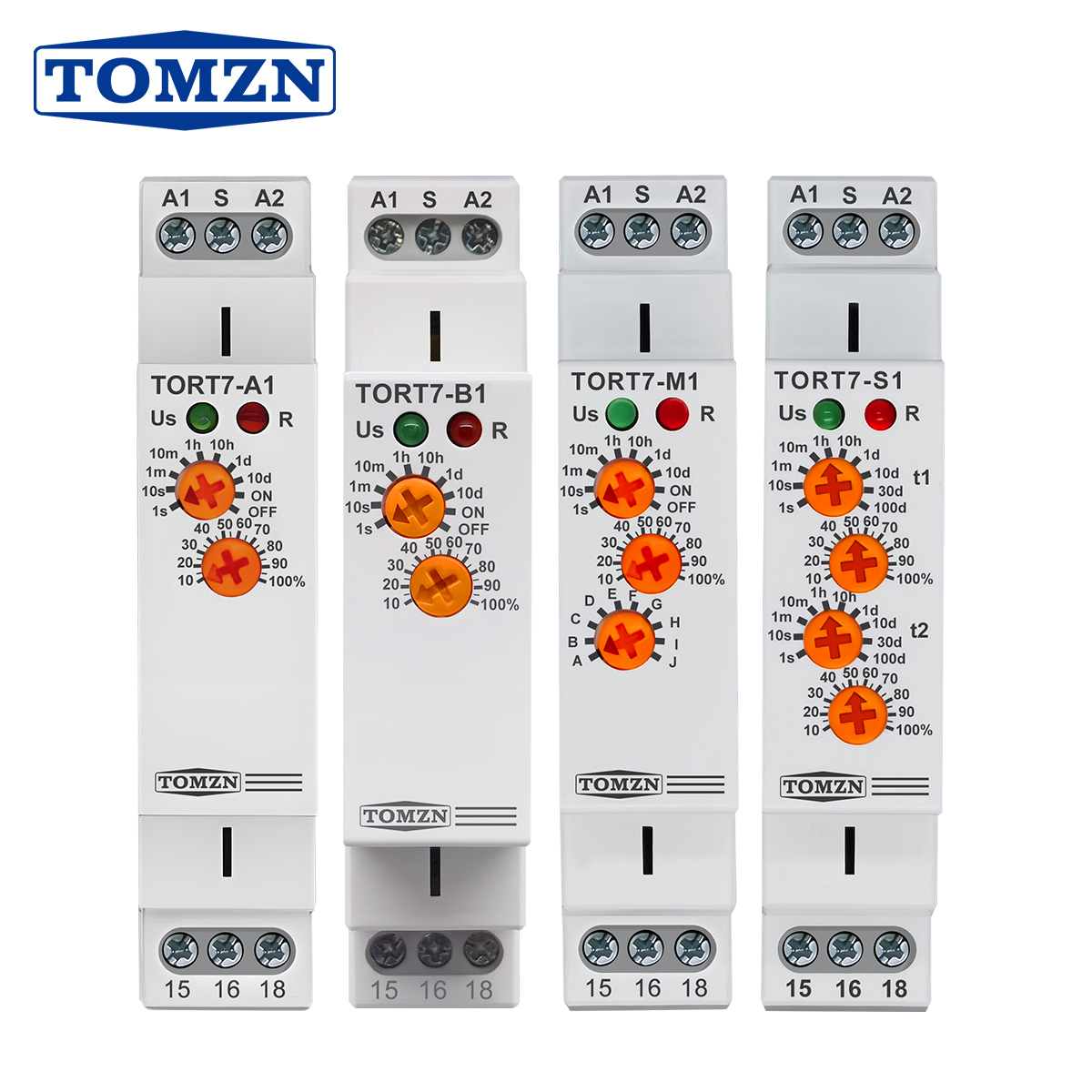
TORT7 Series 10-in-1 Asymmetric Cycler Delay Time Relay Switch
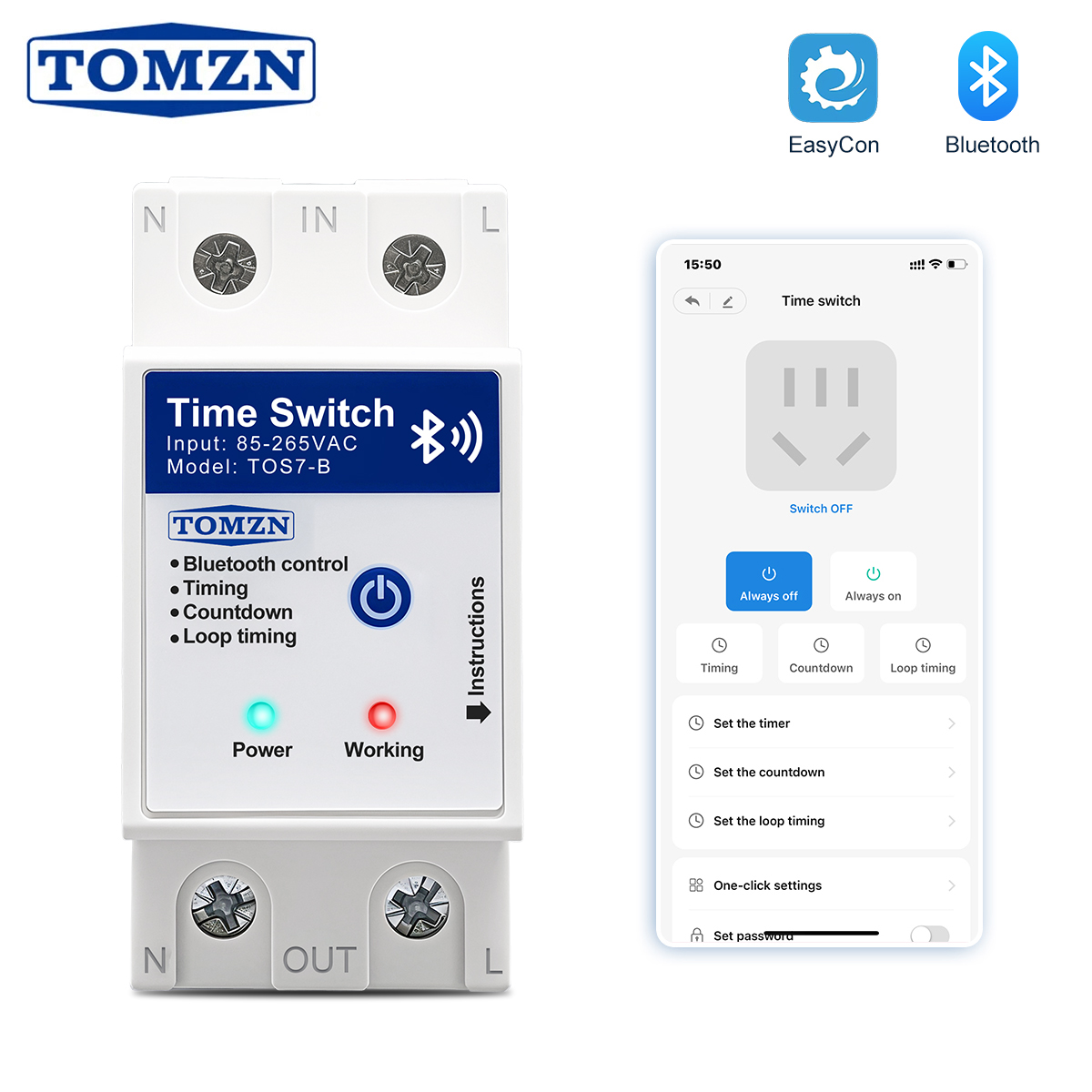
TOMZN TOS7-B Bluetooth Smart Timer DIN Rail Heavy-Duty Switch
In accordance with IEC 61643-31 and IEC 60364-7-712 guidelines, solar photovoltaic arrays operating in the coastal tropical corridor of Dili require specialized Type 1+2 or Type 2 DC Surge Protective Devices. The convergence of high ground flash density (exceeding 8–12 flashes/km²/year), intense maritime saline moisture, and isolated diesel-solar microgrids in municipalities like Cristo Rei, Dom Aleixo, and Atauro Island produces severe transient overvoltage spikes capable of permanently destroying central string inverters and battery energy storage systems (BESS).
Navigating Solar Surge Protection Requirements in Dili, Timor-Leste
As Timor-Leste accelerates its National Electrification Strategy and moves towards its Renewable Energy Target, distributed rooftop solar arrays, municipal commercial installations, and rural off-grid hybrid electrification programs are expanding exponentially throughout the capital city of Dili and its surrounding municipalities (Liquiçá, Ermera, and Manatuto). However, engineering solar infrastructure in Dili presents unique electro-mechanical hurdles. The local geographic positioning—bordered by the Ombai Strait to the north and rugged mountainous terrain to the south—generates extreme convective thunderstorms, particularly during the wet monsoon season (November to April).
These atmospheric conditions result in extensive indirect lightning strokes that induce severe transient surges on extended solar array field lines. Traditional AC protection protocols are entirely inadequate for DC circuits: photovoltaic direct current does not possess a natural voltage zero-crossing point. When a lightning surge punctures an inferior surge arrester, a continuous direct current electric arc is ignited. Without sophisticated high-energy Metal Oxide Varistors (MOVs) and integrated thermo-dynamic disconnector mechanisms, this arc causes runaway thermal destruction, catastrophic fires inside combiner boxes, and irreparable damage to high-value MPPT inverter stages.
Key Failure Modes in Local Timor-Leste Solar PV Installations
Through systematic field failure analysis of solar installations across Dili's industrial docks, residential compounds, and rural telecom BTS towers, four primary variables trigger early protective component degradation:
Salt Fog & Galvanic Corrosion
Dili’s shoreline micro-climate carries airborne chlorides deep into standard distribution boxes. Substandard terminals undergo accelerated galvanic corrosion, spiking terminal contact resistance and causing localized high-heat hotspots.
Monsoon Lightning Surges
Induced lightning currents exceed 20kA on open rooftop strings. Inferior varistors without precise pulse-energy ratings degrade rapidly under cumulative sub-threshold surges, causing silent system vulnerability.
High Ambient Operating Temps
Ambient daytime heat exceeding 36°C coupled with direct sunlight can push rooftop enclosure interiors beyond 65°C, demanding heavy-duty thermal tripping mechanisms that will not fail through premature nuisance tripping.
Unstable Utility Grid Sags
EDTL (Electricidade de Timor-Leste) grid fluctuations frequently induce reverse AC surges through hybrid inverter bi-directional stages, necessitating synchronized AC/DC coordinated surge barrier deployment.
Engineering Application Scenarios for PV Surge Protection in Dili
Tailoring balance-of-system (BOS) protection to the actual environment of Dili requires deploying purpose-built surge protective devices and automated switching gear matched to specific deployment configurations:
Atauro Island & Maritime Off-Grid Solar-Diesel Hybrid Systems
Atauro Island and rural coastal communities utilize standalone solar arrays backed by diesel generation. Salt spray accelerates track resistance across terminal insulators. Installing our IP65 UV-stabilized combiner boxes featuring 1000V DC SPDs with pluggable cartridges guarantees uninterrupted continuity and lightning suppression without opening cabinet seals during squalls.
Government Buildings & Commercial Warehouses in Bebonuk & Comoro
Commercial installations in Dili's industrial hubs carry vast flat-roof module setups that act as lightning collectors. A multi-tier surge dissipation strategy is vital. High-capacity Class I+II surge arresters are placed at string combiner inputs, paired with DIN-rail ATS transfer switches to instantly decouple utility sags during lightning strikes without corrupting sensitive computer data banks.
Telecom Microwave Repeaters on Mount Ramelau & Dili Ridges
Mountain ridge communication stations experience relentless direct strikes and high ground potential rise (GPR). Surge arresters must feature remote signaling contacts (telecommunications alarm) and nanosecond dynamic thermal disconnection to automatically alert operations personnel in Dili headquarters when sacrificial MOV cartridges require replacement.
Technical Selection Matrix: DC Surge Protection for Timor-Leste Projects
Selecting the appropriate maximum continuous operating voltage (Uc) is critical. Underestimating string open-circuit voltage ($V_{oc}$) during Dili’s cooler highland mornings will result in permanent varistor breakdown. Use our engineering matrix below to determine the exact component requirements:
| System Scale / Spec | Array Max Voltage (Voc) | SPD Class & Type | Nominal In (8/20μs) | Max Imax (8/20μs) | Protection Level (Up) | Recommended Backup Overcurrent |
|---|---|---|---|---|---|---|
| Residential Solar & BESS | Up to 500V DC | Type 2 / Class II | 10 kA | 20 kA | ≤ 2.2 kV | 2P DC MCB 600V 20A / gPV Fuse |
| Commercial String Rooftop | Up to 800V DC | Type 2 / Class II | 20 kA | 40 kA | ≤ 3.2 kV | 2P DC MCB 1000V 32A / gPV Fuse |
| Municipal & Industrial Solar | Up to 1000V DC | Type 1+2 Combined | 20 kA | 40 kA (Iimp 5kA) | ≤ 3.8 kV | TOM7Z DC MCCB 1000V 63A–125A |
| Utility Ground Mount Mini-Grid | Up to 1200V DC | Type 1 / Class I | 25 kA | 50 kA (Iimp 12.5kA) | ≤ 4.5 kV | Dedicated High-Breaking DC MCCB |
Solar & Energy Storage Development Trends Across Timor-Leste
The energy landscape in Dili is progressing from fragmented standalone diesel generators to synchronized, clean hybrid smart microgrids. Four prominent engineering trends are reshaping local procurement expectations:
1. Shift Toward Complete Pre-Wired Combiner Assemblies: Due to a shortage of certified master electricians specialized in high-voltage DC wiring in Dili, EPC contractors are avoiding loose-part field assembly. Factory-tested, pre-wired IP65 combiner boxes integrating DC disconnect breakers, string fuses, and coordinated SPDs have become the procurement baseline, cutting on-site installation errors by over 70%.
2. Battery Energy Storage System (BESS) Lightning Hardening: With the rapid adoption of 48V, 200V, and 400V Lithium Iron Phosphate (LiFePO4) energy storage banks across residential and commercial sectors in Dili, bi-directional surge suppression is mandatory. Surges entering through external solar strings can easily back-feed into inverter battery ports; high-current DC MCBs (up to 125A 600V DC) coupled with fast-acting SPDs protect battery management systems (BMS) from destructive voltage spikes.
3. Automated Smart Energy Switching: Because the national electrical utility in Dili can face intermittent load shedding, dual power Automatic Transfer Switches (ATS) have evolved from luxury additions to indispensable primary distribution fixtures. Installers combine our 2P and 4P ATS units with programmable 7-day digital and Bluetooth timer relays to automate generator start sequences, schedule deep-well solar pumping during peak sunlight hours, and protect commercial refrigeration assets.
Direct Factory Capabilities & Engineering Advantages | Zhejiang TMB Electric Co., Ltd.
Headquartered in Huabei Village, Liushi Town, Wenzhou—China’s premier low-voltage electrical manufacturing epicenter—Zhejiang TMB Electric Co., Ltd. brings 24 years of proven manufacturing excellence to international EPC contractors, panel builders, and electrical importers in Dili.
TÜV Rheinland Assessed Facility
Our expansive 5,700 m² factory with 92 highly trained technical staff has been independently audited and verified on-site by TÜV Rheinland. We operate certified ISO9001 quality management systems governing every stage of production.
Certified Low-Voltage Leadership
With an annual export exceeding US$ 3.3 Million across 13 core product categories, our breakers, SPDs, and automatic transfer switches carry recognized CE markings, verifiable third-party test reports, and RoHS declarations.
Flexible MOQ & OEM/ODM Support
To support growing enterprises and specific pilot microgrid projects across Timor-Leste, our catalog models support minimal trial MOQs starting from 5 pieces, backed by full custom OEM private labeling and tailored combiner box wiring.
Liushi Cluster Supply Chain Efficiency
Our localized supply infrastructure guarantees immediate access to specialized high-conductivity oxygen-free copper busbars, precision bimetal strips, and flame-retardant polyamide housings for unbeatable manufacturing cycle times.
Rigorous 6-Stage Quality Assurance
Every single batch undergoes stringent incoming raw material screening, automated mechanism torque calibration, thermal/magnetic trip point validation, dielectric voltage-withstand testing, and continuous functional burn-in audits.
Complete System-Level Compatibility
We do not just produce solitary components; we design seamless ecosystems encompassing AC/DC MCBs, DC MCCBs, IP65 distribution enclosures, Class II SPDs, WiFi energy meters, and modular ATS switches designed to operate together harmoniously.
Frequently Asked Questions: Sourcing PV Surge Protectors in Dili
Can an AC surge protector be installed on a solar photovoltaic DC string in Dili?
What is the standard lead time and shipping route for orders delivered to Dili Port?
How do I determine whether my installation in Dili requires Type 1 or Type 2 DC SPDs?
Can Zhejiang TMB Electric configure custom pre-wired combiner boxes for our specific project?
How does coastal salt fog in Dili affect surge protector durability, and how does TMB prevent failure?
Consult with a Solar Protection Specialist for Your Dili Project
Whether you are designing a community mini-grid in Manatuto, a commercial rooftop array in Dili port, or need reliable OEM wholesale electrical distribution components, our engineering team provides complete single-line diagram reviews, quotation sheets, and compliance certificates.