Certified Circuit Protection & Modular Switching Portfolio
Engineered for high-reliability municipal networks, commercial developments, and hybrid microgrid infrastructures. Available in standardized DIN-rail configurations with verified short-circuit breaking capacities.

TORT7 Series Delay-ON Delay-OFF 10-in-1 Time Relay
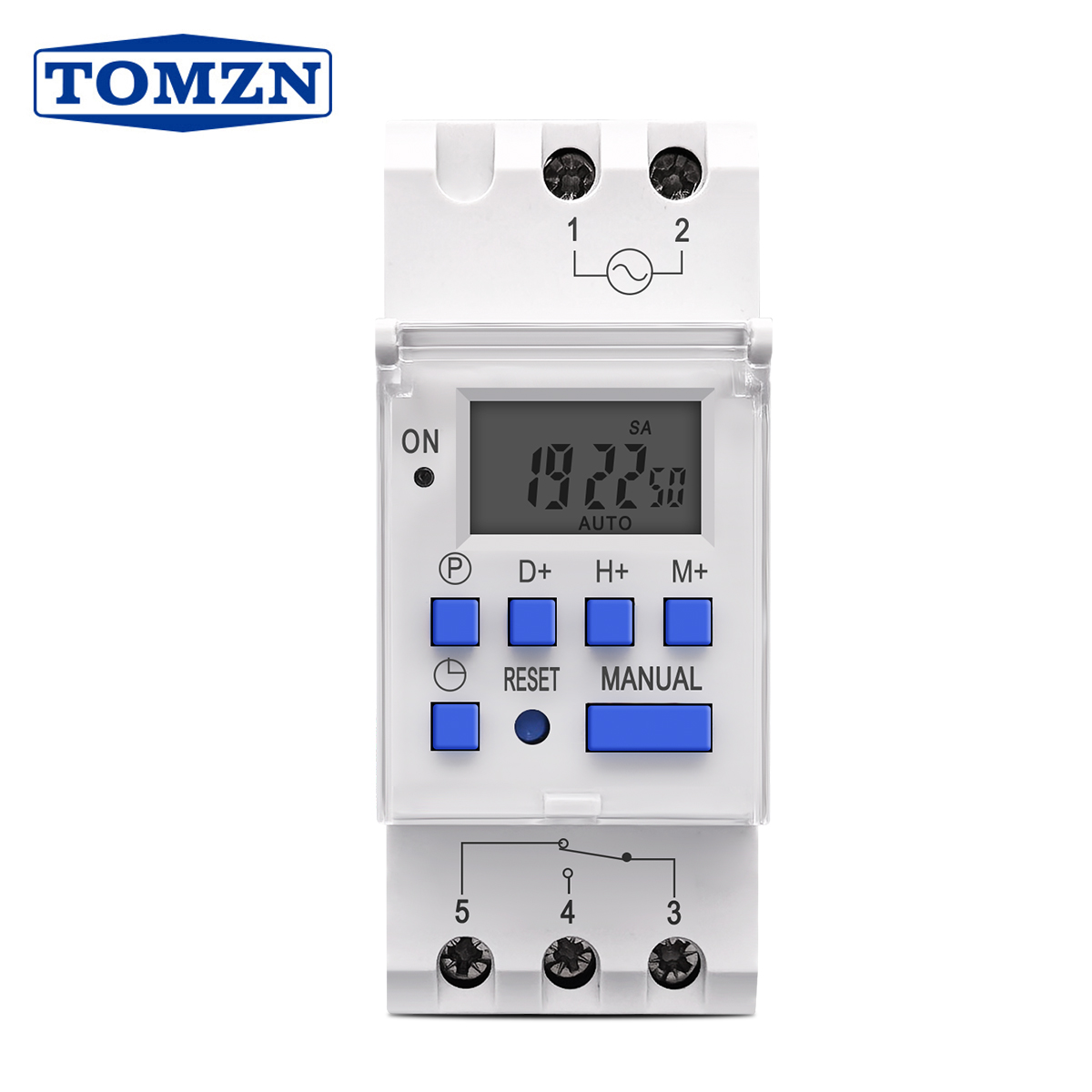
TOMZN Single Phase 7-Day Digital Programmable Switch

TOMZN TOS7-B Bluetooth DIN-Rail Smart Switch 40A/63A

TOS6-40 Bluetooth Industrial Time Controller 40A
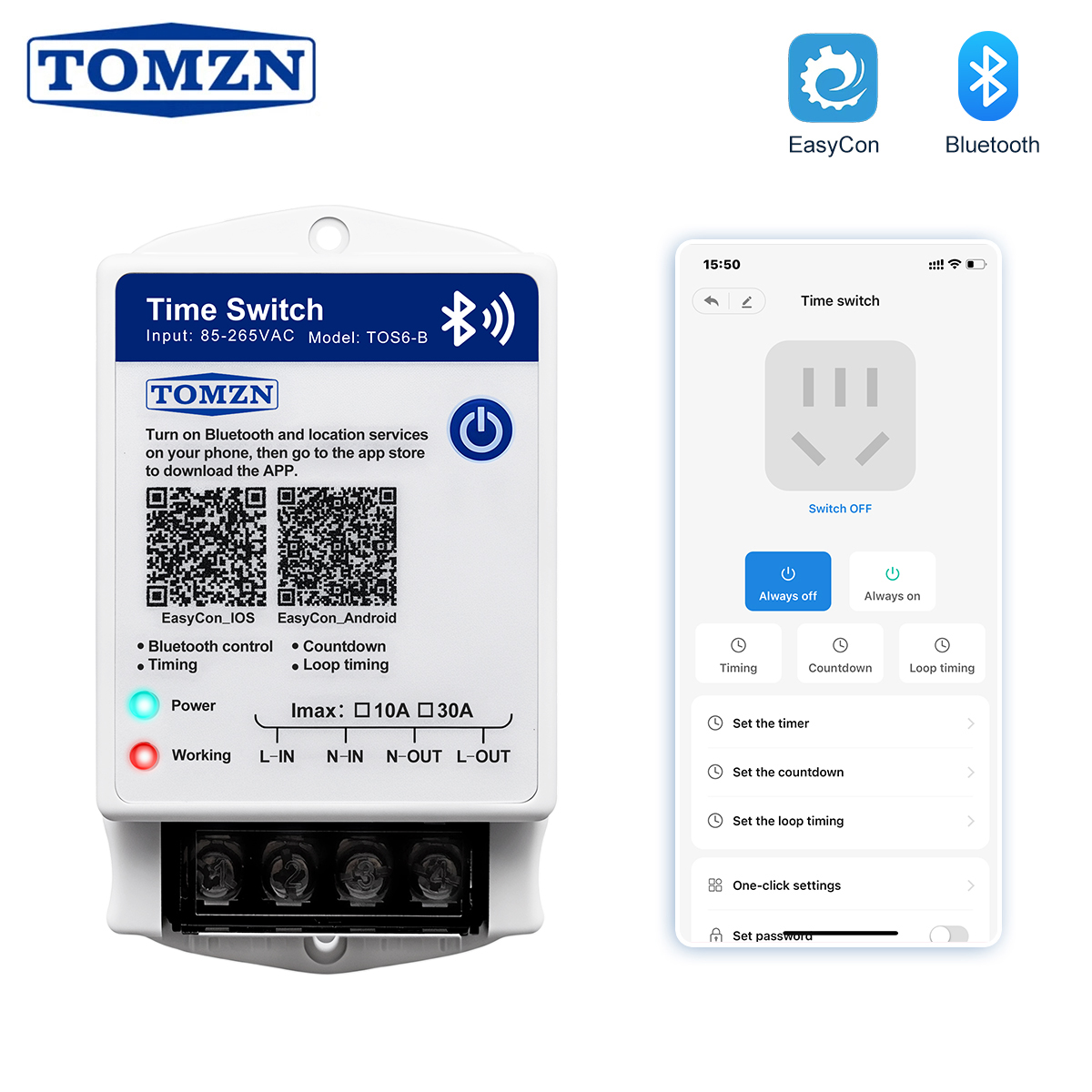
TOMZN Bluetooth Direct Wall-Mount Smart Switch

TOMZN Heavy-Duty Digital Single-Phase Programmable Relay
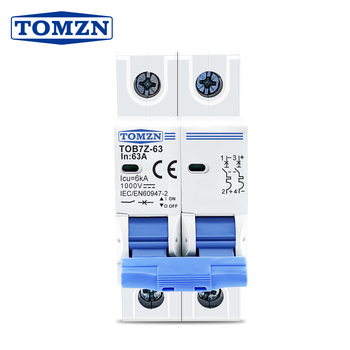
2P 1000V DC Photovoltaic Isolation Miniature Breaker
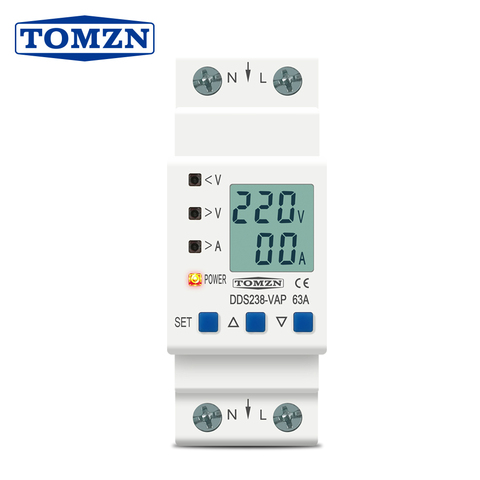
Self-Healing Dual Over/Under Voltage Din-Rail Protector
Technical Whitepaper: Residual Current Protection Architecture for the Jerusalem Electrical Grid
The electrical landscape serving the Jerusalem metropolitan district represents a complex intersection of historical low-voltage distribution frameworks, stringent national safety ordinances, and rapid modern high-density urbanization. Jerusalem operates predominantly on a 230V single-phase / 400V three-phase 50Hz distribution grid, heavily reliant on both TT (Terra-Terra) and TN-C-S (Terra-Neutral-Combined-Separated) grounding regimes. In TT grounding infrastructures, commonly encountered in historical masonry developments and older perimeter zones, protective earth relies exclusively on localized earth electrode impedance, often yielding elevated loop resistances. Under these conditions, standard Miniature Circuit Breakers (MCBs) fail to provide sufficient earth-fault clearance times to prevent lethal touch voltages, establishing high-integrity Residual Current Devices (RCDs) as the primary life-safety mechanism.
A crucial technical hurdle for MEP engineers, switchboard builders, and facilities engineers in Jerusalem is mitigating nuisance tripping caused by high ambient thermal stress and high-frequency harmonic leakage. The distinct local climate—characterized by arid summer heat reaching high surface temperatures in exterior-mounted feeder pillars, paired with rapid winter temperature drops—subjects bimetallic trips and toroidal differential transformers to mechanical fatigue and premature sensitivity shift. Our precision-manufactured RCDs integrate temperature-compensating bimetallic elements and high-permeability, nano-crystalline magnetic cores. This structural design ensures consistent flux detection across an operational window of -25°C to +55°C without unwarranted leakage tripping.
Furthermore, contemporary retrofits in commercial corridors, light rail support infrastructure, and technology centers across Jerusalem incorporate pervasive variable-frequency drives (VFDs), uninterruptible power supplies (UPS), and EV charging networks. Standard Type AC residual current protectors become blinded when exposed to smoothed direct-current fault currents or non-sinusoidal waveforms. Our factories engineer Type A and Type B RCD solutions that maintain absolute trip capability in the presence of continuous DC residual currents up to 6mA and high-frequency leakage components up to 100kHz, completely eliminating unmonitored earth leakage risks.
| Protection Device Class | Harmonized Technical Standard | Leakage Detection Spectrum | Standard Response Parameters | Jerusalem Infrastructure Application |
|---|---|---|---|---|
| Type A RCCB | IEC / EN 61008-1 | Sinusoidal AC + Pulsating DC | 30mA, Break Time < 40ms @ 5 IΔn | Residential main distribution boards & commercial final sockets |
| Type B Industrial RCD | IEC / EN 62423 | Sinusoidal AC, Pulsating DC, Smooth DC | 30mA / 300mA Selective (Time Delayed) | Rooftop solar PV inverters, three-phase EV charging hubs |
| Integrated RCBO | IEC / EN 61009-1 | Overload, Short-Circuit, Residual Leakage | Curve C, 6kA / 10kA, 30mA | High-density sub-distribution panels, mission-critical circuits |
| Type S Selective RCD | IEC / EN 61008-1 | Sinusoidal AC + Pulsating DC with Delay | 100mA / 300mA / 500mA, Delay 130-500ms | Feeder pillar incomers, fire prevention, upstream discrimination |
Localized Engineering Application Scenarios
Precision-matched DIN-rail switching and leakage containment systems optimized for Jerusalem’s distinct construction and energy typologies.
Old City & Heritage Retrofitting
Overcoming high loop impedance and structural space limitations in dense historic stone masonry. Our compact single-pole RCBOs combine thermal, magnetic, and 30mA residual current fault protection within a streamlined 18mm modular envelope, ensuring life-safety compliance in legacy TT grounding systems where ground rod driving is constrained by subterranean topography.
Commercial Rooftop Solar & Microgrids
Jerusalem's high solar irradiation levels have spurred extensive commercial rooftop PV developments. Transformerless string inverters introduce continuous capacitive leakage currents to earth. Our Type B residual current devices provide seamless DC insulation monitoring, avoiding false shutdowns while remaining immediately responsive to genuine symmetrical DC string ground faults.
High-Density Commercial & Data Hubs
Engineered for mission-critical operations across West Jerusalem's technology corridors. Type S selective time-delayed RCDs establish absolute cascading discrimination, isolating downstream sub-branch faults without tripping main incoming switchgear, preserving continuity for sensitive multi-tenant servers, HVAC chillers, and telemetry arrays.
Regional Industry & Technology Trends Serving Jerusalem
Market intelligence and design shifts defining low-voltage residual current deployment across Israeli and regional markets.
Mandatory Transition from Type AC to Type A
Following updated technical recommendations aligning with wider European and CENELEC harmonization, switchgear engineers in Jerusalem are aggressively phasing out obsolete Type AC RCDs. Driven by the proliferation of electronic switch-mode power supplies (SMPS) in domestic appliances, Type A devices have transitioned from premium specifications to mandatory base requirements for building control approvals.
Surge in EV Fleet Infrastructure
Municipal electrification projects and private condominium networks in Jerusalem require scalable, safe Level 2 AC vehicle charging. Installers face costly Type B RCD retrofits unless chargers feature internal 6mA DC residual detection. We supply specialized 30mA Type A devices coupled with integrated RDC-DD (Residual Direct Current Detecting Device) coordination to lower overall balance-of-system deployment costs.
Smart IoT Telemetry & Automatic Reclosing
Remote telecommunications stations, automated water pumping hubs, and perimeter security grids situated in the Judean Hills experience transient voltage swells and lightning-induced surges. Market demand has surged for intelligent RCDs engineered with multi-parameter telemetry and motorized auto-reclosing systems that verify line safety prior to automated service restoration.
Direct-from-Source Industrial Manufacturing Strength
Eliminate intermediary markups and supply chain bottlenecks with our verified Wenzhou manufacturing hub.
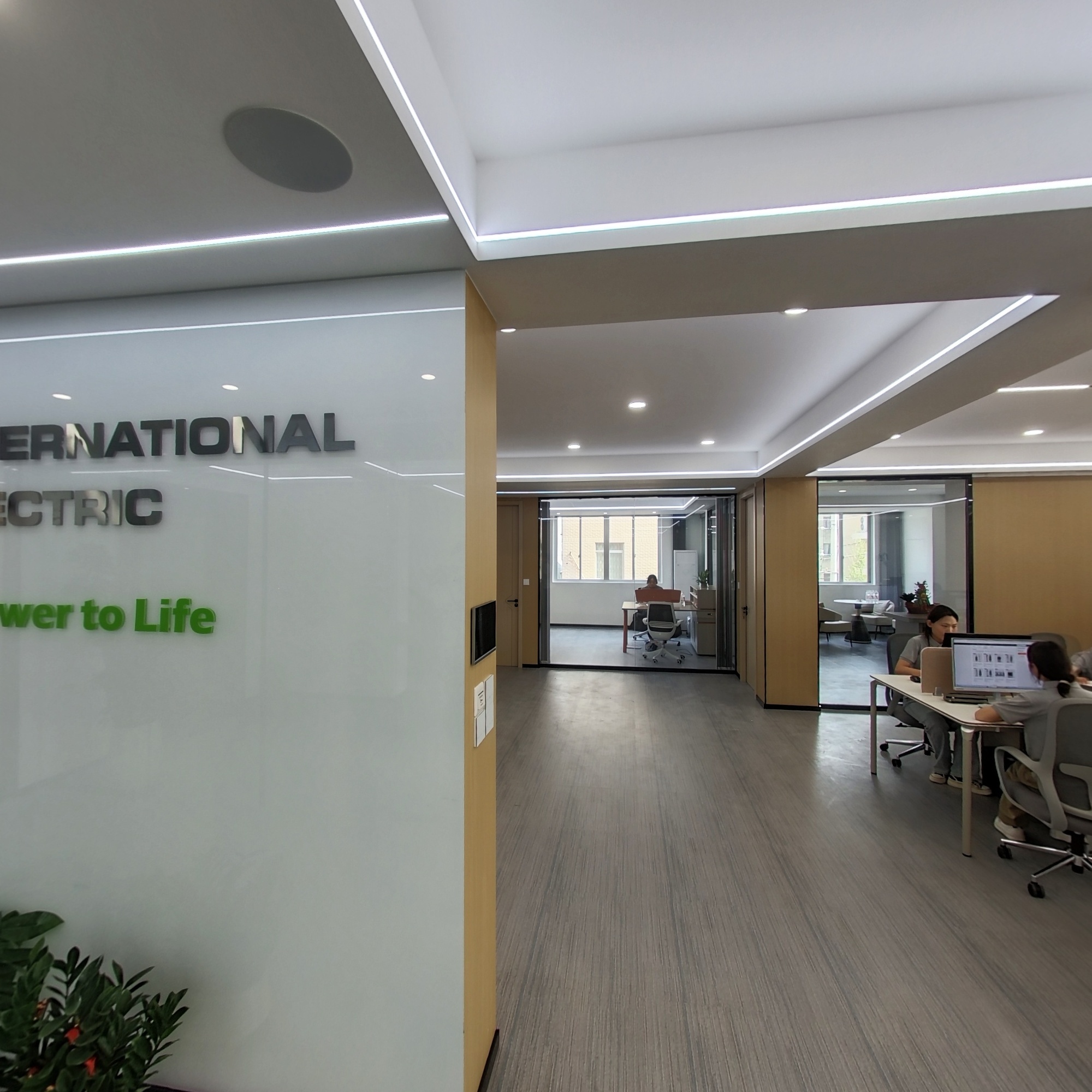
Zhejiang TMB Electric Co., Ltd.
Situated in Huabei Village, Liushi Town—the epicenter of China's low-voltage electrical component industry—we command complete end-to-end control over stamping, plastic injection, precision coil winding, and robotic calibration. Backed by 24 years of manufacturing excellence, our operations provide international contractors with dependable delivery cycles and transparent quality traceability.
Procurement & Engineering FAQ for Jerusalem Buyers
Key technical, regulatory, and logistics questions answered by our low-voltage engineering team.