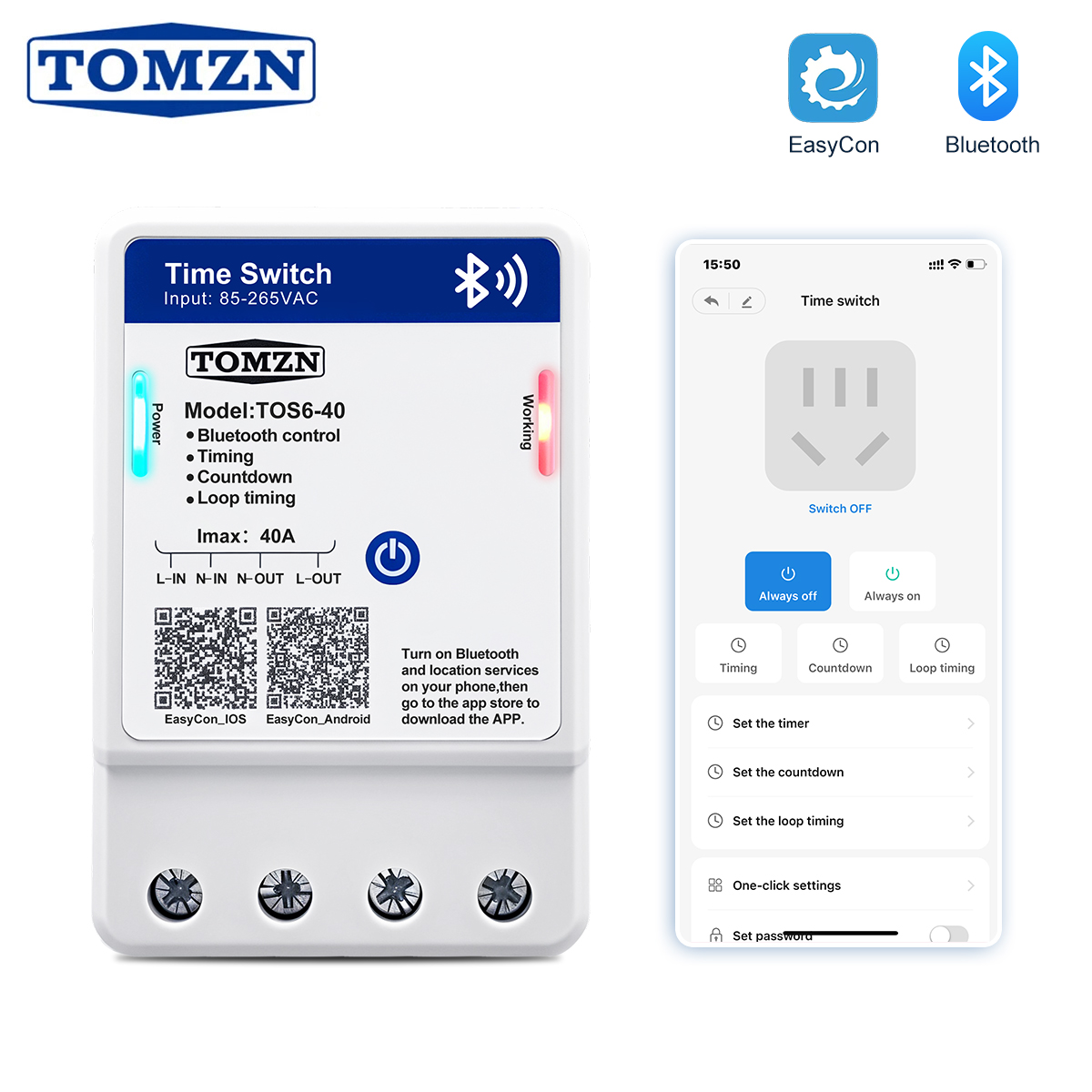
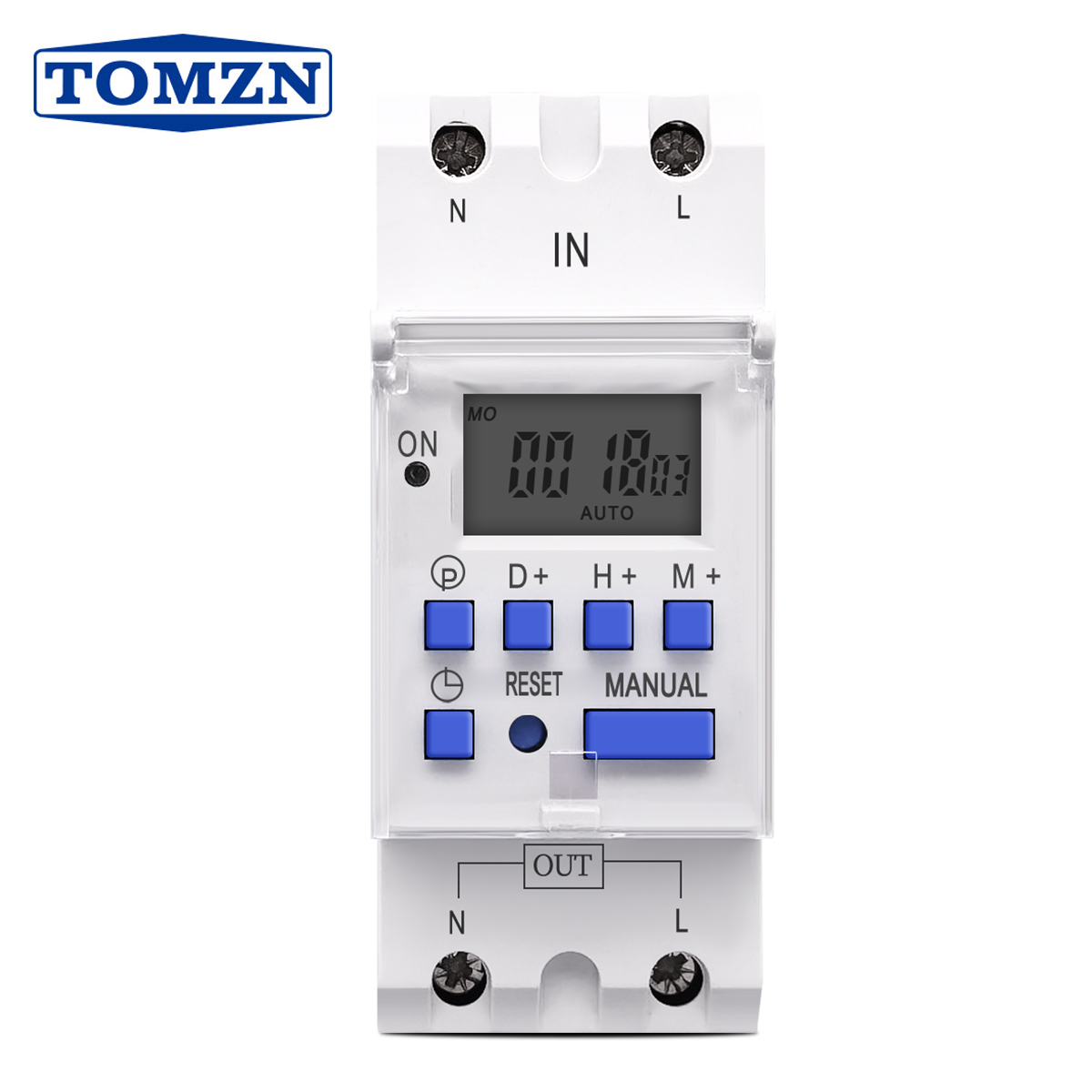
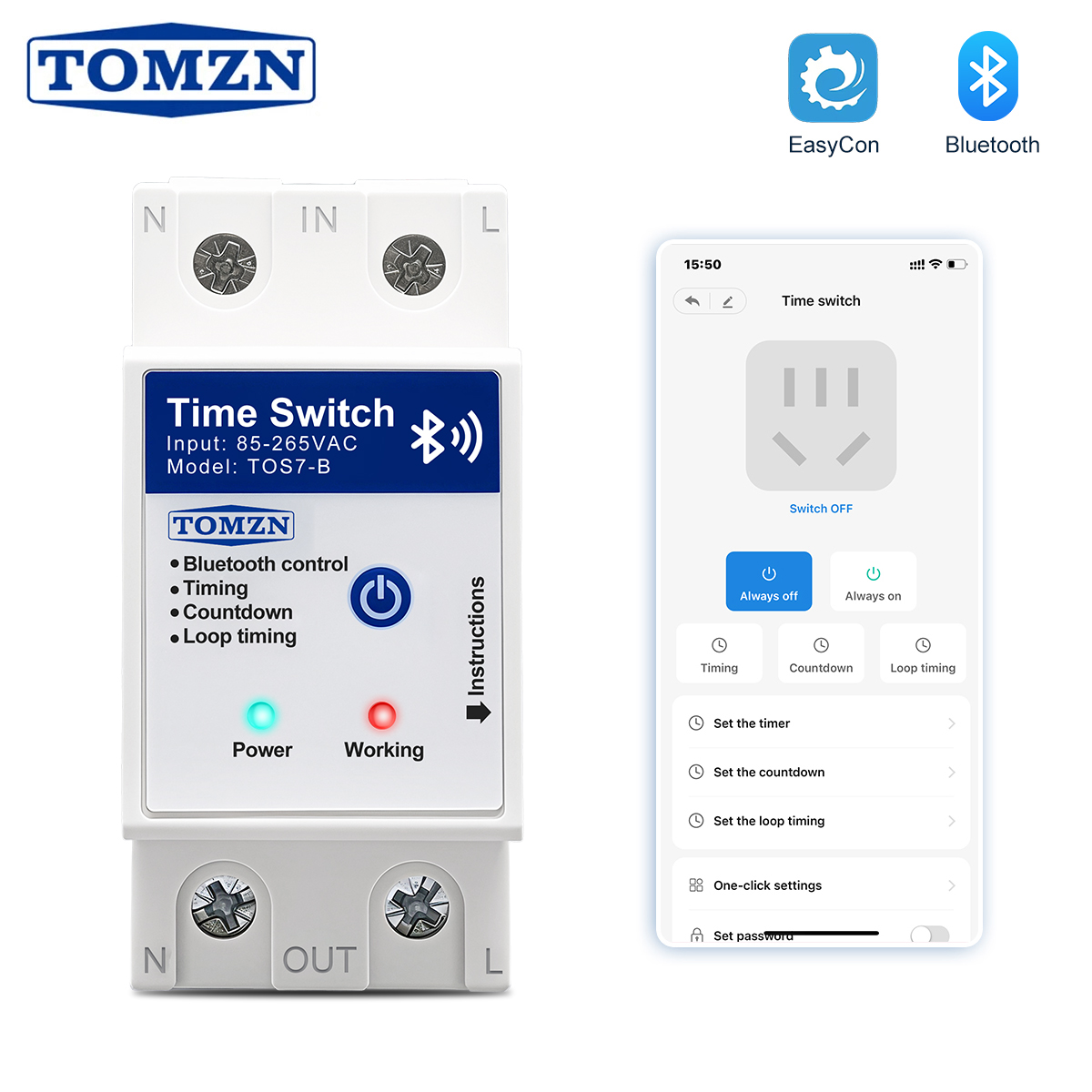
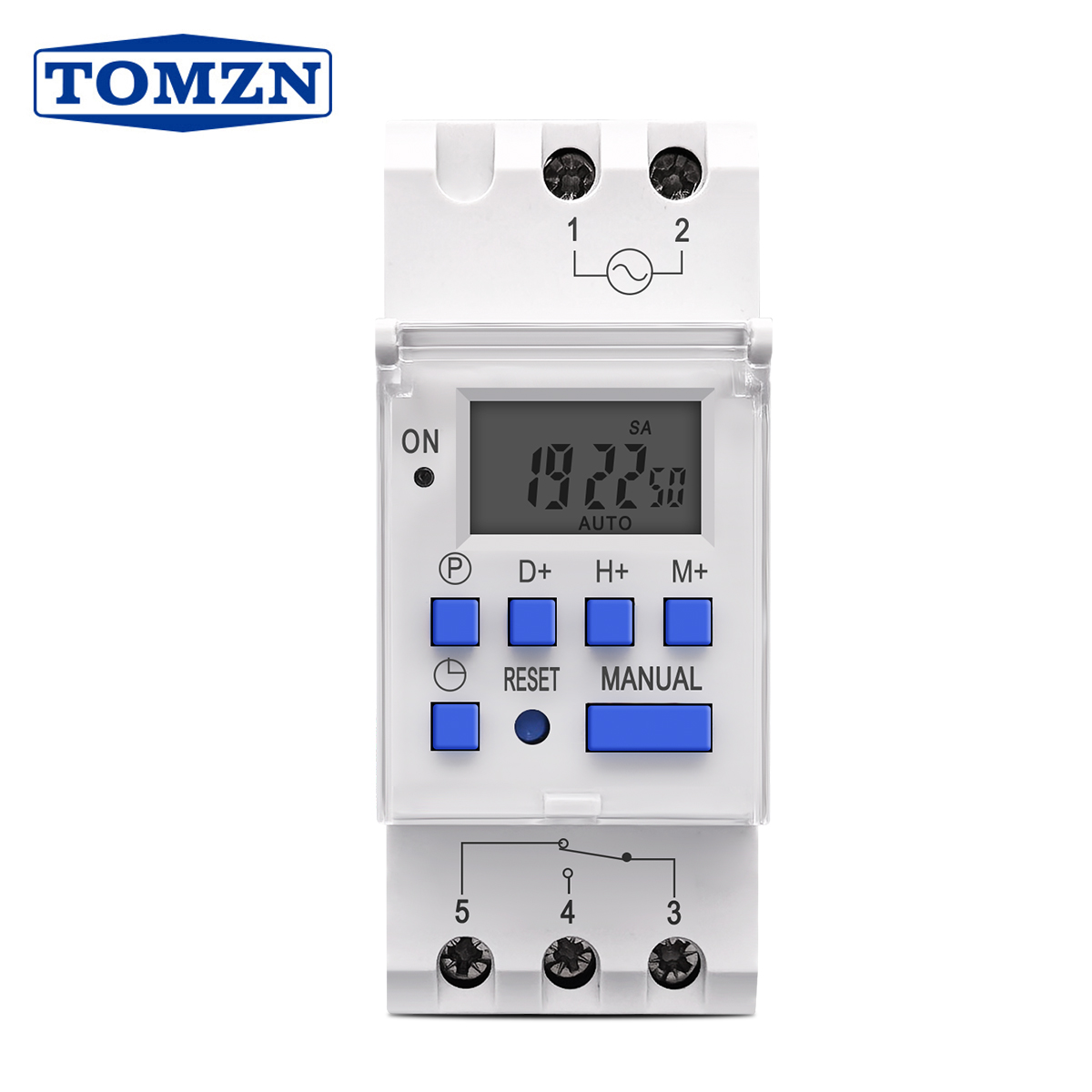
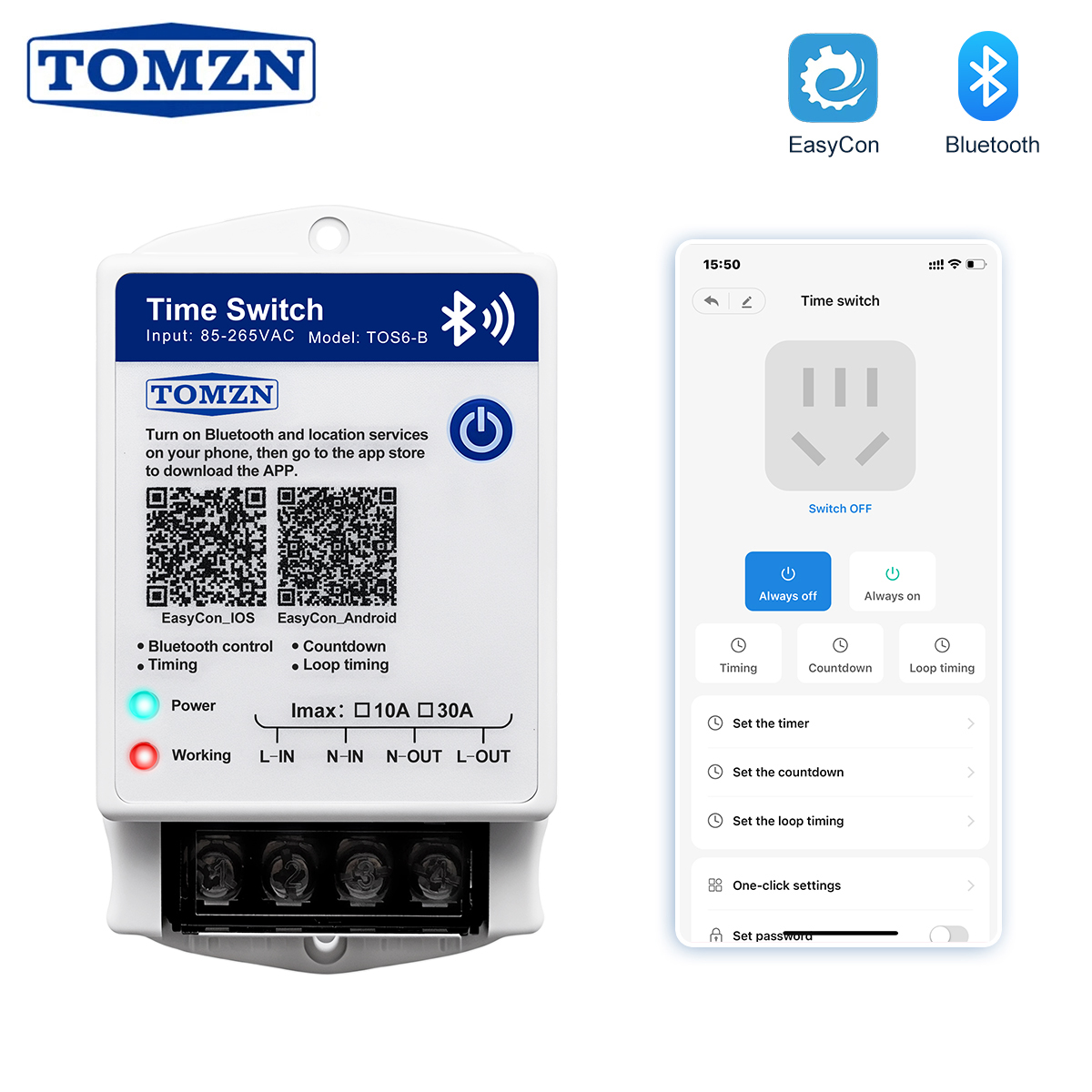
Automated Timing Switch
AC 85–265V
40A Rating
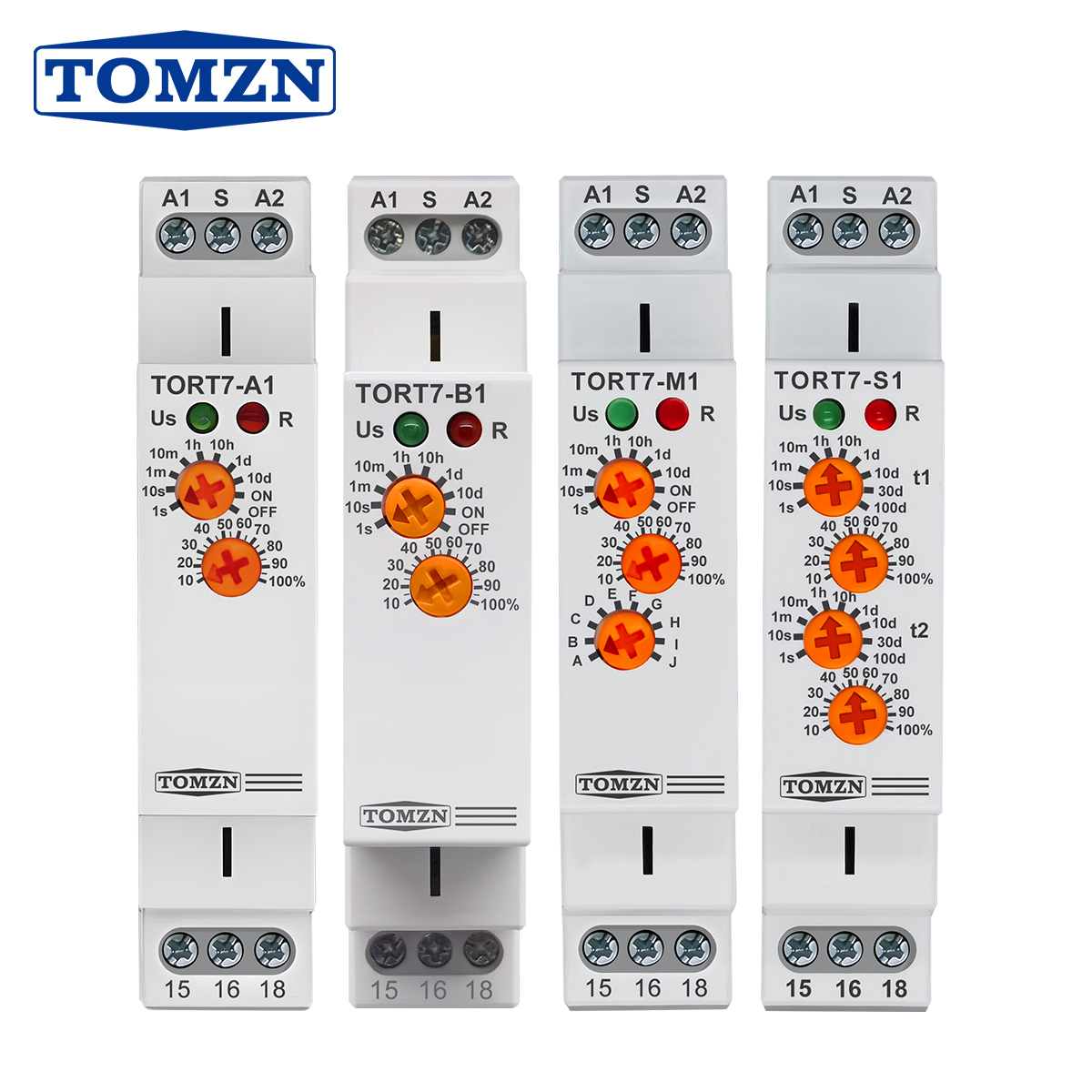
Loop / Countdown
In electrical distribution design, geographical context governs protective switchgear longevity and operational accuracy. Nizwa, situated at the base of the Al Hajar Mountains, presents a harsh operational nexus: summer ambient dry-bulb temperatures frequently exceeding 48°C, low soil moisture leading to volatile earth electrode resistances, and fine limestone dust particulate from nearby quarrying and marble processing plants. Under these conditions, standard consumer-grade Residual Current Devices (RCDs) and Residual Current Circuit Breakers with Overcurrent Protection (RCBOs) suffer accelerated dielectric degradation, nuisance thermal tripping, and core flux saturation.
Critical Engineering Principle: Under IEC 60364-4-41 and Omani Distribution Code compliance, soil resistivity in Nizwa's alluvial gravel beds often exceeds 450 Ω·m during dry spells. Achieving a reliable earth fault loop impedance (Zs) capable of clearing standard overcurrent devices within 0.4 seconds is mathematically improbable without ultra-dependable, core-balanced residual current detection calibrated down to 30mA for human safety and 100–300mA for fire prevention.
Conventional RCD mechanisms are pre-calibrated in temperate climatic testing environments at a standard 30°C reference baseline. In switchboards mounted outdoors or within non-conditioned distribution cubicles in Nizwa Industrial City (Madayn), internal enclosure temperatures regularly climb to 65°C. At this temperature, internal bi-metallic elements in RCBO combinations bow prematurely, and core toroid magnetic permeabilities drift, triggering intermittent "ghost tripping."
Zhejiang TMB Electric engineers solve this through temperature-compensated silicon-steel ring core transformers, nano-crystalline magnetic cores featuring near-zero coercivity, and high Curie point alloys that remain stable up to 130°C. Silver-alloy stationary and moving contacts (AgNi0.15 / AgSnO2) prevent micro-welding during low-impedance earth fault events, maintaining trip release response times well within 40 milliseconds at 5× IΔn.
| Technical Characteristic | Standard Commercial RCD | TMB Heavy-Duty Nizwa-Spec RCD | Standard Compliance & Impact |
|---|---|---|---|
| Magnetic Core Material | Standard Ferrite Laminate | High-Permeability Nanocrystalline Alloy | Zero flux saturation; immunity to high DC offset ripples |
| Operating Temperature Envelope | -5°C to +40°C (Derated at 35°C) | -25°C to +70°C Continuous Calibrated | IEC 60947-2 Annex B; handles extreme Ad Dakhiliyah heat |
| Enclosure & Terminal Protection | IP20 Unsealed, Zinc-plated screws | IP20 / IP40 Sealed Face, Dacromet anti-corrosion screws | Prevents seizing from airborne gypsum and calcium carbonate dust |
| Residual Current Tripping Sensitivity | Type AC (Sinusoidal Only) | Type A & Type B (Pulsating DC & Smooth DC Residuals) | Mandatory for VFD agricultural pumps and solar inverters |
| Mechanical & Electrical Endurance | 4,000 Operations | > 10,000 Mechanical / 4,000 Electrical Cycles | Long lifespan in heavy switching industrial boards |
Nizwa's industrial zones host intensive stone cutting, concrete mixing, and mechanical repair operations. Heavy induction motors, hydraulic presses, and multi-axis saws generate significant harmonic distortion and pulsed leakage currents. TMB's Type B RCDs accurately differentiate between harmonic neutral imbalances and authentic dangerous insulation failures, eliminating nuisance downtime in 24/7 manufacturing plants.
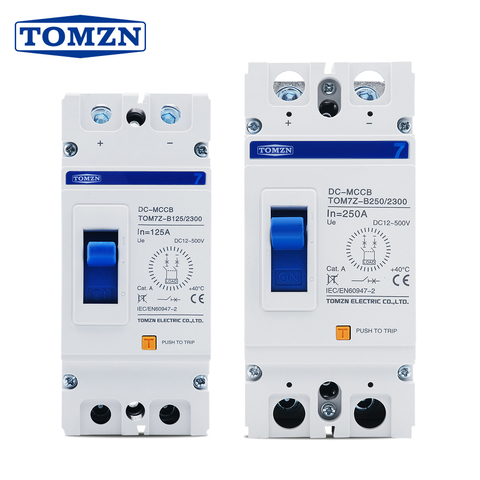
With Oman's Vision 2040 and the Authority for Public Services Regulation (APSR) promoting distributed solar generation across rural wilayats, residential and commercial rooftop solar installations are surging. Grid-tied inverters introduce DC leakage currents onto AC branch circuits. TMB's combined DC circuit breakers and Type B / Type A RCDs protect transformers and user interfaces from blind tripping caused by DC component injection.
Nizwa's extensive date palm plantations rely on submersible bore pumps operated under variable water-table salinity. Submersible cable wear and mineralized borehole water often create low-level resistive earth paths that evade thermal MCBs. TMB's 30mA and 100mA adjustable sensitivity RCDs, paired with automated programmable timer switches, ensure absolute worker safety in wet agricultural fields while enabling precision irrigation automation.
Historically, building distribution boards across the interior wilayats relied on legacy Type AC RCDs designed exclusively for pure sinusoidal 50Hz earth faults. However, the ubiquitous penetration of inverter-driven air conditioning units, LED electronic drivers, and variable-speed pumping sets across Nizwa has made Type AC units obsolete and unsafe. The Omani electrical engineering fraternity, aligned with GCC Unified Standards and BS 7671 updates, is actively transitioning procurement requirements toward Type A and Type F RCDs capable of detecting pulsed DC residual components up to 1 kHz.
As Nizwa expands its position as the cultural and tourism capital of Oman—anchored by the historical Nizwa Fort, vibrant traditional souqs, and new eco-resorts in Jabal Akhdar—the Public Authority for Civil Defence and Ambulance (PACDA) has intensified safety inspections. Heritage structures constructed with thick uninsulated stone or earthen adobe require specialized arc and residual leakage monitoring to eliminate the fire risk posed by deteriorated legacy wiring conduits subjected to decades of intense thermal stress.
Panel builders in the Ad Dakhiliyah region face relentless constraints on consumer unit spatial dimensions. Traditional installations required separate MCB and RCCB pairs occupying 3 to 4 DIN modules per critical circuit. The market is shifting decisively toward single-module (1P+N) RCBOs, allowing complete overcurrent, short-circuit, and earth leakage safety within a 50% smaller enclosure footprint. This aligns directly with TMB’s compact modular product line designed for fast retrofit into standard DIN-rail assemblies.
Complete on-site operational verification by TÜV Rheinland confirms our 5,700 m² factory meets strict international manufacturing protocols, from raw material inspection to automated test benches.
Located in the heart of China's premier low-voltage electrical cluster, TMB controls component traceability, silver alloy stamping, housing mold precision, and copper coil winding with minimal overhead.
We tailor tripping characteristics, laser brand printing, localized Arabic/English packaging, terminal screw coatings, and custom enclosure assemblies specifically tailored for GCC distribution lines.
All catalog products feature full CE compliance, dielectric withstand testing up to 2.5kV, and certified test reports ready for submittal to consulting engineers and municipal project approval boards.
Whether you require sample units for municipal project testing, customized OEM branding, or full 40ft container procurement for distribution across the Nizwa and wider Omani market, our engineering sales group provides complete datasheets, compliance declarations, and quotations within 24 hours.