IP65 Waterproof
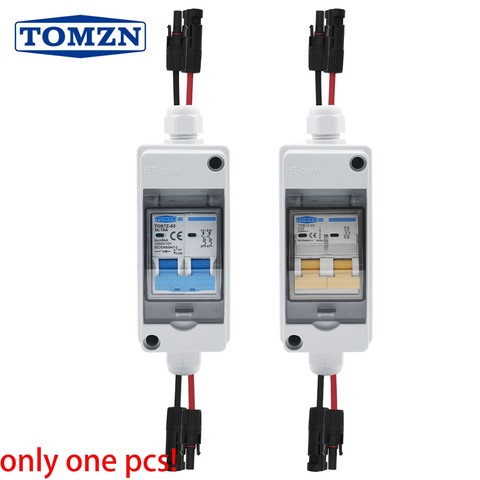
IP65 1-In 1-Out Pre-Wired Solar Combiner Box
Compact solar PV string array junction equipped with a certified 2P DC MCB, flame-retardant enclosure, and waterproof PG cable glands.
Custom-fabricated string solutions combining DIN-rail isolation, fast-acting gPV cartridge fusing, Class II DC surge protection, and automated changeover for UK residential, commercial, and agrivoltaic arrays.
Compact solar PV string array junction equipped with a certified 2P DC MCB, flame-retardant enclosure, and waterproof PG cable glands.
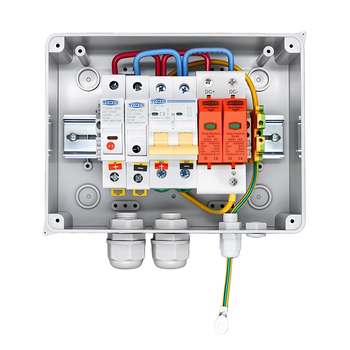
Comprehensive sub-array protection integrating gPV cylindrical fuses, a 600V DC isolator breaker, and Class II DC lightning surge arresters.
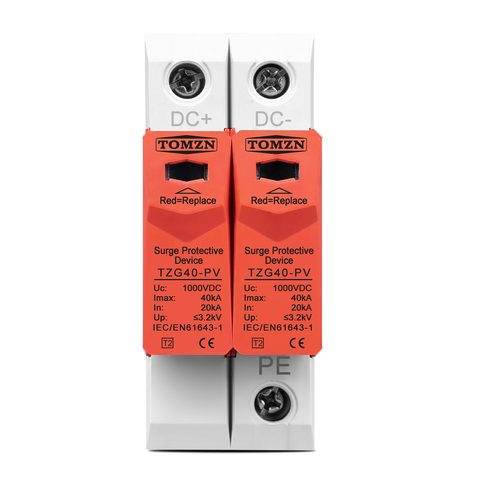
Pluggable high-energy MOV cartridge protection device designed to clamp transient atmospheric overvoltages across PV string inputs.
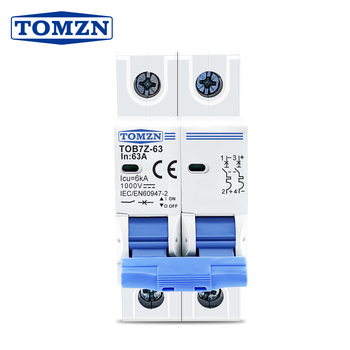
Non-polarized permanent magnetic arc-extinguishing circuit breaker providing thermal overload and short-circuit protection for solar loops.
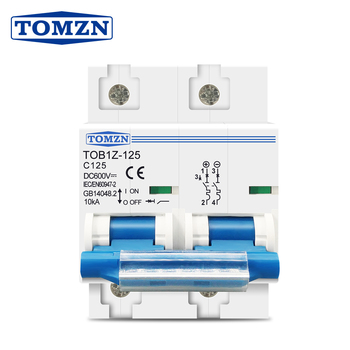
Engineered for hybrid UK storage inverters and DC busbars, interrupting massive sustained fault currents from low-impedance battery banks.
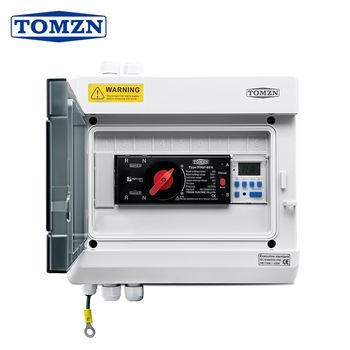
Factory-assembled distribution box housing an automatic transfer switch (ATS) alongside weekly programmable digital relays for off-peak grid cycling.
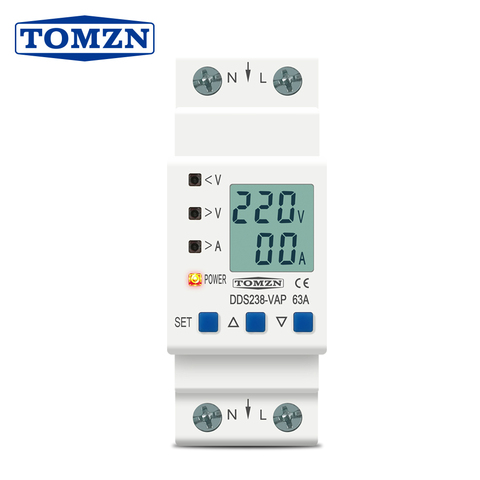
Precision micro-relay with programmatic reconnection time, isolating sensitive hybrid inverters from damaging grid surges, swells, and brownouts.
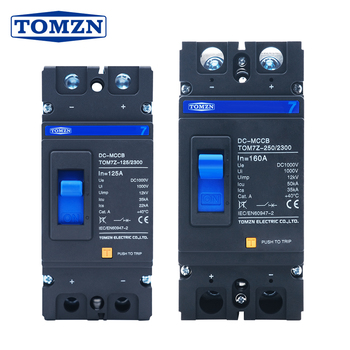
Heavy-duty DC MCCB providing thermal-magnetic circuit interruption up to 250A for multi-combiner aggregation and MW-scale commercial arrays.
Exporting photovoltaic string combiners to the United Kingdom demands uncompromising adherence to British national wiring rules, primarily BS 7671:2018+A2:2022 (Requirements for Electrical Installations - IET Wiring Regulations), specifically Section 712 covering Solar Photovoltaic (PV) Power Supply Systems. Furthermore, installations seeking eligibility for Microgeneration Certification Scheme (MCS) tariffs or commercial Power Purchase Agreements (PPAs) require switchgear enclosures with verified IP65 ingress resilience and flame resistance under BS EN 60695-2-11.
Unlike standard UK 230V/400V 50Hz alternating current (AC) supplies that pass through zero-potential 100 times every second—allowing miniature breakers to naturally extinguish electrical arcs—direct current (DC) generated by photovoltaic strings maintains continuous voltage without a natural zero-crossing point. When a fault develops within a string running at 600V to 1000V DC under maximum open-circuit conditions (Voc), drawing an arc can easily ionize adjacent atmospheric gases, sustaining a continuous plasma torch that generates temperatures exceeding 3,000°C.
Our solar combiner boxes specifically address this phenomenon by deploying heavy-duty, certified DC MCBs and DC disconnect switches engineered with internal magnetic arc-blowout chutes and deep de-ion plates. These permanent neodymium magnetic arrays physically stretch the direct-current plasma arc into arc-splitter chambers within milliseconds, rapidly dissipating thermal energy and preventing terminal flashover. Installing generic AC breakers or under-rated isolation gear on high-voltage UK solar arrays is a primary cause of catastrophic rooftop electrical fires.
When sizing combiner boxes and specifying internal DC surge protective devices (SPDs) and circuit breakers across the United Kingdom, electrical designers must calculate the array's temperature-adjusted open-circuit voltage ($V_{oc(max)}$) based on local minimum design temperatures rather than standard test conditions (STC, 25°C). In Scotland, Northern England, and Wales, design ambient temperatures often drop to -10°C or -15°C during clear winter mornings when insolation is intense.
Applying the standard temperature coefficient of crystalline modules ($\approx -0.30\% / \text{°C}$), an array nominal at 750V Voc at STC will easily exceed 850V DC at -10°C. If a low-voltage 600V DC combiner box is deployed in these conditions, catastrophic dielectric breakdown occurs across internal isolation air gaps. Zhejiang TMB Electric supplies pre-configured enclosures rated at 1000V continuous working voltage ($U_e$), equipped with 1100V DC Max Continuous Operating Voltage ($U_c$) surge arresters to ensure safety across all UK weather profiles.
| Regulatory Dimension | Standard UK Benchmark | TMB Electric Certified Engineering Benchmark |
|---|---|---|
| Wiring Regulations Compliance | BS 7671:2018+A2:2022 (Section 712) | Dual-pole DC break, zero-polarity dependency, fully enclosed non-combustible or self-extinguishing polymer |
| Inverter Transient Surge Defense | BS EN 62305 / BS EN 61643-31 | Type 2 (Class II) pluggable DC SPDs, In 20kA, Imax 40kA, remote visual fault indicators |
| Ingress Protection Rating | BS EN 60529 IP65 (Minimum for outdoor) | True IP65/IP66 enclosure with seamless continuous polyurethane gasket seals and UV-stabilized ABS/PC |
| String Overcurrent Protection | BS EN 60269-6 (gPV characteristics) | 1000V DC 10×38mm cylindrical ceramic fuses rated 15A–32A to safely isolate back-fed faulty strings |
| Grid Failure Islanding | ENA Engineering Recommendation G98 / G99 | Fast-acting DIN-rail transfer switches ensuring zero mechanical overlap between grid and off-grid battery arrays |
From retrofitting suburban terraced rooftops under MCS guidelines to mega-watt agrivoltaic ground mounts across the East Midlands, our pre-configured combiners deliver turnkey field isolation.
Engineered for seamless integration into domestic lofts and utility rooms. These compact 1-in-1-out and 2-in-1-out combiner units allow installers to provide safe, lockable DC isolation adjacent to string or micro-inverters, perfectly satisfying MCS rooftop installation safety codes.
Large-span commercial roofs across distribution corridors (such as the Midlands Golden Triangle) require multi-string combiners with integrated individual string fusing to protect panels from localized shading mismatches and reverse fault currents.
Rural installations across East Anglia and South West England face high relative humidity, ammonia vapors in farm outbuildings, and corrosive sea-salt mist along coastal margins. Our polycarbonate UV-resistant enclosures feature hermetically sealed gaskets to avoid ingress.
The UK renewable sector is undergoing exponential expansion, driven by the revised National Planning Policy Framework, aggressive Corporate Social Responsibility (ESG) procurement, and volatile wholesale electricity pricing. Solar combiner boxes are evolving from passive junction terminals into intelligent, multi-functional safety nodes within the electrical network.
As agile time-of-use tariffs (e.g., Octopus Flux, Economy 7 modern equivalents) dominate residential and light-commercial customer preferences, installers across England and Wales are retrofitting high-capacity battery units onto existing PV strings. This elevates prospective short-circuit currents exponentially. TMB Electric has responded by manufacturing combiner enclosures incorporating heavy-duty 80A to 125A DC breakers capable of sustaining and safely clearing instantaneous high DC fault currents originating from low-impedance lithium iron phosphate (LiFePO4) battery packs.
While domestic UK systems have historically stayed below 600V DC to simplify compliance with BS 7671 domestic cable routing, commercial rooftops and utility solar installations have universally adopted 1000V strings to minimize $I^2R$ copper transmission line losses. Our 1000V DC combiners provide the necessary physical creepage and clearance distances between internal phase terminals, preventing flashovers caused by persistent autumnal damp and condensation.
Operating expenditures (OpEx) for commercial solar assets have come under stringent scrutiny across the UK. Our smart combiner integrations feature modular DIN-rail energy monitors and remote shunt trips that can communicate via Modbus or WiFi protocols, allowing asset managers in London or Edinburgh to identify localized PID (Potential Induced Degradation), panel shading, or blown fuses without deploying maintenance engineers to remote field sites.
Direct manufacturing excellence from Liushi Town, Wenzhou—China's global capital for low-voltage switchgear. Real engineering depth verified on-site by TÜV Rheinland.
Our 5,700 m² factory operates under audited quality control management systems. Every product model carries CE certification and verifiable batch test certificates for dielectric withstand, temperature rise, and mechanical endurance.
Over two decades of precision manufacturing ensures deep metallurgical and plastic molding mastery. We fabricate our own internal copper contact assemblies, arc chutes, and silver alloy contact rivets to guarantee trip-curve accuracy.
Situated in the heart of China’s largest low-voltage electrical industrial cluster, we secure premium raw materials (flame-retardant PC/ABS, pure electrolytic copper, certified MOVs) within hours, providing unmatched delivery speed and competitive OEM pricing.
We eliminate barrier-to-entry friction for regional UK electrical wholesalers and solar EPC contractors. Standard catalog models start from a 5-piece minimum order quantity, allowing rapid prototyping and testing before containerized volume orders.
From custom terminal spacing, customized breaker ratings, laser marking of company branding and UKCA compliance labels to specific input/output gland orientations, we provide bespoke engineering matching your project blueprint.
Beyond solar PV combiner boxes, we supply the complete internal balance of system (BOS): dual-power automatic transfer switches (ATS), Type 2 AC/DC surge protectors, modular contactors, DIN-rail energy meters, and WiFi intelligent breakers.
Clear, unvarnished technical answers addressing regulatory compliance, installation rules, and delivery logistics for the British solar industry.
Send your array single-line diagram (SLD), voltage thresholds, and target string counts. Our electrical engineering team will deliver matched combiner configurations, technical datasheets, and factory-direct wholesale pricing within 24 hours.