
TOMZN TOS7-B Bluetooth Smart Timer Switch 40A 63A 85-265V EasyCon App Remote Control
DIN Rail mountable, 28 groups timing loop, automated solar load shedding controller.
Explore our high-performance switching, timing, and string protection units optimized for off-grid PV architectures, hybrid microgrids, and load management across Suai, Timor-Leste.
DIN Rail mountable, 28 groups timing loop, automated solar load shedding controller.

Broad voltage support: AC 220V/230V, 12V, 24V, 48V 16A. Optimized for battery dispatch.
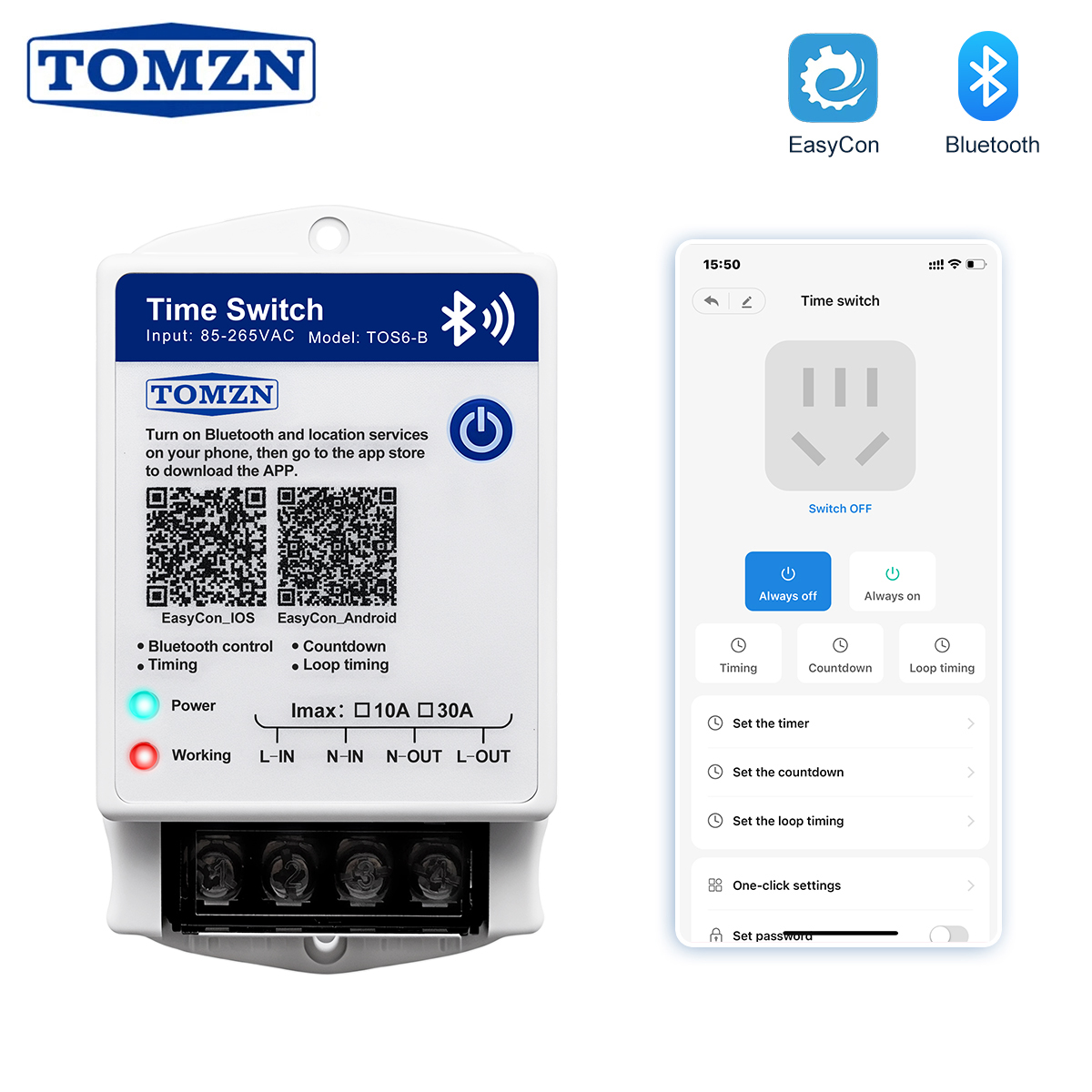
Compact form factor with 28 Groups Timing Loop for rural microgrid distribution boxes.

Configurable pulse generator & 0.1S-10D range for hybrid inverter sequence start.

Robust 40A switching capability with low contact resistance for humid conditions.
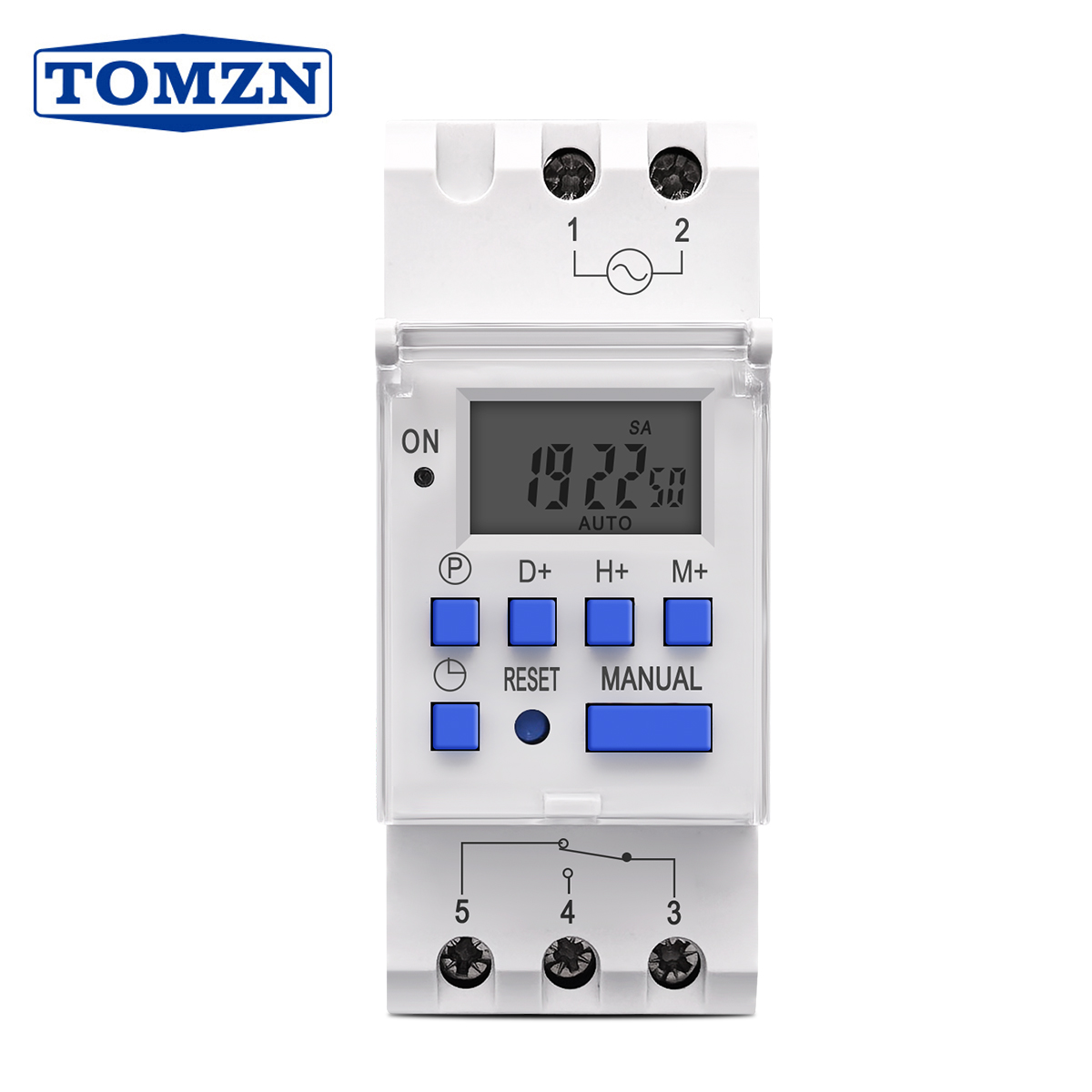
Independent dry contact channel. Ideal for generator auto-start integration.
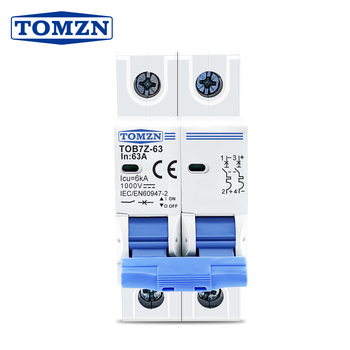
IEC 60947-3 rated arc splitters for rapid interruption of zero-crossing DC current.
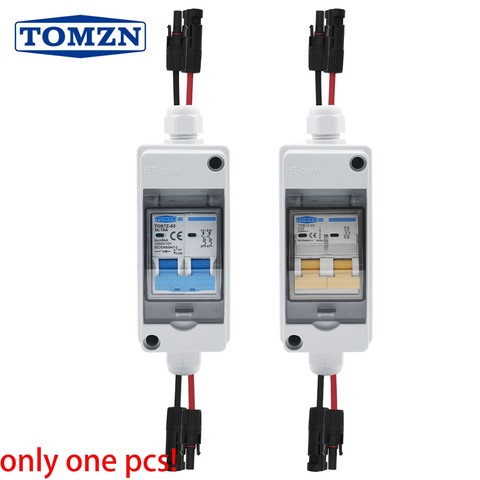
UV-stabilized polycarbonate enclosure designed specifically for tropical sun exposure.
Deploying photovoltaic systems in Suai, Timor-Leste requires engineering resilience against high ambient salt spray, intense thermal cycling, and unbuffered grid fluctuations.
Suai's position along the Timor Sea brings severe airborne chloride concentration. Standard disconnect switches experience rapid pitting of internal terminals. Our DC disconnect switches use silver-plated copper contacts (Ag-Ni alloy) housed in anti-tracking, flame-retardant enclosures (UL94-V0) sealed to IP66/IP65 standards, completely shielding current paths from salt crusting.
With year-round operating temperatures regularly exceeding 34°C and interior rooftop combiner boxes reaching 65°C, thermal de-rating is the chief cause of nuisance trips in Timor-Leste. TMB engineers our DC switches with broader magnetic trip gaps and robust bimetallic elements calibrated to maintain full nominal continuous load carrying capacity without premature degradation.
Off-grid agro-processing plants and community clinics across Covalima rely on hybrid solar-plus-diesel configurations. Our DC disconnects, paired with our class-leading Dual Power Automatic Transfer Switches (ATS) and programmable timer relays, guarantee break-before-make isolation, preventing dangerous back-feeding into solar inverter bridges during diesel start-up cycles.
Unlike AC networks where voltage naturally alternates across a zero-potential line 100 to 120 times per second to quench electrical arcs, direct current (DC) arcs generated by solar photovoltaic strings remain continuous and destructive. In coastal installations like Suai, failing to maintain an instant air-break gap leads to localized ionization, terminal carbonization, and severe catastrophic switch fires.
| Interruption Parameter | Standard Market Alternative | Zhejiang TMB Electric Standard | Suai Installation Benefit |
|---|---|---|---|
| Arc Chute Construction | Single-plate brass barrier | Multi-tier nickel-plated deionizing steel plates | Suppresses continuous 1000V DC arcs under 8 milliseconds. |
| Rotary Contact Mechanism | Slow-break mechanical wipe | Patented snap-action knife contact with spring preload | Eliminates operator-dependent switching speed errors. |
| Enclosure Protection Class | IP54 sheet metal with gasket | IP66 Polycarbonate UV-resistant casing with breathable vent | Equalizes internal pressure while stopping tropical rain ingress. |
| Dielectric Withstand | 2,000V AC isolation barrier | 4,000V AC impulse withstand rating (Uimp 8kV) | Resists direct monsoonal lightning transients from nearby mountains. |
Strategic procurement analysis for solar engineers, public works authorities, and electrical wholesale distributors in Suai and surrounding regions.
National energy planning in Timor-Leste continues to accelerate mini-grid installations in non-interconnected districts. The primary requirement has moved toward fully enclosed, plug-and-play combiner boxes equipped with DC isolating switches, allowing local non-specialized technicians to conduct safe preventive maintenance without exposure to high-voltage direct current strings.
Utility-scale projects and institutional arrays in the Covalima district are rapidly shifting away from historical 600V DC configurations to 1000V architecture to reduce balance-of-system (BOS) copper cabling costs. This shift demands certified isolating hardware tested specifically under DC-PV2 utilization categories rather than repurposed AC breakers.
Because battery energy storage systems (BESS) represent the single highest capital replacement expense in Suai off-grid applications, engineering contractors are incorporating digital timer switches and Bluetooth-controlled contactors to prioritize daytime PV self-consumption and automatically disconnect inductive motor loads prior to sunset.
Combining 24 years of manufacturing heritage in Liushi Town with rigorous international compliance to guarantee uncompromised switch reliability.
Our 5,700 m² advanced manufacturing facility in Wenzhou undergoes stringent on-site validation by TÜV Rheinland, certifying transparent production capabilities, traceability, and ISO-standard Quality Management Systems.
Positioned at the epicenter of China's premier low-voltage electrical industrial base, we control raw material sourcing from ultra-pure electrolytic copper stamping to localized molding, ensuring factory-direct lead times and competitive cost structures.
Our complete range of DC isolating switches, circuit breakers, and combiner panels carries CE conformity markings, fully satisfying IEC 60947-1, IEC 60947-3, and international solar installation codes for global project procurement.
We empower regional contractors and wholesalers in Timor-Leste with flexible trial MOQs starting from just 5 units, private label branding, and custom pre-wired combiner box engineering tailored to project string layouts.
Authoritative technical guidance addressing common engineering, procurement, and shipping queries for East Timor projects.
Consult with our electrical engineering team to configure certified DC isolators, dual power transfer switches, and turnkey combiner solutions built for lasting performance.