Precision Monitoring, Split-Phase Control & Retrofit Hardware
Engineered for seamless retrofitting inside existing NEMA panels, generator transfer switches, and marine shore distribution boards without disconnecting primary service conductors.
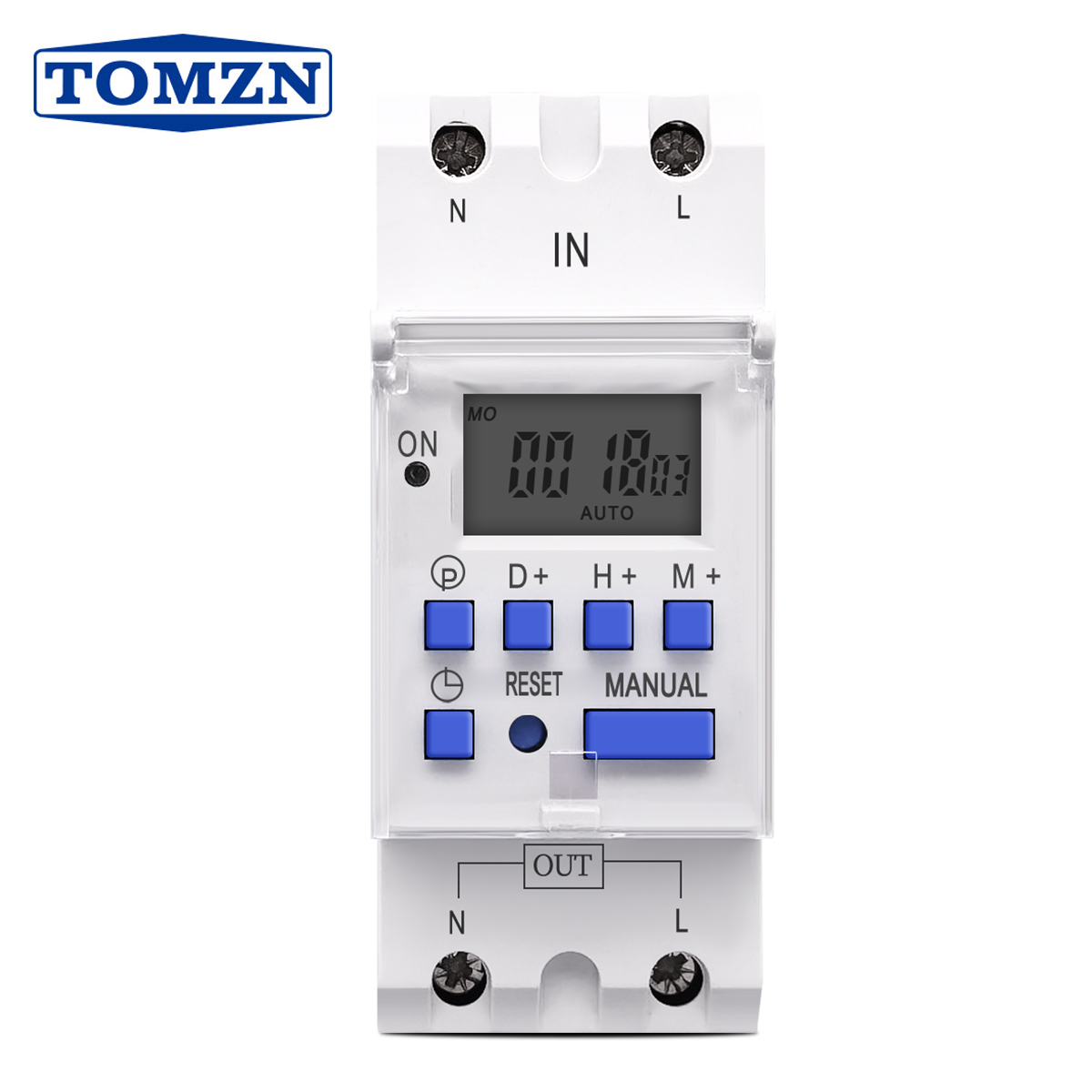
TOMZN Din Rail Single Phase Weekly 7-Day Programmable Digital Timer
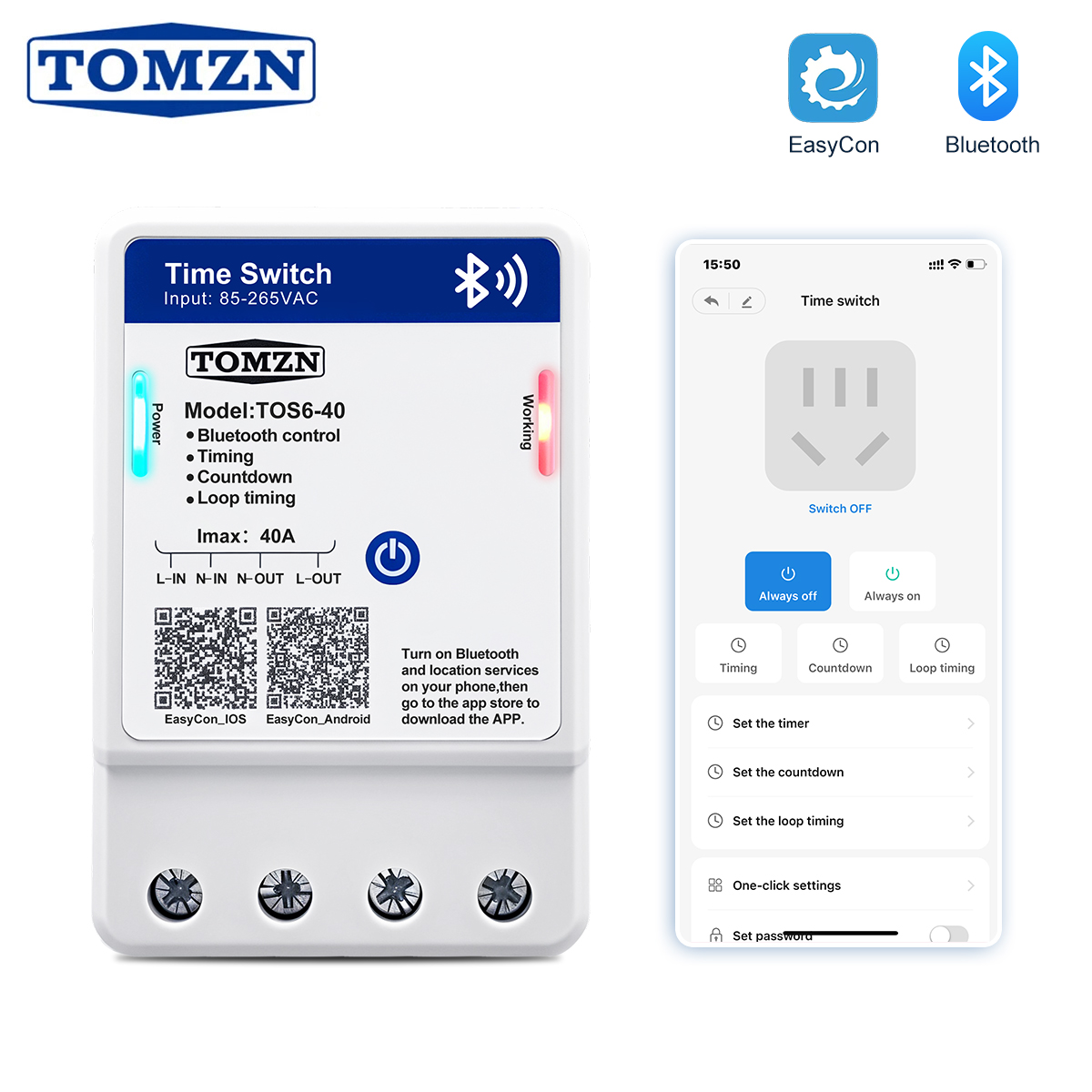
TOS6-40 Bluetooth Time Control Switch 35mm DIN Rail Wall-Mounted 40A
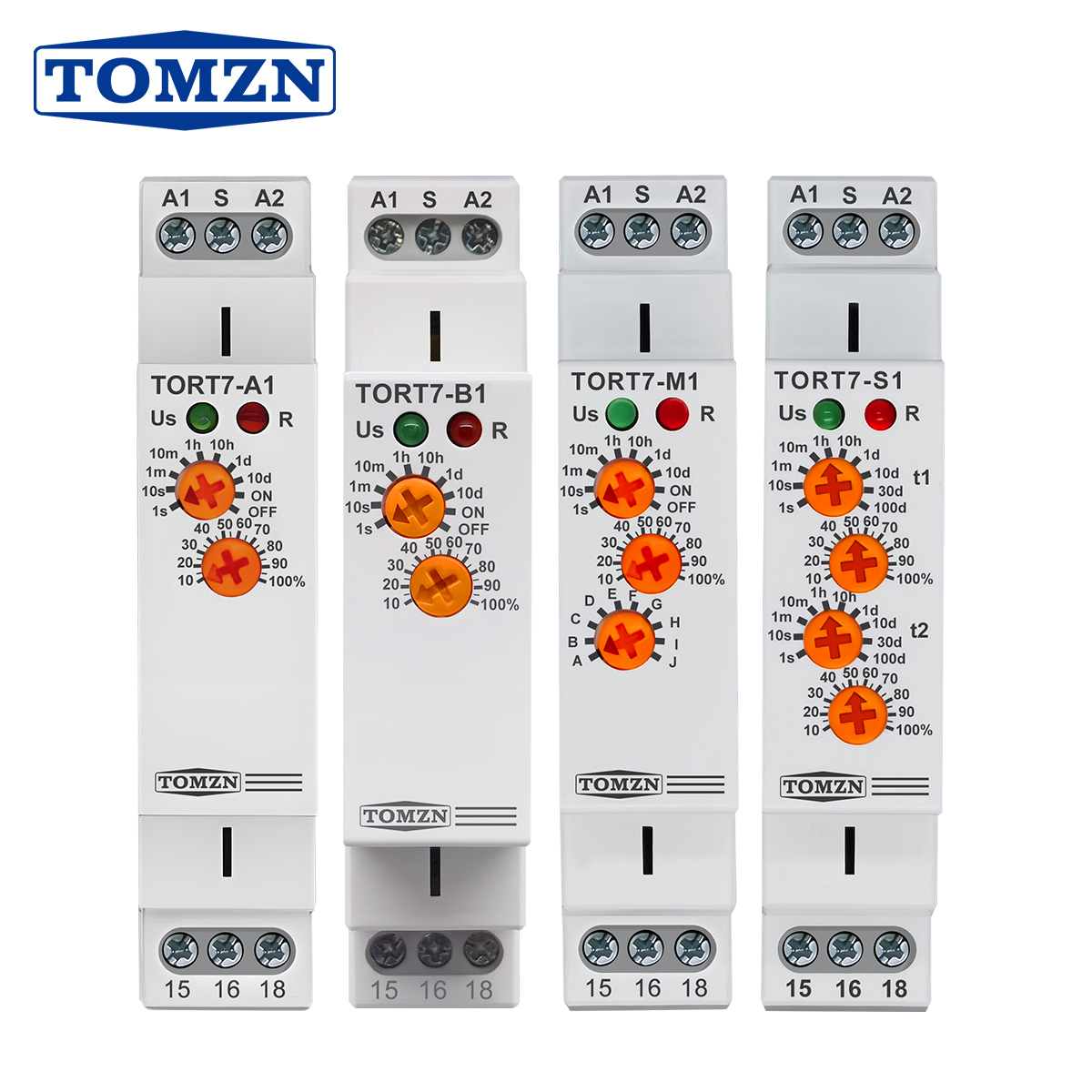
TORT7 10-in-1 Asymmetric Delay-ON / OFF Multi-Function Time Relay
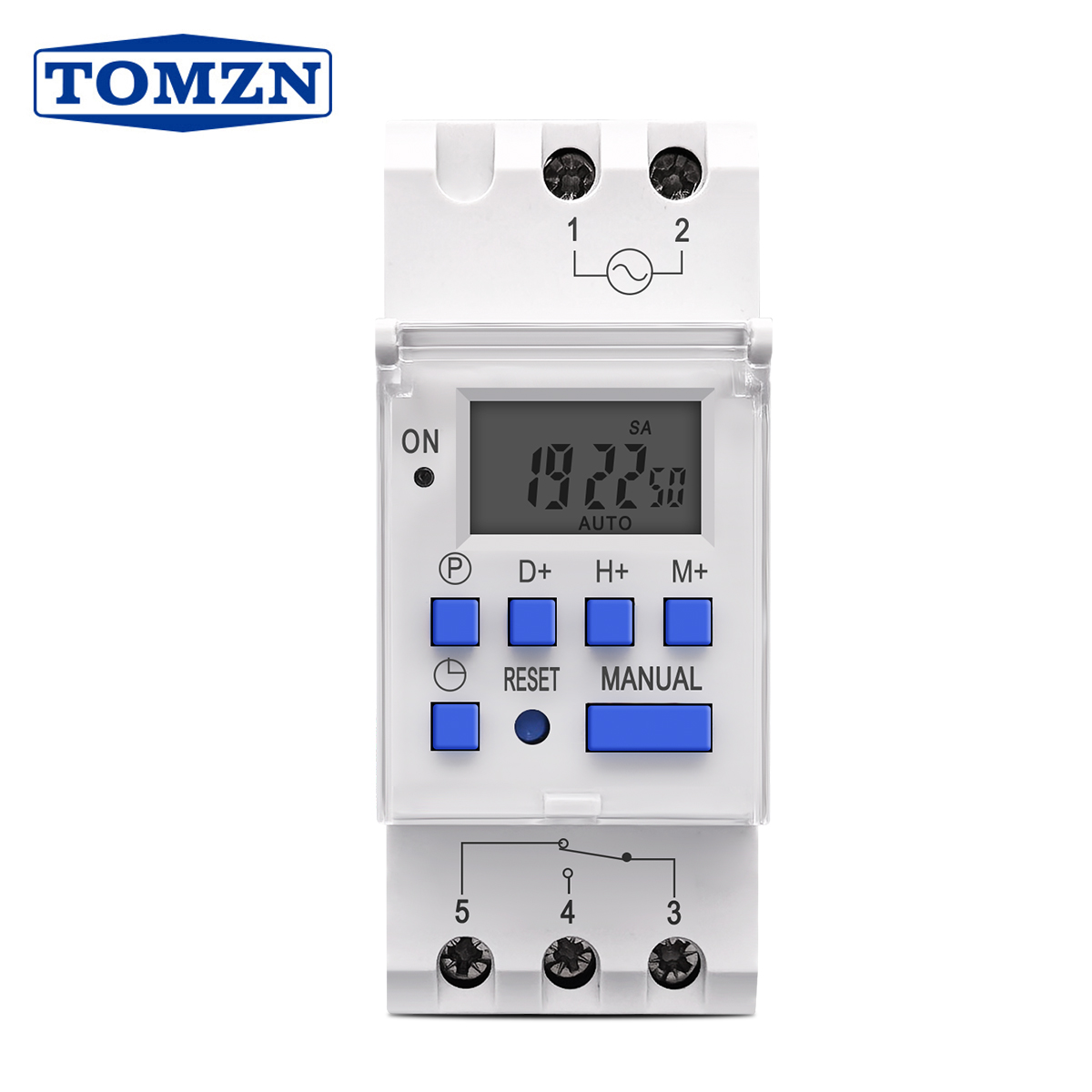
TOMZN 1NO+1NC DIN Rail Single Phase Weekly Digital Timing Switch
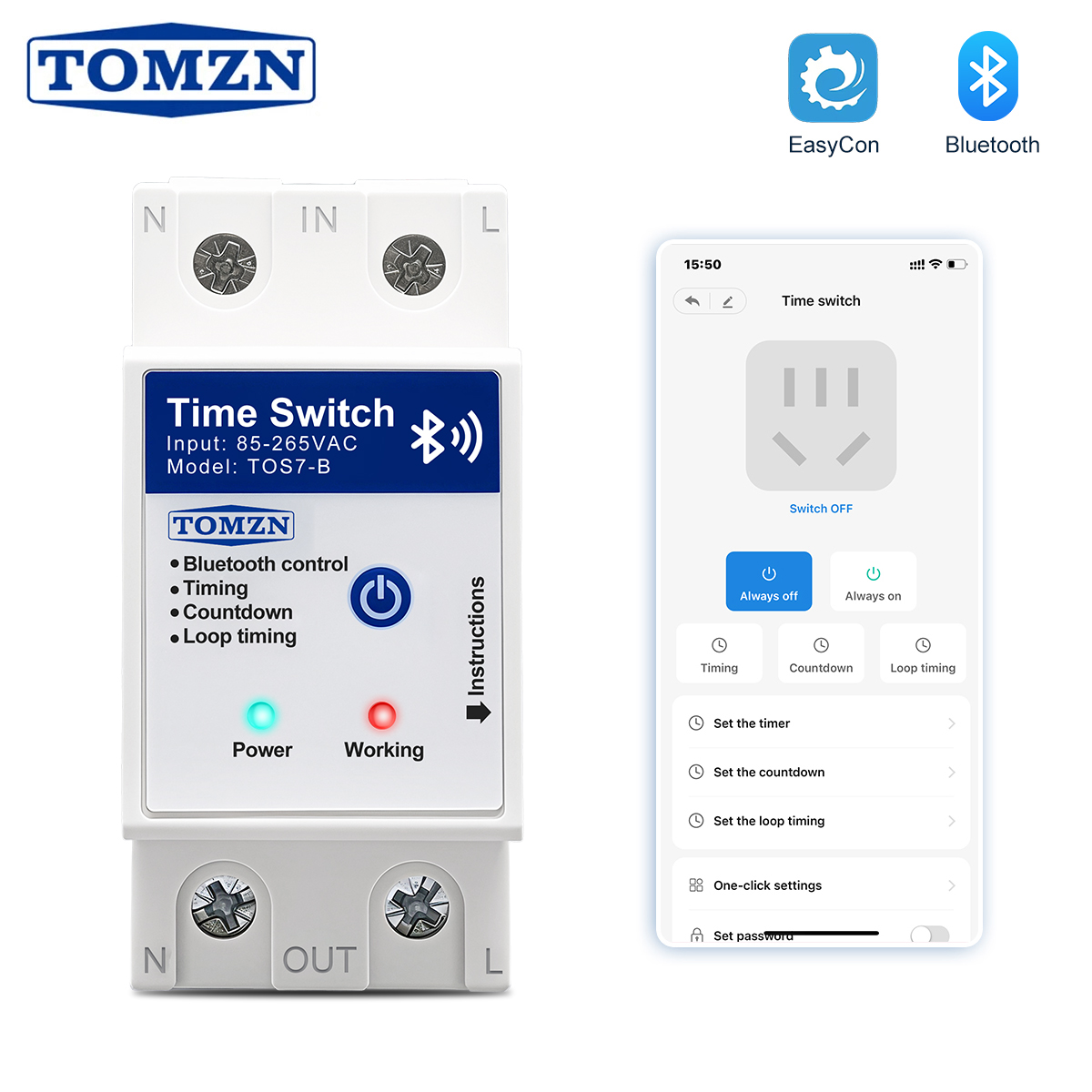
TOMZN TOS7-B Bluetooth Smart Controller 40A/63A EasyCon App
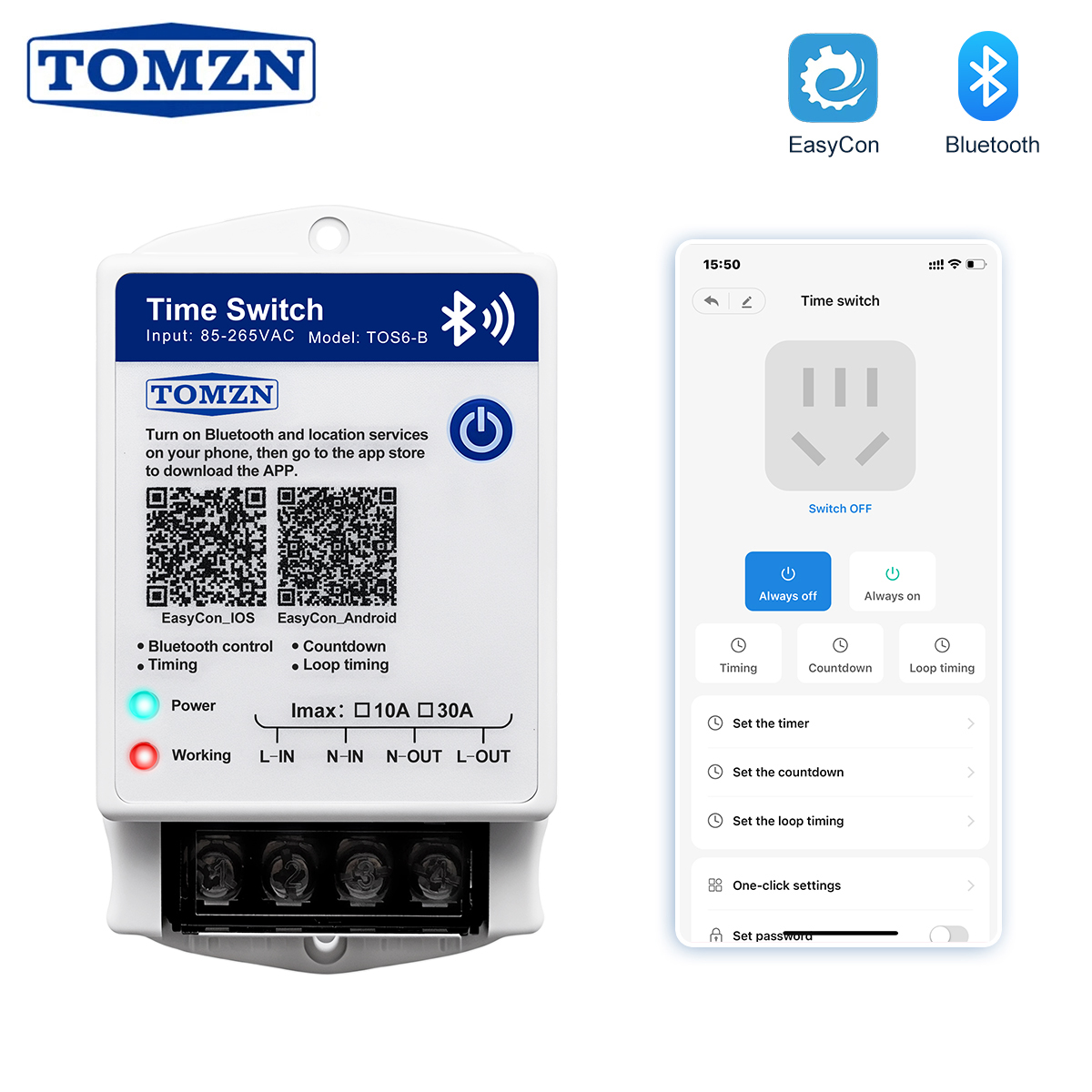
TOMZN Bluetooth Smart Timer Switch 85-265VAC 10A/30A Wall/DIN Mount
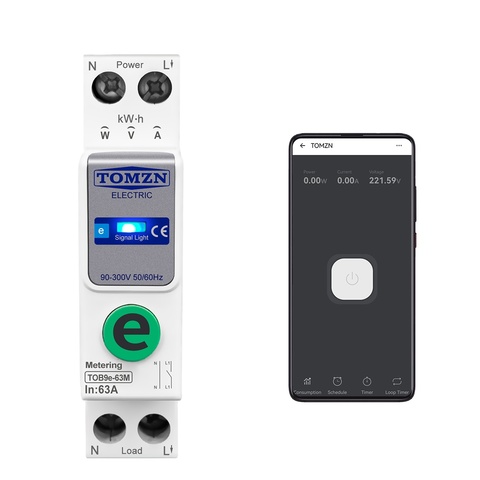
TOB9e-63M Smart Breaker with Integrated CT Sampling & kWh Telemetry
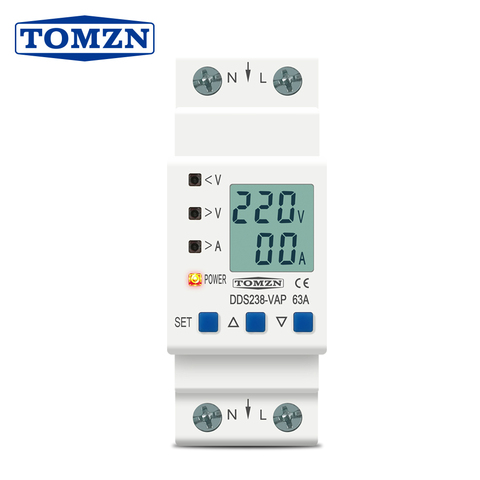
63A/80A Digital Over-Under Voltage & Current Protector with kWh Meter
Current Transformation & Power Quality Telemetry in the Abaco Islands
A technical guide for electrical engineers, commercial developers, and solar EPC contractors operating within the Marsh Harbour microgrid corridor.
1. The Electrification Challenge in Great Abaco: Post-Dorian Rebuilding & Microgrid Transition
Following the extensive infrastructure damage caused by Hurricane Dorian, Marsh Harbour, the commercial hub of the Abaco Islands in the Bahamas, has become an active frontier for modernized electrical distribution. The local utility network, operated under Bahamas Power & Light (BPL) protocols, interfaces with an aggressive hybrid energy topology consisting of centralized diesel generation, rooftop commercial solar photovoltaic (PV) arrays, resort microgrids, and localized energy storage systems (ESS). Power distribution throughout Marsh Harbour and surrounding cays (including Hope Town, Man-O-War Cay, and Guana Cay) is subject to extreme thermal swings, salt-laden marine air, severe power factor fluctuations, and frequent voltage spikes.
In this harsh operating environment, facilities cannot afford prolonged service shutdowns to install legacy solid-core current transformers (CTs). Disconnecting 400A or 800A service entrance cables from main distribution panels to slide on solid-core rings demands expensive crane and utility coordination, generator run hours, and hazardous de-energization procedures. Consequently, **split-core current transformers (Split Core CTs)** have emerged as the standard measurement mechanism across Marsh Harbour. Designed with a separable core construction, these clip-on transformers clamp around existing energized conductors without disturbing termination lugs, offering rapid non-invasive deployment for energy auditing, submetering, and phase-balancing.
2. Electromagnetic Design: Precision Silicon Steel vs. Nanocrystalline Cores
The performance of a split-core current transformer depends fundamentally on the magnetic permeability of its split core and the physical mating of its pole faces. When a current transformer is split into two halves, an unavoidable parasitic air gap is introduced at the mechanical joint. Even microscopic air gaps cause flux leakage, precipitating ratio errors (under-reporting primary current) and phase displacement errors (crucial in inductive motor loads such as commercial refrigeration and water chillers commonly operating in Marsh Harbour).
Furthermore, open-circuit protection is critical for installer safety. While traditional 5A secondary current transformers present severe high-voltage inductive arcing hazards if their secondary circuit is inadvertently opened under load, modern split-core instrumentation for the Caribbean market is predominantly engineered around low-voltage secondary outputs. Our factory produces split-core CTs with internal secondary burden resistors providing 0–333 mV AC millivolt outputs, as well as 0–5V DC / 4–20mA current loops. A 333mV millivolt secondary intrinsically clamps the maximum induced terminal voltage to safe levels, entirely eliminating the risk of flashover, insulation breakdown, or electrocution during live panel commissioning.
Zero-Downtime Clip-On Latch
High-reliability self-locking click mechanism allows live installation over insulated conductors up to 800 MCM without disconnecting terminal lugs or interrupting facility runtime.
Built-In Transient Clamping
Integrated TVS (Transient Voltage Suppressor) zener diode clamps suppress secondary inductive transients up to 6kV, guaranteeing technician safety during wire connection.
High Phase-Angle Linearity
Optimized winding geometry and low-loss core annealing deliver phase displacement under <0.5 degrees, assuring precise active, reactive, and apparent power metrics for solar net billing.
High-Impact Engineering Scenarios Across Great Abaco
Field installations where split-core current sensing and DIN-rail automation solve acute energy reliability and cost challenges in the Bahamian electrical sector.
1. Marsh Harbour Commercial Marinas & Dockside Power Pedestals
Marsh Harbour is home to world-class yachting hubs and boatyards. Dockside power pedestals must distribute 120V 30A, 240V 50A, and 100A three-phase 120/208V power to visiting maritime vessels. Salt air mist, high humidity, and inductive refrigeration compressors demand robust monitoring. Split-core CTs installed behind marina distribution boards meter individual slip consumption and provide telemetry to prevent shore breaker overloads caused by yacht air-conditioning bank spikes.
- Non-corrosive UV-resistant UL94-V0 polycarbonate enclosures
- 333mV secondary eliminates marine grounding loops
- Dynamic submeter billing tied to cloud telemetry gateways
2. Island Microgrids, Hybrid Solar Storage & Diesel Genset Optimization
Given peak diesel generation fuel costs exceeding $0.40/kWh throughout the Family Islands, local enterprises deploy hybrid PV systems with backup diesel gensets. Split-core CTs are clamped onto the automatic transfer switch (ATS) inputs and solar inverter feeds. When paired with smart delay timers and bi-directional meters, the system dynamically calculates net solar production, prevents reverse power flow back into spinning diesel generators, and initiates prioritized load shedding.
- Fast bi-directional sensing detects zero-export limits instantly
- Protects sensitive alternator windings from regenerative reverse torque
- Compact DIN footprint fits packed outdoor NEMA-3R enclosures
3. Hospitality Resorts, Vacation Rental Clusters & Water Desalination
In luxury rental villas and beachfront resort cottages across Abaco, electricity represents over 35% of total facility operational overhead. Heavy loads like reverse osmosis (RO) seawater desalination pumps, commercial laundry, and centralized multi-split air handlers must be tracked separately. Split-core CTs provide building managers with granular branch-circuit analytics, helping operators detect refrigerant leaks, pump bearing wear, and abnormal after-hours consumption.
- Branch level submetering for accurate tenant utility recovery
- Harmonic distortion capture up to 31st harmonic orders
- Integrates with programmable Bluetooth and Wi-Fi load controllers
4. Storm Hardening & Panelboard Re-Engineering
Electrical panelboards across Marsh Harbour are subjected to periodic salt air intrusion and tropical moisture. Replacement distribution hardware requires hermetically sealed core assemblies and siliconized secondary lead wires. Zhejiang TMB's split-core current sensors feature moisture-sealed secondary potting with epoxy resin, tinned copper twisted-pair leads, and corrosion-proof stainless steel internal latch springs, delivering reliable telemetry when storm conditions test local grids.
- Epoxy vacuum encapsulation prevents internal winding oxidation
- High dielectric withstand voltage (3000V AC / 1 min)
- Flame-retardant thermoplastic UL94-V0 rated shell
Split-Core CT Technical Specifications & Selection Parameters
Reference parameters for selecting current sensors tailored to typical US/Bahamas 120/240V split-phase and 120/208V three-phase panel geometries.
| Model Series | Aperture (Window Size) | Rated Primary Current | Secondary Output | Accuracy Class | Typical Marsh Harbour Installation |
|---|---|---|---|---|---|
| TMB-SCT-10 | 10 mm (0.39 in) | 5A to 80A AC | 0.333 V AC / 100mA | Class 0.5 | Branch circuits, mini-split A/C, lighting sub-panels |
| TMB-SCT-16 | 16 mm (0.63 in) | 50A to 150A AC | 0.333 V AC / 1A AC | Class 0.5 | Residential 100A feeder lugs, dock power pedestals |
| TMB-SCT-24 | 24 mm (0.94 in) | 100A to 250A AC | 0.333 V AC / 5A AC | Class 0.5 / 1.0 | Standard 200A main service disconnects, commercial retail |
| TMB-SCT-36 | 36 mm (1.42 in) | 200A to 400A AC | 0.333 V AC / 5A AC | Class 0.5 | 400A commercial feeders, hybrid solar inverter mains |
| TMB-SCT-50 | 50 mm (1.97 in) | 400A to 800A AC | 0.333 V AC / 5A AC | Class 0.5 | Primary utility service entrance, marina sub-stations |
| TMB-SCT-80 | 80 mm (3.15 in) | 600A to 1200A AC | 0.333 V AC / 5A AC / 4-20mA | Class 0.5 | Heavy industrial busway, resort utility interconnects |
* Custom secondary wire lengths, twisted-pair shielding, and waterproof silicone potting are configurable for OEM container orders.
The Evolution of Caribbean Microgrids & Abaco's Energy Roadmap
Understanding regulatory, technological, and economic shifts driving the surge in precision current telemetry through 2030.
1. Renewable Energy Self-Generation (RESG) and Zero-Export Mandates
The Utilities Regulation and Competition Authority (URCA) of the Bahamas has introduced progressive regulatory frameworks enabling consumer-owned renewable generation. As residential and commercial consumers in Marsh Harbour install grid-tied solar systems, distribution utilities require strict verification that solar arrays do not back-feed uncontrolled power into distribution lines during island outages. Fast-response split-core current transformers coupled to anti-islanding controllers provide millisecond-accurate current vector sampling. If phase current reverses toward the utility pole transformer during grid disconnection, the CT signal allows smart inverter gateways to curtail generation immediately, protecting line workers repairing overhead coastal feeds.
2. Demand Response & Peak Shaving Under High Thermal Loads
Between June and October, high ambient temperatures and humidity levels create intense daytime electrical demand across Abaco. Commercial air conditioning and cold storage compressors operate under prolonged high duty cycles. When localized load profiles exceed utility feeder limits, rolling blackouts or low-voltage brownouts can trigger compressor burnout. Forward-thinking facility managers are deploying split-core CT arrays interfaced with automated timer relays (such as the TOMZN TORT7 and TOS7-B series). By monitoring real-time building load via CTs, smart relays stagger the startup cycles of dual compressor chillers and water-heating elements, flattening peak spikes by as much as 28% without sacrificing guest comfort.
3. Transition to Cloud-Connected Edge Metering
Physical isolation and island logistics make manual meter reading costly and inefficient. The modern Bahamian commercial sector is migrating rapidly toward wireless telemetry. Split-core CTs connected to Wi-Fi and Bluetooth-enabled DIN-rail power meters enable real-time sub-circuit data transmission via cellular or satellite modems (such as Starlink terminals widely installed post-Dorian). Engineers based anywhere in the Bahamas or Florida can remotely review voltage stability, active kW draw, total kWh accumulation, and peak kVA demand across multiple remote properties without dispatching maintenance skiffs or trucks.
Engineered in Liushi, Delivered Globally with Verified Integrity
Zhejiang TMB Electric Co., Ltd. is a high-volume low-voltage protection and measurement device manufacturer located in Liushi Town, Wenzhou—China's recognized electrical capital. For over 24 years, our engineering division has designed, assembled, and calibrated AC/DC circuit breakers, transfer switches, PV combiner boxes, and current transformation instruments.
Our manufacturing facilities are independently audited and on-site verified by TÜV Rheinland. Unlike trading intermediaries, we control primary stamping, core magnetic annealing, automatic copper winding, terminal plating, and automated computerized ratio-error testing under an ISO9001 quality management framework.
Technical & Commercial Answers for Marsh Harbour Buyers
Specific engineering questions regarding split-core CT deployment, local voltage topologies, and import logistics into Great Abaco.