Featured Metering & Protection Components
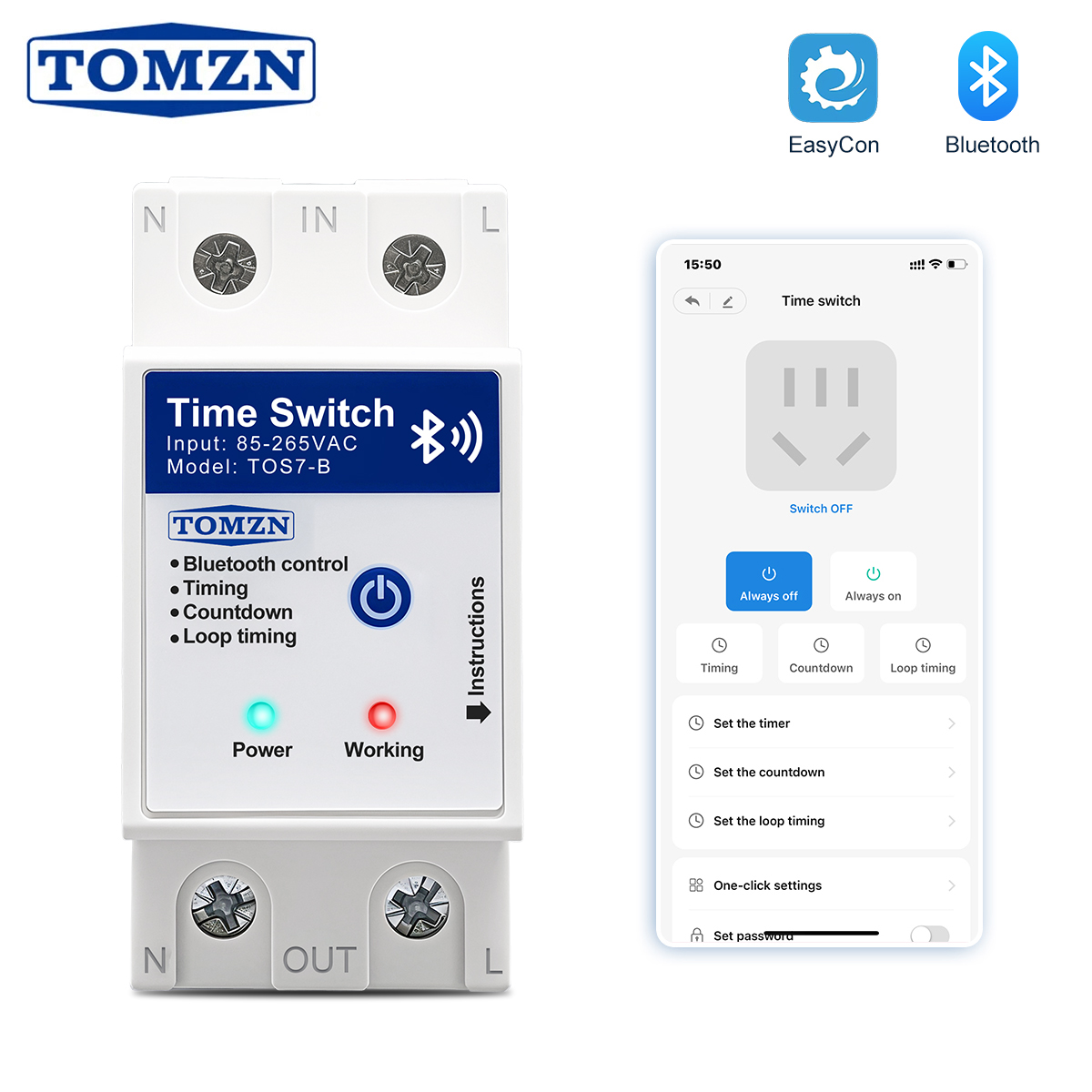
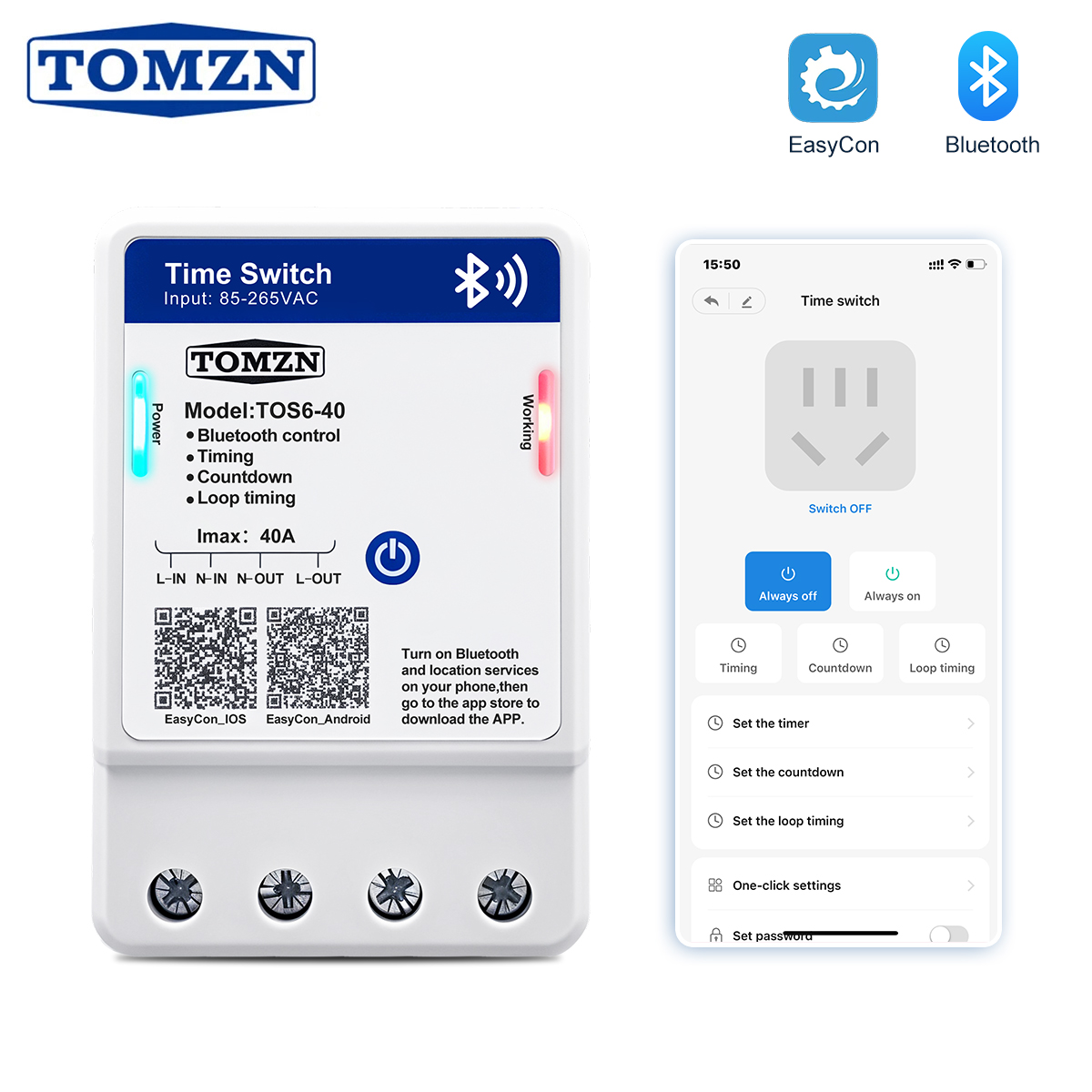
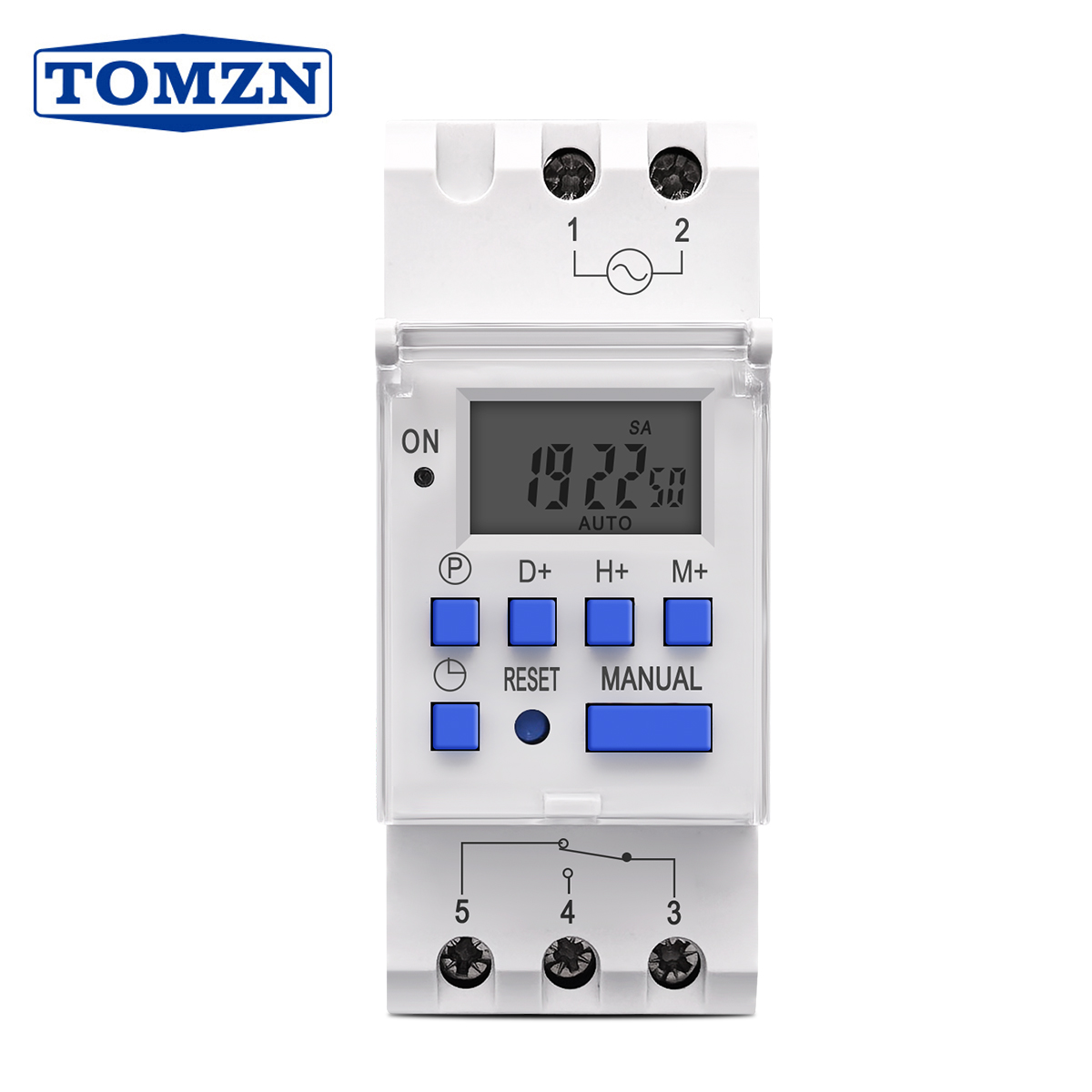
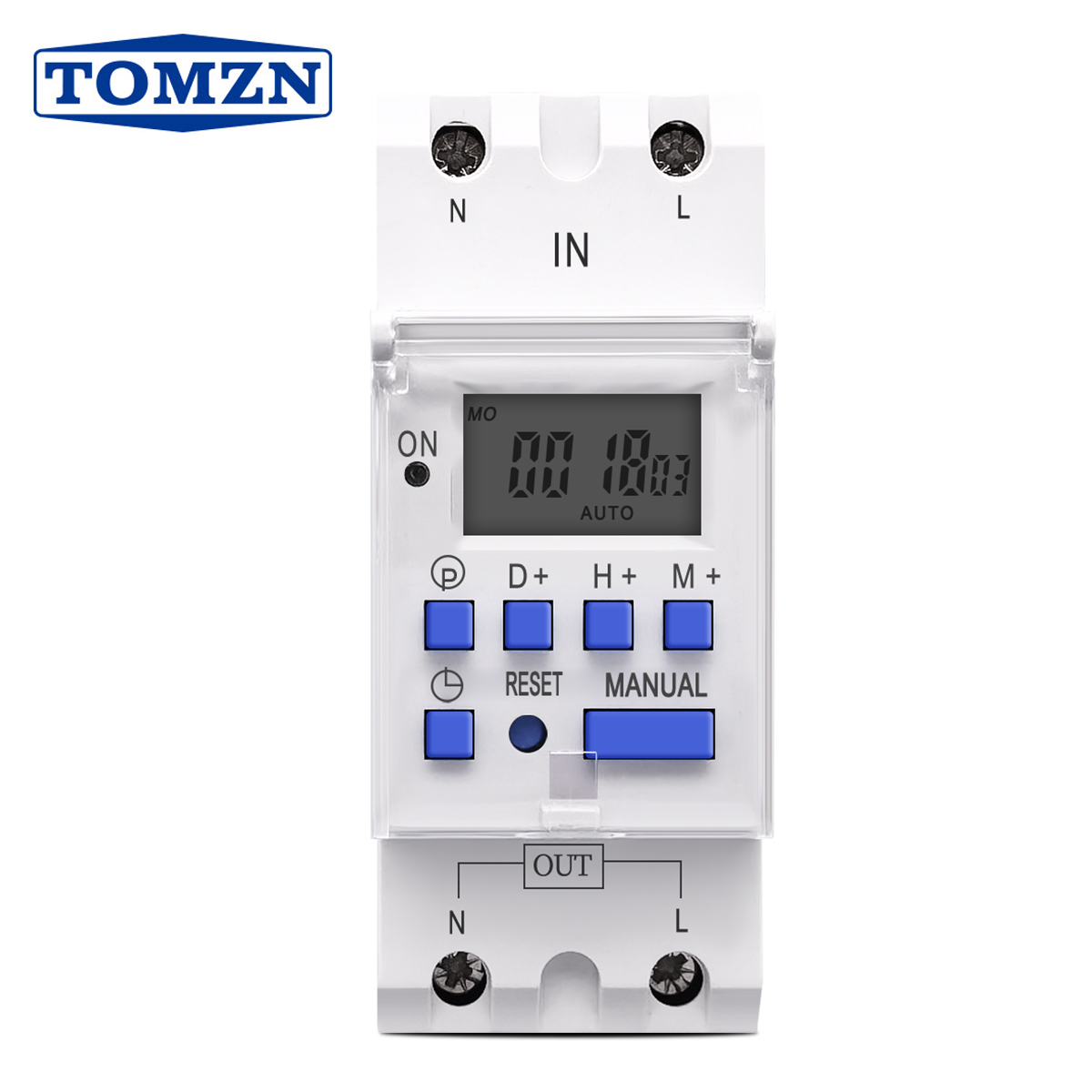
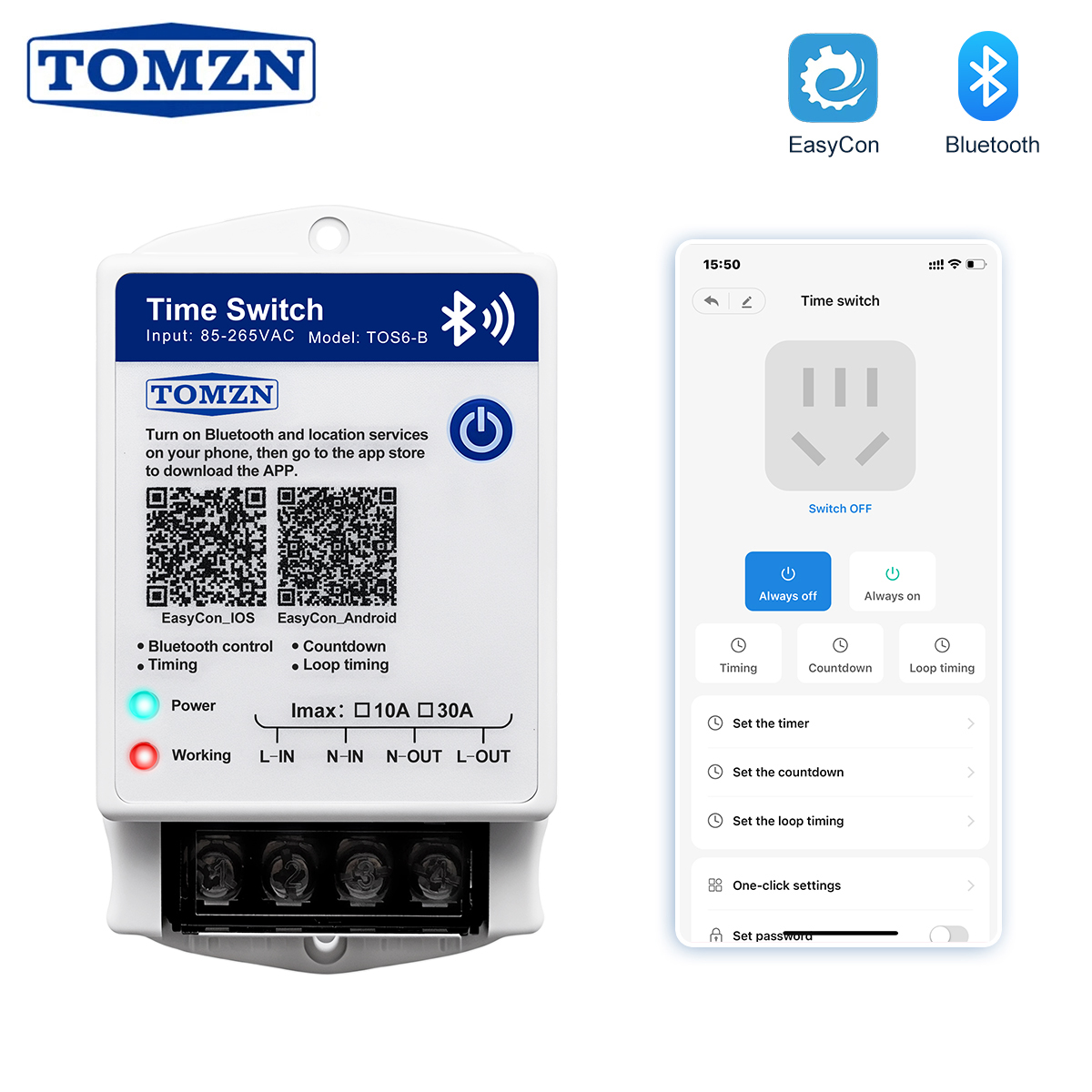
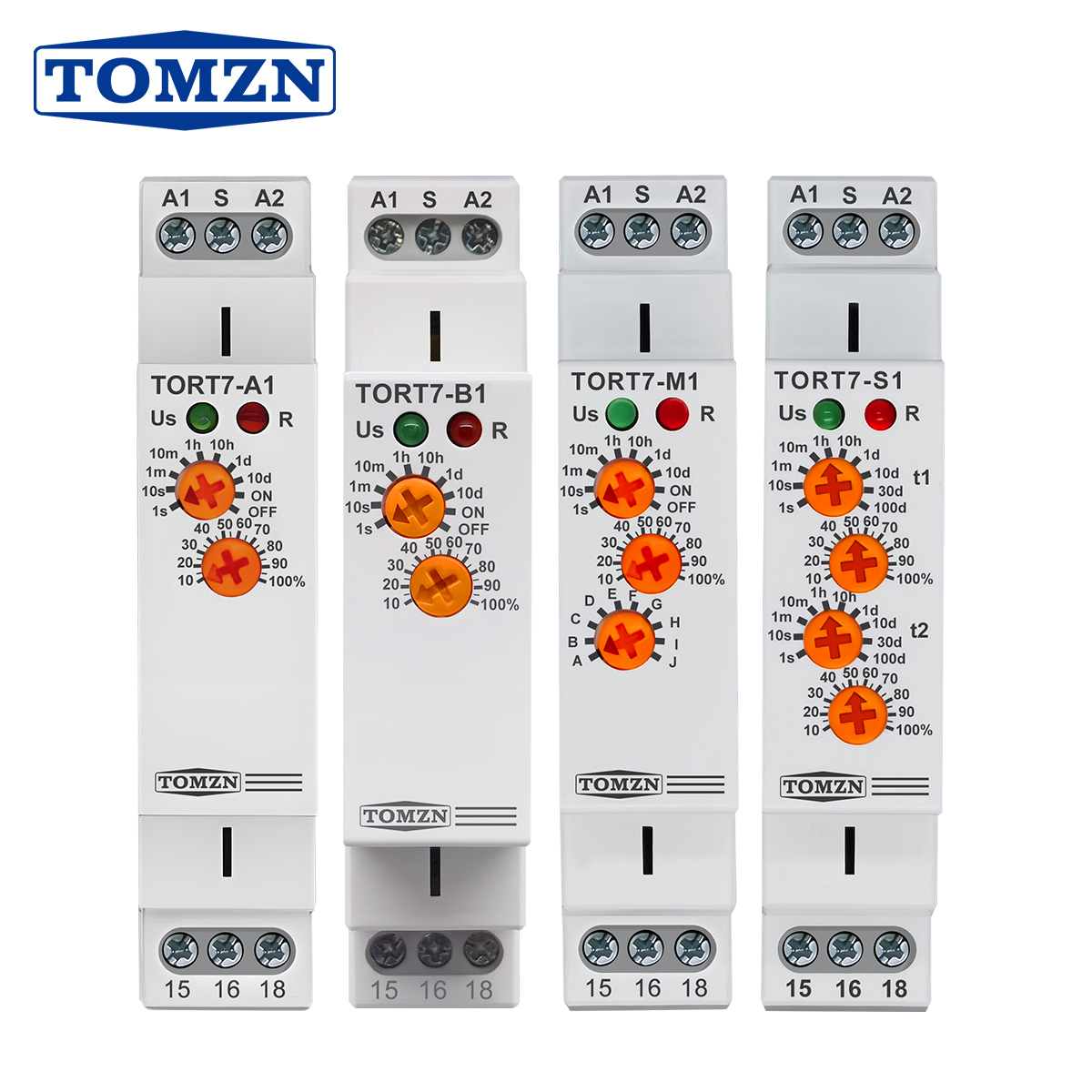
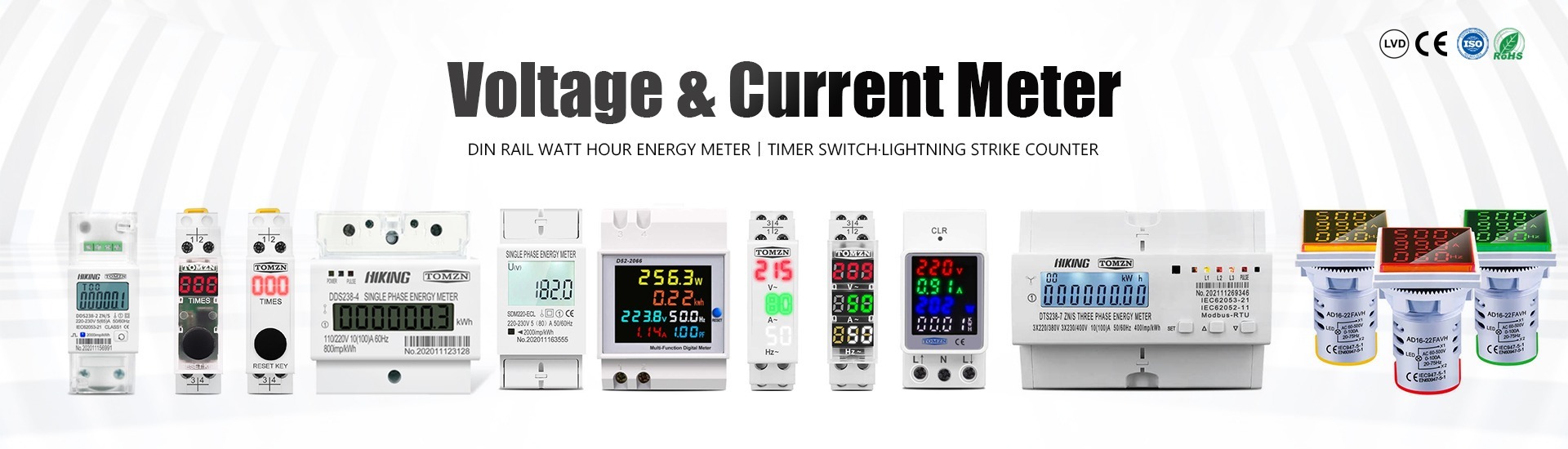
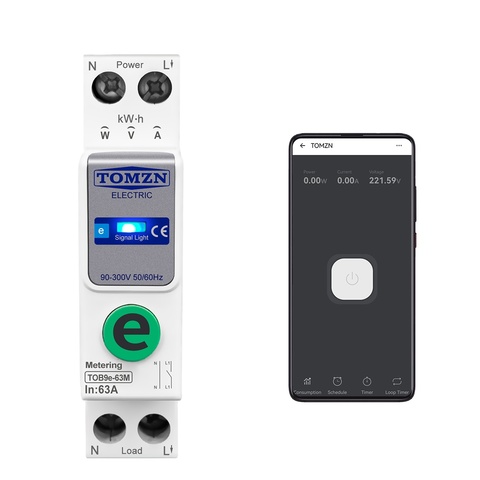
Explore our precision-engineered DIN-rail timers, smart circuit monitors, and secondary metering apparatus calibrated to pair seamlessly with split-core current transformer secondary outputs.
Deploying Split-Core CTs in Havana's Power Ecosystem
Addressing non-invasive retrofit demands, 60Hz frequency fluctuations, and high-salinity ambient operations across Greater Havana.
The Technical Imperative for Split-Core Geometry in Cuban Electrical Infrastructure
In electrical engineering, current transformers (CTs) serve as the indispensable sensory organs of any electrical monitoring and telemetry system, transforming high primary feeder currents into safe, measurable secondary signals (such as 5A, 1A, or safe mV millivolt levels like 333mV AC). However, the primary distribution topology within Havana, Cuba presents distinct operational constraints that render conventional solid-core (toroidal ring) current transformers impractical or cost-prohibitive for retrofit initiatives.
Havana’s commercial hubs—including Old Havana (Habana Vieja), Vedado, Miramar, and the expansive industrial corridor surrounding the Port of Mariel—are largely reliant on aging medium-to-low voltage substations and compact distribution boards. The national utility, Unión Eléctrica (UNE), operates standard primary feeds at 60 Hz with a legacy juxtaposition of single-phase 110V/120V circuits, split-phase 120/240V residential mains, and commercial three-phase 208V/120V or 480V/277V systems. De-energizing primary busbars or unbolting main distribution feeder cables in these environments causes unacceptable interruptions to municipal operations, hotel refrigeration, medical facilities, and industrial manufacturing.
Split-core current transformers eliminate this downtime entirely. By incorporating a mechanical snap-apart magnetic core—utilizing precision-lapped silicon steel laminations or nanocrystalline permalloys with integral latching mechanisms—split-core CTs can be safely clamped directly around energized, live conductors without severing primary electrical connections or disrupting continuous power supply. This non-invasive topology dramatically reduces labor hours, eliminates arc flash hazards associated with cable disassembly, and preserves structural integrity within congested panel boards.
| Core Parameter | High-Permeability Silicon Steel CT | Nanocrystalline / Permalloy CT | Havana Operating Criteria |
|---|---|---|---|
| Primary Current Range | 100A to 5000A AC | 5A to 600A AC | Matched to 63A–800A main service entries |
| Secondary Output | 5A / 1A AC (High Burden) | 333mV / 100mA (Safe Output) | Low-power mV preferred for remote DIN loggers |
| Accuracy Class (IEC 61869-2) | Class 1.0 / Class 0.5 | Class 0.5s / Class 0.2 | Class 0.5s required for commercial billing/auditing |
| Phase Displacement Angle | ≤ 60 to 90 minutes | ≤ 15 to 30 minutes | Low phase shift critical for solar power factor calculation |
| Core Corrosion Protection | Nickel anti-rust plating / Epoxy dip | Hermetic vacuum epoxy encapsulation | Essential to resist high coastal salinity from the Malecón |
| Operating Temperature | -25°C to +75°C | -40°C to +85°C | Enclosures in Havana frequently exceed +50°C ambient |
Localized Application Scenarios in Greater Havana
From heritage colonial renovations to modern off-grid hybrid industrial facilities, see how split-core measurement systems drive operational resilience.
Heritage Buildings in Habana Vieja & Central Havana
Colonial and mid-century architecture across Havana features compact, recessed distribution panels with zero clearance for cable re-routing. Split-core CTs with miniature window apertures (e.g., 10mm to 24mm) enable international restoration teams and Cuban energy auditors to sub-meter historic boutique hotels, restaurants (paladares), and government archives without violating historic preservation codes or risking cable insulation breakdown.
Varadero-Havana Hospitality & Resort Energy Audits
Hospitality facilities along the Playas del Este and Miramar strip operate extensive chiller plants, industrial laundry facilities, and water pump arrays. By deploying split-core current sensors coupled with multi-channel DIN-rail energy meters and digital timer controllers, hotel facilities directors execute sub-circuit load shedding, tracking kW peak demand across laundry and kitchen zones during UNE high-tariff evening windows.
Distributed Commercial Solar PV & Hybrid Storage
With Cuba expanding domestic photovoltaic uptake under renewable development targets, hybrid inverters require zero-export throttling and bi-directional battery power tracking. Clamping 333mV secondary split-core CTs at the grid incomer provides the micro-second telemetry required by hybrid inverters to prevent unauthorized back-feeding into unstable municipal grids while maximizing self-consumption of rooftop solar generation.
Mariel Special Development Zone (ZEDM) Logistics
ZEDM industrial enterprises demand stringent power quality and continuous sub-metering to international ISO 50001 standards. Large rectangular-window split-core CTs accommodate heavy copper busbars (up to 120x80mm) feeding manufacturing plants, distribution warehouses, and cold storage logistics hubs, feeding telemetry back to supervisory SCADA networks via Modbus-RTU gateways.
Automated ATS & Generator Backup Synchronization
Given recurrent grid instability and planned load-shedding schedules in Havana, critical facilities utilize dual-power automatic transfer switches (ATS) paired with auxiliary diesel generation. Split-core CTs monitoring both utility incomer lines and generator emergency busses prevent alternator overload conditions, signaling cyclic timer switches to stagger motor restarts during source transfer.
Municipal Pumping Stations & Agricultural Outskirts
Submersible irrigation pumps and aqueduct booster stations across Artemisa, Mayabeque, and Havana periphery suffer significant motor burnouts from phase unbalance and undervoltage. Integrating current transformers with programmable protective relays isolates pump motors instantly upon phase loss or locked-rotor conditions, protecting scarce mechanical assets.
Havana's Energy Transformation & Future CT Trends
An analysis of regulatory shifts, renewable mandates, and modern sensor technology reshaping Cuban electrical procurement through 2030.
Transition to 333mV Millivolt Standards
Traditional 5A secondary outputs carry catastrophic high-voltage arcing hazards if open-circuited while primary current flows. Havana panel retrofits are pivoting rapidly toward 333mV safe secondary outputs equipped with built-in TVS transient clamping diodes, ensuring that disconnected secondary leads pose zero shock or fire hazard to local electricians.
Decentralized Solar & Net-Metering
As Cuban decree-laws incentivize self-generation across state and non-state economic actors (MIPYMES), bidirectional split-core CTs are vital to monitor energy flows. Split-core sensors enable real-time tracking of exported vs. imported kilowatt-hours, facilitating accurate billing reconciliation and grid injection management.
Sub-Metering in Non-State Enterprises (MIPYMES)
The explosive growth of private workshops, bakeries, cold storage facilities, and small manufacturing cooperatives in Havana has amplified sub-metering demand. Property owners deploy multi-point split-core sub-meters to allocate operational energy costs among tenants without replacing entire legacy switchboards.
Tropicalized Anti-Fungal Enclosures
Procurement managers across Havana now demand UL94-V0 rated flame-retardant thermoplastics treated with anti-fungal and UV-stabilized additives. Standard off-the-shelf plastic cases degrade rapidly in unconditioned electrical cupboards in the Caribbean, demanding reinforced structural polycarbonates.
Engineering Excellence by Zhejiang TMB Electric Co., Ltd.
With 24 years of specialized manufacturing experience in low-voltage electrical protection, switching, and metering devices, Zhejiang TMB Electric Co., Ltd. serves as an authoritative B2B partner for electrical contractors, panel builders, and import consortiums targeting Havana and the broader Caribbean basin.
Havana B2B Procurement & Engineering FAQ
Key technical, regulatory, and logistics answers for enterprise purchasers and engineers specifying split-core current transformers in Cuba.
What are the key technical differences when specifying CTs for Havana's 60Hz grid versus European 50Hz networks?
How does high ambient coastal salinity in Havana impact split-core CT performance, and how is it mitigated?
Can split-core CTs be safely installed on live conductors without shutting down the facility?
What documentation and certifications are required for customs clearance and installation in Cuban state projects?
What are the minimum order quantities (MOQ) and lead times for shipping to Cuba?
How do I size the internal window aperture of a split-core CT for existing Havana wiring?
Can TMB split-core CTs be paired with third-party sub-meters, data loggers, and inverters already on site?
Do you offer OEM private labeling and customized lead wire configurations?
Accelerate Your Electrical Projects in Havana
Whether you are engineering a non-invasive hospital sub-metering retrofit, integrating commercial solar arrays, or equipping an industrial switchboard in Mariel, consult directly with our technical application engineers.