
TORT7 Series Delay-ON Delay-OFF 10in1 Asymmetric Cycler Time Relay
0.1S-10D Range
Pulse Gen
Multi-function
Explore Specifications →
Engineered for mission-critical industrial panels in Kobe, combining stable low-voltage DC bus regulation, millisecond time automation, and surge containment.
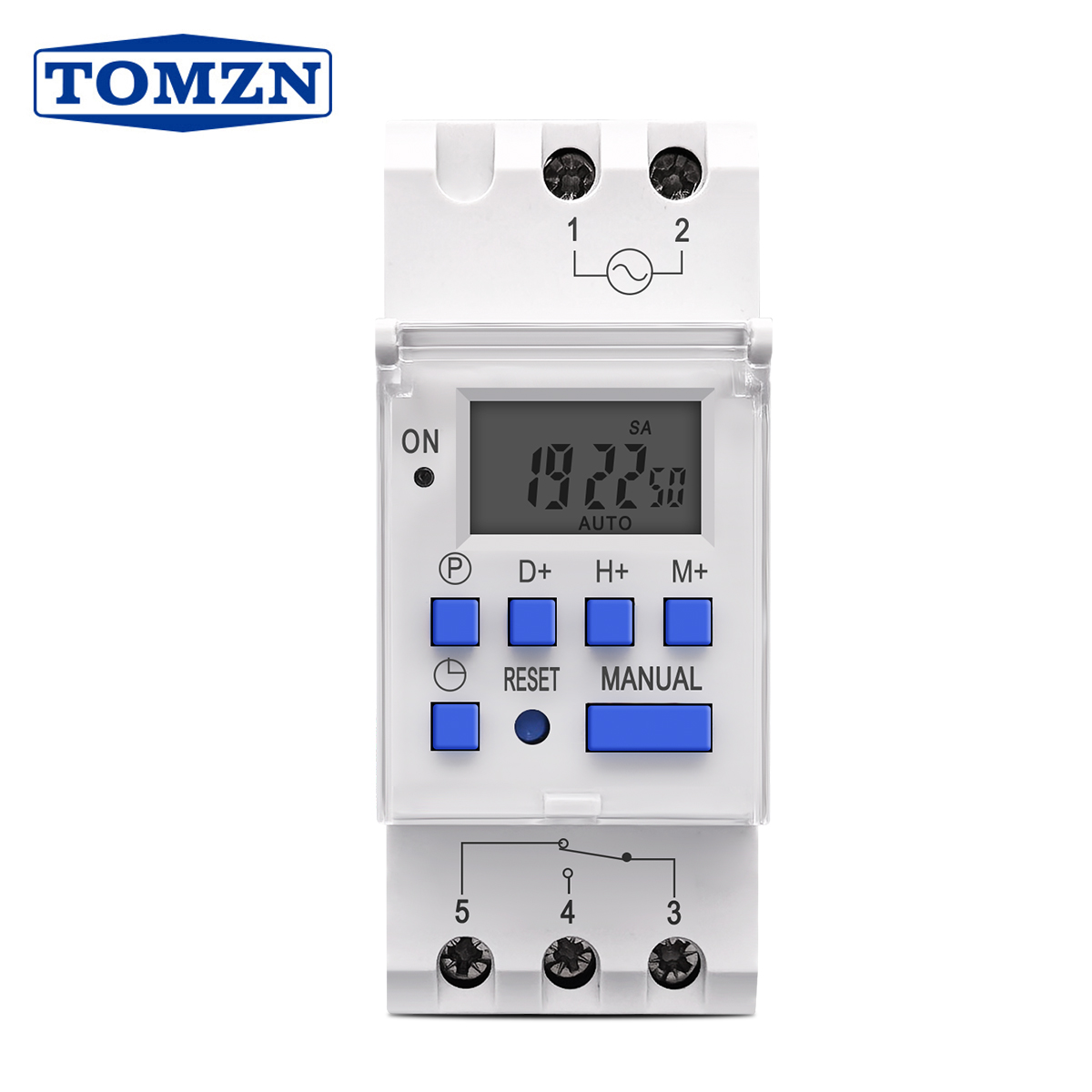

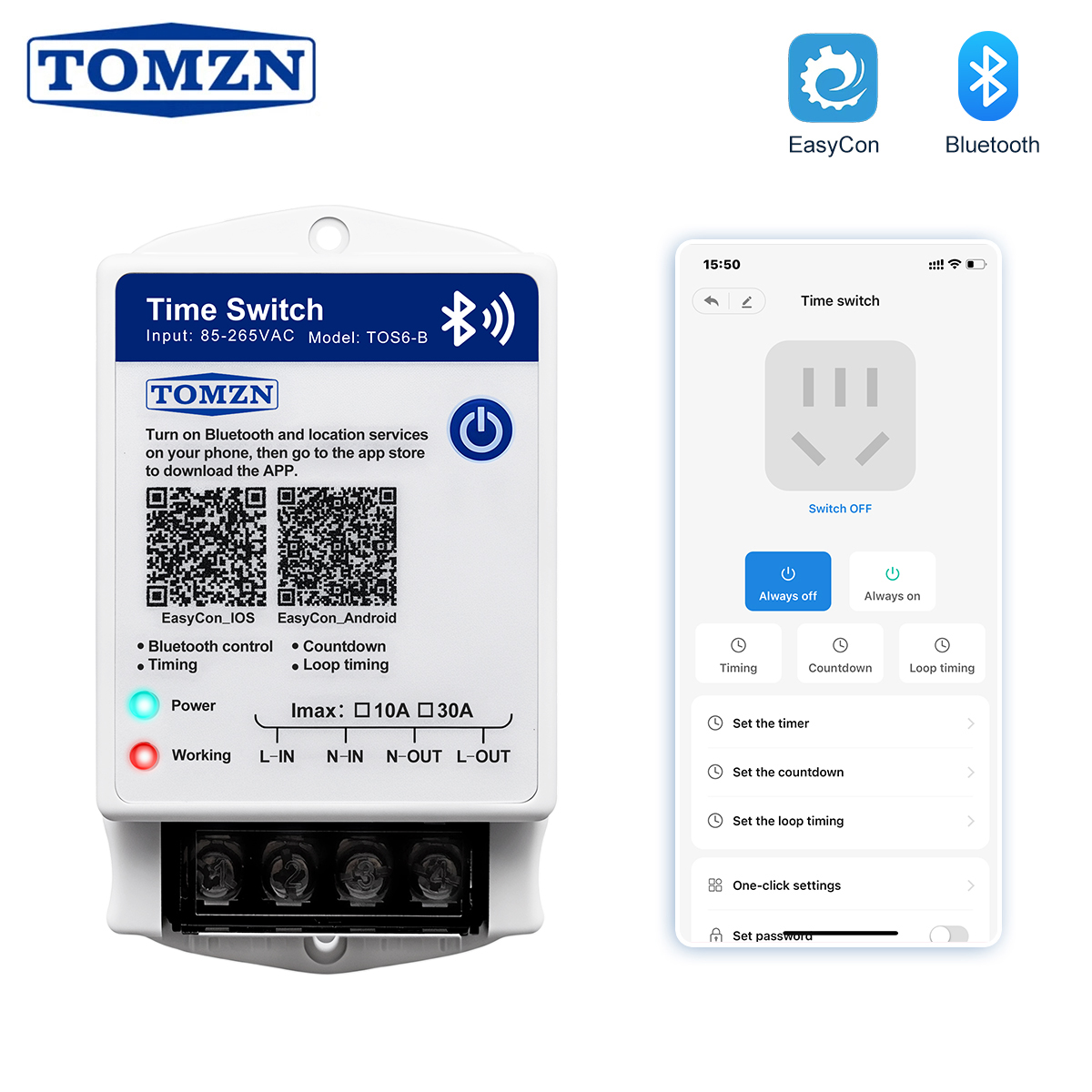
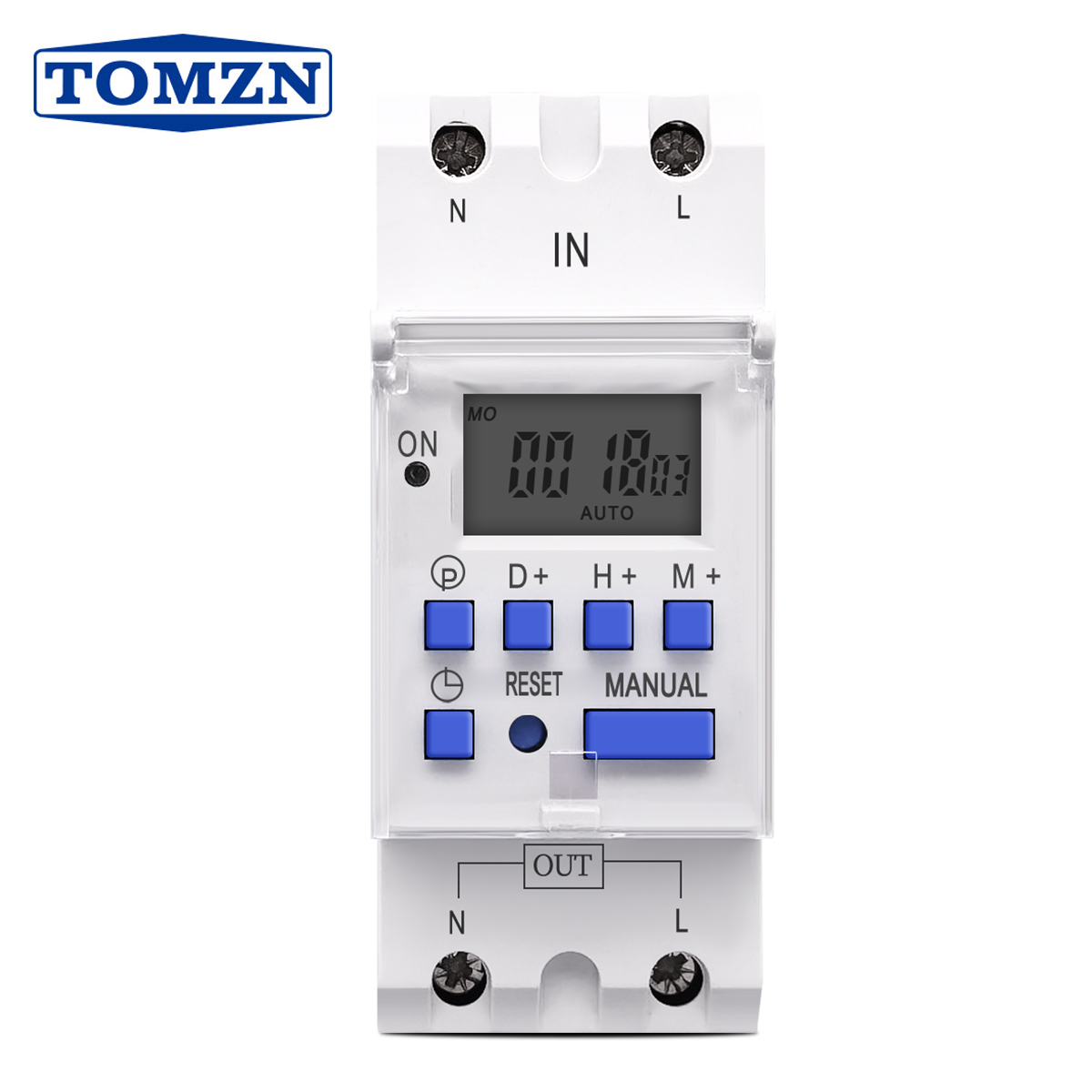


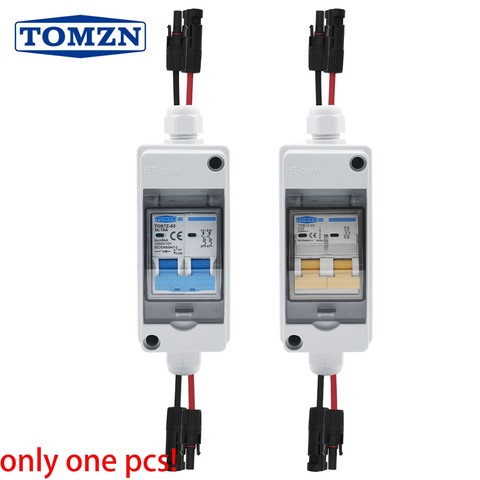
The Kansai economic belt, with Kobe Port and the Hanshin Industrial Region at its nexus, maintains stringent, multi-tiered power delivery demands. As factories transition to Industry 4.0 automation and ports upgrade to carbon-neutral cold-ironing systems, switching power supplies (SPS) and DC switchgear are no longer viewed merely as transformers—they are foundational to system resilience, noise rejection, and energy optimization.
Deploying switching power solutions in Kobe requires mastering several critical localized electrical variables: dual utility frequencies across western Japan (typically 60Hz), maritime salt fog corrosion along the coastal strip of Chuo-ku and Nada-ku, and seismic resilience mandates calibrated against the Great Hanshin Earthquake legacy standards. The intersection of these environmental factors necessitates an engineering approach that prioritizes heavy-duty DIN-rail mounting integrity, hermetically sealed potting compounds, Class B conducted electromagnetic interference (EMI) suppression, and broad input tolerances spanning 85V AC to 265V AC.
| Industrial Requirement | Standard Commercial Supply | TMB Engineered Industrial Solution | Kobe Operational Advantage |
|---|---|---|---|
| Seismic Mechanical Integrity | Friction clip-on snap fits; soldered lead stress | Reinforced 35mm DIN-rail locking jaws, anti-vibration screw terminals | Resists micro-fissuring during high-vibration port crane operations and seismic tremors. |
| Galvanic Isolation & Marine Humidity | 1.5kV AC dielectric rating; standard FR4 board | 3.0kV AC to 4.0kV AC isolation, conformal silicone coated PCB surface | Prevents electrochemical migration and dendrite growth in hyper-saline Kobe port environments. |
| Electromagnetic Immunity (EMC) | CISPR 32 Class A compliance | EN 55032 Class B, IEC 61000-4-5 Level 4 surge suppressors integrated | Protects low-signal PLCs and medical robotics deployed along Port Island's R&D cluster. |
| Thermal De-rating Thresholds | De-rates sharply past 40°C, fan required | Convection cooled, full load capacity up to 55°C, wide operating window (-25°C to +70°C) | Eliminates forced-air dust intake inside sealed stainless steel outdoor automation kiosks. |
Targeted solutions developed for specific operational stresses found in Kobe's primary economic zones.
Automated Guided Vehicles (AGVs) and shore-to-ship crane consoles operate continuously under salty breezes and rapid cyclic load changes. Switched-mode power components power auxiliary PLC clusters, optical LiDAR scanners, and telemetry gear.
Kobe’s pilot projects along Port Island and industrial parks demand ultra-low ripple DC power architectures for electrolyzer sequencing, cryogenic valving actuators, and real-time gas monitoring arrays.
In the heavy manufacturing facilities of Hyogo Prefecture, servo drive kickback and high inductive kick surges pose catastrophic risks to delicate logic boards. Our isolated power stages safeguard sensitive microcontrollers.
Strategic transformation paths impacting industrial procurement throughout Hyogo and Kansai.
Next-generation switching converters in Kobe are shifting toward GaN and Silicon Carbide (SiC) semiconductors, yielding 94%+ energy efficiency while halving transformer coil volumes to fit shallow Japanese panel enclosures.
Isolated switching units now routinely integrate with Bluetooth/WiFi telemetry (such as the EasyCon protocol) to send real-time watt-hour metrics, ambient heat levels, and runtime analytics directly to facility SCADA platforms.
Driven by regional carbon footprint goals, factories are decoupling from centralized AC grids in favor of localized 380V / 48V DC microgrid buses, combining rooftop solar arrays, battery racks, and DC-rated power transfer gear.
Decades of localized component depth from Liushi Town, delivered with verified international compliance.
Situated in Liushi Town, Wenzhou—China's low-voltage electrical capital. Our 5,700 m² factory operates in close proximity to specialized metallurgy, precision plastic moulding, and coil winding ecosystems, enabling fast-turn tooling and dependable component traceability.
Our entire workflow has undergone extensive on-site supplier verification by TÜV Rheinland. Production protocols feature six defined audit stages: incoming bimetal/contact metallurgical validation, automated trip calibration, dielectric isolation tests, and final burn-in loads.
We respect Japanese prototyping and pilot assembly requirements. Starting with trial orders as low as 5 pieces, we provide comprehensive private labeling, custom pinout topologies, customized DIN housings, and matched PV combiner box wiring configurations.
Clear, technical explanations addressing compliance, electrical integration, and global supply logistics.
Consult with our applications engineering department. We evaluate one-line schematics, power budgets, and custom enclosure specifications, returning actionable technical models and competitive factory-direct quotations.