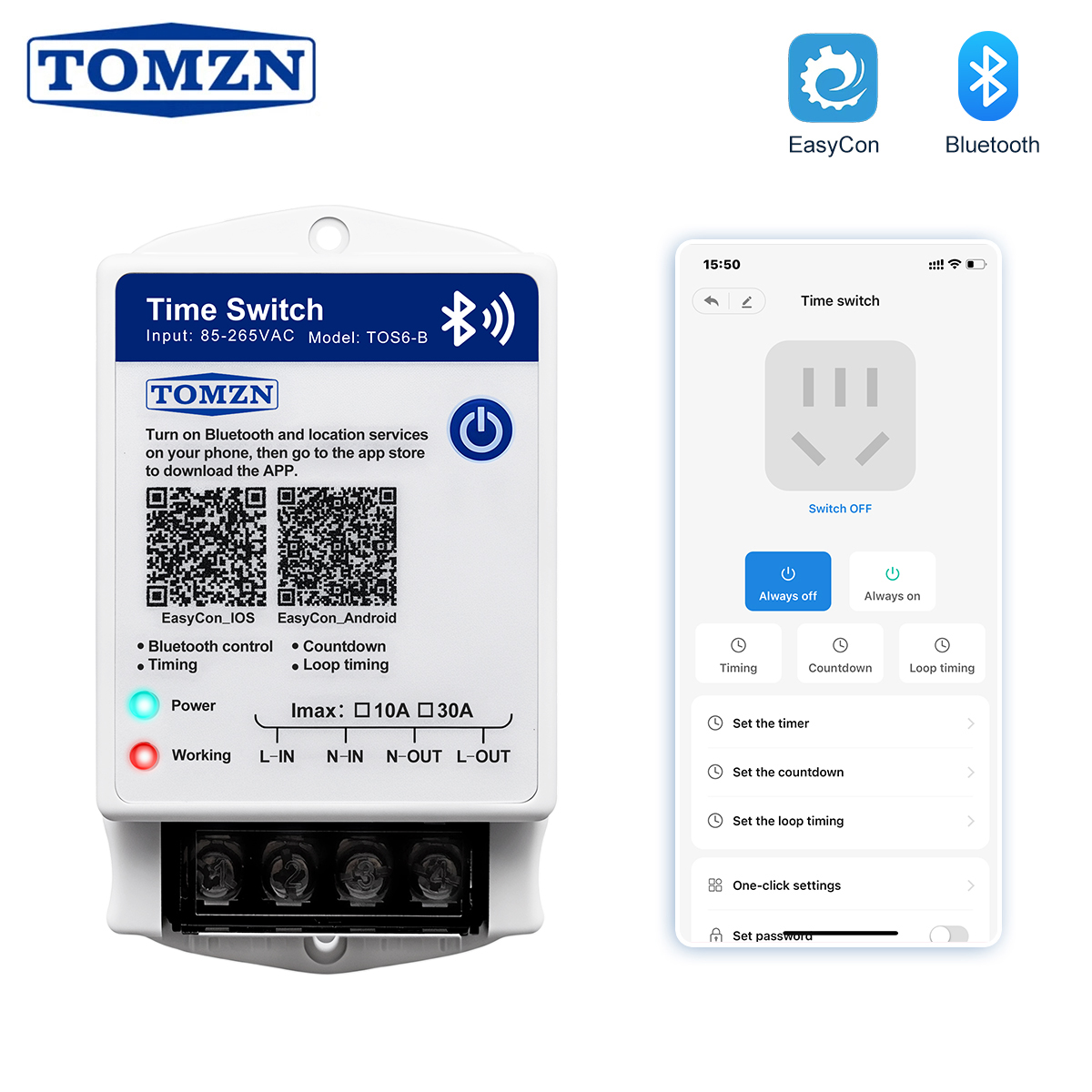
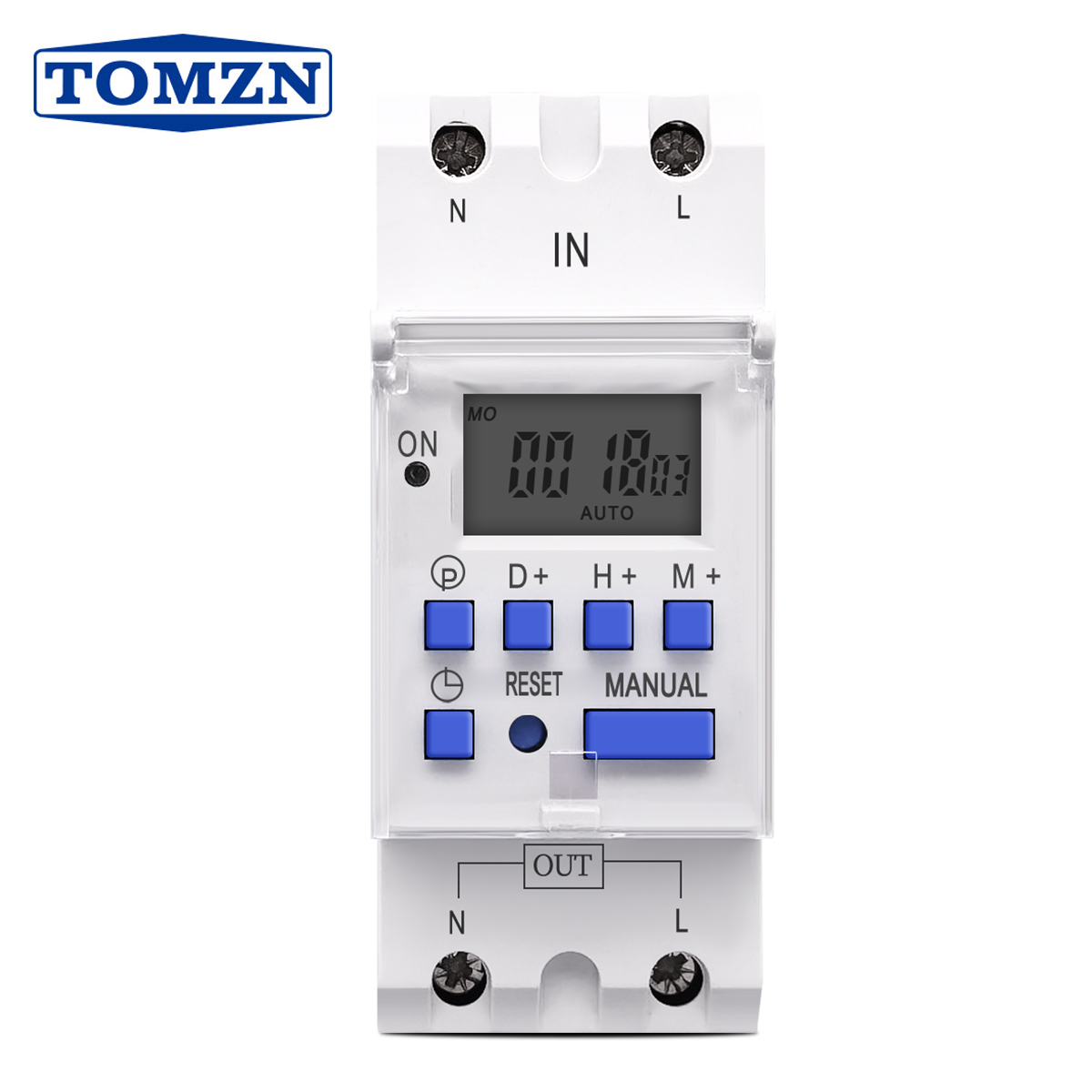
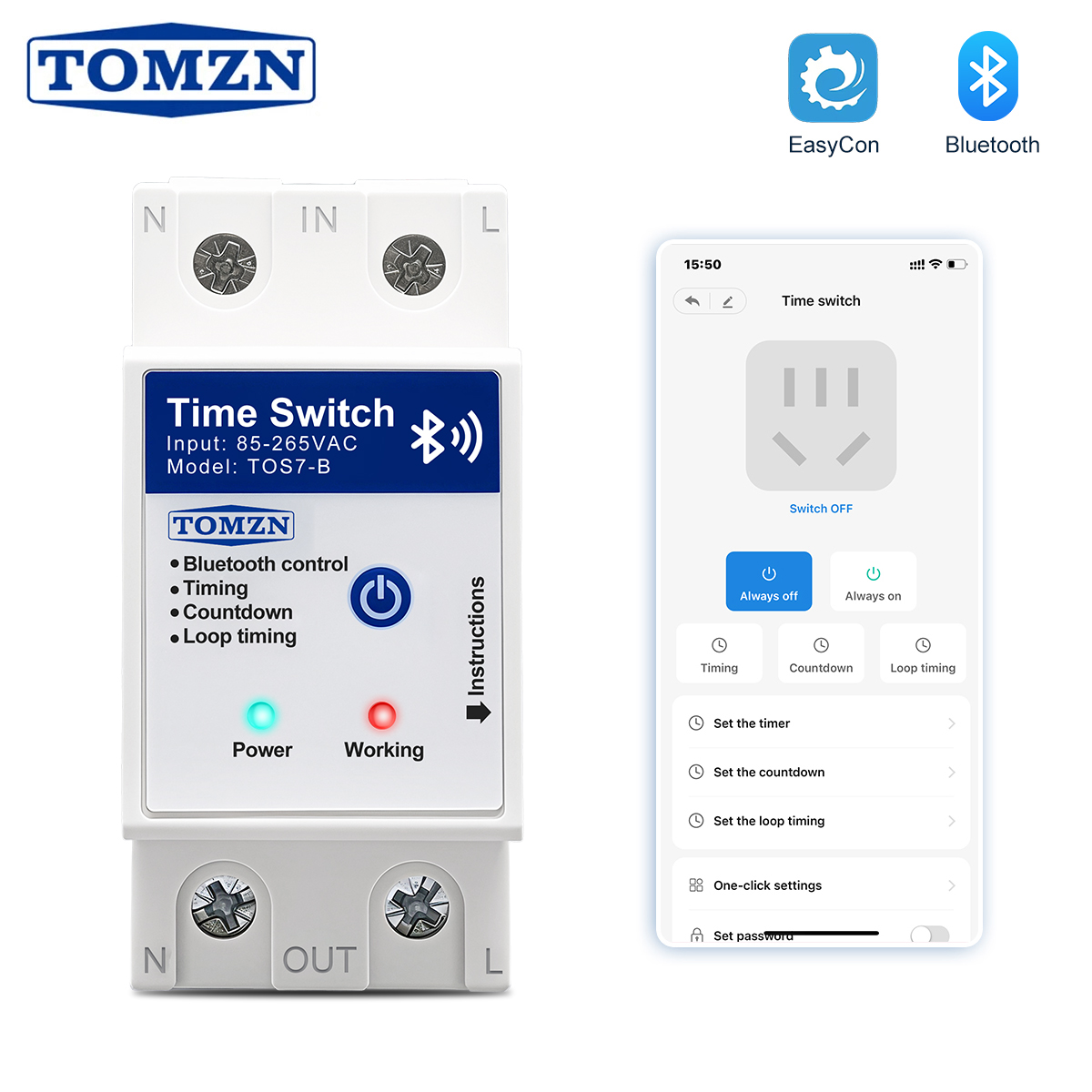
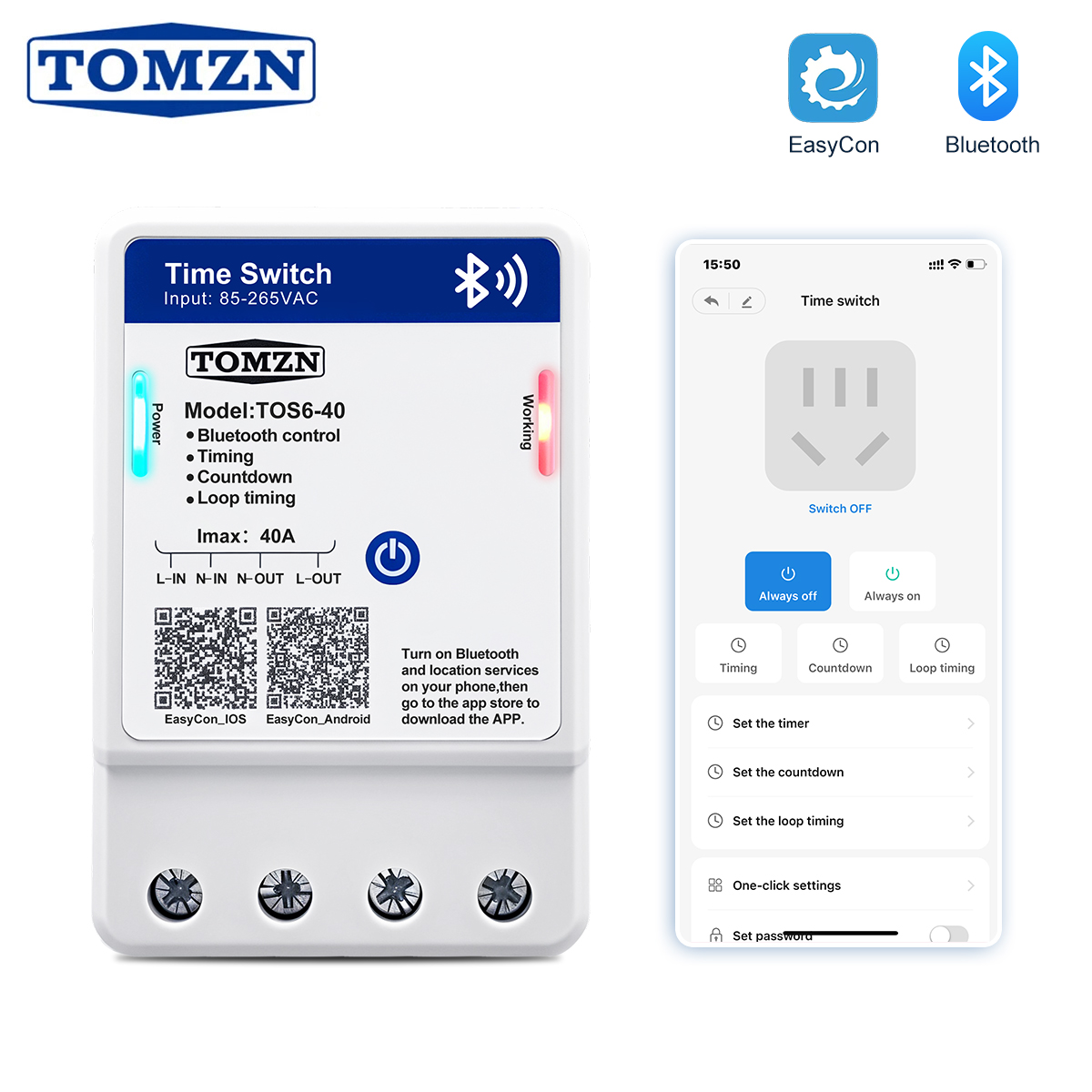
TOMZN Bluetooth Smart Timer Switch 85-265VAC 10A 30A EasyCon Wall-mounted Countdown 28 Groups Timing Loop Timing
AC 85–265V | 10A/30A | App Integrated Duty Cycling
Inquire Now
Verified DIN-rail assemblies and electronic monitoring devices matched with contactors for robust motor protection across Edmonton manufacturing facilities, pump jacks, and HVAC infrastructure.
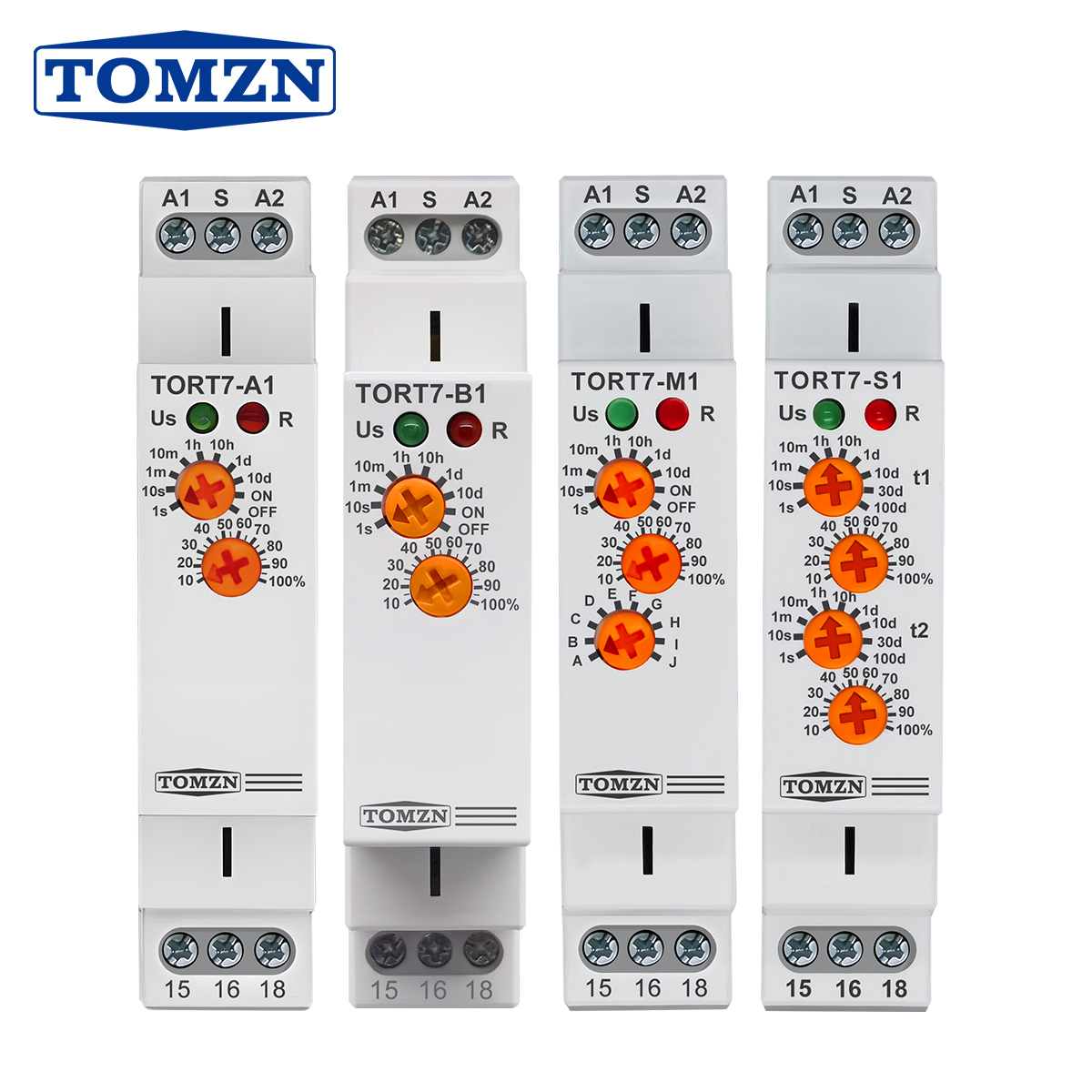
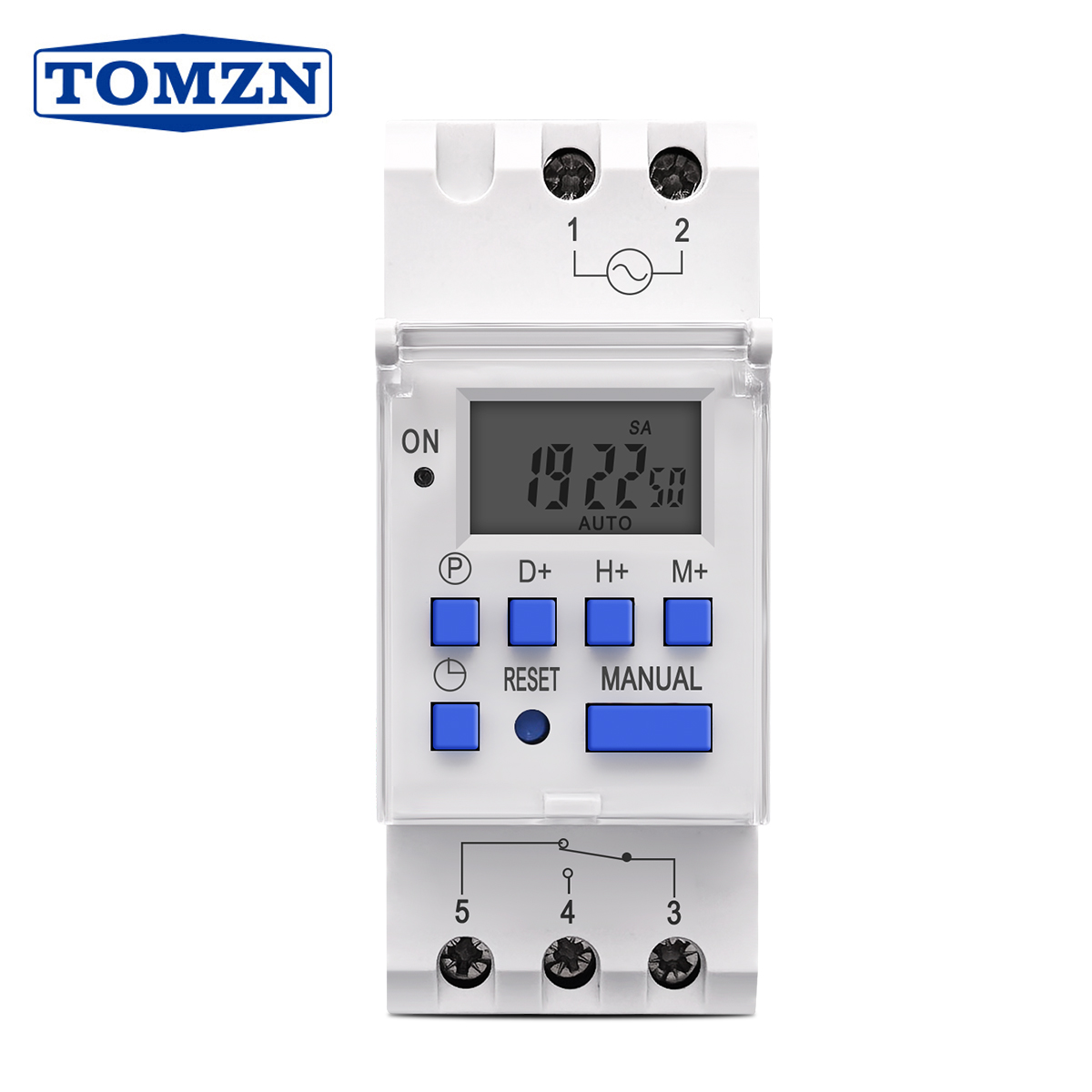
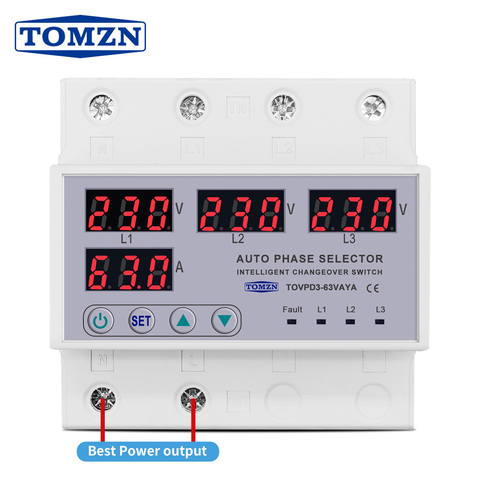
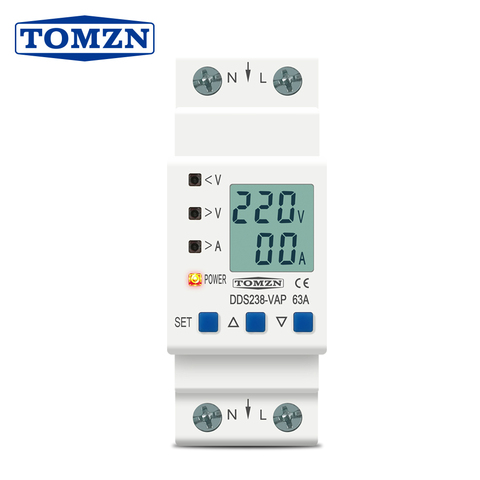
A rigorous examination of bimetallic trip physics, ambient temperature compensation under the Canadian Electrical Code (CEC), and phase-failure mitigation in heavy oil sands and manufacturing loads.
In Greater Edmonton, Nisku Industrial Park, and the industrial heartland around Fort Saskatchewan, electric induction motors operate under environmental conditions rarely seen in standard manufacturing basins. The thermal overload relay (TOR) represents the first line of defense for three-phase motors driving centrifugal slurry pumps, hydraulic power units, drill rigs, conveyor lines, and heavy HVAC blowers. While short circuits are handled upstream by molded case circuit breakers (MCCB) or fast-acting fuses, running overloads (105% to 600% Full Load Amperage) demand electrothermal modeling that reflects the true thermal limits of motor windings.
Uncompensated bimetallic relays installed inside unheated outdoor enclosures in Edmonton (-35°C in January) will artificially stay cold, failing to trip when the motor inside a heated building is burning out. Conversely, control cabinets exposed to solar radiant heating during July heatwaves (+32°C) cause nuisance tripping. Our relays utilize reverse-deflecting bimetallic compensating strips that isolate motor heat dissipation from cabinet ambient temperatures, maintaining strict trip threshold curves from -40°C through +70°C.
Specifying engineers in Alberta must evaluate motor starting inertia (WK²) to prevent nuisance tripping during across-the-line starts without sacrificing locked-rotor thermal damage margins (I²t limits dictated by NEMA MG-1 and IEC 60947-4-1). Selecting the incorrect trip class leads to either premature contactor cycling or stator insulation degradation.
| Trip Class (IEC / NEMA) | Tripping Time @ 7.2 × Ir (Locked Rotor) | Typical Edmonton Industrial Applications | Recommended Relay Mechanism |
|---|---|---|---|
| Class 10 / 10A | 2 to 10 seconds | Centrifugal pumps, commercial air handling units, machine tool spindles, standard conveyor belts. | Direct-heated bimetallic element with ambient compensation strip; 1NO+1NC auxiliary. |
| Class 20 | 6 to 20 seconds | Industrial compressors, mud pumps, slurry agitators, positive displacement blowers in refinery sumps. | Bimetal with saturable current transformer coupling or electronic microprocessor relay. |
| Class 30 | 9 to 30 seconds | High-inertia centrifugal extractors, mining crushers, shredders, ball mills in oil sands extraction. | Electronic programmable motor protection relay with full I²t thermal memory models. |
In three-phase delta-connected motors operating on 480V or 600V distribution common across Alberta, an open phase creates asymmetric current spikes in remaining windings. Standard dual-bimetal units fail to detect current starvation rapidly enough, leading to catastrophic local heating. Our relays integrate a differential trip slider mechanism: when one bimetal fails to heat while two expand, the mechanical differential trips the auxiliary disconnect in under 3 seconds, preserving motor winding integrity.
From petrochemical processing to agri-food automation, discover how our thermal overload assemblies perform across Edmonton's leading industries.
Deployed in Strathcona County refineries and Nisku oilfield fabrication shops. Resists corrosive hydrogen sulfide traces and ambient outdoor chill while shielding heavy crude transfer pumps, hydrocarbon transfer lines, and explosive-gas rated compressor skids against mechanical binding overloads.
Installed across grain terminals, malting facilities, and temperature-controlled logistics centers along the Yellowhead corridor. Integrated differential mechanisms handle frequent cycling of augers, cooling fans, and sorting conveyors where frost buildup imposes extreme mechanical resistance.
Safeguarding variable speed drives and bypass motor circuits within EPCOR-serviced municipal pumping networks and district energy centers. Auxiliary NO/NC signal contacts integrate directly with SCADA RTUs for predictive maintenance and remote reset management.
How Alberta’s carbon transitions, electrification, and modern Canadian safety codes are reshaping thermal overload relay requirements.
Panel builders in Edmonton are transitioning away from passive, unmonitored bimetals. Incorporating intelligent timing relays and energy measurement sensors allows facilities engineers to track thermal loading trends over Bluetooth and cloud dashboards before a shutdown occurs.
Tightening CSA C22.1 standards demand isolated control compartments. Contemporary installations prefer DIN-rail mounted starters with finger-safe IP20 terminals, clear trip indicator flags, and external manual trip actuators that reduce cabinet access needs.
Extreme winter thermal contraction followed by high-current heating cracks cheap housing thermoplastics. High-grade, glass-filled polyamide compounds with UL94-V0 self-extinguishing ratings are now mandatory specifications for Alberta EPC projects.
Combining 24 years of manufacturing heritage, TÜV Rheinland on-site audit credibility, and Liushi low-voltage supply chain efficiency.
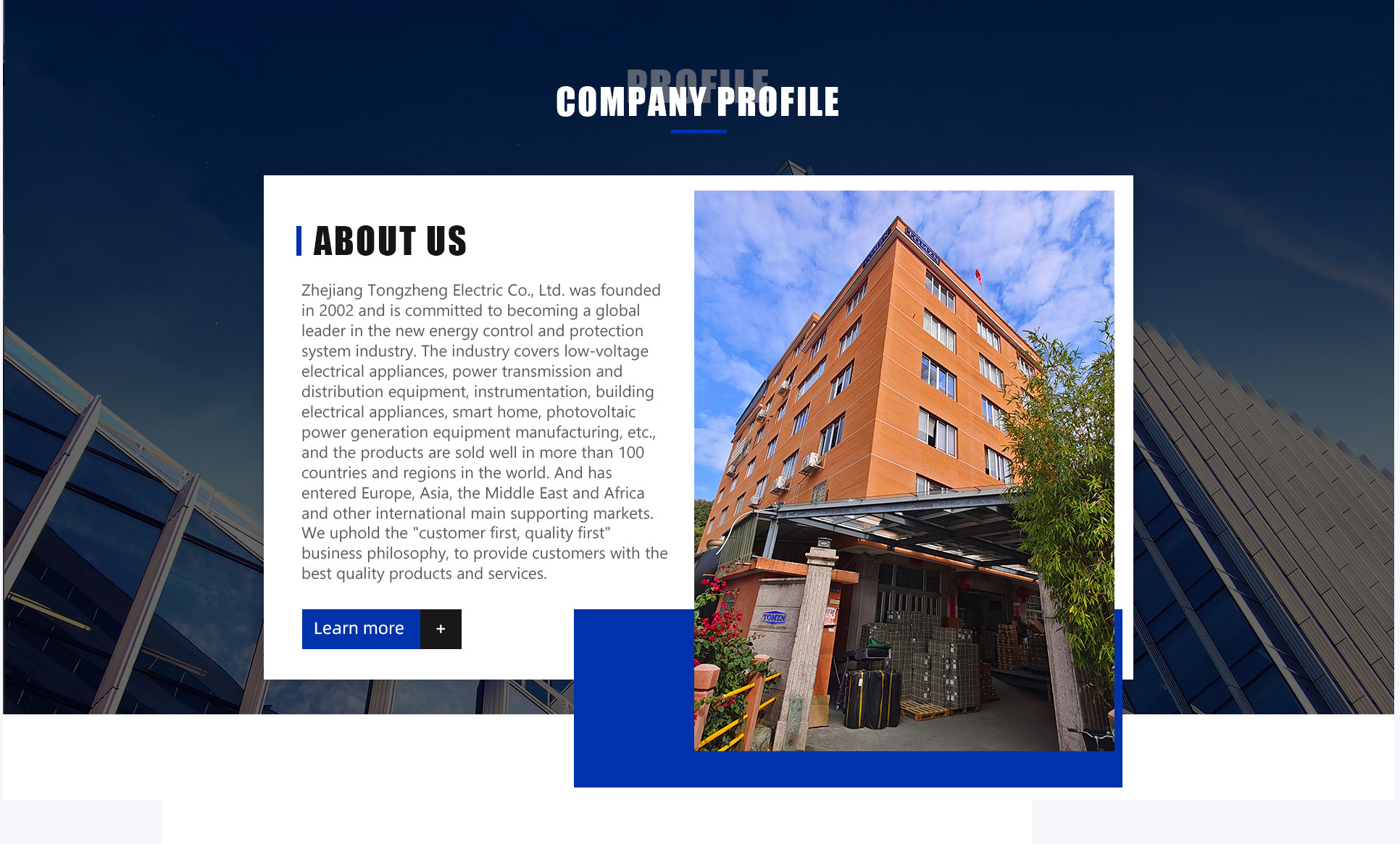
Two decades of dedicated switchgear research, producing high-reliability motor controls, MCB, MCCB, and timer switches with deep precision calibration.
Independently audited manufacturing facility with 92 verified staff, ISO9001 certified quality management, and strict incoming material testing.
Located in the heart of China’s electrical capital, guaranteeing direct access to high-purity copper terminal stamping, silver contact sintering, and custom molding.
Standard models ship with low trial MOQ (from 5 pcs), private labeling, custom calibration scales, and custom pre-assembled motor starter control boxes.
Technical clarifications on standards alignment, cold-weather sizing, and ordering logistics.