Featured Low-Voltage Protection Devices for Oman Distribution Systems
Precision-tested breakers, intelligent timing relays, and rapid transfer assemblies engineered to withstand extreme thermal sags, harmonic overloads, and high-frequency switching cycles across Sohar industrial switchboards.
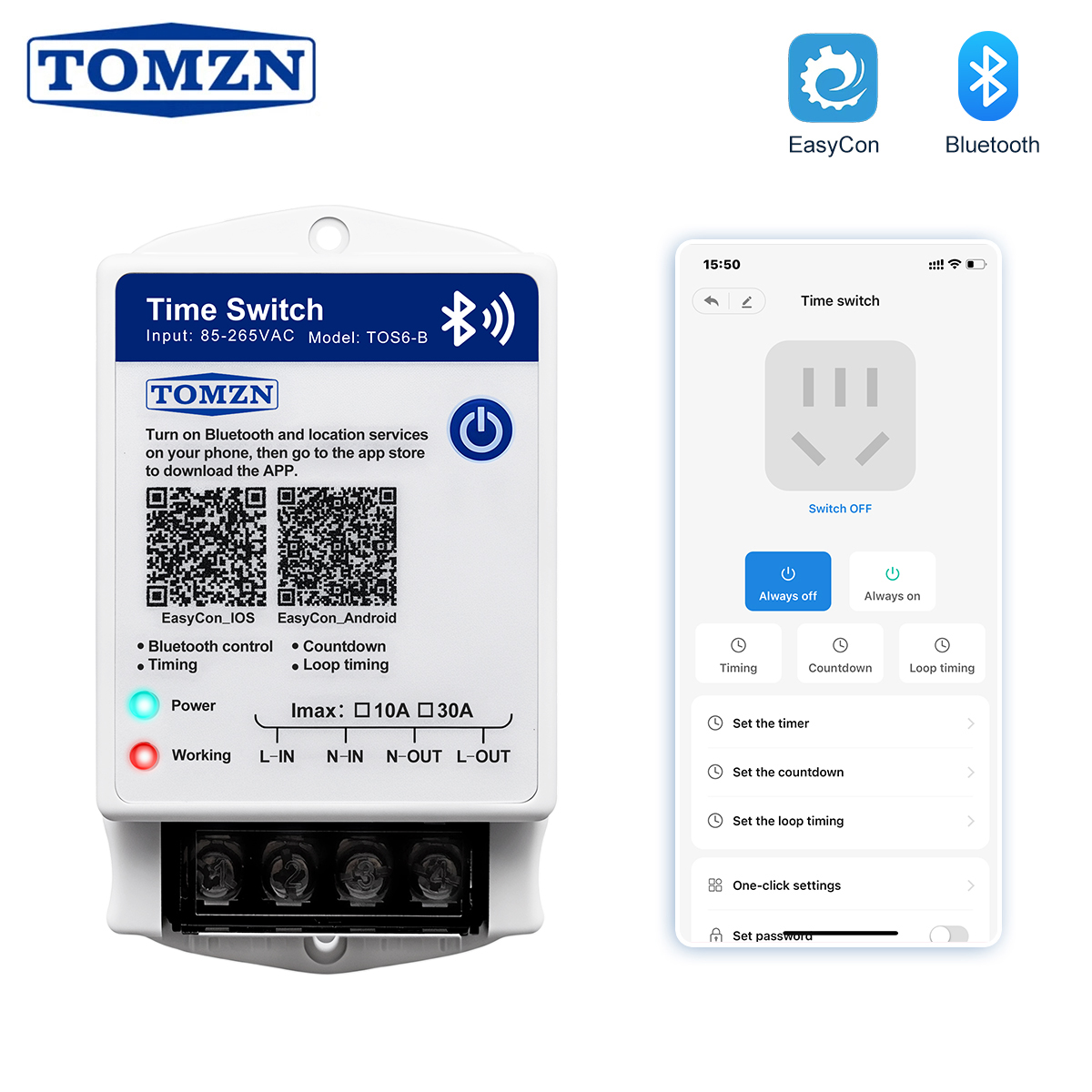
TOMZN Bluetooth Smart Timer Switch 85-265VAC 10A 30A EasyCon Countdown 28 Groups Timing
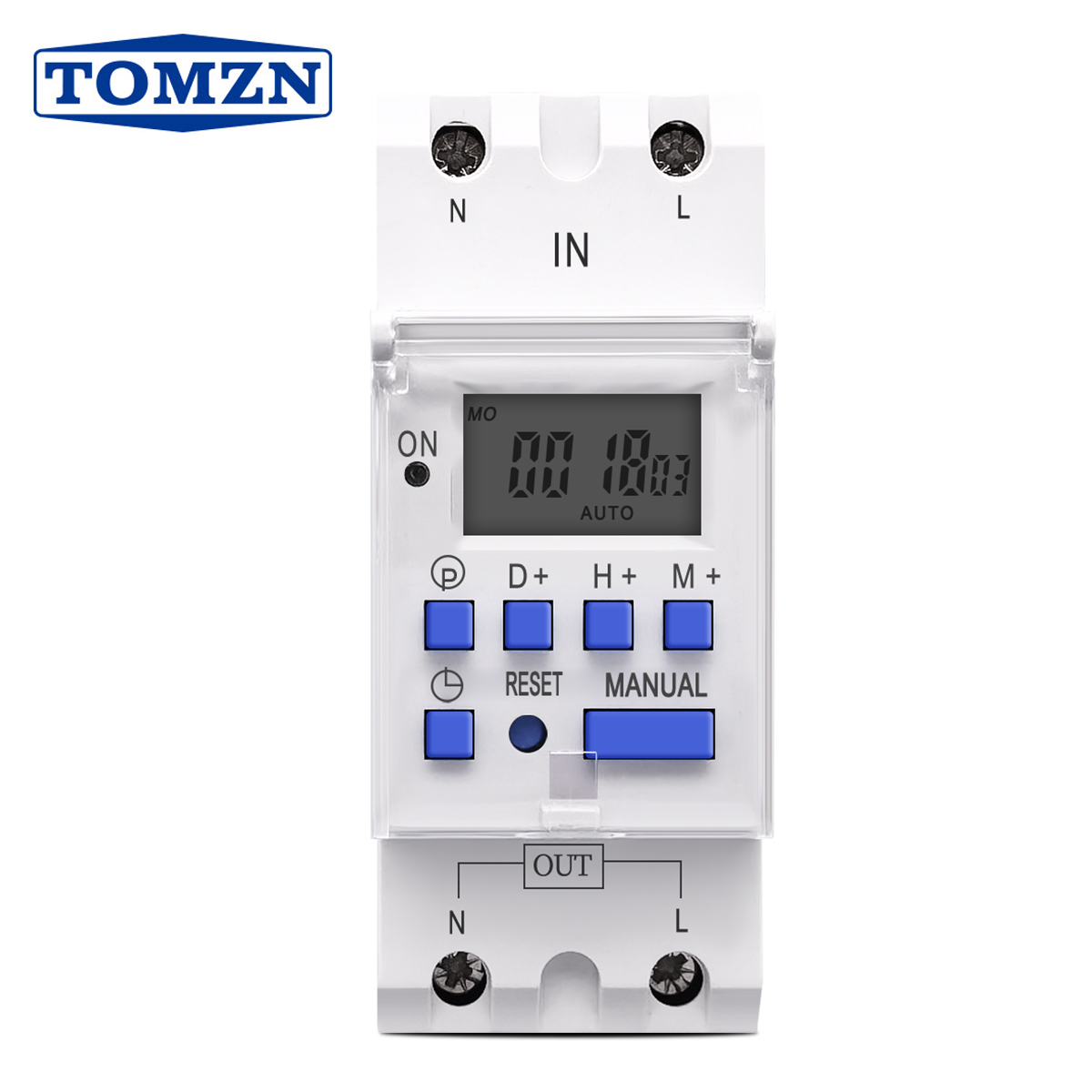
TOMZN DIN Rail Single Phase Weekly 7 Days Programmable Digital Time Switch Relay 16A
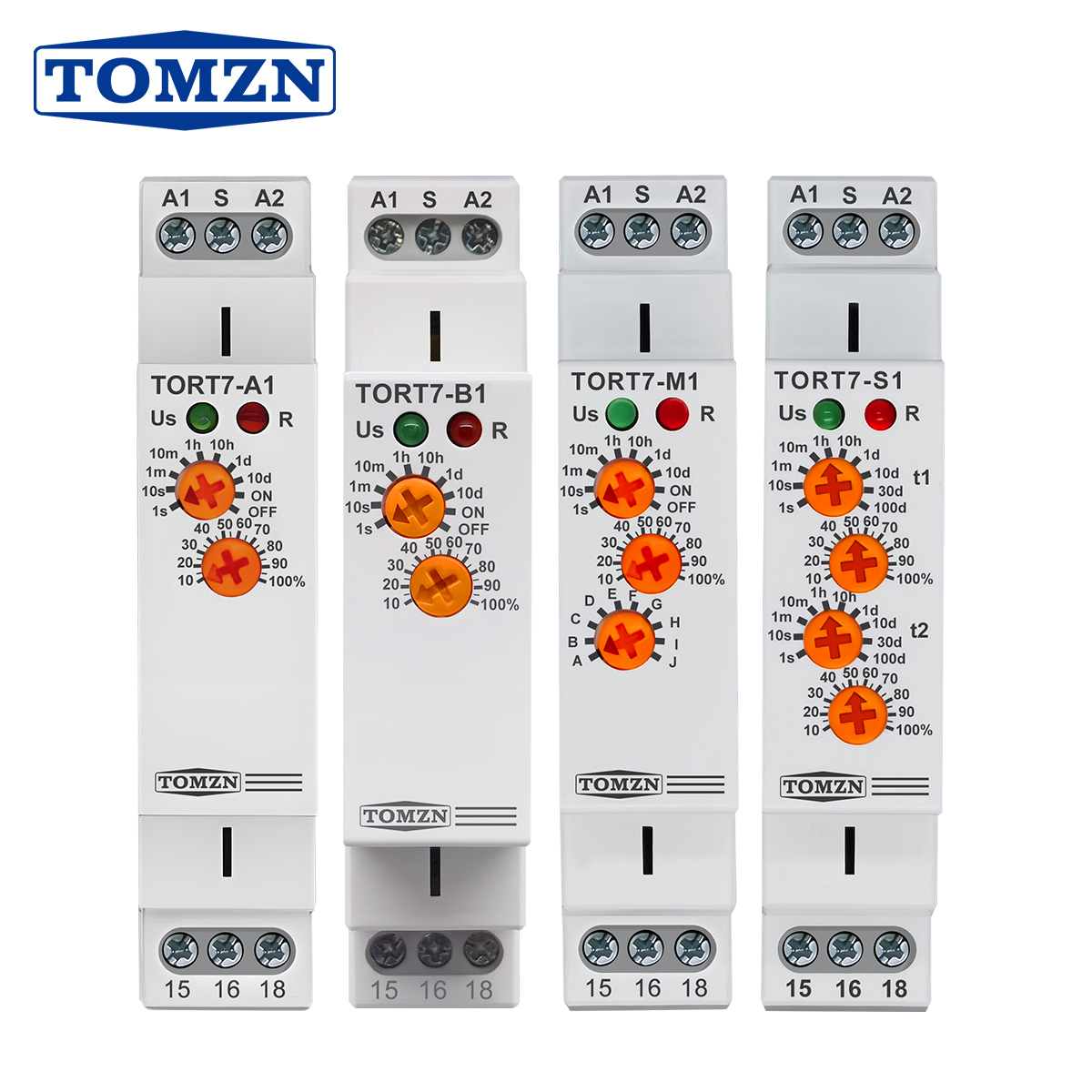
TORT7 Series Delay-ON Delay-OFF 10-in-1 Asymmetric Cycler Multi-Function Time Relay Switch
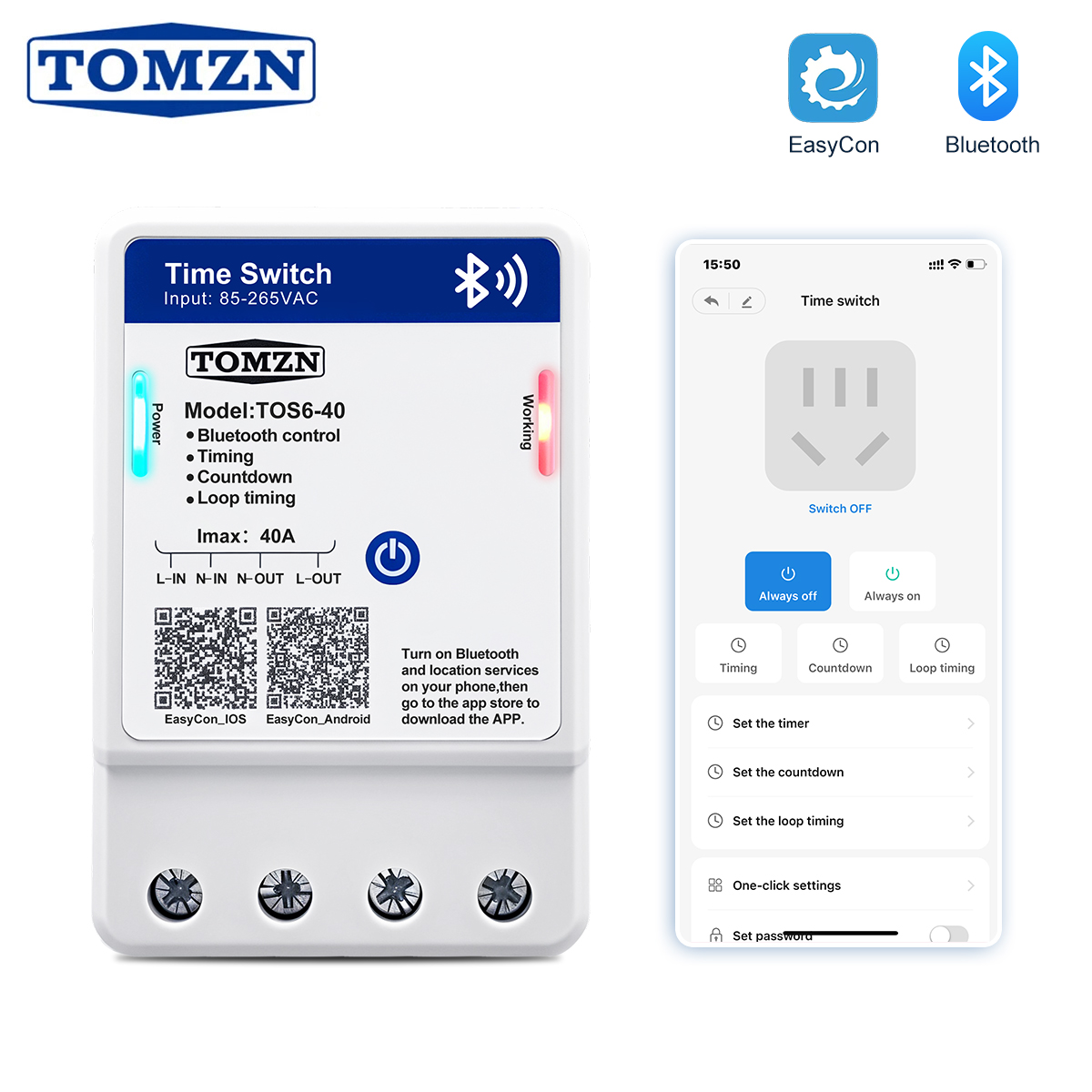
TOS6-40 Bluetooth Time Control Switch 35mm DIN Rail / Wall-Mount AC85-265V 40A
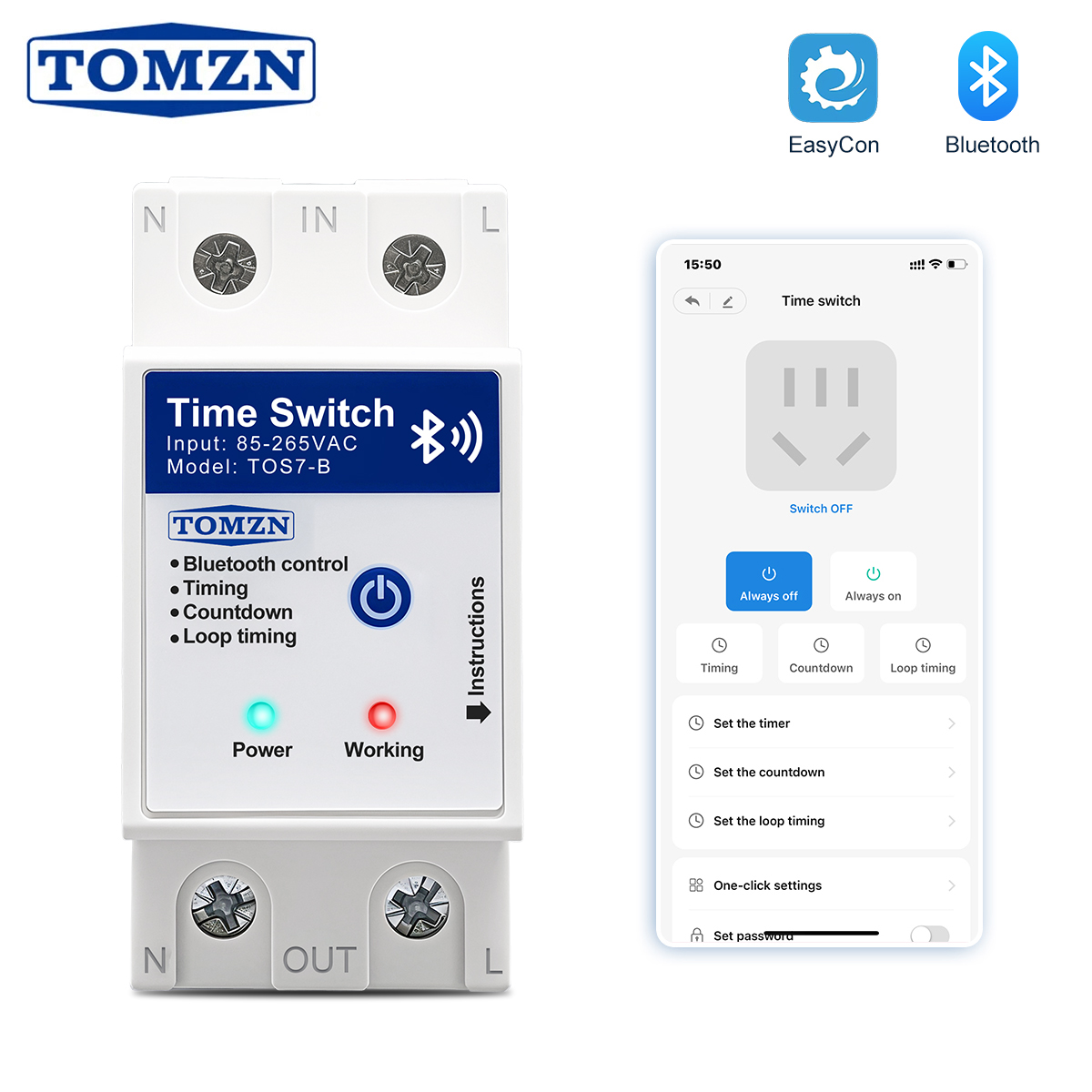
TOMZN TOS7-B Bluetooth Smart Timer Switch 40A / 63A 85-265V EasyCon App Remote Control
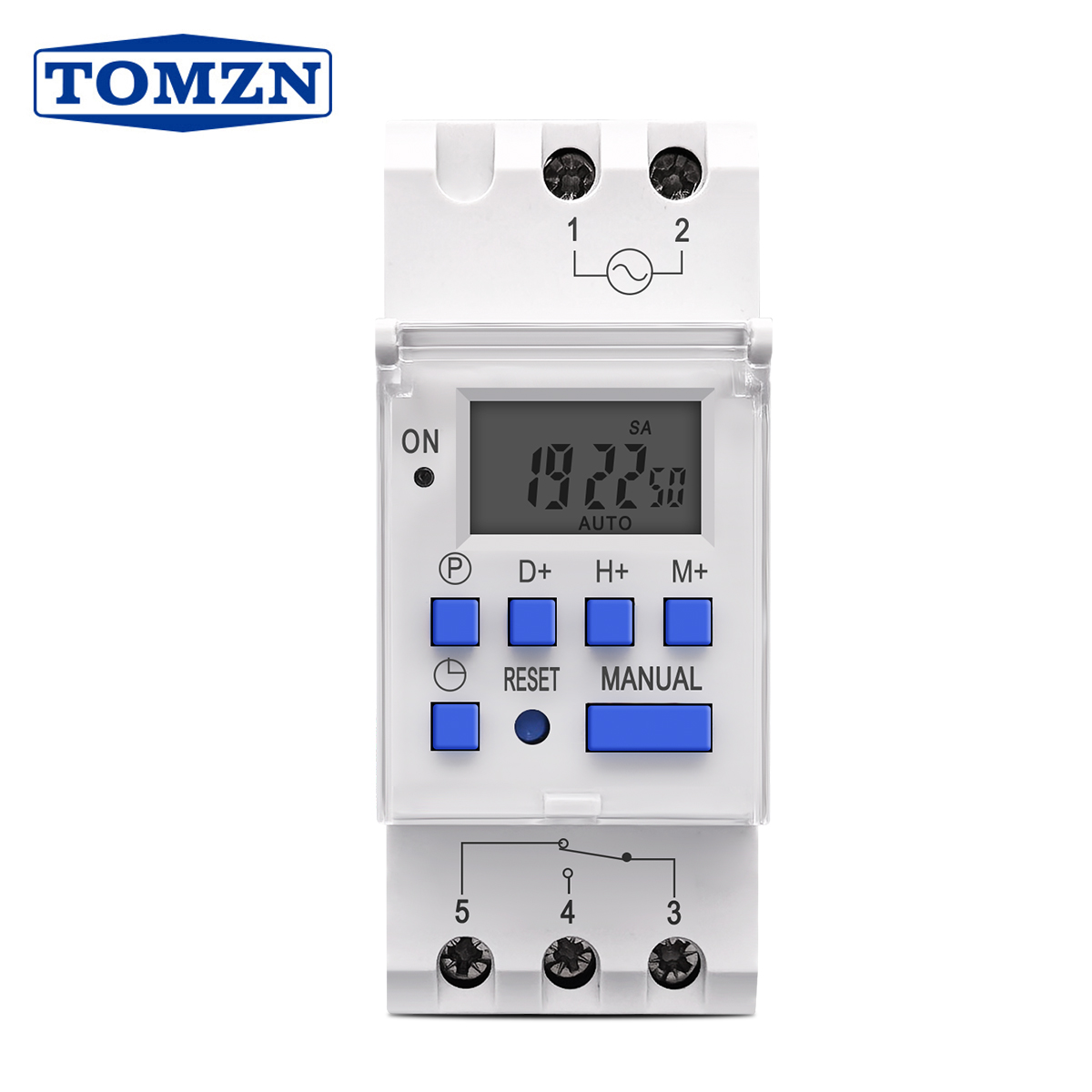
TOMZN 1NO 1NC DIN Rail Single Phase Weekly 7 Days Programmable Relay Timer AC 220V 16A
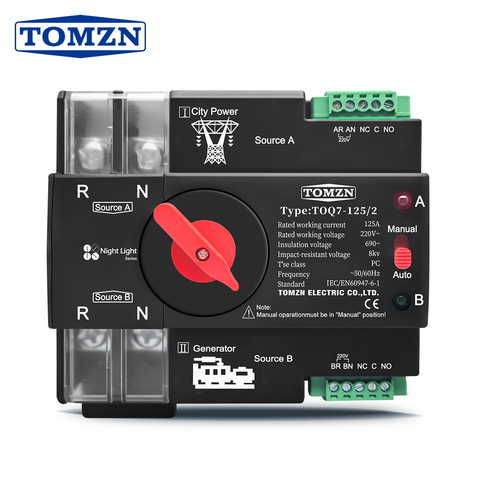
Modular Dual Power Automatic Transfer Switch (ATS) 2P / 4P 63A-125A Generator Backup
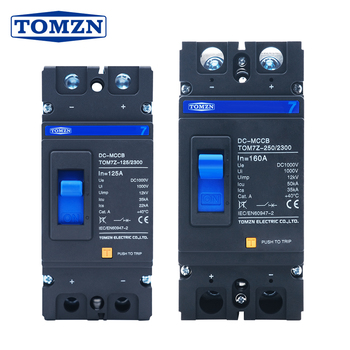
TOM7Z 2P 1000V DC Solar Molded Case Circuit Breaker MCCB for PV Sub-stations
Air Circuit Breaker (ACB) Architecture Under Sohar Coastal-Desert Operational Stress
The Sultanate of Oman’s Batinah coastal industrial corridor, centered around the Sohar Port and Freezone (SIPC), represents one of the most demanding electrical operating environments in the Arabian Peninsula. Combining extreme summertime ambient temperatures surpassing 50°C (122°F), maritime airborne salinity from the Gulf of Oman, heavy industrial particulate deposition from ferrochrome and aluminum smelters, and chemical atmospheric pollutants (H₂S, SO₂), electrical equipment operates under chronic derating stress.
Low-voltage Air Circuit Breakers (ACBs) installed at the incomer panels of main low-voltage switchboards (MLVDS) and motor control centers (MCCs) must comply with IEC 60947-2 and the stringent Distribution Code standards issued by Oman’s Distribution Code Review Panel (DCRP) and the Authority for Public Services Regulation (APSR). Standard catalogue breaker ratings calibrated at 40°C thermal equilibrium suffer dangerous premature tripping or thermal runaway if de-rating curves are not engineered precisely. In Sohar switchgear rooms, internal cubicle temperatures regularly exceed 55°C, requiring ACBs engineered with silver-alloy laminated contacts, enhanced arc chute ventilation grids, and microprocessor-based Electronic Trip Units (ETUs) featuring real-time ambient compensation algorithms.
Top 10 Air Circuit Breaker Suppliers & Exporters Serving the Sohar Market
An objective, engineering-focused evaluation of the leading global manufacturers and agile OEM export partners supplying low-voltage ACBs, draw-out chassis switchgear, and customized electrical assemblies to Sohar EPCs, panel builders, and plant operators.
- Verified on-site by TÜV Rheinland with certified CE compliance.
- High thermal tolerance housings and copper busbar configurations for 50°C ambient derating.
- Integrated export supply chain: fast-track sea freight direct to Sohar Port via Ningbo/Shanghai.
- Industry-leading digital twin diagnostics and native Ethernet Modbus connectivity.
- High market penetration in Sohar refinery and petrochemical facilities.
- Integrated load shedding algorithms without requiring external PLC controllers.
- Rigid draw-out mechanisms ideal for marine vibration resilience at Sohar Port berths.
- High short-time withstand current (Icw) ratings for selective tripping coordination.
- Comprehensive IoT cybersecurity architecture compliant with IEC 62443.
- Digitrip trip units with Zone Selective Interlocking (ZSI) for fast arc fault clearance.
- Extensive presence across Oman logistics warehouse power installations.
- Advanced MDU display units supporting harmonic measurement up to the 19th order.
- Exceptional resistance to maritime sulfur and salt-laden vapor degradation.
- No-derating thermal headroom simplifies busbar sizing for local panel builders.
- Wide regional stocking network minimizes emergency maintenance downtime.
- Economical pricing structure for fast-track warehousing and logistics parks.
- Standard modular accessories for field-interchangeable shunt trips and UVRs.
- Integrated power quality analysis displaying THD and individual harmonics up to 63rd.
- Durable draw-out chassis with mechanical safety interlocks and shutter padlocks.
- Extensive classification society certifications (DNV, LR, BV, ABS).
- High short-time withstand ratings providing total upstream-downstream selectivity.
Critical Air Circuit Breaker Applications Across Sohar's Industrial Ecosystem
How customized low-voltage circuit protection is engineered to resolve site-specific operational challenges in Oman's primary manufacturing and logistics trade gate.
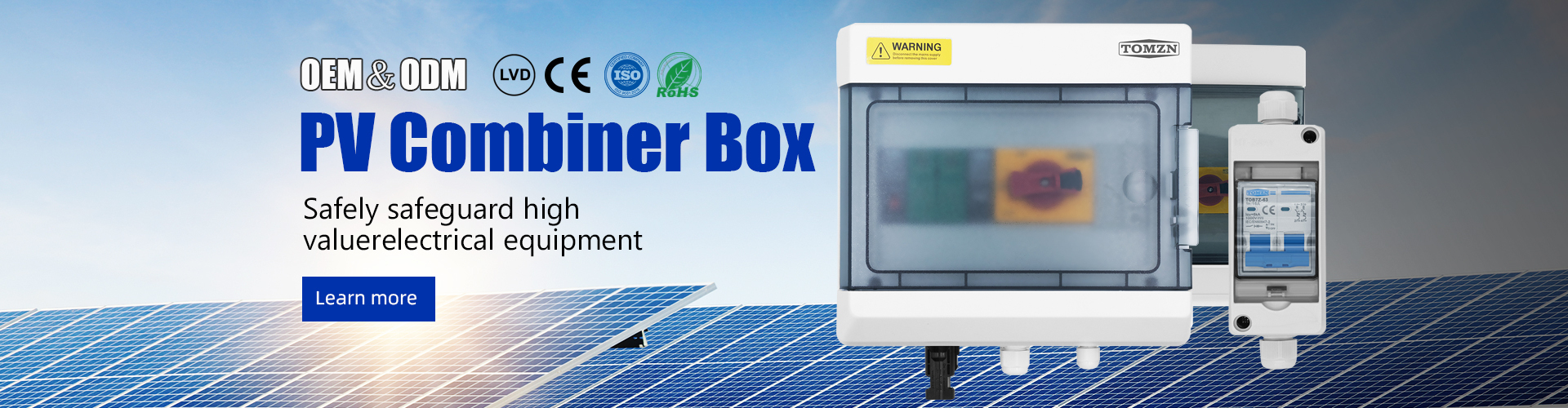
Sohar Port Marine & Container Terminals
Ship-to-shore (STS) gantry cranes, refrigerated container monitoring yards, and coastal pump stations require ACBs rated for extreme saltwater humidity, mechanical vibration, and regenerative braking power surges. TMB Electric supplies heavy-duty auxiliary contact assemblies, motorized charging mechanisms, and dual ATS transfer pairs that ensure zero downtime during grid switching.
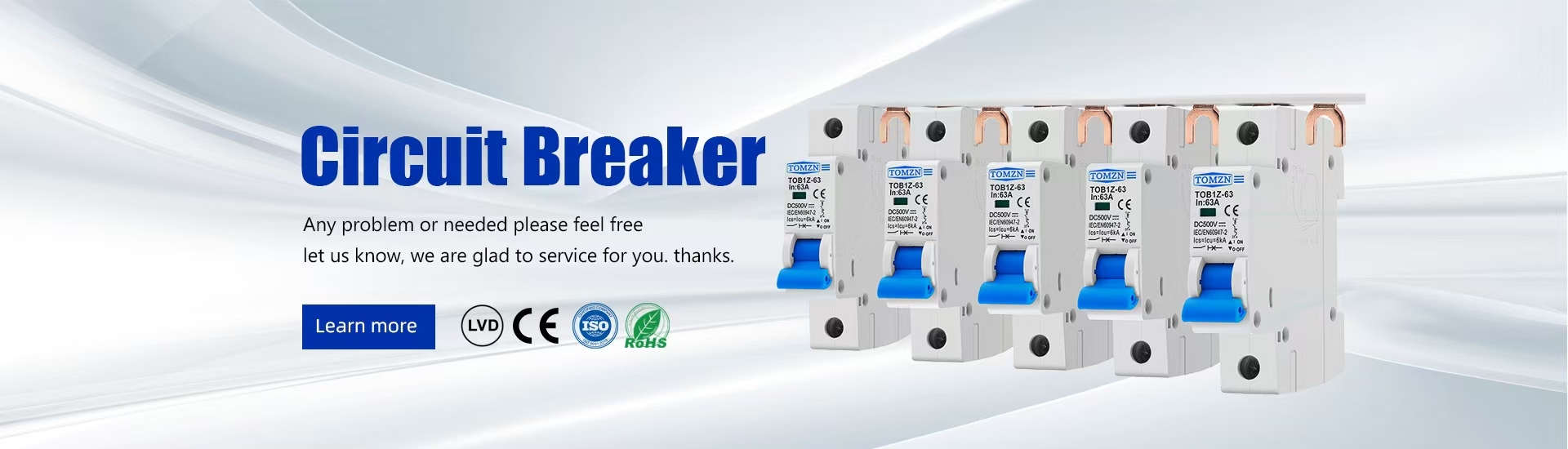
Ferrochrome, Steel & Aluminum Smelting
With massive electric arc furnaces and continuous smelting pots, metallurgy plants in Sohar produce intense thermal heat and severe harmonic distortions (THD > 25%). Main incoming ACBs require high breaking capacities (Icu ≥ 100kA), harmonic-filtered microprocessor trip units, and reinforced arc-extinguishing chutes to suppress continuous inductive switching arcs.
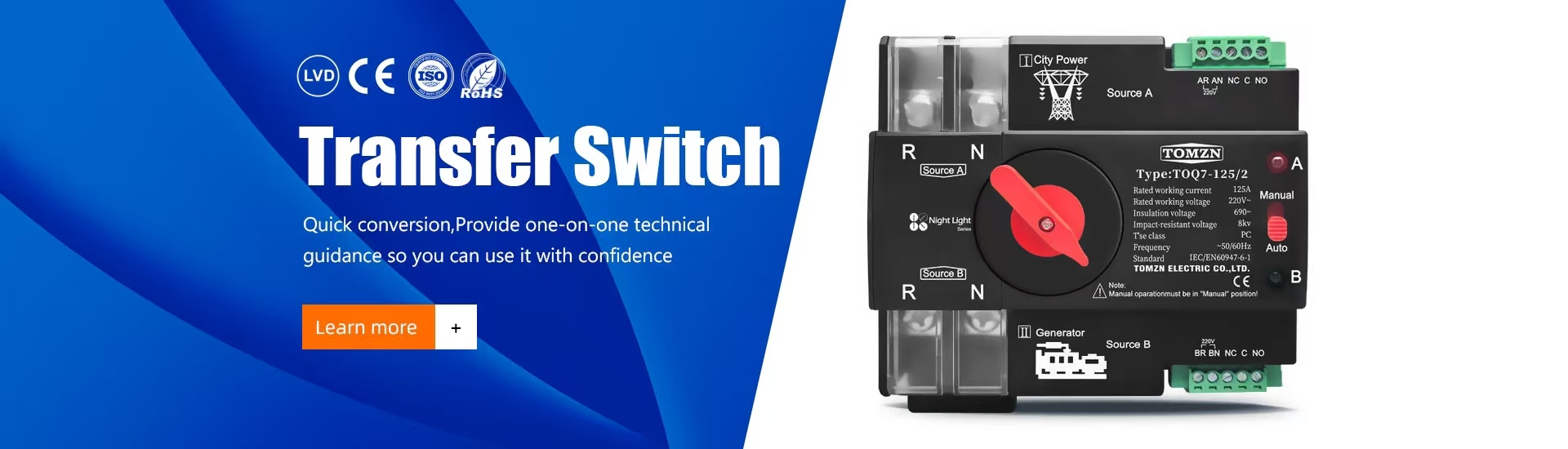
Solar PV Farms & Green Hydrogen Generation
Under Oman Vision 2040, Sohar is evolving into an international clean hydrogen and solar energy export hub. ACBs operating on inverter central transformer stations must manage bi-directional power flows, rapid solar cloud-edge transients, and high DC components, paired seamlessly with DC MCCBs and string-level surge protection devices (SPDs).
Emerging Trends in Low-Voltage Switchgear Procurement for Sohar Contractors
Procurement practices among Sohar panel builders, electrical contractors, and EPCs are undergoing a structural shift driven by supply chain volatility and Omanization industrial policies:
1. Decoupling from High Lead-Time Monopolies: Traditional European tier-1 ACB brands have seen project lead times stretch up to 24–36 weeks due to global microchip and copper shortages. Local switchboard builders in Sohar are increasingly adopting a multi-tier sourcing strategy—pairing approved tier-1 incomers with reliable, agile OEM/ODM circuit protection manufacturers like Zhejiang TMB Electric Co., Ltd. for sub-distribution lines, rapid ATS backup units, and auxiliary timing boards.
2. Mandatory Smart Grid Telemetry: In compliance with the updated APSR metering code, all newly commissioned low-voltage distribution boards in Sohar industrial zones must support open protocol communication (Modbus RS485 or IEC 61850). Procurement teams now prioritize air circuit breakers equipped with smart electronic trip units capable of real-time current, voltage, active power, and frequency reporting.
3. High-Temperature Derating Transparency: Historically, generic 40°C ratings resulted in catastrophic breaker nuisance tripping during July and August in Sohar, where substation ambient temperatures routinely exceed 50°C. Modern procurement tenders strictly enforce type-tested derating tables up to 60°C ambient according to IEC 60947-2 Annex H.
Direct Factory Manufacturing Excellence: Zhejiang TMB Electric Co., Ltd.
Located in Huabei Village, Liushi Town, Wenzhou—the globally renowned heart of China's low-voltage electrical apparatus industry—Zhejiang TMB Electric Co., Ltd. has specialized in precision circuit protection and switching architecture for over 24 years. Spanning an on-site verified production area of 5,700 m² with 92 highly trained technicians, TMB provides an unmatched balance of engineering agility, low trial MOQs, and stringent quality control.



Unlike trading intermediaries, TMB operates complete in-house manufacturing lines: from precision stamping of high-conductivity electrolytic copper contacts and automated spot welding of silver-nickel alloy tips, to thermal trip calibration benches, dielectric withstand testing chambers, and full-load ATS timing performance verification. For distributors and panel builders in Sohar, TMB provides turnkey OEM private labeling, custom busbar terminal adaptations, and rapid sea container dispatch directly to Sohar Port.
Frequently Asked Questions by Electrical Engineers & Procurement in Sohar
Actionable technical answers addressing high ambient temperatures, DCRP regulations, breaker sizing, and direct factory importing from China.
How should an Air Circuit Breaker (ACB) be derated for 50°C to 55°C ambient temperatures in Sohar?
What is the difference between Icu (ultimate breaking capacity) and Ics (service breaking capacity) for Sohar industrial projects?
Can Zhejiang TMB Electric provide OEM branding and custom busbar terminal layouts for Sohar panel builders?
What Electronic Trip Unit (ETU) functions are recommended for marine and petrochemical switchgear in Sohar?
1. L (Long-time delay / Overload): Protects against sustained thermal overloading with adjustable current thresholds and inverse time curves.
2. S (Short-time delay / Selective short circuit): Allows downstream MCBs and MCCBs to trip first, maintaining selective discrimination across the plant.
3. I (Instantaneous / High fault clearance): Rapidly interrupts high-energy dead short circuits within milliseconds.
4. G (Ground fault / Earth leakage): Detects low-magnitude leakage currents to protect operators from touch potential hazards and prevent electrical fires in humid, salt-laden switchrooms.
What are the typical sea freight transit times from China to Sohar Port (Oman)?
Need High-Performance Switchgear & Breaker Solutions for Sohar?
Consult with Zhejiang TMB Electric's senior low-voltage application engineers for customized ACB sizing, temperature derating calculations, and factory-direct project quotes.