Timer Control
Navigating the global procurement landscape for high-integrity direct current (DC) switching requires an authoritative understanding of breaking capacity, magnetic blowout mechanics, and ambient salt mist degradation. Whether deployed across high-saline solar basins, industrial battery energy storage systems (BESS), or rigorous rail traction infrastructure, identifying an ISO 9001 and TÜV Rheinland-verified partner ensures unbroken operational safety.
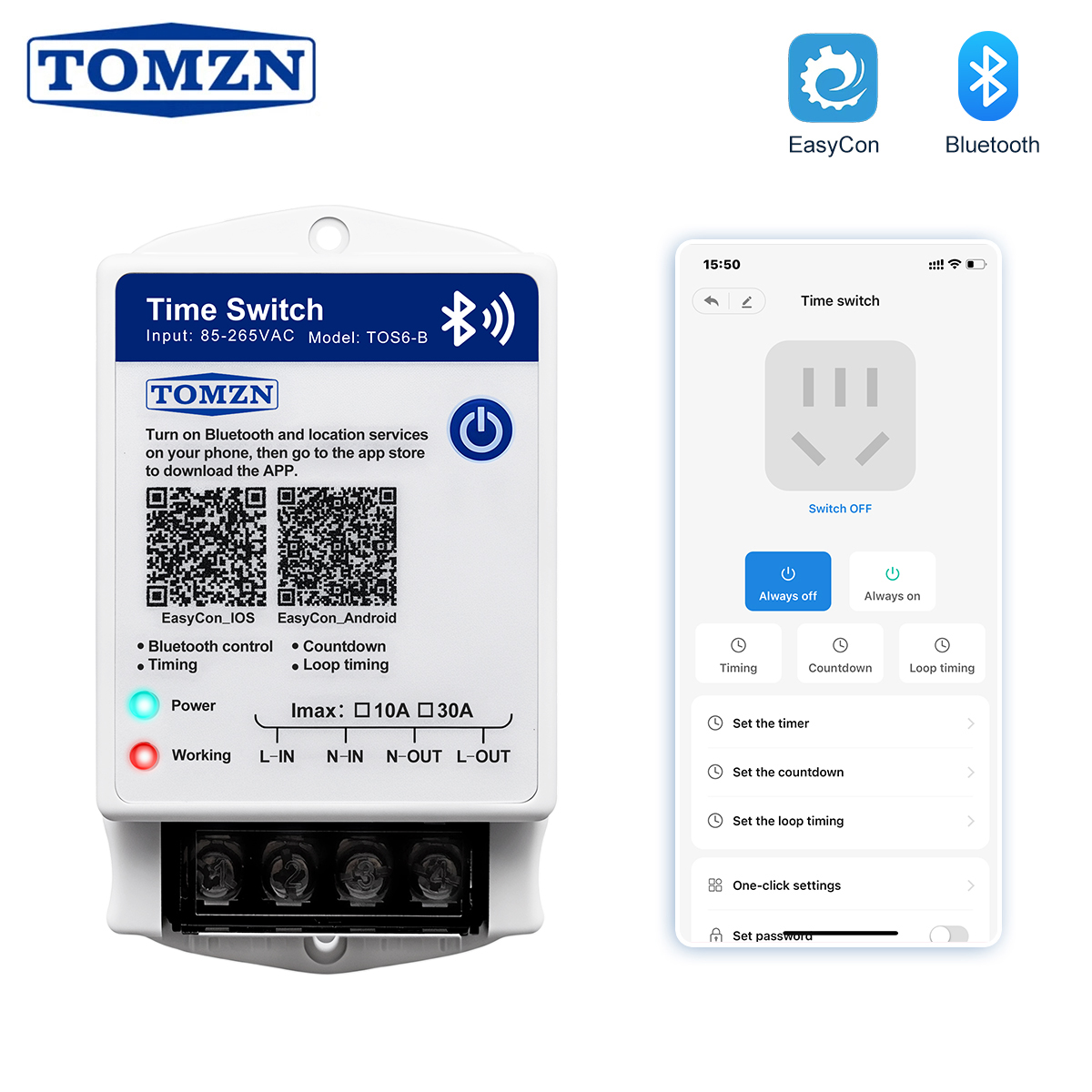
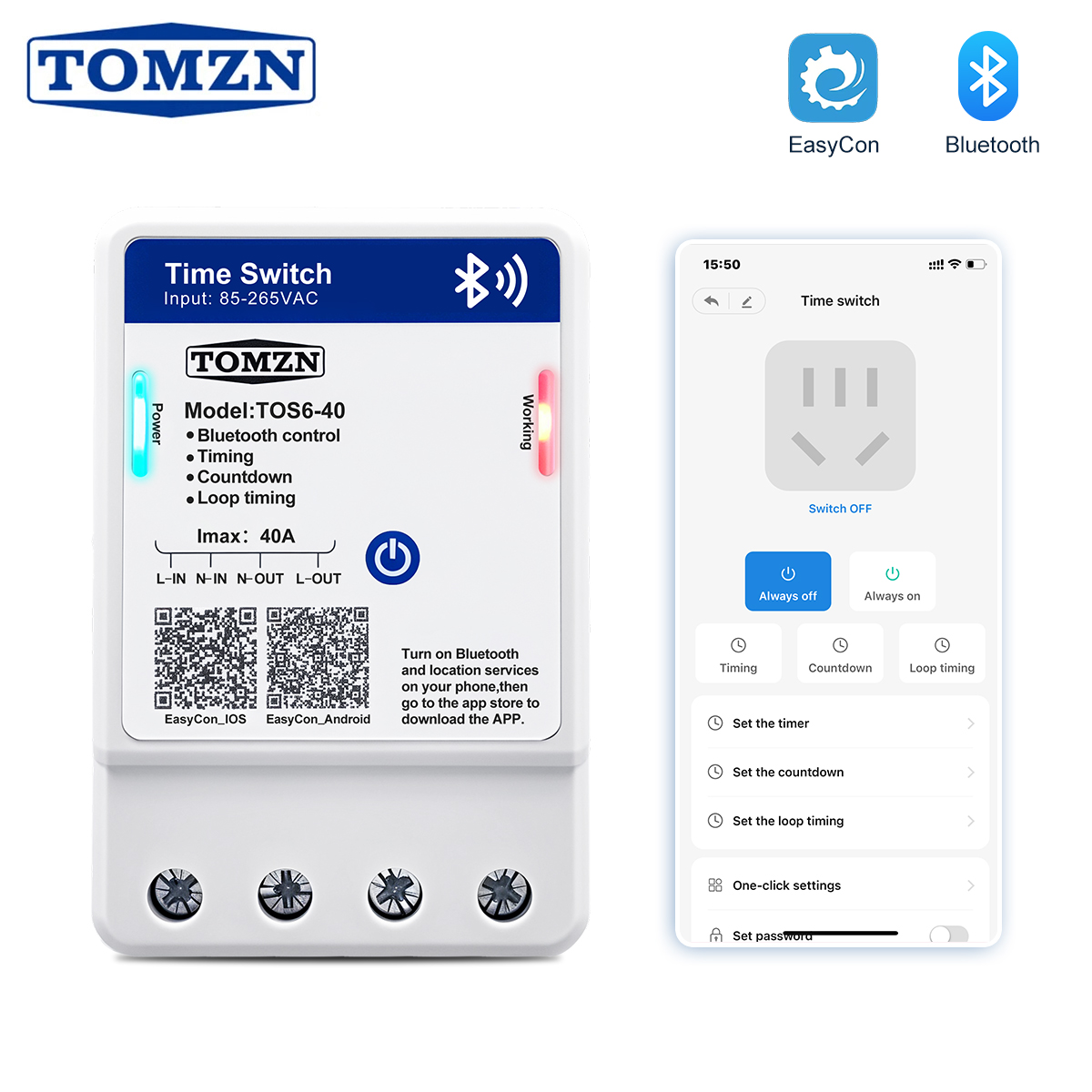
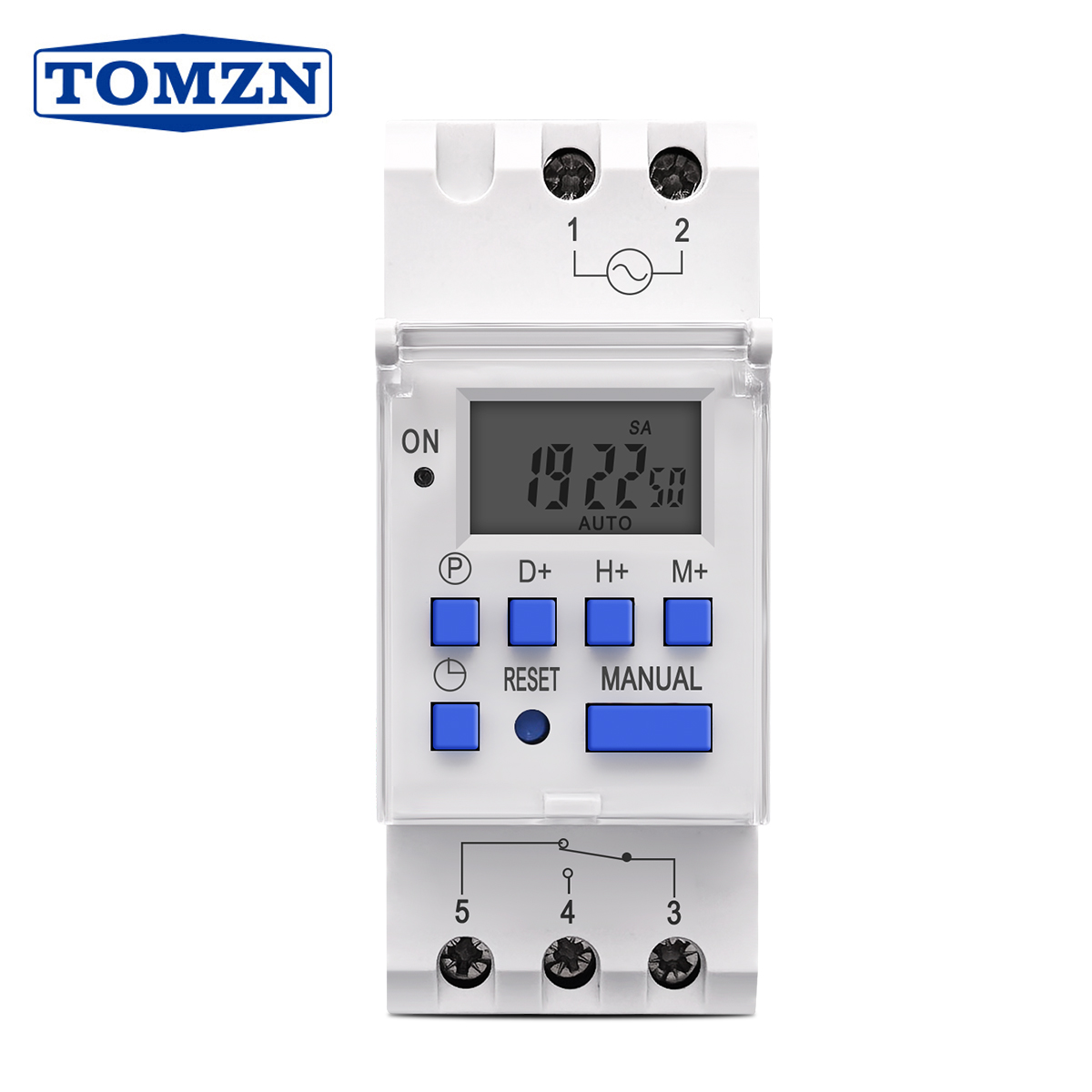
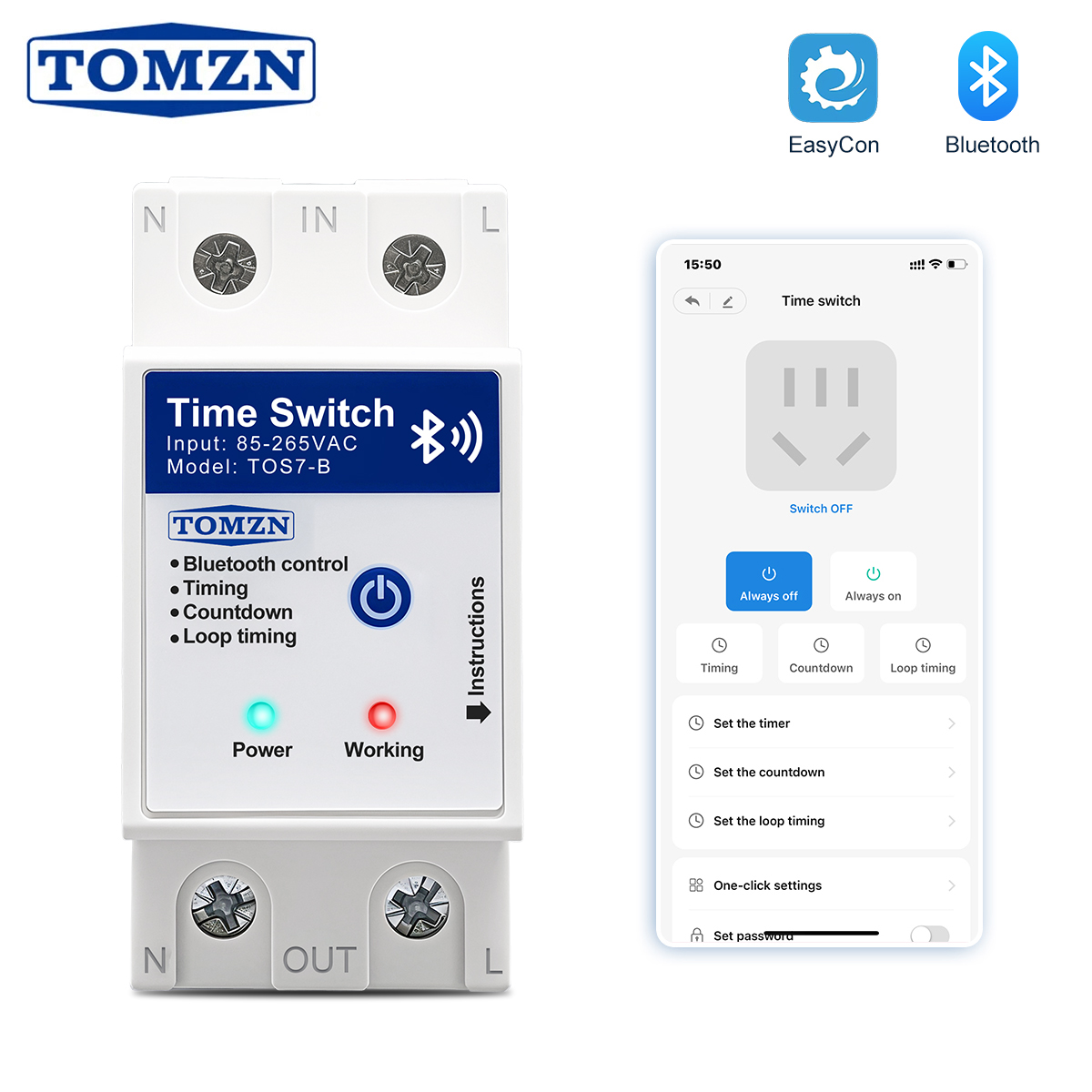
Precision DIN-rail timing relays, smart DC-compatible switching controllers, and automated control devices built for harsh industrial environments.
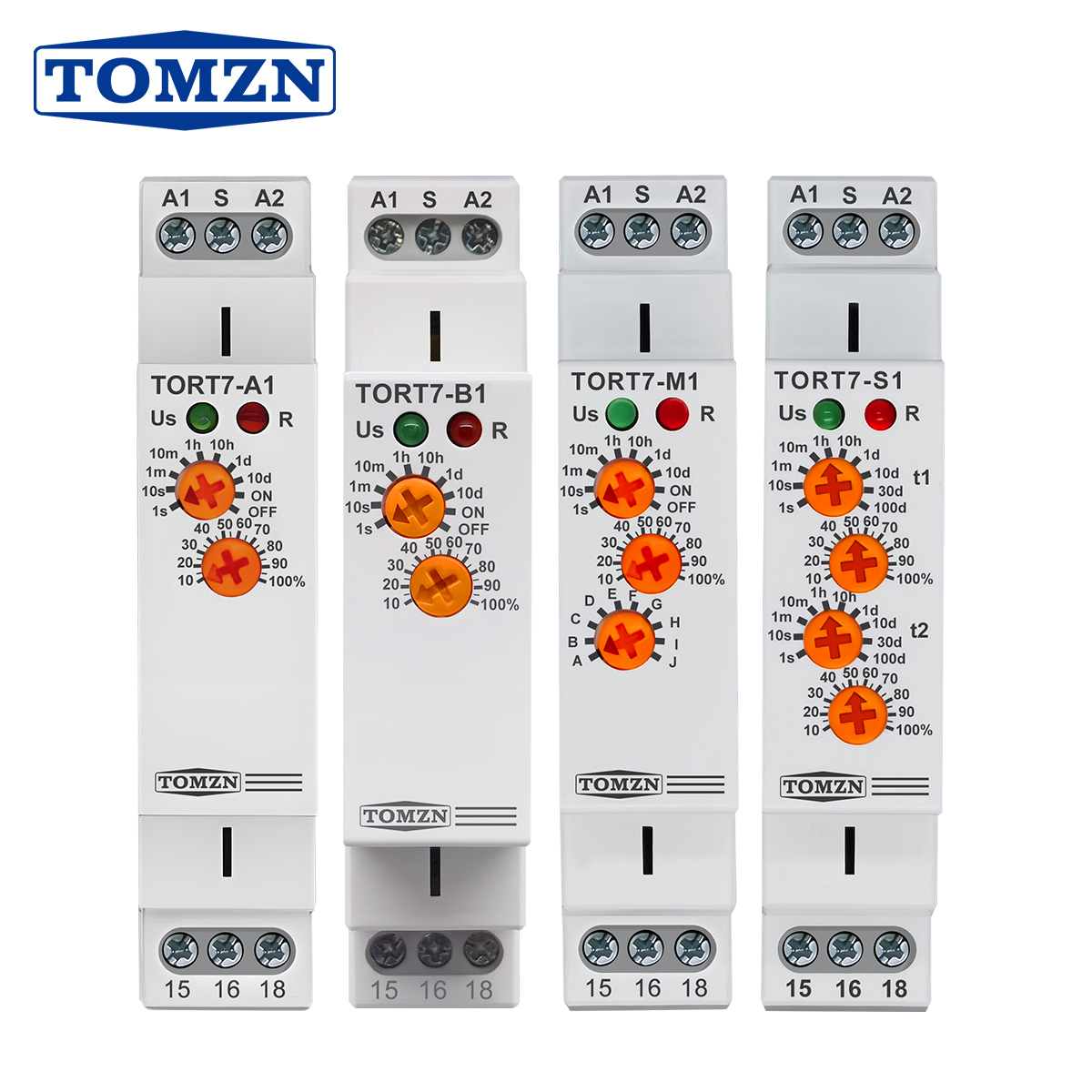
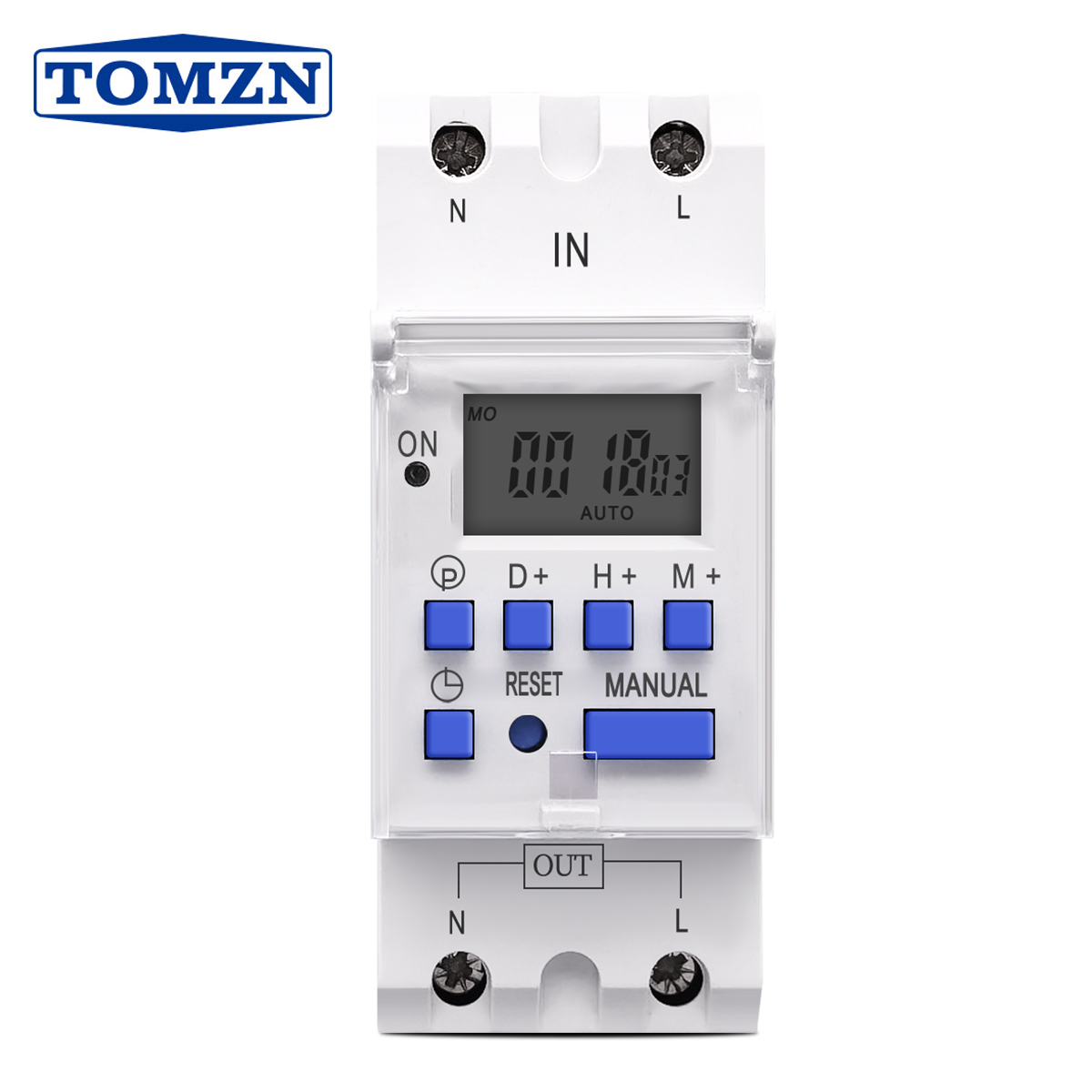
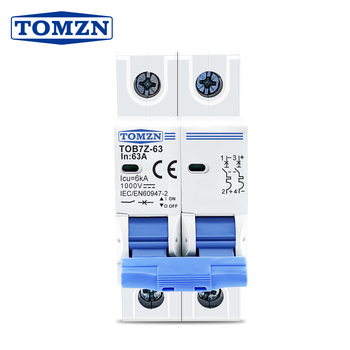
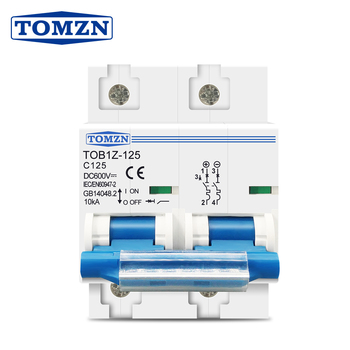
Why conventional alternating current (AC) contactors experience catastrophic thermal runaway under direct current loads, and how magnetic blowout architecture resolves this constraint.
Alternating current passes through zero volts 100 to 120 times every second, offering an inherent opportunity to extinguish ionized arcs. Direct current is continuous, requiring active magnetic blowout coils to stretch, chill, and extinguish sustained plasma bridges safely into splitting plates.
In regional deployment zones characterized by high atmospheric sodium chloride concentrations, hygroscopic salt deposits degrade creepage distances. Contactors must feature hermetically sealed or nitrogen-backfilled contact chambers rated to minimum IP65 enclosures to bypass conductive tracking.
Pure silver exhibits premature welding under inductive DC inrush spikes. TMB contact architectures utilize specialized Silver Tin Oxide (AgSnO₂) sintered matrices that resist electrical erosion, withstand severe DC-1 / DC-3 / DC-5 duty cycles, and maintain nominal contact resistance below 2 milliohms.
| Evaluation Parameter | Standard AC Contactor (Misapplied) | Zhejiang TMB DC Specialized Contactor | Operational Risk Averted |
|---|---|---|---|
| Arc Extinction Method | Passive natural zero crossing | Permanent magnetic blowout + ceramic splitter | Contact welding, plasma explosion, fire hazard |
| Atmospheric Ingress Protection | IP20 open-frame standard | IP54 to IP67 sealed switching chambers | Corrosive airborne salt bridge failure |
| Electrical Endurance (L/R = 15ms) | < 1,000 operations before failure | > 50,000 verified breaking cycles | Unscheduled facility downtime in critical energy sites |
| Coil Economization Circuit | High continuous holding draw | Dual-coil electronic economizer with PWM drop | Overheating in hot desert distribution boxes |
From expansive utility solar installations to heavy mining transport and remote battery microgrids, engineering reliability starts at the component level.
Serving as the primary DC disconnect between 1000V/1500V string arrays and central inverters. TMB contactors work in tandem with DC SPDs and combiner boxes to execute rapid emergency shutdowns under anti-islanding protocol triggers.
Safeguarding lithium iron phosphate (LiFePO4) storage banks. Contactors operate as the main rack disconnect and pre-charge relays, absorbing capacitive inrush currents and isolating systemic DC ground faults in under 30 milliseconds.
Interfacing between high-current DC chargers (CCS2 / CHAdeMO) and electric commercial transport. High cycle longevity ensures zero contact degradation throughout multiple high-rate thermal charging sessions per day.
Key shifts shaping procurement and technology selection across emerging industrial regions and remote processing basins.
Balance-of-System (BOS) optimization is pushing utility scale solar and commercial storage from 1000V DC to 1500V DC. This reduction in current losses requires contactors with elevated dielectric insulation barriers and wide contact air gaps.
Modern EPC contractors increasingly mandate built-in auxiliary contact feedback, internal thermistor tracking, and cycle-count telemetry to transition from reactive replacement to algorithmic predictive maintenance.
As smart grids absorb decentralized distributed energy, power flow reverses between charge and discharge states. Bi-directional magnetic blowouts prevent catastrophic unassisted arcing when polarity alternates dynamically.
Rooted in Liushi Town, Wenzhou—the electrical manufacturing capital of China—our integrated 5,700 m² factory pairs raw material supply-chain dominance with rigorous TÜV Rheinland-verified protocols.
Critical answers addressing common questions regarding product specifications, certifications, and high-salinity installation.
Connect directly with our engineering specialists in Liushi to configure custom DC contactor arrays, combiner boxes, and DIN-rail switching components suited to your operational requirements.
Contact Us