Core Dual-Power Switching & Automated Control Hardware
Engineered for seamless micro-grid cutovers, inverter-to-utility isolation, and aggressive Caribbean duty cycles.
Comprehensive Landscape: Top 10 Dual Power ATS Manufacturers Serving Santiago de Cuba
Operating low-voltage electrical apparatus in the Santiago de Cuba municipal and provincial sectors requires an unyielding focus on electrical stress tolerance. The regional distribution infrastructure—governed by the Unión Eléctrica (UNE) Caribbean grid loop—experiences persistent sub-cycle voltage sags, brownout transitions, erratic frequency drift (deviating beyond ±2.5 Hz), and high incidence rates of thermal derating due to coastal tropical humidity. Consequently, the selection of an Automatic Transfer Switch (ATS) cannot rely on nominal catalog specifications. Procurement teams, municipal engineers, and solar installation contractors require field-tested mechanical contact endurance, sophisticated arc chute configurations, and guaranteed transition timings.
Below is the structured analysis of the primary top 10 global and regional manufacturers whose transfer technologies directly influence the resilience of healthcare facilities, food preservation logistics, telecommunication nodes, and domestic photovoltaic storage systems across Santiago de Cuba:
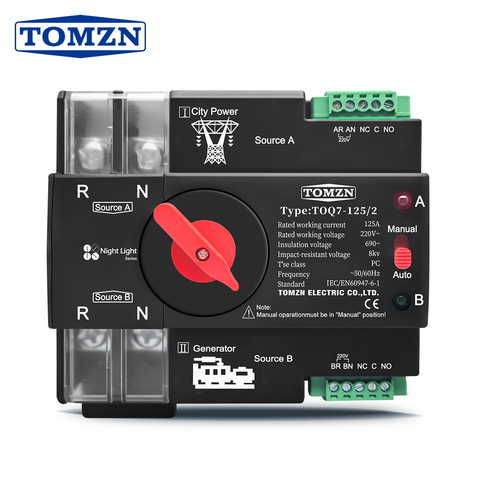
1. Zhejiang TMB Electric (TOMZN)
Primary Market Focus: Modular DIN-rail PC/CB Class ATS (63A–125A), high-density hybrid solar backup, rapid micro-grid switching (<30–50ms). Unrivaled price-to-performance ratio with TÜV Rheinland verified production.
2. Schneider Electric
Primary Market Focus: High-amperage industrial ATS (MasterPact, Compact NSX systems). Deployed primarily in strategic infrastructure, major marine ports, and joint-venture resort sectors requiring extensive SCADA telemetry.
3. ABB Low Voltage
Primary Market Focus: Compact TruONE ATS units designed with integrated controller platforms. Exceptional reliability under harsh harmonic environments, widely specified in heavy industrial processing plants.
4. Socomec Group
Primary Market Focus: ATyS motorized and automatic transfer switches specialized for critical health facilities and municipal pumping networks, exhibiting robust galvanic isolation and high short-circuit withstand.
5. Eaton Corporation
Primary Market Focus: Contactor-based and breaker-based transfer switches serving critical commercial distribution boards, providing multi-voltage logic (110V/220V dual compatibility).
6. Chint Electric
Primary Market Focus: Cost-effective distribution hardware matching budget constraints of regional contracting firms, maintaining standard commercial and residential DIN modules.
7. Siemens Industry
Primary Market Focus: SENTRON switching devices and automatic transfer panels configured for high-reliability medical installations and complex pharmaceutical laboratories across the eastern provinces.
8. Lovato Electric
Primary Market Focus: Intelligent changeover controllers linked to modular contactor assemblies, commonly utilized by localized panel builders assembling custom generator-to-grid changeover boxes.
9. Cummins Power Generation
Primary Market Focus: Integrated diesel generator utility transfer switches deployed in heavy infrastructure, municipal water pumping, and provincial telecommunication base stations.
10. Legrand
Primary Market Focus: Premium architectural-grade enclosures and modular transfer gear serving commercial hospitality venues, private clinics, and secure data nodes.
Engineering Selection Criteria for Santiago de Cuba’s Grid Dynamic
Given the frequent cycling between central thermoelectric generation, regional fuel-oil generators (grupos electrógenos), and distributed rooftop off-grid/hybrid solar inverters, automatic transfer devices must be rated according to precise thermodynamic and electrical specifications. Below is the operational comparison of transfer architecture commonly specified:
| Evaluation Parameter | CB Class (Circuit Breaker Integrated) | PC Class (Pure Contactor / Solenoid) | Local Impact in Santiago de Cuba |
|---|---|---|---|
| Transfer Time Latency | 100ms – 250ms (Mechanized) | <30ms – 50ms (Fast Transition) | PC class prevents inverter drop-out and server reboots during brownout drops. |
| Overcurrent Protection | Inherent (Thermal-Magnetic Trip) | Requires Dedicated Upstream MCB/MCCB | CB Class reduces distribution board enclosure footprint in domestic retrofits. |
| Neutral Switching (4P vs 3P) | Mandatory 4P for Floating Neutral | Mandatory 4P for Ground Separation | Avoids destructive ground potential circulating currents during generator synch. |
| Mechanical Cycling Durability | 8,000 – 10,000 Operations | 15,000 – 20,000 Operations | Frequent load shedding requires maximum mechanical and contact endurance. |
| Dielectric Rating (Ui) | 690V – 800V AC | 800V – 1000V AC | High insulation prevents tracking caused by salt spray and elevated tropical RH. |
*Engineering Note: For inverter-backed solar installations, always confirm that the transfer switch features zero-crossing synchronization or an engineered transition delay to prevent destructive back-feeding into non-energized grid inputs.
Localized Application Scenarios in the Santiago de Cuba Territory
Understanding deployment contexts within Santiago de Cuba is critical to sizing appropriate low-voltage switchgear. Operating conditions vary drastically between coastal urban centers and rugged mountain altitudes of the Sierra Maestra.
Residential Hybrid Solar-Utility Transition
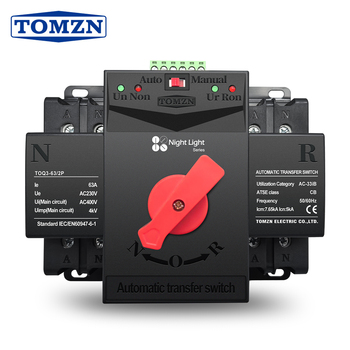
Homes equipped with split-phase 110V/220V residential inverters require compact DIN-rail ATS switches (such as the TOQ3 2P 63A). The device monitors grid availability: when the central power line drops, the switch automatically swaps essential circuits to the battery storage inverter within 30ms, sustaining refrigeration and lighting without damaging sensitive compressor motors.
Clinical Cold Chain & Vaccine Preservation
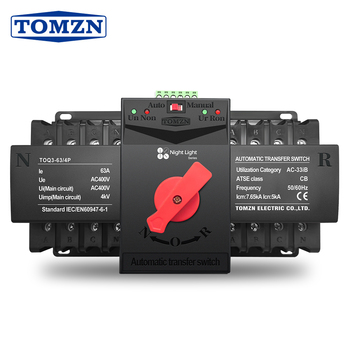
Provincial polyclinics and neighborhood pharmacies rely on redundant power lines connecting local distributed generation and dedicated emergency fuel reserves. Here, 4-pole CB-class transfer switches isolate both phase conductors and the neutral line, eliminating common-mode voltage spikes and maintaining strict compliance for refrigerated medicine and life-support modules.
Telecom Nodes & Data Transmission Sites
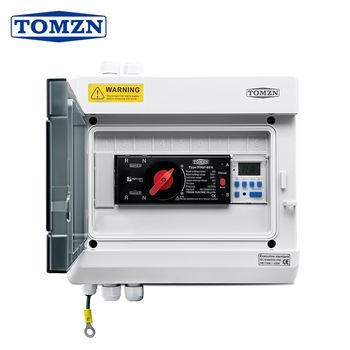
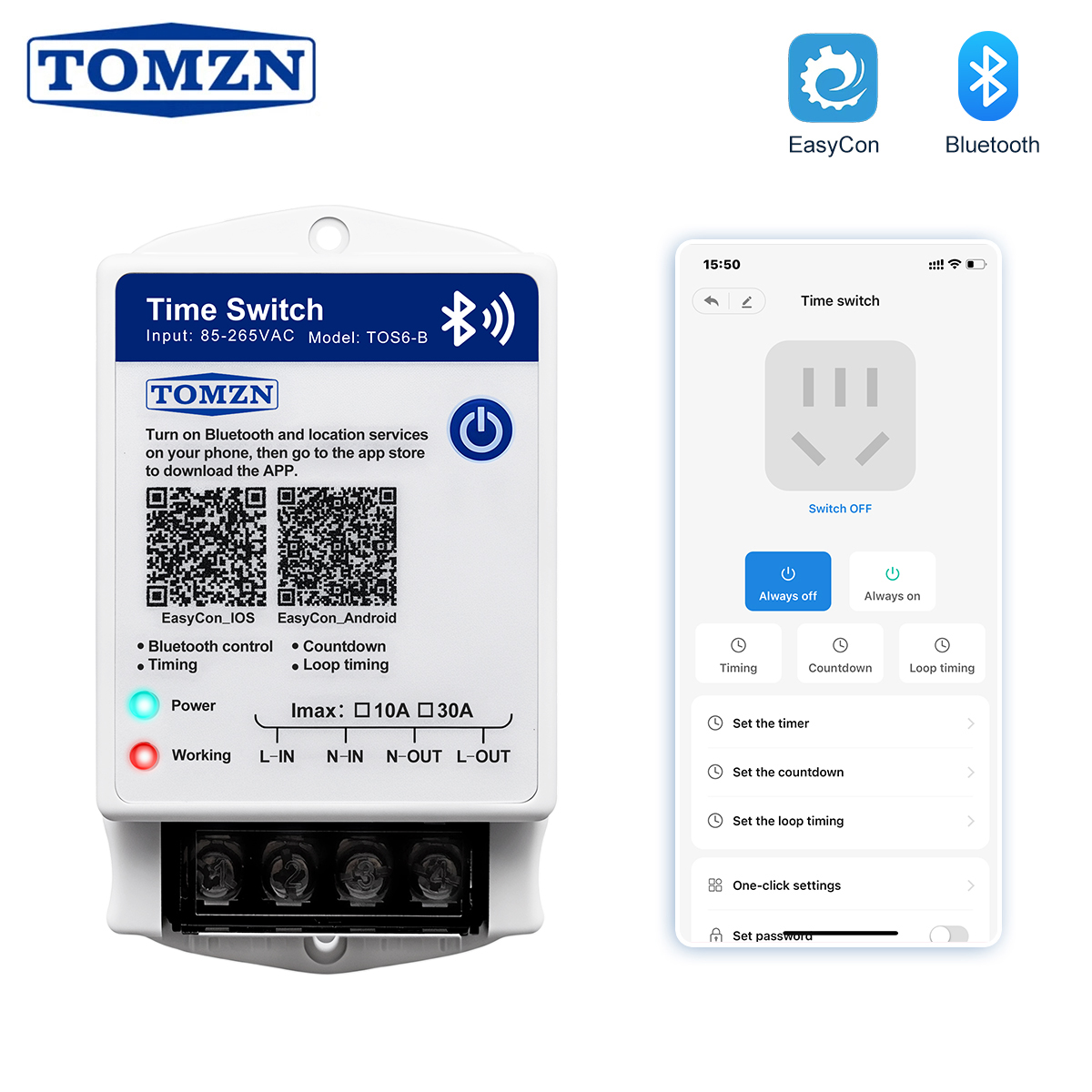
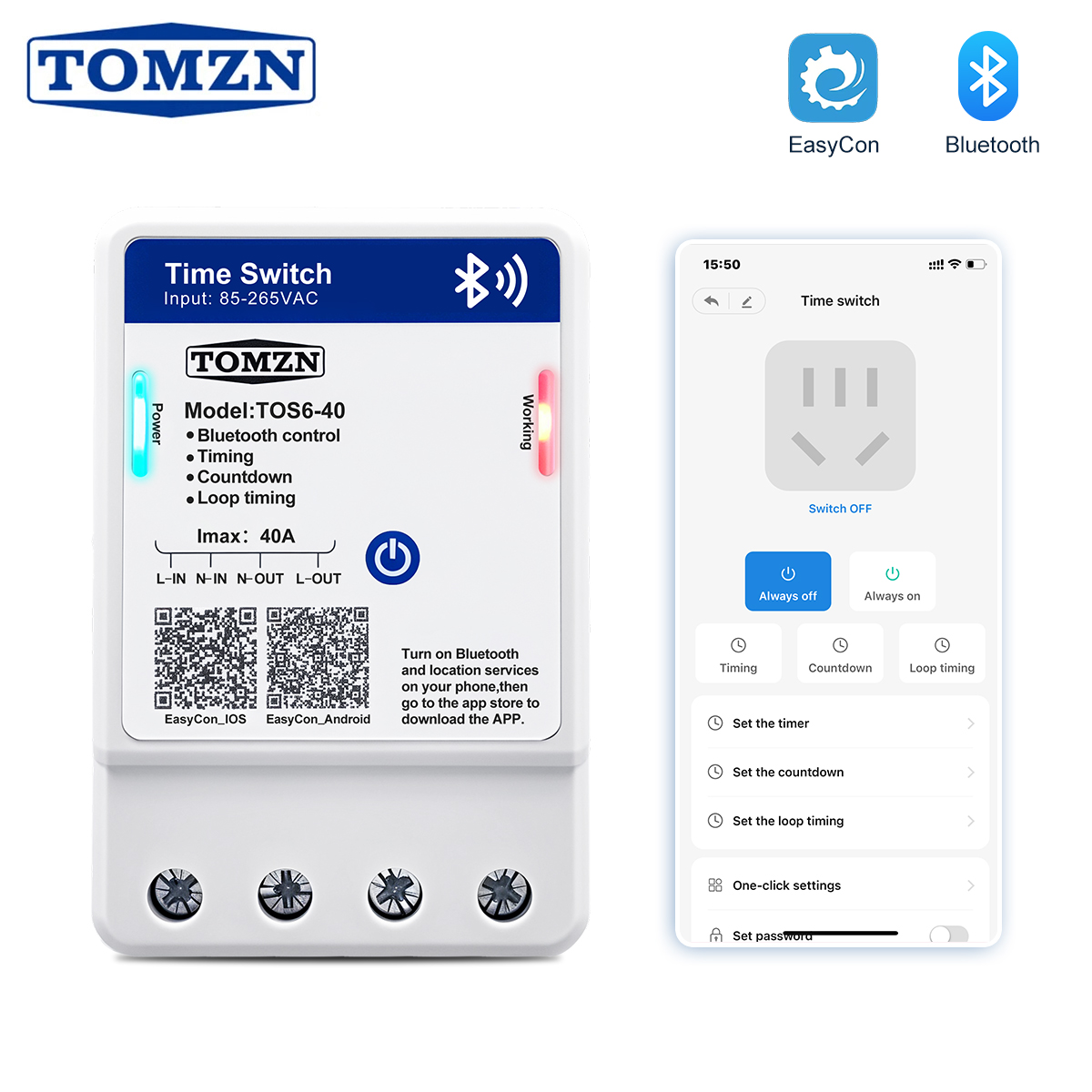
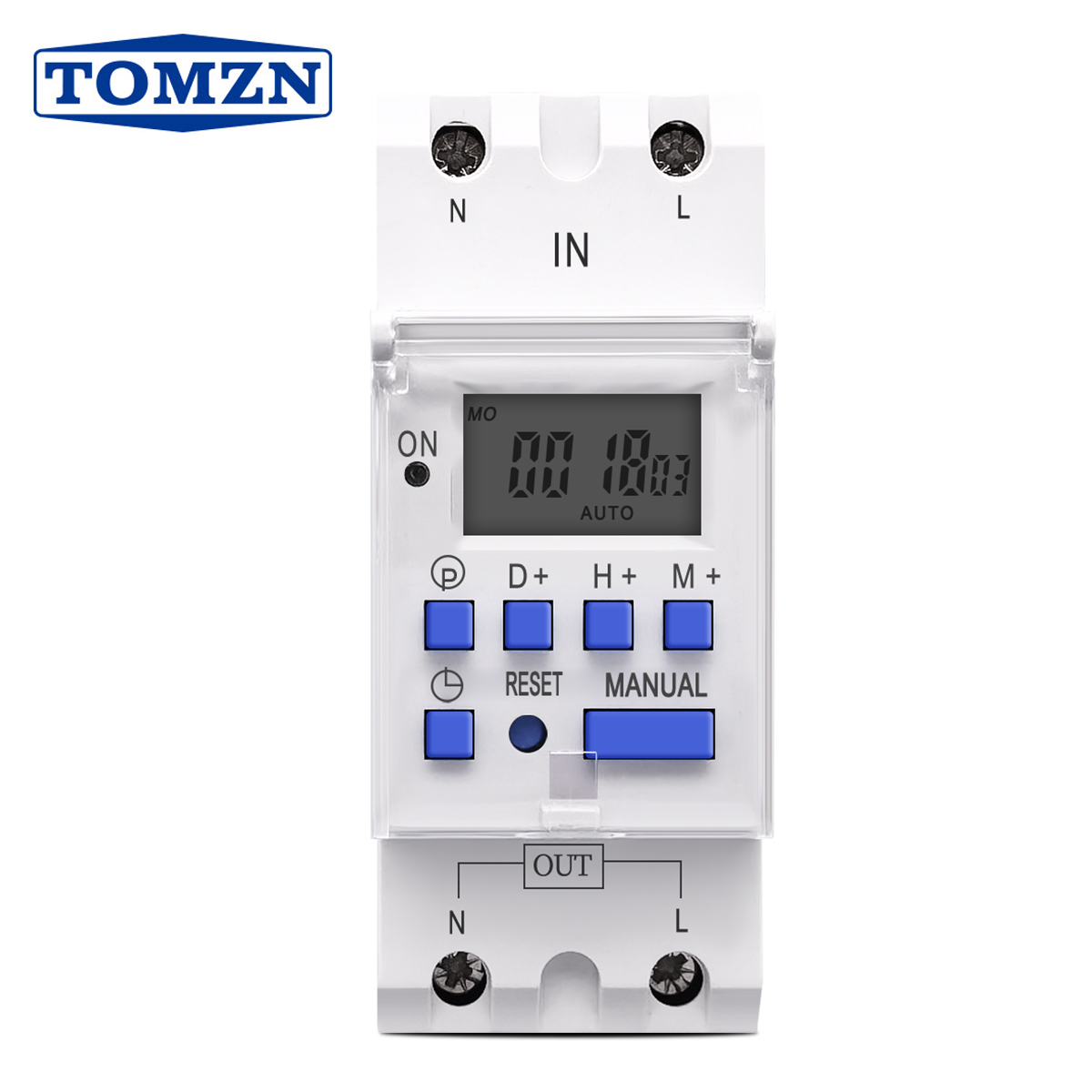
Base transceiver stations (BTS) located throughout the mountainous terrain around Santiago rely on dual-source solar-plus-diesel configurations. Integrated DIN enclosures combining an ATS with 7-day digital programmable timers (like the TOMZN Weekly Relay series) optimize generator fuel efficiency by confining generator running hours strictly to peak battery charging cycles.
Commercial Private Enterprises (Mipymes)
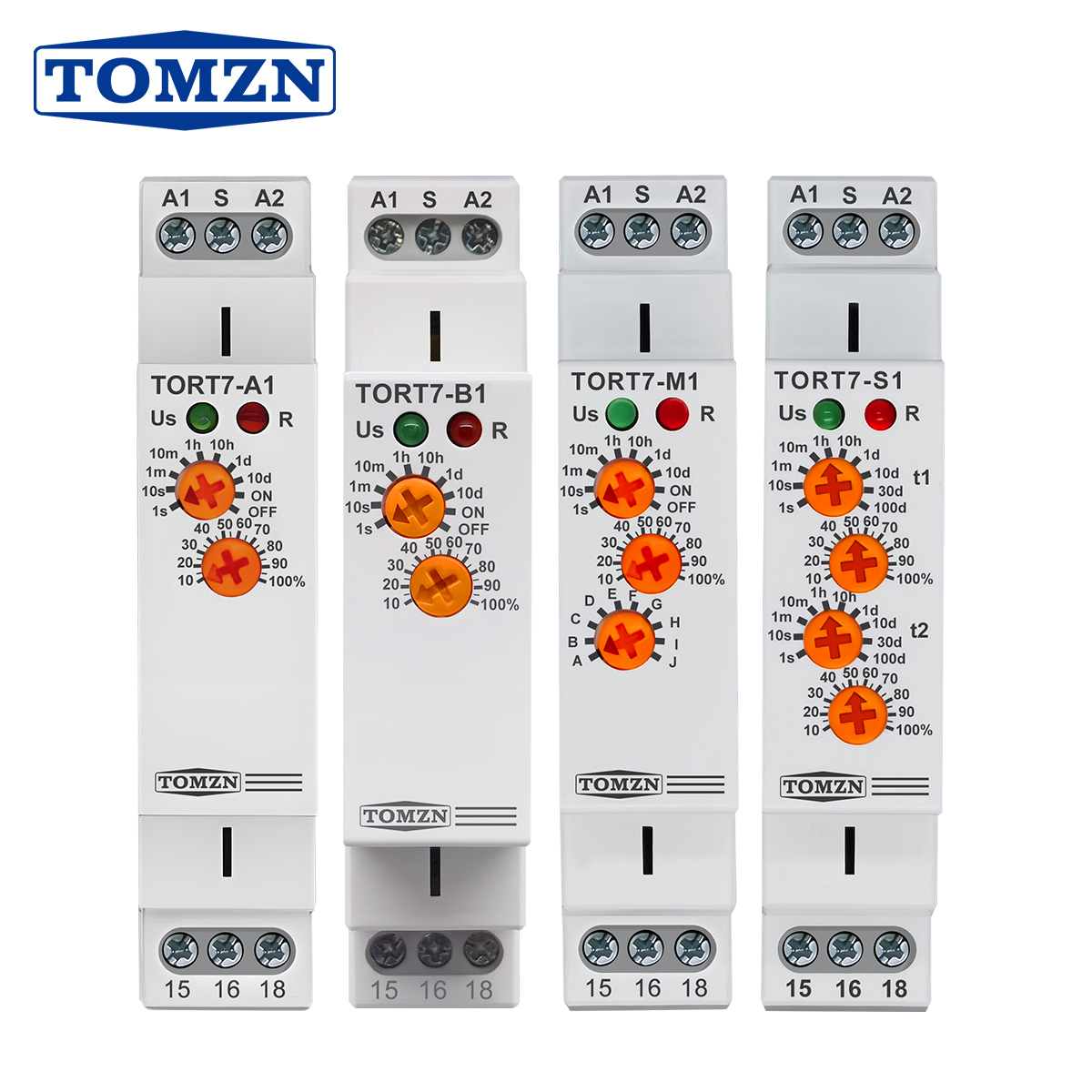
Emerging bakeries, cold-storage facilities, and light assembly plants require ruggedized 3-phase changeover switches (3P/4P 100A–125A). The ATS is paired with DIN-rail over/under-voltage relays to prevent destructive phase-loss conditions when utility electricity resumes with severe instability.
Emerging Technology Trends Across the Cuban Grid Landscape
The transformation of Cuba's National Electric System (SEN) toward decentralized renewable generation is creating dynamic shifts in ATS hardware specifications across Santiago de Cuba:
- Integration of Microprocessor Intelligent Logic: Traditional mechanical contactors are rapidly being replaced by microprocessor-driven ATS units with configurable cutover delays. This prevents the switch from immediately re-engaging the grid during momentary reclosures, protecting internal magnetic coils and load electronics from damaging secondary surges.
- Low-Voltage Split-Phase Adaptation (110V/220V): Demand is surging for modular transfer switches capable of switching legacy 110V single-phase systems while accommodating modern 220V split-phase solar inverter inputs without requiring complex auxiliary control transformers.
- Pre-Wired IP65 Weatherproof Packages: Field installations in high-salinity zones (such as Santiago Bay) increasingly specify pre-wired combiner assemblies containing the ATS, AC surge arresters (SPD Type 2), and thermal-magnetic overcurrent protection housed within high-impact polycarbonate enclosures.
Why Engineering Specifiers Partner with Zhejiang TMB Electric
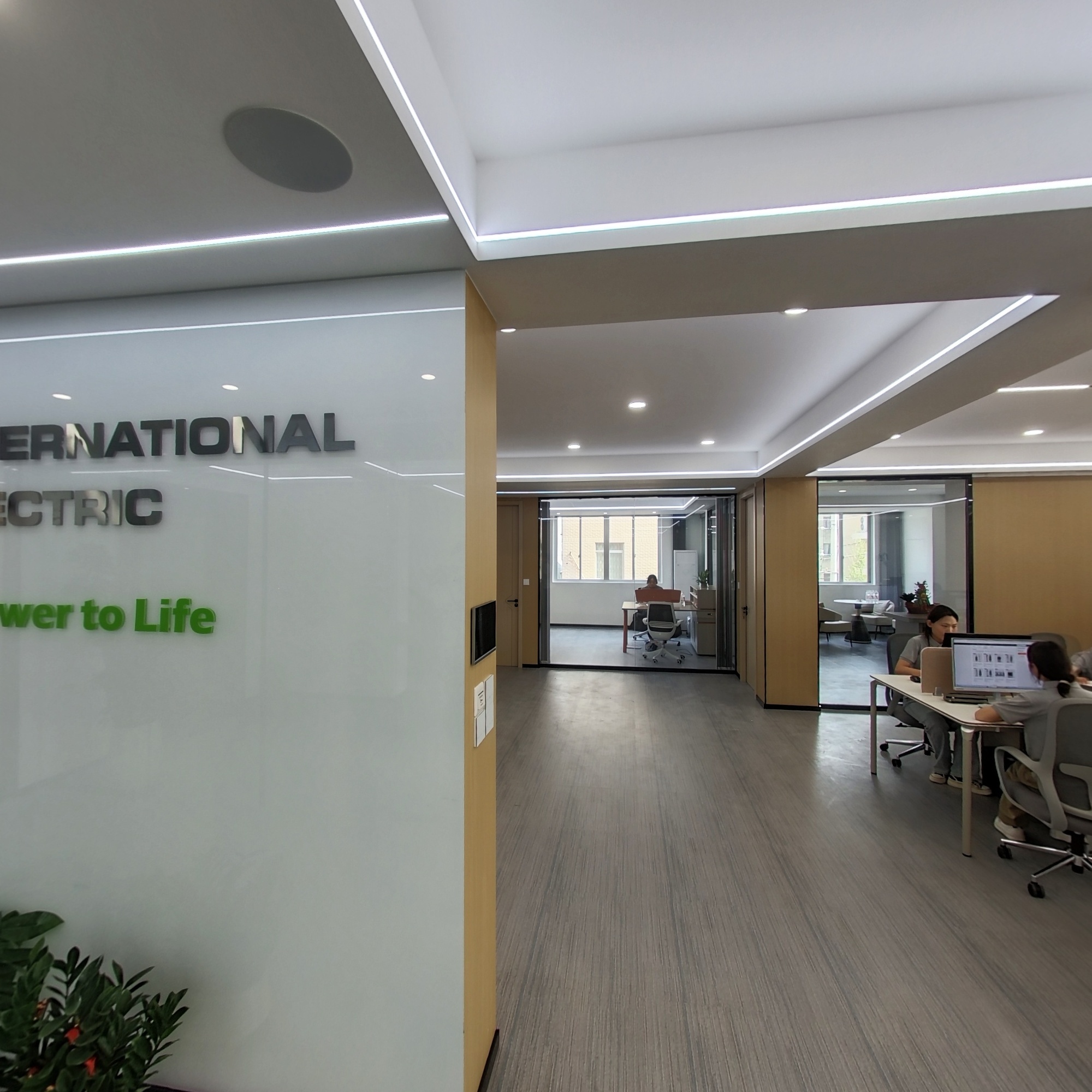
Headquartered in Liushi Town—the world-renowned capital of low-voltage electrical apparatus—Zhejiang TMB Electric Co., Ltd. brings 24 years of specialized manufacturing expertise directly to the Caribbean market. Our comprehensive ecosystem provides end-to-end control over silver alloy contacts, bimetallic thermal triggers, and flame-retardant polyamide housings.



- TÜV Rheinland On-Site Audited: 5,700 m² modern manufacturing facility operated by 92 certified technicians.
- Low Entry Friction: Flexible sample evaluation MOQ starting from 5 pieces, facilitating rapid testing by Caribbean contractors.
- OEM / ODM Custom Engineering: Tailored voltage thresholds (110V vs. 230V logic), custom laser marking, and pre-wired IP65 breaker boxes.
- Complete DIN-Rail Catalog: Full interoperability with our DC MCBs, solar combiner boxes, and intelligent Bluetooth/Weekly timers.
Frequently Asked Questions: ATS Procurement in Santiago de Cuba
What is the standard switching speed of TMB dual power automatic transfer switches?
Our PC-class and MCB-type TOQ3 dual power switches feature an operational mechanical transfer speed between 30ms and 50ms. This high-speed changeover ensures that standard residential appliances, refrigeration compressors, LED lighting circuits, and modern solar hybrid inverters maintain uninterrupted operation without tripping offline during utility failure.
How does the unstable voltage in Santiago de Cuba affect ATS selection?
Due to high voltage fluctuation ranges (often dropping below 90V or surging beyond 250V), it is highly recommended to install an adjustable over-and-under-voltage protection relay upstream or downstream of the ATS. This configuration ensures the ATS only transfers the electrical load to the primary grid line once the voltage has stabilized within safe thresholds for a predefined recovery duration.
Should I specify a 2-pole or 4-pole ATS for split-phase or three-phase installations?
For standard single-phase 110V/220V residential circuits, a 2P ATS is standard. However, in installations utilizing a backup generator or separate ground-neutral bonding on an off-grid solar inverter, a 4P switch (for three-phase systems) is imperative to switch the neutral conductor simultaneously. This eliminates dangerous ground circulating currents and neutral floating hazards.
Can an AC transfer switch be utilized to switch between high-voltage DC solar strings?
No. Under no circumstances should an AC ATS be used for DC string switching. Direct current does not have a natural zero-crossing point, meaning attempting to break DC arcs with an AC mechanism will cause severe terminal welding and fire hazards. Always use rated DC isolators and DC MCBs for photovoltaic array inputs, reserving ATS units exclusively for the AC distribution stage.
What is the minimum order quantity (MOQ) and lead time for shipments to the Caribbean?
We provide a low trial MOQ starting from only 5 pieces across our ATS catalog. Bulk wholesale orders and custom OEM private-label configurations are dispatched directly from our Wenzhou production facility, supported by full CE documentation, TÜV Rheinland assessment reports, and factory inspection declarations.
Configure Your Santiago de Cuba Transfer Switch Systems
Consult with our electrical engineers to match breaking capacities, coil voltages, and integrated timer protections to your local project requirements.
Inquire Now