Export-Grade Protective Equipment
Precision Protection & Automation Lineup
Factory-direct residual current, timing, and automated switching devices calibrated for harsh municipal grid dynamics, off-grid solar arrays, and industrial backup systems.

TORT7 Series Delay-ON Delay-OFF 10in1 Asymmetric Cycler Time Relay 0.1S-10D Interval

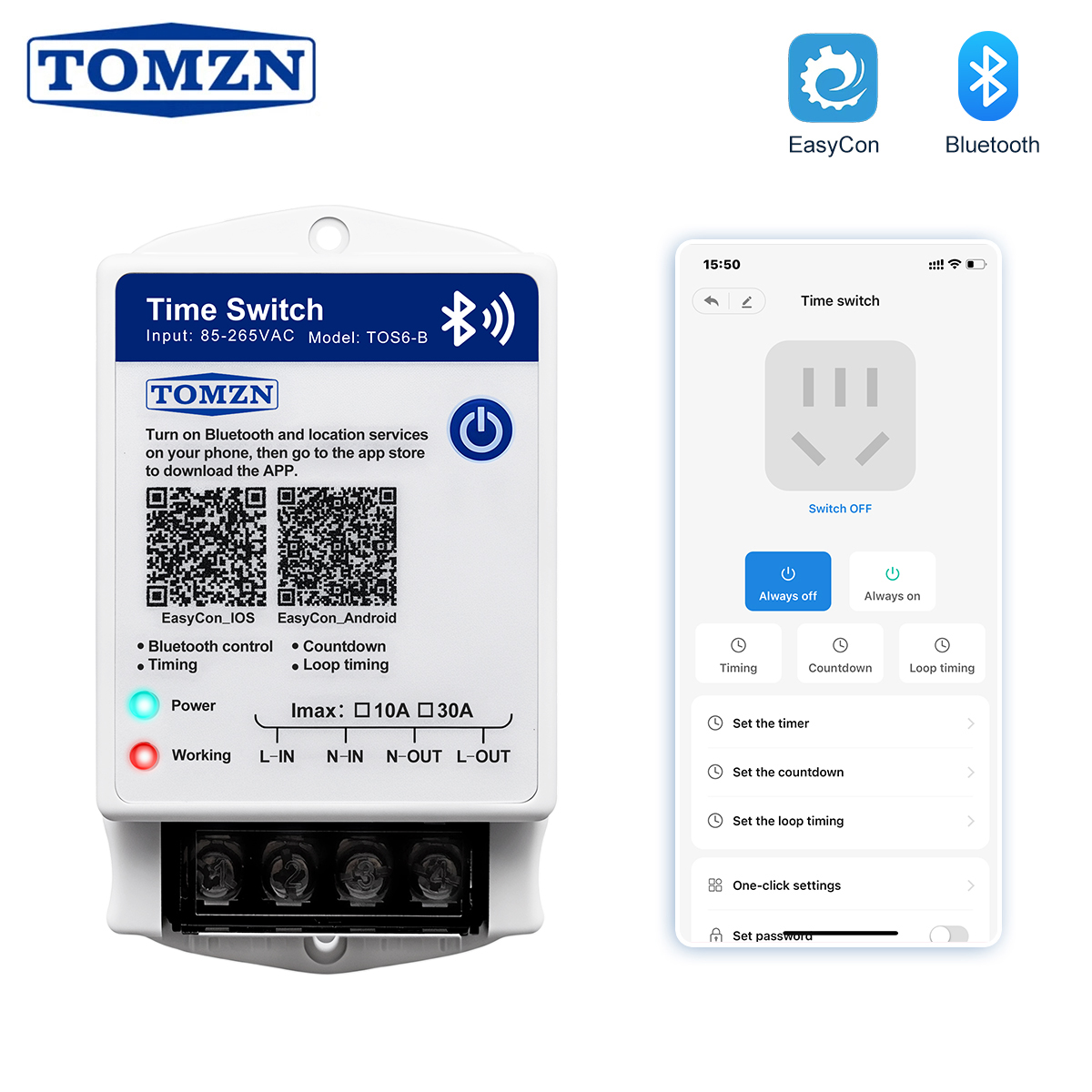
TOS6-40 Bluetooth Time Control Switch 35mm DIN Rail Wall-mounted AC85-265V 40A

TOMZN TOS7-B Bluetooth Smart Timer Switch 40A 63A 85-265V EasyCon App Remote
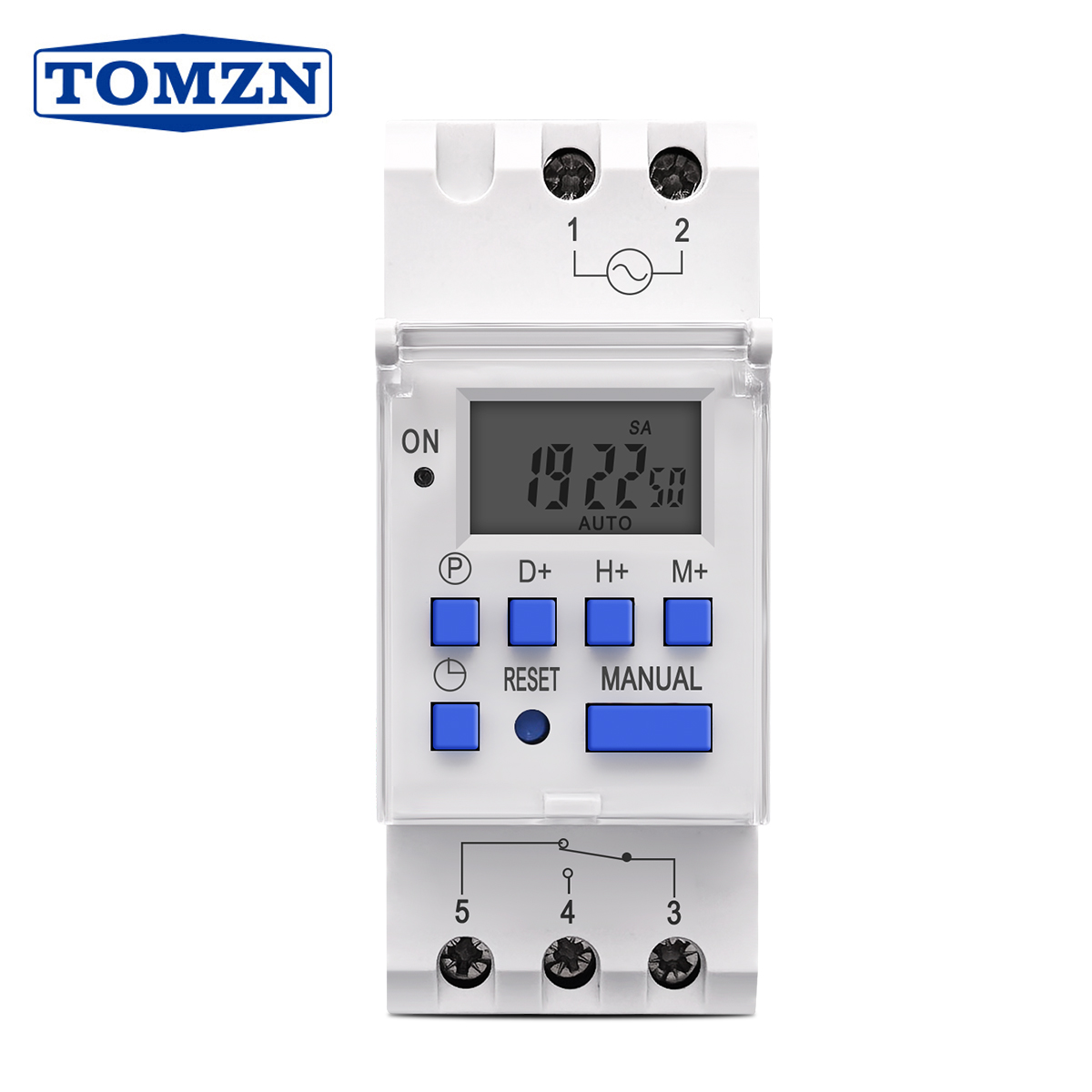
TOMZN 1NO 1NC DIN Rail Single Phase Weekly 7 Days Programmable Digital Switch Relay 16A

TOMZN New Type DIN Rail Single Phase Weekly 7 Days Programmable Timer Switch 230V 16A

Adjustable DIN Rail Voltage & Residual Current Monitoring Protector with kWh Display

Dual Power Automatic Transfer Switch (ATS) 2P/4P with Earth Leakage Coordination
24+
Years of Low-Voltage Manufacturing
5,700 m²
TÜV Rheinland Audited Facility
100+
Global Export Destinations
5 pcs
Flexible Low Trial MOQ
Engineering Context: Aleppo's Post-Reconstruction Electrical Landscape
The Metropolitan Area of Aleppo, encompassing commercial centers from the Old City souks to the industrial sprawl of Sheikh Najjar, presents one of the most mechanically demanding and electrically challenging low-voltage distribution environments in the Middle East. Over a decade of infrastructural degradation, coupled with an aggressive transition to multi-source decentralized microgrids, has forced local panel builders, electrical contractors, and utility authorities to rethink their electrical safety specifications.
In Aleppo, an electrical installation rarely relies on a clean, centralized grid utility. Instead, commercial facilities and residential complexes operate across a three-way hybrid mix: intermittent municipal grid supplies, shared community-scale diesel generators (commonly known as Ampere networks), and massive deployments of private rooftop Photovoltaic (PV) solar installations backed by lithium or lead-carbon battery storage. This multi-infeed topography makes Earth Leakage Circuit Breakers (ELCBs), Residual Current Circuit Breakers with Overcurrent Protection (RCBOs), and Ground Fault Equipment Protectors (GFEPs) mission-critical nodes of system reliability rather than mere regulatory afterthoughts.
Without high-performance residual current safety components designed to withstand severe harmonic pollution, sudden phase floating, and extreme ambient summer heat, facilities in Sheikh Najjar and Al-Hamadaniyah face pervasive operational bottlenecks. These range from nuisance tripping caused by high-frequency inverter ripple currents to catastrophic thermal burnouts resulting from sustained subterranean neutral-ground faults.
Industry Comparative Sourcing Guide
Top 10 Earth Leakage Breaker Suppliers Serving Aleppo
An authoritative operational breakdown of leading Tier-1 and specialized OEM manufacturers supplying residual current and earth leakage protection devices into Northern Syrian trade hubs.
1. Zhejiang TMB Electric Co., Ltd.
Operating a verified 5,700 m² factory in Liushi, Wenzhou—China's capital of low-voltage electrical apparatus—TMB Electric provides direct engineering integration for Aleppo distributors. Specializing in Type A, Type AC, and multi-functional residual current protectors with integrated over/under-voltage tripping, TMB combines low MOQs (from 5 units) with comprehensive TÜV-audited QA workflows, offering maximum cost-performance for reconstruction projects.
2. Schneider Electric (Levant Network)
Recognized throughout the Levant for the Acti9 series, Schneider remains the benchmark for premium industrial infrastructure in Sheikh Najjar. Their Vigi residual current blocks provide exceptional immune characteristics against high electromagnetic noise, though supply is frequently constrained by regional channel logistics and premium price hurdles.
3. ABB Low Voltage (FZE Channel)
Widely specified for institutional and medical rebuilds across central Aleppo, ABB's System Pro M compact series features robust residual current breakers (RCCBs/RCBOs) delivering bidirectional cylindrical terminals, dependable B and C trip curves, and high mechanical breaking stamina up to 10kA and 15kA.
4. Siemens (SENTRON Lineup)
Siemens supplies the Aleppo municipal water pumping and industrial processing sectors via their regional distributor routes. The SENTRON 5SV series offers superior earth leakage discrimination and Type B sensitivity capable of identifying smooth DC residual currents originating from solar PV inverters and variable speed drives.
5. CHINT Group
Possessing expansive brand penetration in the wholesale electrical markets of Aleppo (notably Maysaloon and Al-Jabiri), CHINT's NL1 and NB1 residual current mechanisms serve the volume residential segment with highly accessible pricing and widespread shelf availability.
6. Hager Middle East
Renowned among Aleppo commercial contractors for modular DIN-rail enclosures and protection architecture, Hager delivers single-module compact RCBOs suited for retrofitting congested legacy panels where spatial limitations prevent conventional multi-module expansions.
7. Legrand Middle East
Legrand's DX3 residual current range is popular across high-end domestic installations and private clinics throughout Western Aleppo. Their units feature high impulse withstand voltage (Uimp up to 6kV) and tight mechanical tolerance against corrosive ambient airborne particulate.
8. Eaton (Moeller Series)
Eaton's xEffect series caters to high-demand commercial loads. Their digital ELCB/RCCB models incorporate integrated real-time micro-leakage LEDs, alerting local maintenance engineers of insulation breakdown prior to trip execution.
9. Delixi Electric
A prominent Tier-2 player in the Syrian import space, Delixi provides cost-competitive RCD and RCBO alternatives for residential and light-commercial sub-distribution boards where procurement budgets are strictly limited.
10. CNC Electric Group
A volume-oriented Chinese supplier with an aggressive trade presence in northern transit corridors. CNC focuses on standard Type AC residual current devices for rural electrification and basic residential infrastructure projects.
Technical Benchmarking
Earth Leakage Breaker Comparative Matrix
Evaluate operational thresholds, trip class adaptability, and practical field compatibility for the Aleppo market.
| Manufacturer / Series | Residual Current Class | Rated Tripping Current (IΔn) | Breaking Capacity (Icn) | Inverter & Generator Immunity | Aleppo Deployment Best-Fit |
|---|---|---|---|---|---|
| Zhejiang TMB Electric (TOB & Protective Series) | Type A, Type AC, Auto-reclosing DC | 30mA, 100mA, 300mA | 6kA / 10kA | High (Integrated digital filtering & surge withstand) | Hybrid Solar Inverters, Generator ATS, Sheikh Najjar Factories |
| Schneider Electric (Acti9 iID / iC60) | Type A-SI, Type AC, Type B | 10mA, 30mA, 300mA | 6kA / 10kA / 15kA | Exceptional (Super-immunized circuitry) | Hospitals, Pharmaceutical Plants, High-Tier Commercial |
| ABB (F200 / DS200 Series) | Type A, Type B, Type AP-R | 30mA, 300mA, 500mA | 6kA / 10kA | Very High (Transient surge proof) | Substation Automation, Large Commercial, Multi-family Housing |
| Siemens (5SV / 5SU SENTRON) | Type A, Type F, Type B | 30mA, 300mA | 10kA | Exceptional (High-frequency leakage detection) | Industrial Automation, Heavy Motor Starters, Solar Farms |
| CHINT Electrics (NL1 / NB1 Series) | Type AC, Type A | 30mA, 100mA, 300mA | 4.5kA / 6kA | Moderate (Basic harmonic absorption) | Standard Residential, Small Retail, Low-budget Rebuilds |
Field Applications: Deploying Earth Leakage Breakers in Aleppo
Specifying residual current protection in Aleppo demands an intimate understanding of the physical environment and operational conditions on the ground. Generic specifications based purely on standard European topologies often lead to high rates of field failure or operational paralysis.
1. Textile, Plastic, and Food Processing Facilities in Sheikh Najjar: As Aleppo’s premier industrial zone reawakens, factories frequently operate variable frequency drives (VFDs) and heavy three-phase induction machinery driven by captive diesel generators. Standard Type AC residual breakers trip falsely due to the pulse-width modulation (PWM) switching frequencies emitted by motor controllers. Deploying Type A or Type B residual devices with short-time delay characteristics (Type G or Type S) is essential. These units resist nuisance tripping during generator step-loading while maintaining critical touch-voltage protection (under 50V AC) for plant operators working on ungrounded factory floors.
2. Decentralized Residential Microgrids (The "Ampere" System): In residential zones such as Al-Sulaymaniyah, Al-Midan, and New Aleppo, private diesel generators distribute power via overhead cables suspended between rooftops. Neutral floating is rampant, and Phase-to-Neutral reversals happen frequently during manual maintenance. Traditional single-pole plus neutral (1P+N) ELCBs that only break the phase conductor leave the neutral connected. If a ground fault occurs on an energized floating neutral, life safety is severely compromised. Engineering practices in Aleppo dictate the use of true two-pole (2P) and four-pole (4P) ELCBs/RCBOs that physically isolate all active conductors upon residual trip detection.
3. Residential and Commercial Hybrid Photovoltaic (PV) Deployments: Because grid power remains heavily rationed, rooftop solar generation has surged. Transformerless solar inverters produce high-frequency leakage currents across the parasitic capacitance of PV arrays. Standard AC-type ELCBs blindingly saturate under these conditions, rendering them completely inoperative during real human contact with live wires. Local panel builders are standardizing on Type A (30mA) breakers for AC final circuits and Type B for commercial PV sub-boards, combined with localized surge protective devices (SPDs) rated at 1000V DC and Type 2 AC.
Aleppo Electrical Trends: The Evolution of Circuit Protection
Sourcing behaviors among Syrian electrical engineers, contractors, and import merchants are shifting rapidly. Three prominent trends govern procurement patterns heading into the coming years:
Integration of Combined Protection (V-A-Leakage-Time): Independent standalone ELCBs are increasingly replaced by multi-functional DIN-rail devices. Given the erratic voltage fluctuations of local generator lines (often surging above 280V or plunging below 150V), local contractors require all-in-one DIN-rail modules that integrate adjustable over-voltage, under-voltage, over-current, and residual current leakage protection, complete with auto-reclosing and manual cycle timers. This reduces DIN-rail footprint in crowded enclosure boxes and dramatically lowers assembly labor.
Shift from Type AC to Type A Baseline Standards: Historically, price-sensitive Syrian markets relied heavily on low-cost Type AC breakers (sensitive only to pure sinusoidal AC faults). However, the ubiquity of switch-mode power supplies (SMPS) in LED lighting, computers, inverter-based air conditioners, and solar inverters introduces pulsating DC fault currents that blind standard Type AC cores. Wholesalers in Aleppo are actively phasing out Type AC imports in favor of Type A devices, ensuring reliable trip execution under pulsating DC leakages.
Stringent Demands for Mechanical Durability Against Extreme Climate Cycles: Aleppo endures harsh operational temperatures, ranging from freezing winter nights to scorching summer days exceeding 42°C. Breaker enclosures made of cheap thermoplastic degrade and crack, leading to internal spring mechanism fatigue and arc chamber failures. Sourcing agents are enforcing raw material verifications, demanding halogen-free, UV-resistant nylon casings with a minimum UL94-V0 flammability rating, reinforced silver alloy contacts, and wide operating temperature thresholds (-25°C to +60°C).
Procurement Knowledge Base
Frequently Asked Questions for Aleppo Buyers
Clear, expert technical answers addressing the real-world logistical, compliance, and engineering challenges of importing low-voltage switchgear into Syria.
What is the critical difference between Type AC, Type A, and Type B breakers in the Aleppo context?
Type AC breakers detect only alternating sinusoidal earth leakage currents. Type A detects both sinusoidal AC and pulsating DC residual currents (common with domestic electronics and standard inverter loads). Type B detects AC, pulsating DC, and smooth direct current (DC) leakages. In Aleppo, where almost all facilities run solar hybrid inverters and UPS battery plants, Type A is the absolute recommended minimum for sub-circuits, and Type B is necessary for solar combiner interfaces or main inputs.
Why do standard ELCBs trip continuously when switching between the grid and local Ampere generators?
Nuisance tripping during source transfer typically occurs because of an unsynchronized neutral switch or improper neutral bonding. If the ATS switches the phase lines but shares a common neutral, or if the generator neutral has multiple ground bonds, residual current loops back through the earth return path. Using a dedicated 4P Automatic Transfer Switch (ATS) that breaks the neutral simultaneously, along with an adjustable time-delay residual current relay on the incomer, permanently resolves this issue.
How does Zhejiang TMB Electric ensure product delivery and compliance despite regional shipping hurdles?
Zhejiang TMB Electric has over a decade of verified export experience serving the Middle East. Shipments can be arranged via major logistical hubs (such as Latakia Port, Mersin transit routes, or designated regional consolidators). All products are supplied with international CE markings, comprehensive factory test reports, and TÜV Rheinland-assessed manufacturing declarations, facilitating smooth third-party inspection and cross-border customs clearance.
What residual sensitivity (IΔn) should be specified for residential vs. industrial applications in Aleppo?
For personal life safety (touch protection) in homes, workshops, and school classrooms, 30mA instantaneous trip sensitivity is strictly mandatory. For industrial plant sub-boards in Sheikh Najjar with large motor installations, 100mA to 300mA time-delayed (Type S) devices should be utilized. This protects against catastrophic equipment earth faults and electrical fire hazards without tripping from normal natural cable capacitance.
Can we request private-label OEM branding and customized trip settings for the Aleppo market?
Yes. Zhejiang TMB Electric provides full OEM/ODM manufacturing. We can customize casing laser markings, silk-screen logos, packaging boxes, and customized current/voltage calibrations (such as integrating non-standard voltage recovery delay times optimized for local air-conditioning compressors and refrigeration cold-rooms).
Enterprise Manufacturing Capabilities
Why Zhejiang TMB Electric Leads the Supply Ecosystem
Decades of manufacturing precision, tight quality loops, and vertically integrated engineering in Liushi, Wenzhou.
24 Years of Manufacturing Authority
Headquartered in Huabei Village, Liushi Town—China's low-voltage production epicenter—TMB controls component sourcing from premium copper busbars and high-grade bimetals to silver alloy contacts, ensuring unmatched production lead times and rigorous cost containment.
TÜV Rheinland Verified Production
Our 5,700 m² workshop, operated by 92 dedicated manufacturing specialists, has been audited on-site by TÜV Rheinland. We enforce strict six-step QC workflows: incoming material validation, calibrated automated winding, trip point calibration, dielectric testing, and load-switching audits.
Flexible Low MOQ & Engineering Prototyping
We empower regional panel builders and wholesale importers with minimal financial barrier to entry, offering trial MOQs starting from just 5 pieces. Our direct R&D engineering staff can analyze customer single-line diagrams to recommend or configure custom ATS, combiner, and ELCB combinations.
Engineering Resilient Distribution Boards for Aleppo?
Consult with our low-voltage protection specialists today. Request full technical datasheets, TÜV inspection reports, or custom OEM configurations tailored specifically for your project requirements.
Get a Quote