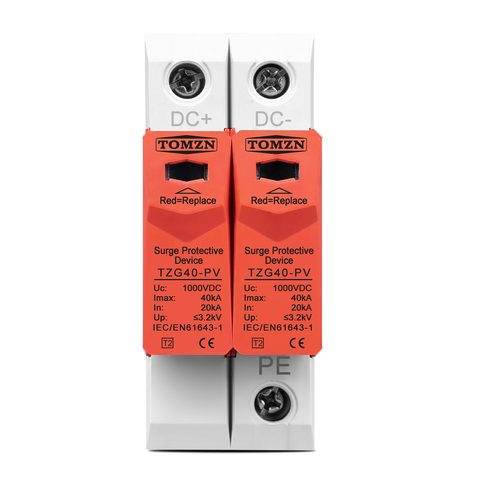
TOMZN DC SPD 500V–1000V Surge Arrester 20–40kA Photovoltaic Device
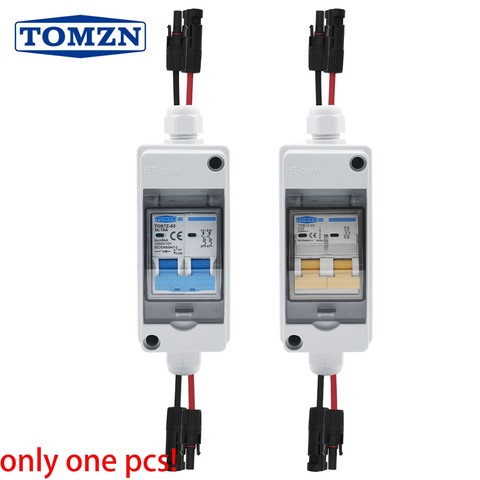
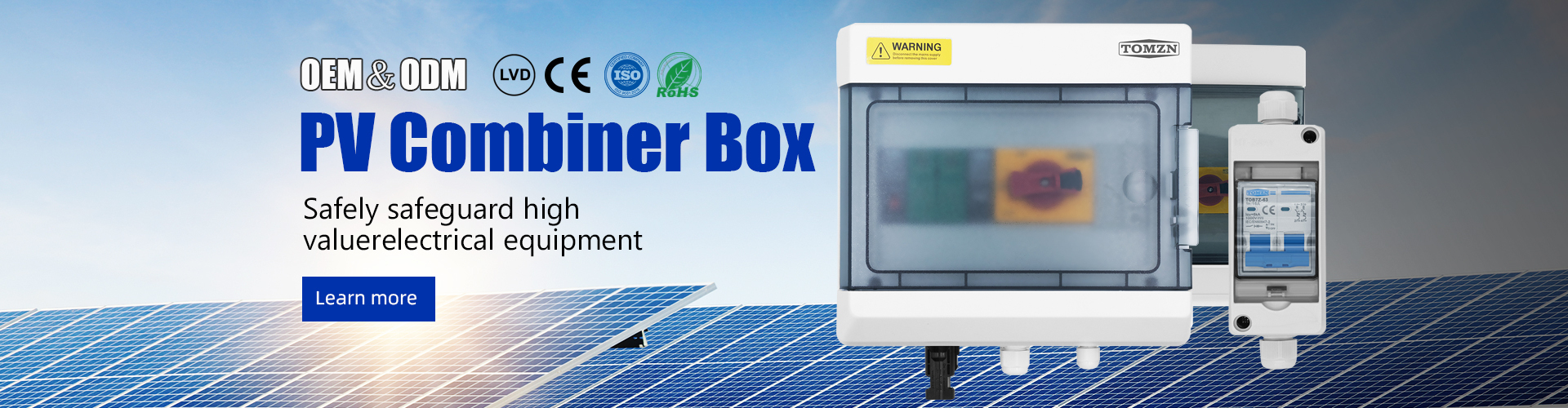
IP65 Solar PV Combiner Box Pre-Wired with DC Breaker, SPD & Fuses
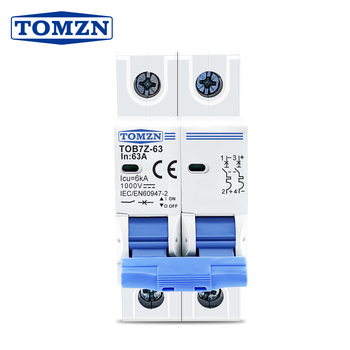
2P DC MCB 1000V Mini Circuit Breaker for Solar PV Strings (3A–63A)
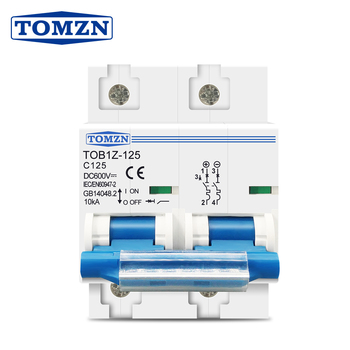
2P DC MCB 600V 80A–125A High-Amperage Solar Battery Main Switch
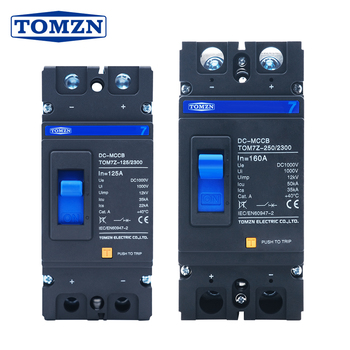
TOM7Z Series 2P DC 1000V Molded Case Circuit Breaker (MCCB)
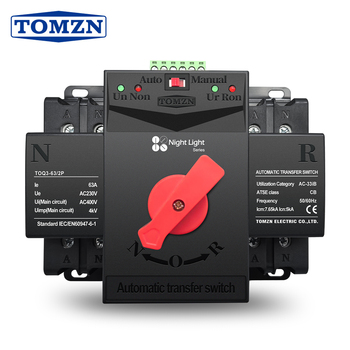
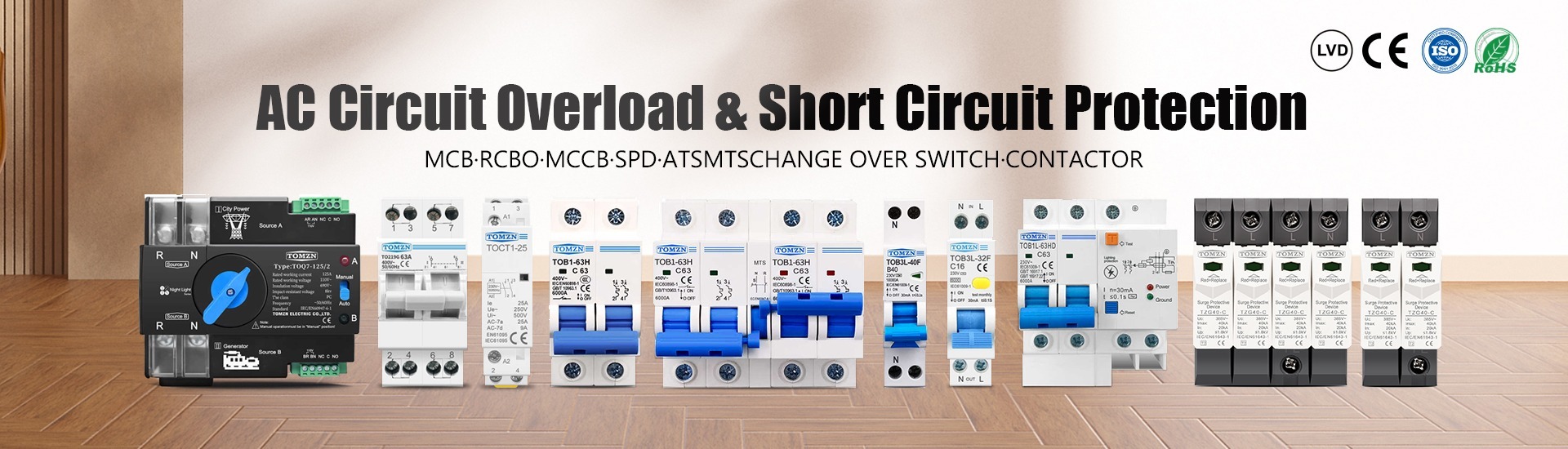
TOQ3 2P Dual Power Automatic Transfer Switch (ATS) 63A–125A 230V
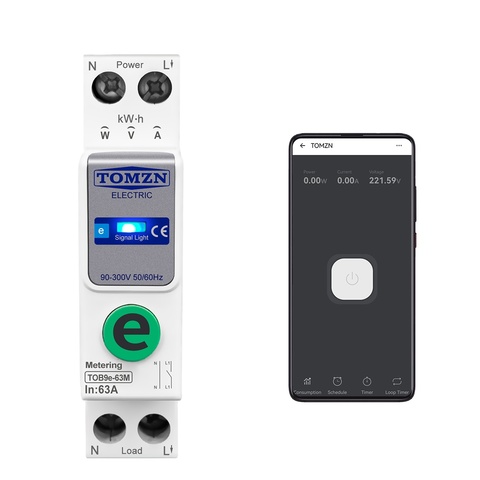
TOB9e-63M Smart WiFi Circuit Breaker with Real-Time Energy Monitoring
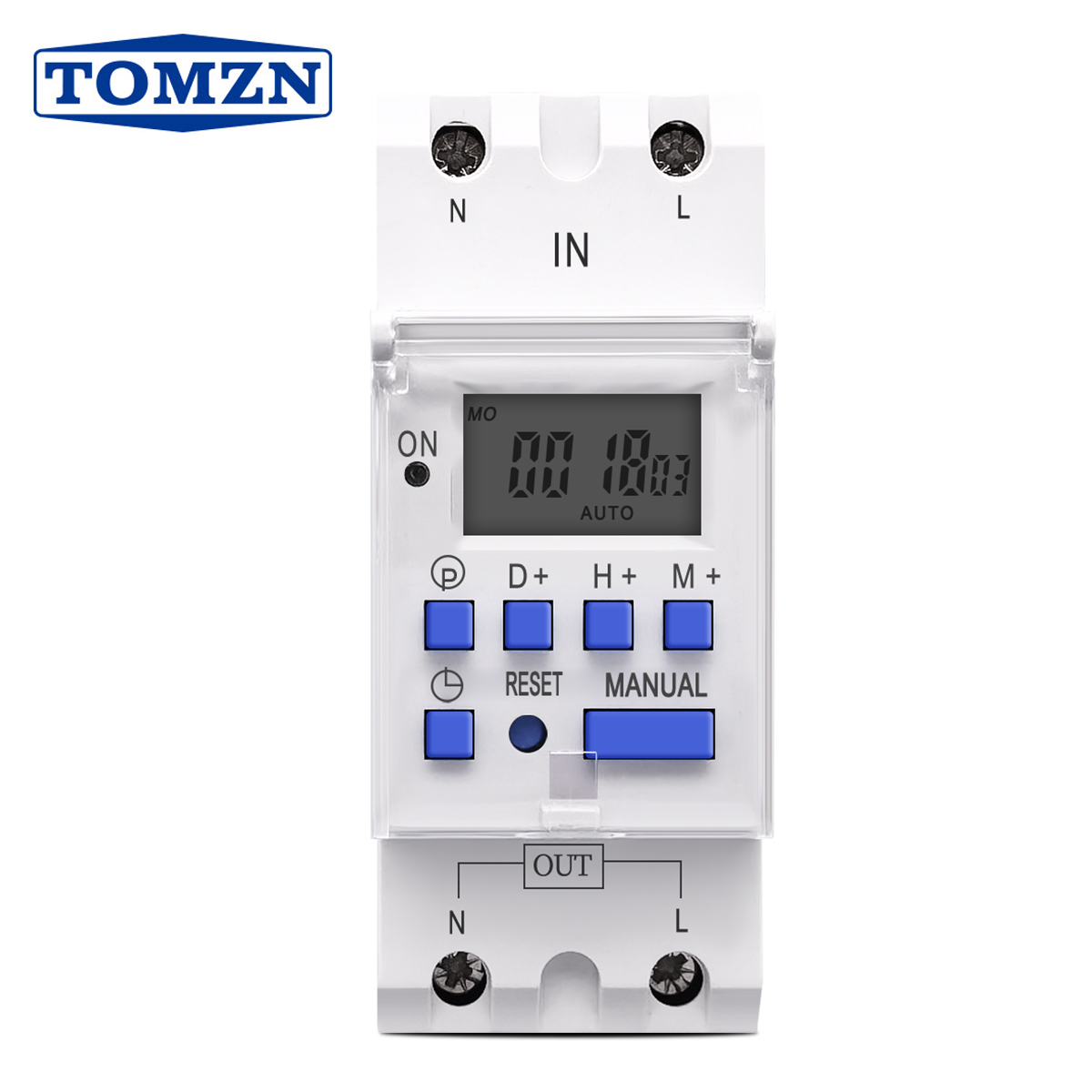
Weekly 7-Day Programmable Digital Time Switch DIN Rail Relay 16A
Solar PV Surge Protection Dynamics in the Uruguayan Electrical Grid
Analyzing national grid interconnectivity, UTE (Administración Nacional de Usinas y Trasmisiones Eléctricas) safety standards, and atmospheric lightning exposure across the Río de la Plata renewable basin.
Uruguay represents one of the world's most progressive clean-energy transitions, routinely generating over 95% to 98% of its electricity from renewable sources (hydroelectric, biomass, wind, and solar). As the Ministry of Industry, Energy and Mining (MIEM) and state electrical utility UTE continue expanding solar microgeneration (Ley de Microgeneración Distribuida N° 18.585 and Decreto 173/010) alongside utility-scale projects across northern departments like Salto, Artigas, and Paysandú, electrical protection engineering faces unprecedented requirements. The convergence of subtropical weather patterns, Rio de la Plata convective thunderstorm fronts, and extended DC string layouts makes surge protection devices (SPDs) the single most critical safeguard preventing premature inverter stage failure and catastrophic array fires.
Photovoltaic installations in Uruguay operate under severe electromagnetic transient pressures. The regional keraunic level across the inland pampas reaches 50 to 70 thunderstorm days per year, producing intense cloud-to-ground flash densities (Ng). Because large ground-mount farms and commercial rooftop cold-storage arrays in Canelones and Montevideo feature massive exposed metallic surface areas, indirect lightning strikes induce devastating overvoltages (L dI/dt transients) through DC conductor loops. Without high-capacity Type 1 and Type 2 DC surge protective devices engineered specifically for continuous DC arc suppression, equipment life cycles are sharply truncated, causing non-reimbursable downtime and violating UTE grid-interconnection codes.
| Uruguayan Department / Zone | Solar Radiation (GHI) | Annual Lightning Days (Td) | Predominant Installation Type | Mandatory SPD Selection (DC / AC) |
|---|---|---|---|---|
| Salto / Artigas / Paysandú | 1,750 – 1,880 kWh/m² | 55 – 70 Days/Year | Utility Solar Farms & Agro-photovoltaic Wells | Type 1+2 DC SPD (Iimp 12.5kA, Imax 40kA) + Type 2 AC SPD |
| Montevideo & Metropolitan Area | 1,550 – 1,650 kWh/m² | 35 – 45 Days/Year | Commercial Logistics Rooftops & Net-Metering | Type 2 DC SPD (In 20kA, Imax 40kA) + Type 2 AC Incomer SPD |
| Canelones / San José | 1,600 – 1,700 kWh/m² | 40 – 50 Days/Year | Agro-Industrial Wineries & Cold Chain Storage | Type 2 DC SPD (1000V) + Over/Under Voltage Protector Relay |
| Maldonado / Rocha (Coastal) | 1,620 – 1,720 kWh/m² | 30 – 40 Days/Year | Off-Grid Coastal Residences & Eco-Resorts | Type 2 DC SPD with Salt-Fog Treated Terminals (IP65 Enclosure) |
| Tacuarembó / Rivera (Central Norte) | 1,700 – 1,820 kWh/m² | 50 – 65 Days/Year | Rural Electrification & Solar Water Pumping | Type 1+2 Combined DC SPD + DC Lightning Arrester |
Top 10 PV Surge Protector Manufacturers & Exporters in the Uruguay Market
An unbiased, comparative analysis of the primary domestic, regional, and international surge protection manufacturers serving Uruguayan distributors, EPCs, and industrial panel builders.
Zhejiang TMB Electric Co., Ltd. (TOMZN)
Holding 24 years of manufacturing heritage in Liushi, Wenzhou, TMB Electric is a benchmark manufacturer of solar DC circuit components. Assessed on-site by TÜV Rheinland, TMB specializes in high-durability DC SPDs (500V to 1000V DC, 20–40kA), IP65 pre-wired combiner boxes, and DC MCCBs tailored for Uruguayan distributed microgeneration and utility projects.
DEHN SE
Recognized worldwide for lightning protection engineering, DEHN manufactures premium modular SPDs such as the DEHNcombo and DEHNguard series. Widely deployed in high-budget utility projects and high-specification public infrastructure tenders in Uruguay.
Phoenix Contact GmbH
Supplies the VAL-MS-T1/T2 and VALVETRAB line of surge arresters. Highly integrated into industrial automation panels throughout the Río Negro hydroelectric corridors and major Uruguayan food-processing installations.
Schneider Electric
Dominates standard building switchgear throughout South America. Schneider offers the Acti9 iPRD DC surge series. Strong distributor presence in Uruguay via established local electrical retail warehouses.
ABB Electrification
Supplies OVR series surge protective devices engineered specifically for commercial and utility solar arrays. Well-established relationships with engineering EPCs executing high-voltage substation interconnects for UTE.
CITEL Group
Specializes entirely in surge protection components. Their DS50PV and DS60VGP series utilize patented VG technology (gas tube + MOV series hybrid) which completely prevents leakage current and eliminates nuisance tripping.
Eaton Corporation
Known for industrial power quality, Eaton provides solar surge suppressors engineered into residential and microgrid balance-of-system solutions across Latin America.
Raycap (Rayvoss / ProTec Series)
Renowned for Strikesorb and ProTec photovoltaic surge arresters. Employs heavy-duty silicon carbide and encapsulated varistor technology capable of enduring intense direct lightning current strikes without degradation.
Finder S.p.A.
A familiar name in Uruguayan control cabinets for relays and timers. Finder's Type 7P surge arresters provide modular DIN-rail protection for domestic solar microgeneration installations.
Cirprotec (Mersen)
Specializes in surge protection and external lightning strike interception systems. Highly regarded in Iberian and Latin American solar installations, offering the PV PRO series with internal dynamic disconnection.
Localized Uruguayan Solar PV Application Scenarios
How environmental topography, agricultural infrastructure, and grid interconnectivity define surge protective device deployment across Uruguay.
Agro-Industrial Wineries & Dairy Cold-Chains
Canelones, Colonia, and San José house massive agricultural storage facilities with expansive metal sandwich-panel roofs. These roofs generate large electrostatic loops during convective summer storms. Implementing IP65 pre-wired combiner boxes equipped with dual 1000V DC SPDs and integrated DC disconnects prevents equipment destruction, ensuring milk chilling and wine fermentation lines remain uninterrupted.
Commercial Rooftop Net-Metering (UTE Grid)
Under UTE microgeneration protocols, urban installations in Montevideo must ensure bidirectional power flows do not propagate transient surges back into the medium-voltage grid. Installers deploy a coordinated cascade: Type 2 DC SPDs directly before the string inverter inputs, combined with Type 2 AC SPDs and automated Over & Under Voltage Protectors on the AC distribution panel board.
Off-Grid Solar Irrigation & Cattle Wells
Northern citrus and cattle ranches in Salto, Artigas, and Tacuarembó rely on standalone solar pumping drives located miles from the central grid. High ground impedance in rocky soils amplifies touch voltages and lightning surge travel. High-amperage 2P DC MCBs paired with 20–40kA DC SPDs protect costly variable frequency drives (VFD) from high-energy surges.
Uruguay Photovoltaic Market & Surge Protection Trends
Key drivers shaping renewable balance-of-system (BOS) switchgear purchasing behaviors across the Southern Cone.
Transition from 600V to 1000V/1500V String Architectures
Commercial and utility developers in Uruguay are rapidly abandoning traditional 600V string layouts in favor of 1000V DC and 1500V DC topologies. This transition significantly lowers copper cable mass and installation labor, but demands surge protective devices with higher continuous operating voltage ratings (Ucpv ≥ 1170V for 1000V strings) and advanced arc suppression mechanisms to withstand extreme string open-circuit voltages during cold winter dawns.
Strict UTE Verification of Thermal Disconnection Safety
UTE inspection authorities enforce rigorous compliance with IEC 61643-31 (Low-voltage surge protective devices for photovoltaic installations). Installers are required to prove that failed varistor modules feature dynamic mechanical thermal separation barriers. This eliminates high-impedance thermal runaway fires, a historical hazard in legacy DC combiner boxes lacking physical disconnector shields.
Rise of Integrated Combiner Boxes & Pre-Engineered BOS
High skilled-labor wages in Uruguay encourage EPCs to import pre-wired, pre-tested combiner enclosures rather than assembling raw components on-site. The demand for IP65 UV-stabilized polycarbonate boxes housing matched DC MCBs, touch-safe fuse holders, and pluggable Type 2 SPDs has experienced a 35% compound annual growth rate over the last three years.
How to Properly Calculate & Specify PV Surge Protectors for Uruguay
Follow these mathematical and environmental criteria to avoid premature varistor degradation and ensure compliance with IEC 61643-31 and UTE standards.
A frequent error made by project planners in Uruguay is sizing the maximum continuous operating voltage (Ucpv) of a DC SPD exactly equal to the nominal DC string voltage. In regions like Tacuarembó or Salto, winter morning temperatures routinely drop to 0°C to 4°C. Photovoltaic crystalline silicon modules possess a negative temperature coefficient of open-circuit voltage (βVoc ≈ -0.28% to -0.35%/°C). Consequently, the actual string open-circuit voltage (Voc_max) increases significantly beyond standard test conditions (STC 25°C).
| Nominal String Voltage (STC) | Calculated Voc_max (-5°C Margin) | Minimum Required Ucpv (SPD Rating) | Recommended TMB Electric Model | Nominal Discharge Current (In) |
|---|---|---|---|---|
| 500 V DC | 565 V DC | ≥ 600 V DC | TOMZN SPD-DC 600V (2P) | 20 kA (8/20 μs) |
| 750 V DC | 848 V DC | ≥ 800 V – 1000 V DC | TOMZN SPD-DC 800V / 1000V (3P Y-Type) | 20 kA (8/20 μs) |
| 1000 V DC | 1,130 V DC | ≥ 1000 V – 1200 V DC | TOMZN SPD-DC 1000V High-Energy Cartridge | 20 kA (Imax: 40 kA) |
| AC Inverter Output (230V Single Phase) | 253 V AC (+10% UTE Swell) | ≥ 275 V – 385 V AC | TOMZN AC SPD 2P (Type 2 Class C) | 20 kA (Imax: 40 kA) |
| AC Main Incomer (400V Three Phase) | 440 V AC (+10% Transient) | ≥ 385 V – 420 V AC | TOMZN AC SPD 4P (3P+N Modular) | 30 kA (Imax: 60 kA) |
Why Direct Importers & Wholesalers in Uruguay Partner with Zhejiang TMB Electric
Direct factory manufacturing, TÜV Rheinland on-site audit verification, and uncompromised supply chain agility from the low-voltage electrical capital of China.
Rooted in Liushi: Unrivaled Supply Chain Speed
Zhejiang TMB Electric Co., Ltd. operates a specialized 5,700 m² production base in Huabei Village, Liushi Town, Wenzhou. Located inside the epicenter of China's electrical equipment cluster, our precision stamping, silver alloy contact synthesis, bimetal calibration, and flame-retardant polyamide housing molding occur within a 5-kilometer radius. This geographic advantage delivers unprecedented production lead times and rigorous raw material batch consistency.
- TÜV Rheinland Assessed: Complete on-site supplier factory audit verifying capital, staff, and production testing facilities.
- Low Trial MOQs: Standard catalog products available from 5 units (some timers from 1 unit), enabling risk-free laboratory testing for Uruguayan engineers.
- Bespoke OEM/ODM Branding: Custom pad printing, private labeling, Spanish laser markings, and custom string combiner box assembly.
- Rigorous Quality Assurance: 100% dielectric withstand testing, dynamic thermal release audit, and automated optical inspection on every unit.
 TÜV Rheinland
Verified On-Site Facility
 CE Mark Compliant
IEC 61643-31 Testing
Frequently Asked Questions by Uruguayan Importers & Solar EPCs
Clear, engineering-focused answers regarding customs compliance, UTE technical approval, installation topologies, and commercial import terms.
Are TMB Electric (TOMZN) surge protective devices compliant with UTE connection requirements in Uruguay?
Yes. UTE regulations for microgeneration (Decreto 173/010 and related URSEA technical norms) mandate that all balance-of-system protective equipment installed on the grid interface comply with relevant international standards, specifically IEC 61643-31 for DC photovoltaic arresters and IEC 61643-11 for AC equipment. TMB Electric surge protectors are CE-marked and manufactured under ISO-certified quality management processes, accompanied by complete laboratory test certificates indicating thermal disconnection parameters, voltage protection levels (Up < 3.8kV at 1000V DC), and residual current withstand. These documents can be directly submitted to UTE engineering review boards during the technical approval filing.
Can I utilize standard AC surge protectors on the DC side of a solar array to save costs?
Absolutely not. This is a hazardous installation error that frequently results in electrical panel fires. AC currents feature natural zero-crossings 100 times per second (in Uruguay's 50Hz grid), which assists the internal thermal disconnector in extinguishing the arc when an MOV reaches end-of-life. Direct current (DC) has no zero-crossing; the current flow is continuous. When an AC SPD varistor triggers on a DC string, the resulting follow-through current forms an uninterruptible plasma arc inside the device. Dedicated DC SPDs feature heavy-duty magnetic blowout coils, reinforced mechanical arc barriers, and specifically formulated varistors designed to reliably snuff out DC arcs up to 1000V or 1500V DC.
What are the import procedures, customs duties, and maritime logistics from Ningbo/Shanghai to Montevideo?
Shipments destined for Uruguay typically depart from Ningbo or Shanghai port, transiting directly to the Port of Montevideo with an average ocean transit time of 35 to 45 days. Low-voltage electrical switchgear (classified under Mercosur Harmonized System NCM Code 8536.30 for surge arresters and 8537.10 for equipped combiner boxes) generally incurs the Arancel Externo Común (AEC) duty rate alongside standard consular fees and local IVA (22%), unless imported under specific renewable energy tax-exemption decrees managed by MIEM (Comisión de Aplicación de la Ley de Inversiones - COMAP). TMB Electric provides full export documentation including verified Bills of Lading, detailed commercial invoices, packing lists, and certified Certificates of Origin (Form CO) to facilitate prompt customs dispatch.
How does the optical status indicator on TMB DC SPDs operate, and is remote signaling available?
Every TMB DC surge protector cartridge incorporates a precision mechanical optical inspection window. Under normal operation, the window displays green. When the internal varistor absorbs repeated atmospheric lightning impulses and degrades toward thermal threshold, the eutectic solder joint releases, physically snapping the internal spring-loaded flag to display a bright red indicator. For commercial or utility-scale arrays located in isolated areas of Uruguay (such as Artigas or Paysandú), TMB offers optional dry-contact remote signaling terminals (FM models). These normally-open/normally-closed (NO/NC) auxiliary contacts integrate with SCADA monitoring systems, PLC controllers, or IoT telemetry modules to alert site technicians immediately when a cartridge needs replacement.
What distance requirements apply between the DC SPD and the solar inverter under international norms?
Under IEC 60364-7-712 guidelines, if the physical conductor routing distance between the rooftop photovoltaic array (or string combiner box) and the solar inverter is less than 10 meters, a single set of DC surge protective devices located at the inverter DC terminal is generally considered sufficient protection. However, if the cable run exceeds 10 meters—which is customary in Uruguayan agricultural sheds, wineries, and ground-mount structures—surge reflections can double the transient voltage wavefront. In these installations, dual protection is mandatory: one SPD installed inside the array combiner box, and a second coordinated SPD positioned adjacent to the inverter DC inputs.
Can Uruguayan distributors request private-label (OEM) branding and custom combiner box configurations?
Yes. Zhejiang TMB Electric specializes in flexible OEM/ODM manufacturing partnerships. We provide high-resolution UV laser printing of local distributor logos, customized Spanish technical specification legends, custom barcode packaging, and fully bespoke combiner box configurations. Whether your project requires a compact 1-String in / 1-String out IP65 box with integrated 600V breaker and SPD, or a complex 4-in / 2-out combiner with touch-proof fuses and monitoring shunts, our engineering workshop can build to order with minimal MOQ thresholds starting from only 5 to 10 units.
Engineering High-Reliability Solar Protection for Uruguay
Whether you are outfitting utility-scale solar arrays in Salto, engineering industrial microgeneration cold-storage facilities in Canelones, or stocking your wholesale electrical distribution network in Montevideo, Zhejiang TMB Electric delivers certified, factory-direct protection components with rapid international turnaround.