Precision Switching & Electrical Protection Catalog
Industrial switching, DIN-rail timer relays, and medium/low-voltage control apparatus engineered for extreme duty cycles, solar integration, and automated power transfer.



Sapporo Market Intelligence: Medium-Voltage Switching in Cold-Climate Infrastructure
The medium-voltage (MV) distribution ecology across Sapporo and the greater Hokkaido Prefecture presents an intricate balance of climatic demands and modernization mandates. Operating under the stringent regulatory framework of the Hokkaido Electric Power Network Co., Inc. (HEPCO), medium-voltage installations must reliably extinguish arcs and isolate transient faults under sub-zero winter temperatures dipping beneath -25°C, high condensation indices during seasonal thaws, and intense mechanical snow loads.
Vacuum Circuit Breakers (VCBs) are the indispensable backbone of medium-voltage (typically 3.3 kV, 6.6 kV, and up to 33 kV) substations in Sapporo's municipal, commercial, and industrial facilities. Unlike outdated Oil Circuit Breakers (OCBs) or environmentally phased-out Gas Insulated Breakers (GIS using Sulfur Hexafluoride, SF6), the modern Vacuum Interrupter (VI) offers phenomenal dielectric recovery rates, low environmental footprint, virtually zero contact oxidation, and exceptional mechanical longevity across thousands of full-load operations.
As Sapporo progresses toward its aggressive Green Transformation (GX) initiatives and acts as a financial and high-tech nexus for Northern Japan, infrastructure managers face a critical challenge: integrating decentralized wind and utility-scale solar generation with robust switchgear that satisfies JIS C 4604 standards alongside international IEC 62271-100 benchmarks.
Critical Local Application Scenarios in Sapporo
Analyzing high-stress medium-voltage environments across industrial, commercial, and utility sectors throughout Ishikari Bay and the Sapporo metropolitan perimeter.
Semiconductor & Fab Expansion
Feeding cleanrooms and high-reliability processing lines near Chitose/Sapporo corridors, demanding microsecond arc extinction and zero voltage dip tolerances.
District Snow-Melting & HVAC
Inductive load switching for heavy hydronic pumping, thermal snow-melting plants, and central heating facilities exposed to continuous thermal fluctuations.
Ishikari Offshore Wind Terminals
Collector substations managing volatile transient recovery voltages (TRV), high capacitive currents, and salt-laden corrosive coastal atmospheres.
Green Data Center Hubs
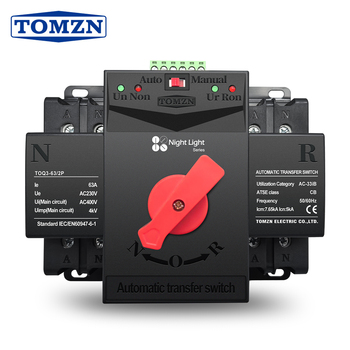
Low-temperature ambient cooled server architectures in Hokkaido requiring ultra-reliable ATS, dual-incomer VCB synchronization, and clean wave interruption.
Engineering Specification Matrix: Top Circuit Breaker Classes
Evaluating critical performance parameters for high-altitude, cold-temperature switchgear operating in northern regional grids.
| Circuit Breaker Class | Arc Extinction Medium | Cold Tolerance Limit | Dielectric Re-ignition Risk | Maintenance Interval | Environmental Profile |
|---|---|---|---|---|---|
| Modern Solid-Insulated VCB | High Vacuum (<10⁻⁴ Pa) | -40°C to +40°C Verified | Extremely Low (Rapid De-ionization) | 10–15 Years / 10,000 Ops | 100% Eco-Friendly (GWP = 0) |
| Legacy SF6 Gas Breakers | Sulfur Hexafluoride Gas | -15°C (Gas Liquefaction Danger) | Low (Subject to Gas Purity) | 5–8 Years (Pressure Audits) | Severe GHG (GWP = 23,500) |
| Air Blast Circuit Breaker | Compressed Air Column | -10°C (Moisture Freezing) | Moderate (High Contact Wear) | 2–3 Years (Pneumatics) | Neutral (High Noise Pollution) |
| Molded Case Air / DC Breakers | De-ion Plate Air Chutes | -25°C with Low-Temp Lubricant | High on Heavy Inductive DC | Regular Contact Inspection | Neutral |
Top 10 Vacuum Circuit Breaker Manufacturers Serving the Sapporo Market
A rigorous evaluation of domestic Japanese leaders and premier international tier-1 OEM manufacturing partners delivering medium-voltage resilience to Hokkaido.
For engineering contractors, switchboard builders, and EPC integrators serving Sapporo and overseas utility portfolios, TMB acts as an agile OEM/ODM manufacturing engine. By sourcing copper mechanisms, silver contacts, precision arc chutes, and flame-retardant housings within its integrated localized cluster, TMB guarantees rapid prototyping, rigorous quality traceability, and competitive unit economics with low trial MOQs (from 5 pieces).
Vacuum Interrupter Physics Under Cold Ambient Baselines
Operating medium-voltage switchgear in Sapporo's winter introduces unique physical challenges that standard factory testing often overlooks. Vacuum interrupters (VIs) extinguish arcs across separating contacts inside an ultra-high vacuum envelope (typically 10⁻⁴ to 10⁻⁷ Pa). Because there is no medium to freeze, liquefy, or undergo thermal decomposition, the vacuum interrupter itself is inherently superior to gas or oil alternatives in cold weather.
However, the operating mechanism, kinematic linkages, and dielectric insulation interfaces are highly susceptible to cold-climate stress:
- Lubricant Viscosity Increase: Conventional lithium greases stiffen below -10°C, causing slower opening times and potential failure to reach required contact separation speed before the first current zero.
- Vapor Condensation & Ice Bridging: Rapid temperature shifts between indoor heated switchrooms and unconditioned outdoor kiosks induce condensation along porcelain or epoxy bushings, leading to surface creepage discharges.
- Chopping Current Transients: When switching inductive transformer idling currents, vacuum contacts can cause premature current chopping, generating overvoltages that require coordinated Metal Oxide Varistors (MOV) or RC snubber integration.
TMB Electric and premier Japanese manufacturers address this via specialized synthetic hydrocarbon lubricants, silicone hydrophobic coatings on exterior insulating surfaces, and Cu-Cr (copper-chromium) alloy contacts that minimize chopping current below 3 Amperes.
Why Global Switchgear Integrators Partner with TMB
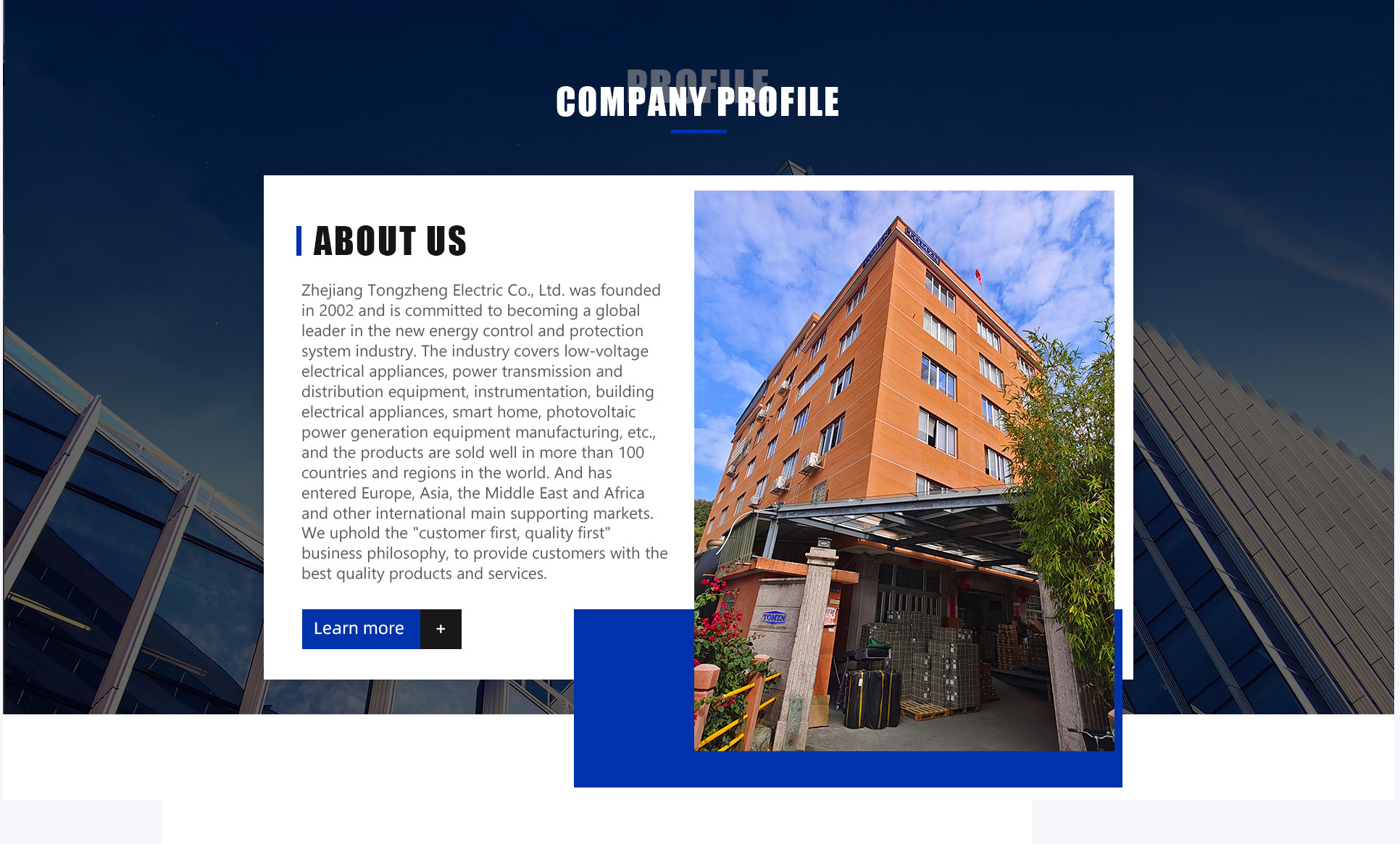
Backed by over two decades of technical evolution in low-voltage and renewable protection equipment, Zhejiang TMB Electric Co., Ltd. bridges the gap between precision high-spec components and accessible, scalable manufacturing.
- 24 Years Established Low-Voltage & PV Protection Expertise
- TÜV Rheinland On-Site Verified Factory Facility (5,700 m²)
- Comprehensive Quality Testing: Dielectric, Calibration & Torque Checkpoints
- CE Marked Portfolio across Breakers, ATS, and Solar Combiners
- Flexible OEM/ODM Capabilities with Low Sample MOQs
Procurement & Engineering FAQ for the Sapporo Market
Clarifying technical compliance, grid connection standards, and logistical considerations for Hokkaido installations.
Design Your Custom Switchgear or Protection Architecture
Connect with our technical engineering desk to review single-line diagrams, obtain certified model datasheets, or discuss OEM component manufacturing for Japanese and global utility markets.
Get a Quote