Verified Hardware Catalog
Precision DIN Rail Power Monitoring & Switching Systems
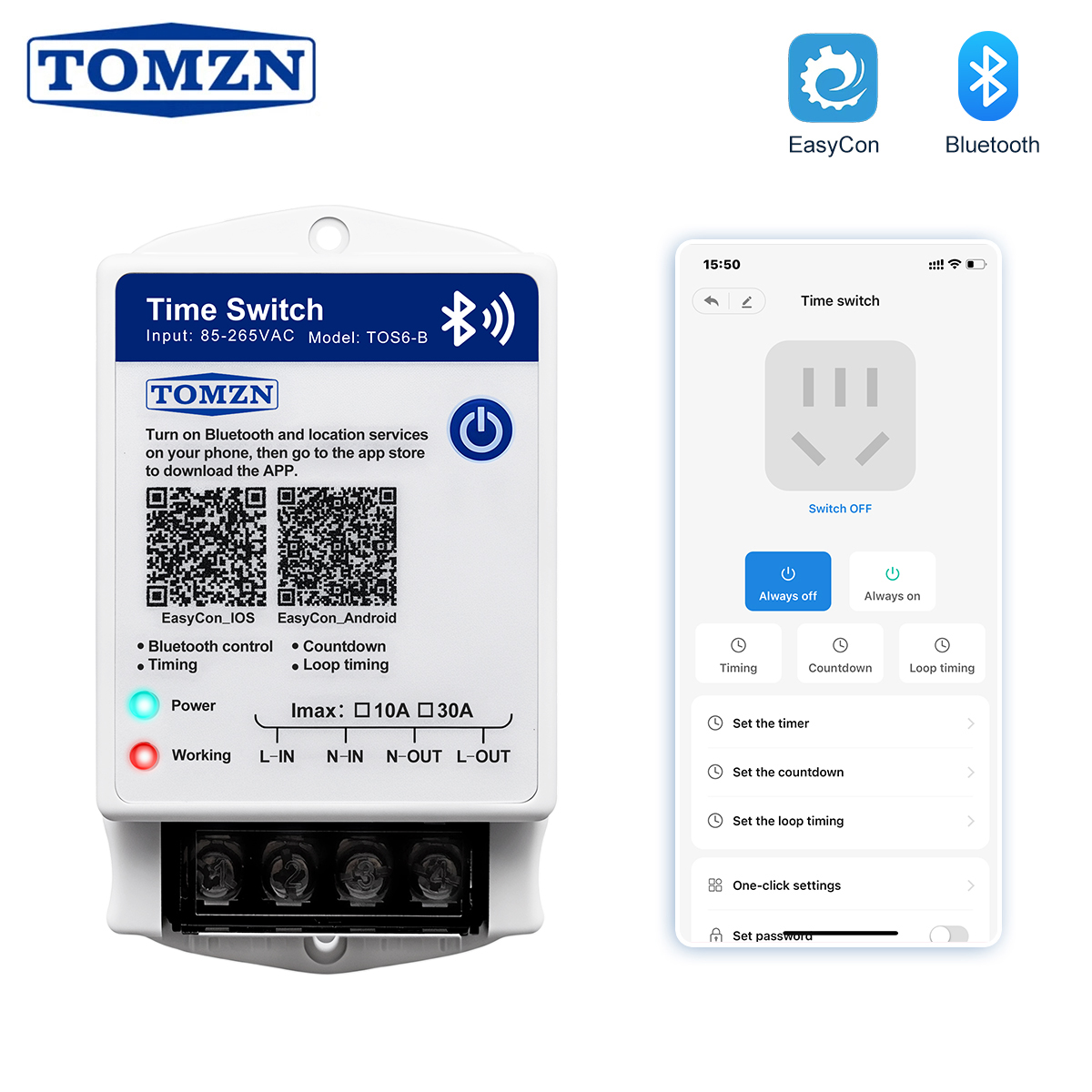
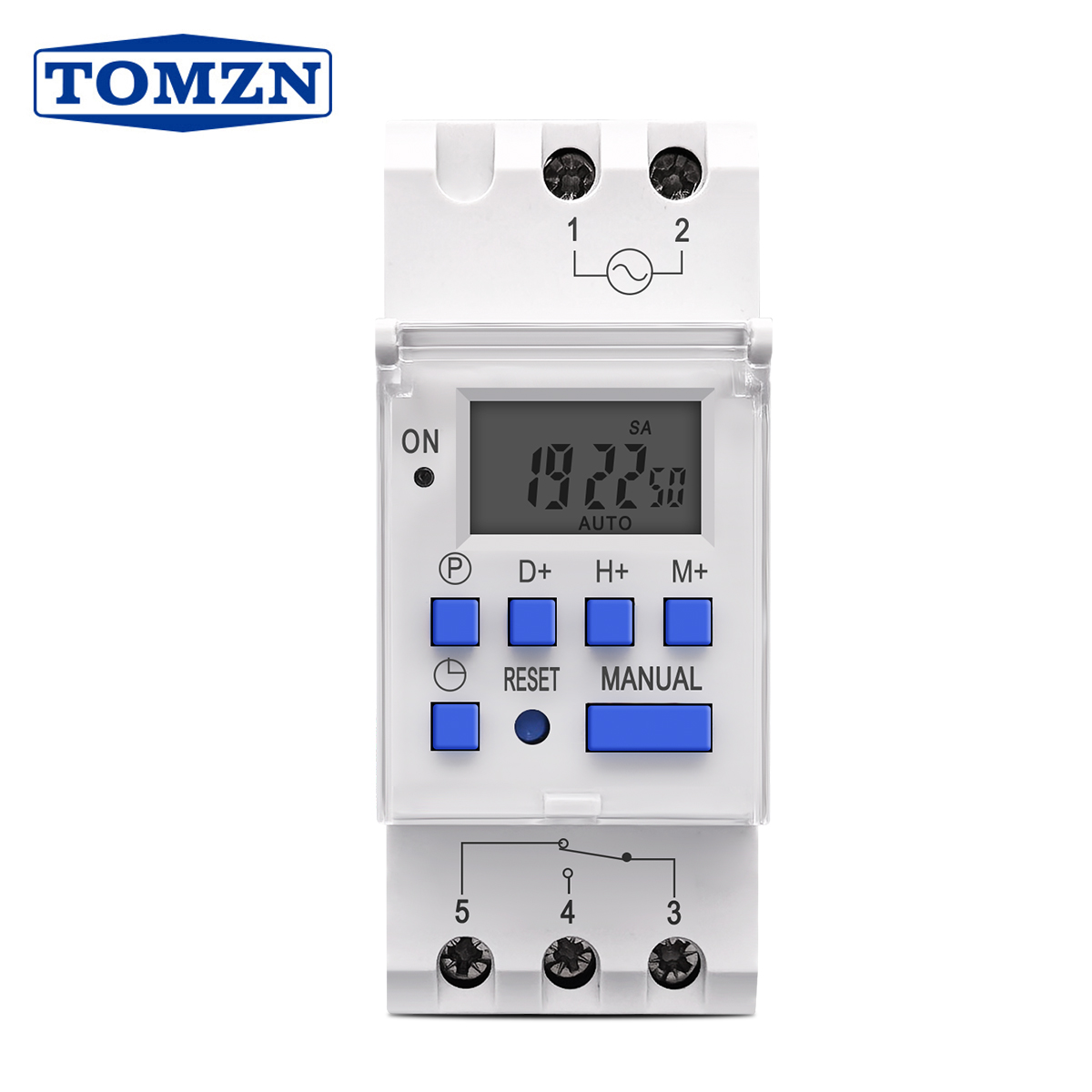
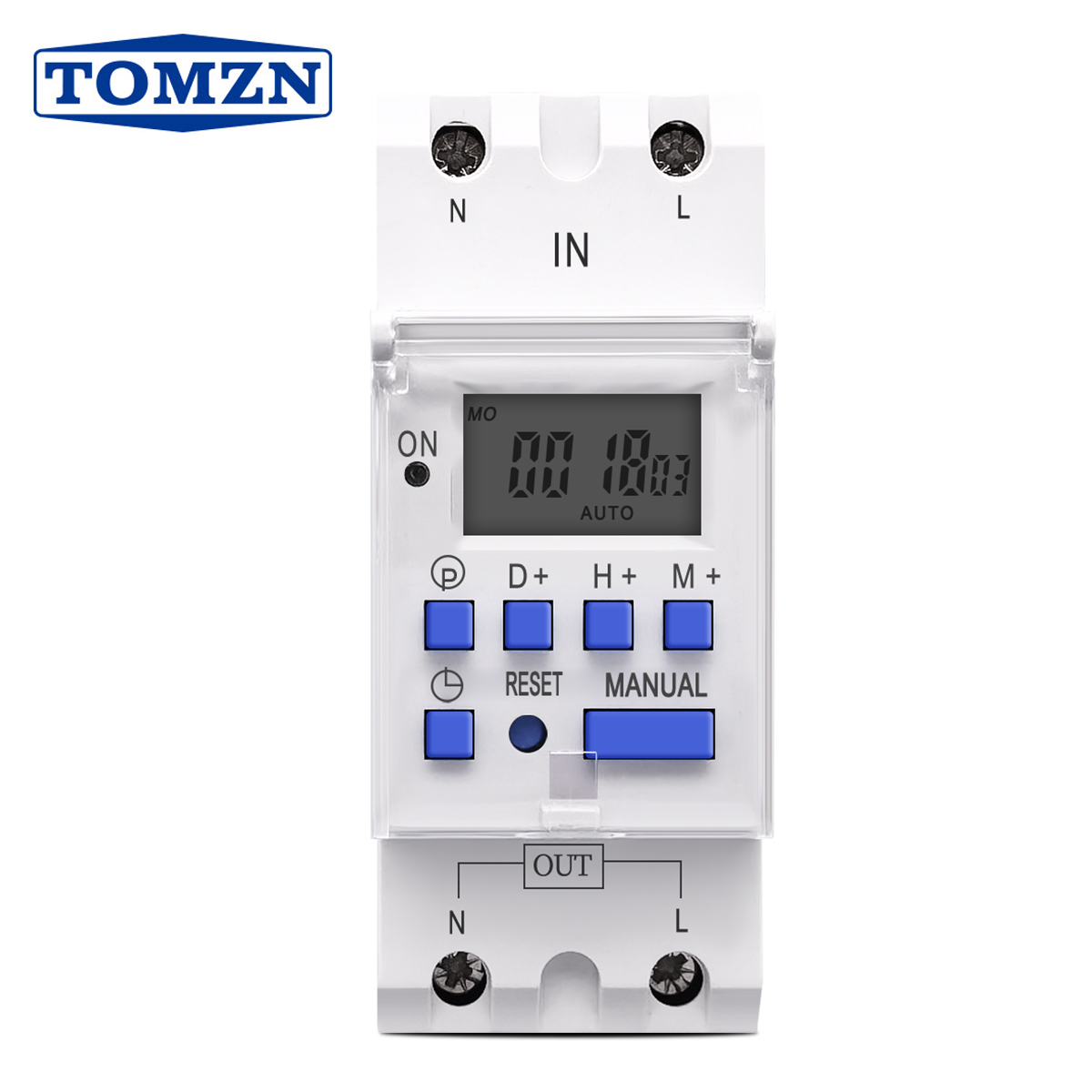
Class 1.0 accuracy energy measuring instruments, multi-channel cycle relays, and intelligent Bluetooth timers designed for rapid 35mm DIN-rail integration in Osaka distribution enclosures.





24+
Years Engineering Experience
5,700 m²
TÜV Verified Floorspace
Class 1.0
IEC 62053-21 Meter Precision
100+
Global Export Destinations
Technical Whitepaper & Regional Insight
DIN Rail Energy Meter Engineering & Grid Dynamics in Osaka
An authoritative evaluation of metering topography, 60Hz Kansai electric frequency dynamics, thermal distribution parameters, and smart sub-metering implementations across western Japan.
The commercial and industrial energy infrastructure of the Osaka metropolitan territory (Hanshin Industrial Region) presents a unique set of technical criteria for electrical sub-metering and energy automation. Operating strictly under the 60 Hz Kansai Transmission & Distribution grid, electrical distribution boards in Osaka require components that exhibit exceptional thermal stability under high ambient humidity, rapid sampling rates for harmonic distortion control, and space-saving modular DIN-rail enclosures that conform to Japanese switchboard standards (JIS C 8201 / JEM).
For Japanese system integrators, plant managers in Sakai, and commercial facility developers across Umeda and Namba, procuring DIN rail energy meters directly from China’s leading manufacturing clusters represents a strategic advantage. As industrial facility managers transition from manual mechanical dial meters to real-time telemetry systems, DIN-rail mounted smart meters with RS-485 Modbus-RTU, pulse outputs, and high-amperage direct connection (up to 63A/80A) have become the modern standard for ISO 50001 energy auditing and multi-tenant billing splits.
| Technical Parameter | Standard Legacy Sub-Meters | TMB Industrial DIN Rail Meter Series | Osaka Local Requirement / JIS Target |
|---|---|---|---|
| Grid Frequency Rating | 50Hz / 60Hz Variable (Calibrated 50Hz) | Dedicated 60Hz High-Speed Microcontroller Sampling | Mandatory 60Hz Kansai Grid Synchronization |
| Accuracy Class | Class 2.0 (±2.0% error margin) | IEC 62053-21 Class 1.0 (Active Energy <1.0% error) | Class 1.0 / Class 0.5S for Commercial Auditing |
| Form Factor & Mount | Panel Cutout Surface Mounting (72x72mm) | Modular 18mm / 36mm DIN Rail (EN 60715 TH35) | Space-Restricted Enclosure Backplanes |
| Telemetry Output | Dry Contact Mechanical Pulse Only | RS-485 Modbus, Optical IR Port, Bluetooth, WiFi | BEMS Integration & SCADA Factory Automation |
| Thermal Withstand | -10°C to +45°C | -25°C to +70°C V0 Flame-Retardant Polycarbonate | High Humidity Marine Climate Resilience |
Localized Deployment
Key Application Scenarios in Osaka & Kansai Area
From heavy manufacturing plants along Osaka Bay to high-density commercial assets, our DIN rail sub-meters deliver dependable data points.
Sakai-Senboku Industrial Zone Manufacturing
Precision machinery, metal stamping, and chemical processing facilities in Osaka's coastal industrial zone utilize our multi-function DIN rail energy meters to segregate energy overhead per production line. Real-time active (kWh), reactive (kVARh), and instantaneous amp monitoring provide preventative maintenance insights before motor burnout occurs.
Tenant Sub-Billing in Commercial Osaka High-Rises
Commercial facilities across Umeda, Chuo-ku, and Namba require ultra-compact, tamper-resistant sub-meters for multi-tenant retail and shared office spaces. Measuring individual circuit draw down to 0.05 Ib without requiring bulky current transformers, our devices enable precise monthly cost reconciliation.
Kansai Distributed Solar PV & BESS Integration
Paired with our DC circuit breakers and PV combiner enclosures, our bi-directional DIN rail energy meters track both import and export power in commercial rooftop solar installations and battery energy storage systems (BESS), ensuring compliance with feed-in tariff auditing and peak-shaving protocols.
Macro Transformation
Technological & Regulatory Trends Reshaping Osaka Energy Metering
How Japanese carbon neutrality targets, energy management system mandates, and supply chain rationalization are transforming procurement patterns.
Japan Energy Conservation Law Compliance
Under revised METI guidelines, Japanese factories and commercial properties must demonstrate quantifiable energy reductions. Modular sub-meters with RS-485 Modbus interfaces permit automated connection to centralized Building Energy Management Systems (BEMS), eliminating error-prone manual meter inspections.
Micro-Modular 35mm Rail Optimization
Real estate square footage constraints in Osaka switchrooms have made large analog meters obsolete. Contemporary contractors prioritize DIN-rail instruments occupying 1 to 4 standard modules (18mm-72mm), freeing distribution board real estate for auxiliary safety devices like SPDs and ATS units.
Supply Chain Diversification & Direct OEM Sourcing
Procurement directors at Japanese trading companies and panel-building consortiums are bypassing excessive domestic distribution layers. Sourcing directly from verified Wenzhou manufacturers like Zhejiang TMB Electric secures cost reductions of 30-45% while preserving stringent quality audits.
Verified Manufacturing Excellence
Engineered in Liushi, Wenzhou: 24 Years of Precision Electrical Craftsmanship
Operating from the global epicenter of low-voltage electrical apparatus in Liushi Town, Wenzhou, Zhejiang TMB Electric Co., Ltd. combines 24 years of specialized engineering with direct component-level supply integration. Our modern 5,700 m² production base undergoes rigorous on-site verification by TÜV Rheinland, ensuring complete process fidelity from raw electrolytic copper testing to final automated trip and dielectric calibration.
We supply global distributors, Japanese industrial EPC contractors, and OEM brands with custom-engineered circuit protection, automatic transfer switches, solar combiner boxes, and DIN rail energy meters. With an assessed annual export volume exceeding US$ 3.3 million across 100+ jurisdictions, our manufacturing systems guarantee repeatable accuracy and robust batch traceability.
- TÜV Rheinland Verified Facility: Comprehensive on-site assessment covering staff, factory floor, and operational protocols.
- Full Regulatory Markings: Selected models carry CE, RoHS, and internal quality management certifications aligned with international trade standards.
- Agile B2B Supply Terms: Flexible trial minimum order quantities starting from 5 pieces, alongside high-capacity OEM private-label production.
Verified Supplier Fact Sheet
Zhejiang TMB Electric Co., Ltd.
Operational Base:
Liushi, Wenzhou, Zhejiang, China
Verified Floorspace:
5,700 m² (On-site Checked)
Industry Experience:
24 Years Continuous Operation
Verified Workforce:
92 Technical & Assembly Staff
Third-Party Auditor:
TÜV Rheinland Assessment Report
Core Specialization:
DIN Rail Meters, MCB, ATS, PV Enclosures
OEM / ODM Readiness:
Private Label, Custom Ratings, Packaging
Procurement FAQ
Frequently Asked Questions by Japanese Engineers & Buyers
Addressing key technical inquiries regarding grid frequency adaptation, Japanese standards reconciliation, and international logistics into Osaka port.
Are these meters fully calibrated for the Kansai 60 Hz electrical grid?
Yes. While eastern Japan operates at 50 Hz, western Japan (including Osaka, Kyoto, and Kobe) operates at 60 Hz. Our smart microcontrollers sample voltage and current waveforms at high sampling frequencies specifically optimized for 60 Hz sine waves, preventing reactive measurement drift and maintaining IEC 62053-21 Class 1.0 accuracy.
Can your DIN rail energy meters be used for sub-metering tenant spaces?
Yes, our DIN-rail meters are widely implemented across industrial estates and multi-tenant commercial structures for internal cost allocation, tenant sub-billing, and BEMS monitoring. For official utility-grade tariff billing (revenue-grade), consult local regional utility guidelines regarding specific JEMIC meter certification mandates.
What is the standard lead time for freight forwarding into the Port of Osaka?
Direct sea freight shipping from Ningbo or Shanghai Port to the Port of Osaka typically requires only 3 to 5 days on water. For urgent sample validation batches or trial orders (from 5 pieces), air courier transit takes roughly 48 to 72 hours door-to-door, facilitating rapid engineering approvals.
Do you support custom RS-485 Modbus registers for PLC and SCADA integration?
Yes. We furnish complete Modbus communication protocol address maps. Our engineering department can customize communication registers, baud rates (up to 19200 bps), and parity settings to enable seamless plug-and-play communication with Omron, Mitsubishi Electric, or international SCADA systems.
Direct Manufacturer Access
Request Technical Datasheets & Competitive Osaka Port Pricing
Whether you require standard 35mm DIN rail energy sub-meters, programmable digital timer relays, or complete custom-configured distribution boards, our technical engineering team provides detailed quotations and compliance files within 24 hours.