High-Reliability DC Protection & Precision DIN-Rail Switches
Selected core models delivering high DC interrupting capacity, thermal-magnetic stability, and smart remote timing control for solar EPCs, switchgear assemblers, and battery energy storage integrators in Kyoto.
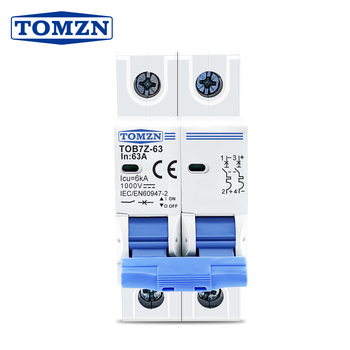
2P DC MCB 1000V Solar Mini Circuit Breaker
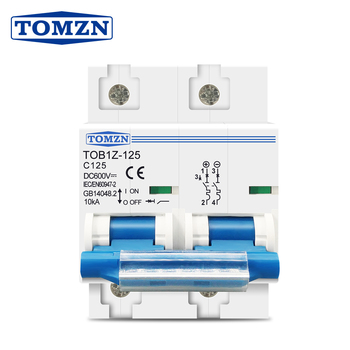
2P DC MCB 600V High-Current Battery Main Breaker
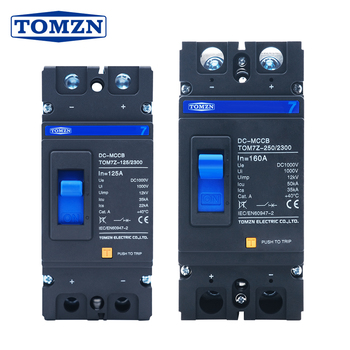
TOM7Z 2P 1000V DC Solar Molded Case Circuit Breaker
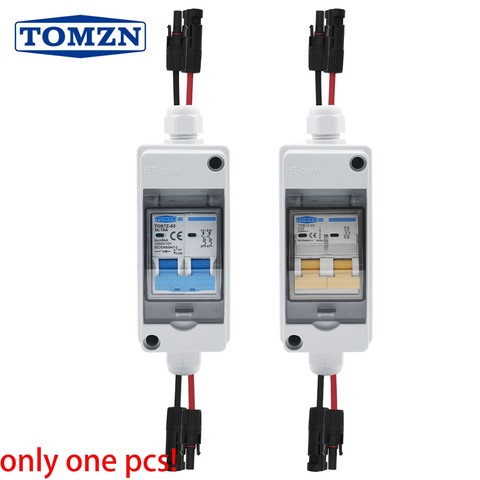
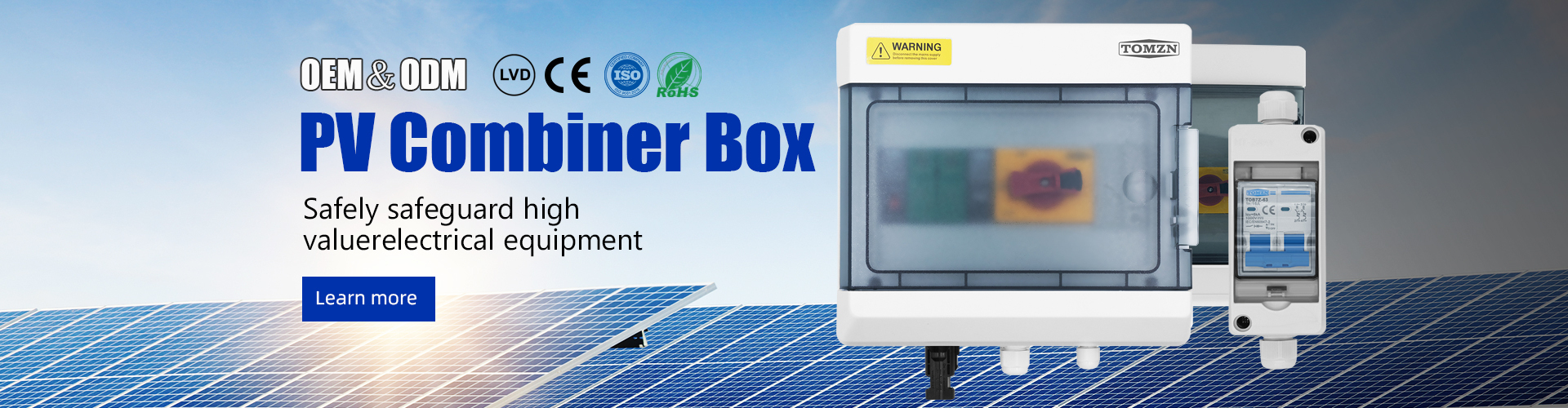
IP65 Pre-Wired Solar PV Combiner Box (DC MCB + SPD)

TOMZN TOS7-B Bluetooth Smart DIN-Rail Timer Switch

TOMZN Weekly 7-Day Programmable Digital Time Switch

TORT7 10-in-1 Asymmetric Cycler Time Delay Relay

TOS6-40 40A Bluetooth Time Control Switch (DIN & Wall)
Optimizing DC Circuit Protection for Kyoto’s Net-Zero Photovoltaic & Energy Storage Infrastructure
As the birthplace of the landmark Kyoto Protocol, Kyoto Prefecture and Kyoto City maintain some of Japan's most forward-thinking and rigorous municipal decarbonization standards. Under the Kyoto City Global Warming Countermeasures Ordinance, real estate developers, industrial facility operators, and commercial EPC contractors are mandated to integrate on-site renewable energy generation, primarily via rooftop solar photovoltaic (PV) arrays, high-efficiency battery energy storage systems (BESS), and localized DC microgrids. However, deploying high-voltage DC power across Kyoto’s unique architectural tapestry—spanning historic wooden Machiya quarters, sprawling industrial research hubs in the southern Minami-ku and Fushimi-ku corridors, and modern institutional campuses—imposes acute safety, regulatory, and engineering challenges.
Selecting a certified, high-reliability DC circuit breaker exporter is not merely a procurement transaction; it is a critical engineering safeguard. Unlike alternating current (AC), where the sinusoidal waveform naturally passes through zero volts 100 or 120 times per second—providing a physical cooling window that naturally quenches electrical arcs—direct current (DC) maintains continuous voltage and unbroken current. When a DC circuit is severed under load or fault conditions, an intense, continuous plasma arc is established. Without sophisticated magnetic blowout systems, precision splitter plates, and flame-retardant arc chambers, an unquenched DC arc rapidly reaches temperatures exceeding 3,500°C, leading to catastrophic equipment flashover, catastrophic switchgear destruction, and uncontained structural fire.
Critical Engineering Distinction: AC vs. DC Circuit Breaker Physics
Standard AC miniature circuit breakers (MCBs) must never be installed on high-voltage DC strings or battery feeds. DC-rated protection devices incorporate permanent magnets that physically stretch the plasma arc into a de-ionizing arc-chute matrix composed of multiple copper-plated steel splitter plates. Zhejiang TMB Electric Co., Ltd. calibrates every DC MCB and DC MCCB with magnetic blow-out coils and extended creepage distances designed to suppress 500V, 600V, and 1000V DC arcs within milliseconds.
For Japanese project developers, panel builders, and electrical trading houses across Kyoto, Kobe, and Osaka, components must satisfy stringent performance benchmarks aligned with JIS C 8201-2-1 (Low-voltage switchgear and controlgear), IEC 60947-2, and the safety directives overseen by the Electrical Safety Inspection Association (Kansai Electrical Safety Inspection Association - Kanden). Zhejiang TMB Electric Co., Ltd., based in Liushi Town, Wenzhou—China's capital of low-voltage electrical engineering—delivers over 24 years of manufacturing excellence, offering direct B2B export access to verified DC miniature circuit breakers, molded case circuit breakers, IP65 combiner enclosures, and dual-power transfer switches designed specifically to satisfy these exacting operational conditions.
| Circuit Protection Type | Recommended Model | Rated Voltage (Ue) | Rated Current (In) | Breaking Capacity (Icu) | Primary Kyoto Application |
|---|---|---|---|---|---|
| DC Miniature Circuit Breaker (MCB) | TOMZN 2P DC MCB Series | 500V / 1000V DC | 3A, 6A, 10A, 16A, 20A, 32A, 40A, 63A | 6.0 kA (IEC 60947-2) | Rooftop PV String Incommer, Combiner Boxes |
| High-Current DC MCB | TOMZN 2P DC-HC Heavy | 600V DC | 80A, 100A, 125A | 6.0 kA / 10 kA | 48V/96V/192V BESS Main Inverter Feed |
| DC Molded Case Breaker (MCCB) | TOM7Z Industrial Series | 1000V DC | 100A, 160A, 200A, 250A | 20.0 kA | Central Inverter DC Disconnect, Solar Farms |
| DC Surge Protective Device (SPD) | TOMZN DC Class II Arrester | 500V, 800V, 1000V DC | In: 20kA / Imax: 40kA | Up < 3.8 kV | Lightning Surge Mitigation, Combiner Enclosures |
| Automatic Transfer Switch (ATS) | TOQ3 Series Dual Power | 110V / 220V / 230V AC | 63A, 100A, 125A (2P/3P/4P) | Under 50ms Transfer | Grid-to-Inverter / KEPCO Power Backup |
Localized DC Protection Applications Across Kyoto Prefecture
From strictly regulated historic architecture in downtown Gion to cutting-edge precision manufacturing zones in Keihanna Science City, our circuit protection devices are specified across complex deployment environments.
Traditional Machiya & Timber Heritage Retrofits
Historic wooden structures throughout Kyoto’s Kamigyo and Nakagyo wards require non-invasive, ultra-compact electrical cabinets. High fire-risk environments demand non-polarized DC MCBs with zero thermal drift, V-0 flame-retardant housings, and IP65 isolators concealed inside courtyard sub-panels to meet Kyoto Municipal Landscape Preservation standards.
Keihanna Science City Industrial Microgrids
Keihanna research institutions and high-tech electronic manufacturing facilities utilize localized DC microgrids that couple rooftop PV directly with battery storage. Our 1000V TOM7Z DC MCCBs provide isolation up to 250A with 20kA short-circuit interruption, protecting sensitive cleanroom backup equipment from reverse battery transients.
Commercial Rooftop & Logistics Solar (Fushimi / Minami)
Under Kyoto City’s mandatory renewable rooftop regulations for buildings over 300 m², distribution warehouses and commercial logistics centers require high-density pre-wired combiner boxes. Pre-configured 8-way to 18-way IP65 outdoor boxes streamline on-site Japanese electrical contractor labor by up to 60%.
Hospitality & Critical Backup Emergency ATS
Kyoto’s luxury ryokans, boutique hotels, and regional clinics maintain hybrid solar-battery-grid setups to safeguard operations during typhoon-induced Kansai Electric Power (KEPCO) grid disconnects. The TOQ3 dual-power ATS ensures uninterrupted power transfer (<50ms) between primary utility and auxiliary battery inverters.
Key Market Dynamics & Technical Trends Shaping Kyoto’s DC Sector
A strategic overview for procurement managers, project developers, and system designers navigating Kansai’s evolving regulatory and technological framework.
1. Kyoto’s 2050 Net-Zero Ordinance & Mandatory Solar Codes
Kyoto Municipal Government was the first in Japan to enact local climate emergency resolutions following the Kyoto Protocol framework. Current building statutes enforce mandatory photovoltaic installation on newly constructed and extended residential, commercial, and educational buildings exceeding 300 square meters. Because available rooftop surface areas in dense urban zones are constrained, Japanese installers utilize ultra-high-efficiency bifacial N-type TOPCon and heterojunction (HJT) modules operating at elevated string voltages (up to 1000V DC). This has created an unprecedented surge in demand for certified, high-voltage DIN-rail DC miniature circuit breakers capable of sustaining continuous thermal loads in tight cabinet footprints without nuisance tripping.
2. Rapid Adoption of Commercial & Industrial BESS Microgrids
Due to rising transmission wheeling fees and peak power tariffs enforced across the Kansai Transmission and Distribution network, Kyoto manufacturing facilities (including precision ceramic, textile, and machinery plants) are actively adopting behind-the-meter Battery Energy Storage Systems (BESS). These installations frequently feature lithium iron phosphate (LiFePO4) battery racks operating between 48V and 600V DC. Protection requirements have shifted drastically toward high-amperage breakers (80A to 250A) featuring bidirectional interrupting capability and high short-circuit withstand levels, preventing runaway arc damage during DC bus fault events.
3. Rigorous Architectural Aesthetics & Space Constraints
Under the renowned Kyoto Landscape Policy, outdoor building facades, roof angles, and external utility cabinets are subject to strict visual screening to protect the ancient capital’s skyline and cultural landscape. Distribution enclosures and PV combiner cabinets cannot be oversized or mounted conspicuously. Japanese electrical design engineers demand modular, compact DIN-rail devices that pack high current ratings, integrated surge arresters, and smart Bluetooth or Wi-Fi schedule relays into space-saving 18mm-per-pole footprints, allowing multi-circuit distribution inside low-profile, concealed enclosures.
24 Years of Low-Voltage Electrical Manufacturing Excellence
Direct supply from Liushi Town, Wenzhou—the nucleus of China’s electrical apparatus manufacturing cluster. Certified quality, deep component integration, and customized OEM/ODM agility.
TÜV Rheinland On-Site Verified
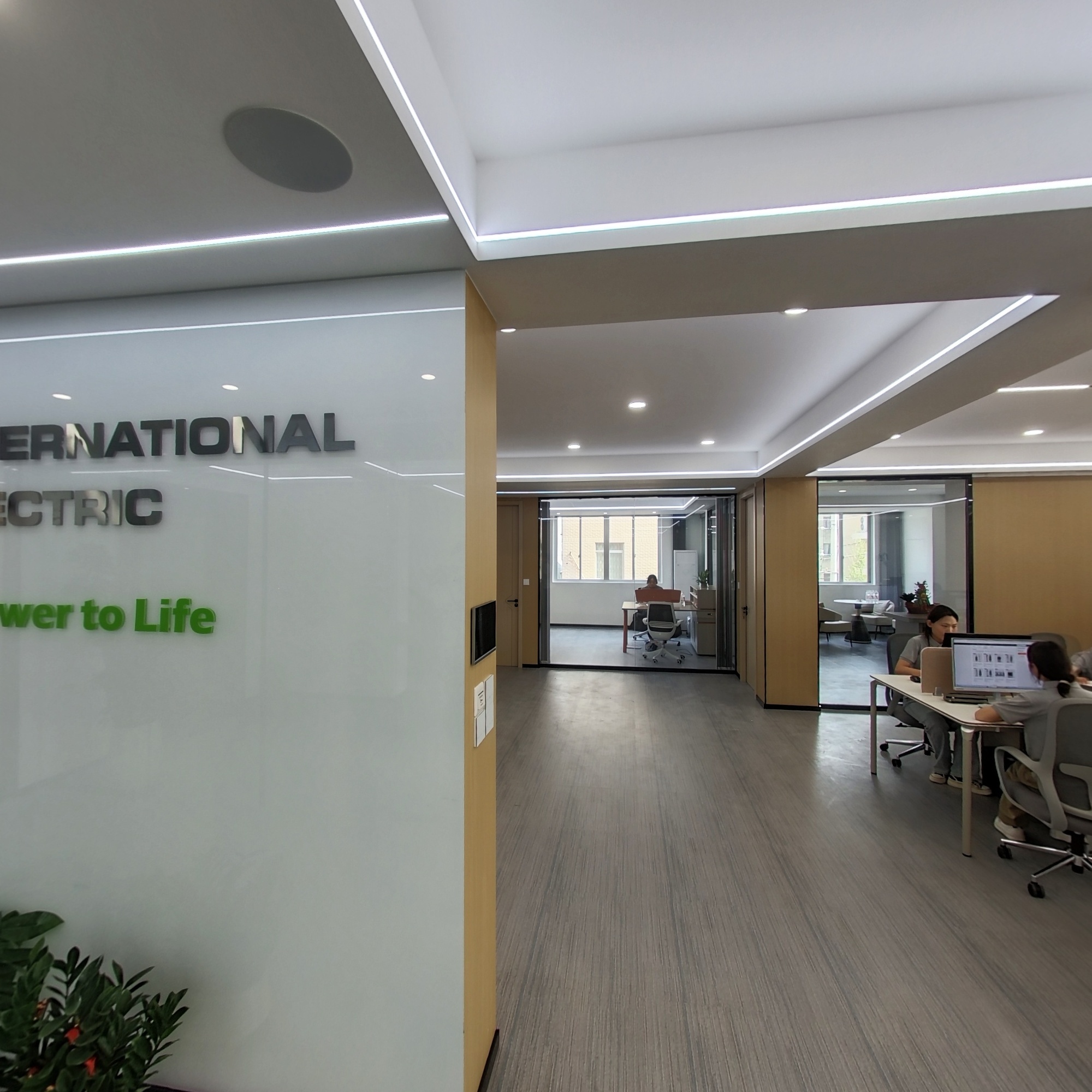
Our 5,700 m² modern manufacturing facility has been physically inspected and audited on-site by TÜV Rheinland. We maintain rigorous ISO 9001 quality management across every assembly line stage.
Liushi Supply-Chain Advantage
Situated in China’s premier electrical cluster, our supply chain guarantees immediate access to high-purity electrolytic copper terminals, silver alloy contacts (AgCdO/AgSnO2), and flame-retardant PA66 casings.
CE Marked & Global Compliance
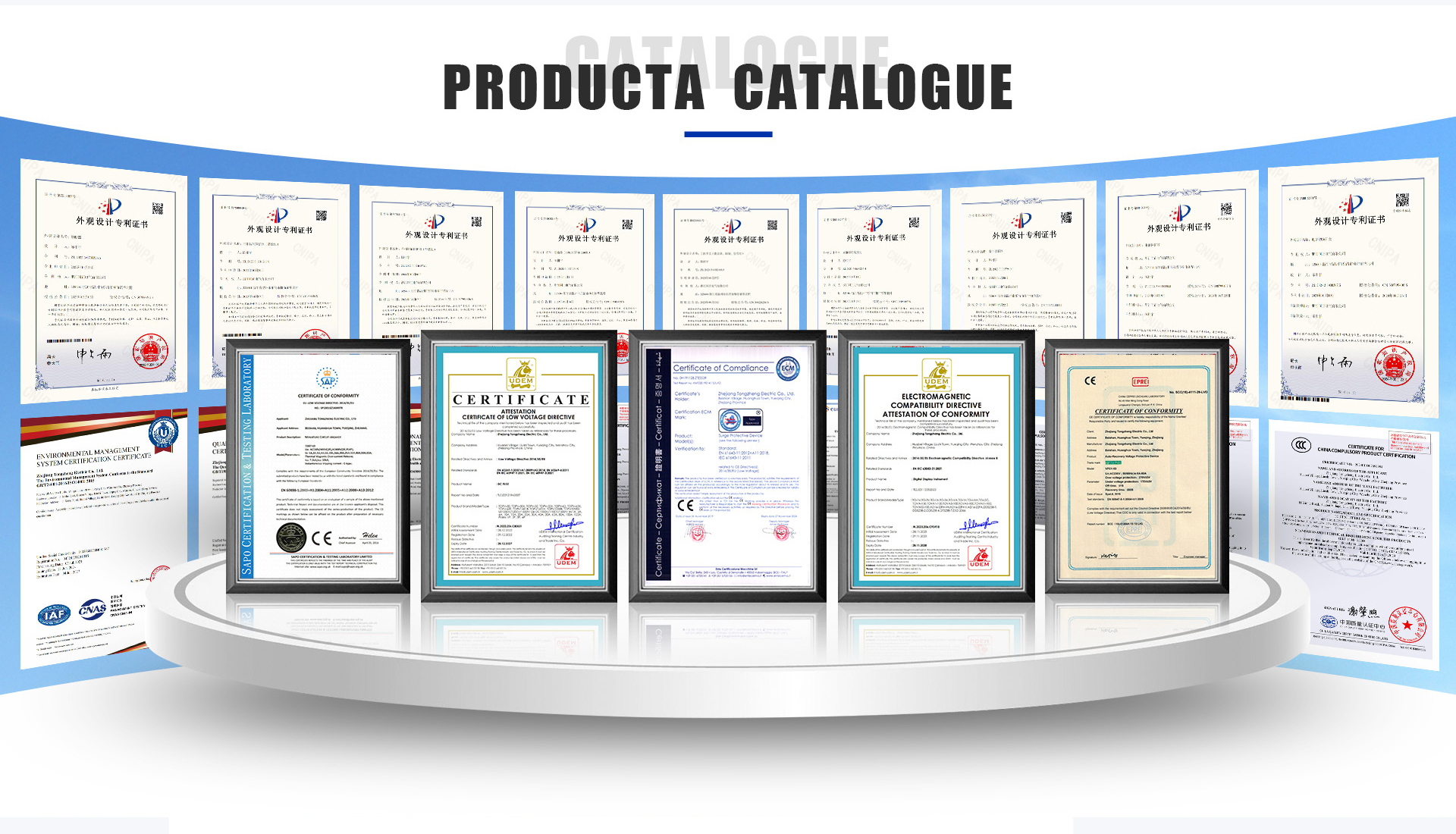
Our complete catalog of DC MCBs, DC MCCBs, automatic transfer switches, and surge protective devices carries valid CE documentation, with full test reports and datasheets available prior to container shipment.
Flexible OEM / Low Trial MOQ
We support Kyoto electrical distributors, panel builders, and EPCs with sample trial MOQs starting from just 5 pieces. Private label pad-printing, custom carton packaging, and custom combiner boxes available.
Frequently Asked Questions by Kyoto Electrical Buyers & Engineers
In-depth technical and commercial answers addressing voltage selection, polarity management, Japanese grid compatibility, and international customs delivery.
1. How do we determine the correct rated DC voltage (Ue) for photovoltaic installations in Kyoto's cold winter climate? +
2. Are your DC circuit breakers polarized or non-polarized, and what are the wiring rules for battery storage? +
3. Can your dual power ATS and smart timer switches interface seamlessly with Kansai Electric Power (KEPCO) 100V / 200V circuits? +
4. What testing reports, CE declarations, and factory audit credentials do you provide to Japanese EPC contractors? +
5. What is your lead time, minimum order quantity (MOQ), and shipping arrangement for delivery to Kyoto or Osaka Port? +
6. Do you support customized OEM labeling, Japanese laser markings, and custom-wired combiner boxes? +
Request Technical Datasheets & Kyoto Project Quotations
Connect with our senior low-voltage circuit protection engineers. We review single-line schematics, confirm string parameters, and provide factory-direct pricing with full compliance documentation.