Flagship DIN-Rail Surge Protective Devices & Complementary Switchgear
Verified for seamless integration within Canadian building service entrances, renewable combiner boxes, and motor control centers (MCC). Certified quality directly supplied by Zhejiang TMB Electric Co., Ltd.
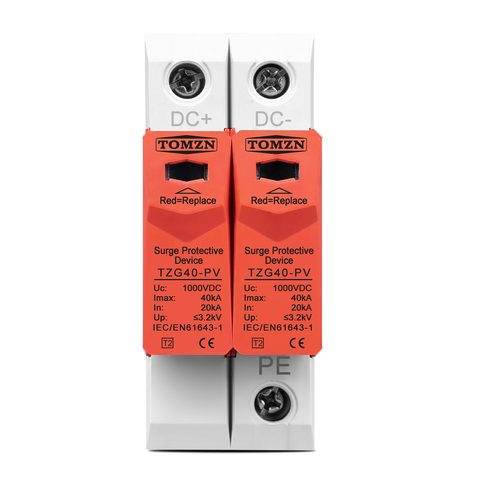
TOMZN DC SPD 500V–1000V Surge Protective Device (20–40kA)
- Class II / Type 2 PV Surge Protection
- Plug-in High-Energy Varistor Modules
- Remote Signaling Fault Contacts
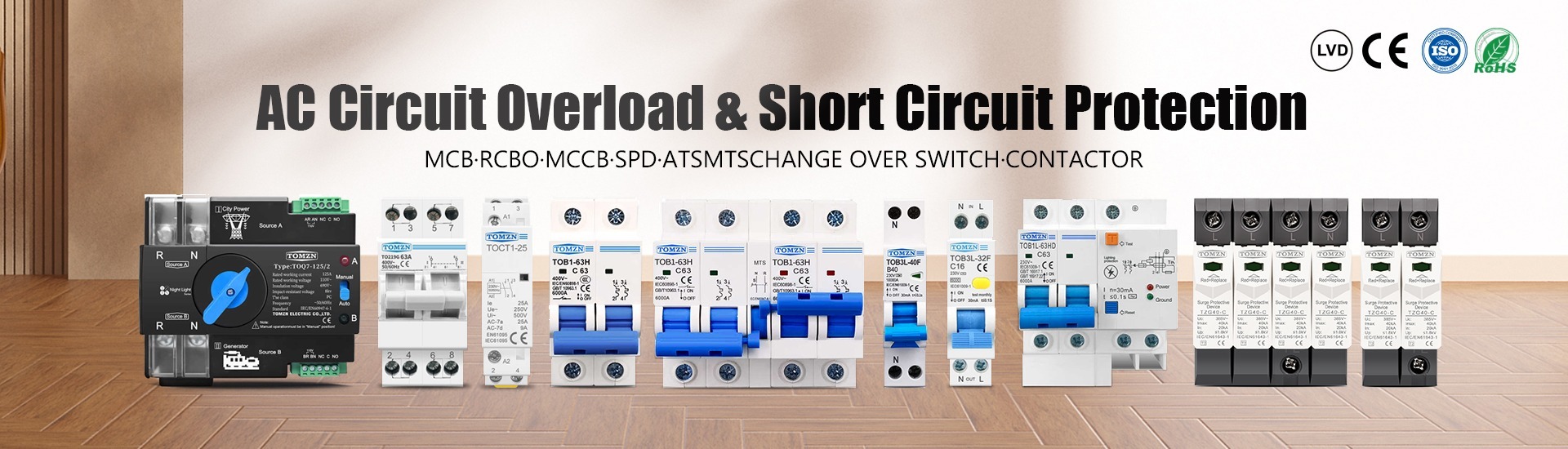
Industrial AC SPD 275V / 385V / 440V Modular Transient Arrester
- Max Discharge Current Imax: Up to 60kA
- Fast Nanosecond Clamping Response
- DIN Rail 35mm Snap-on Enclosure
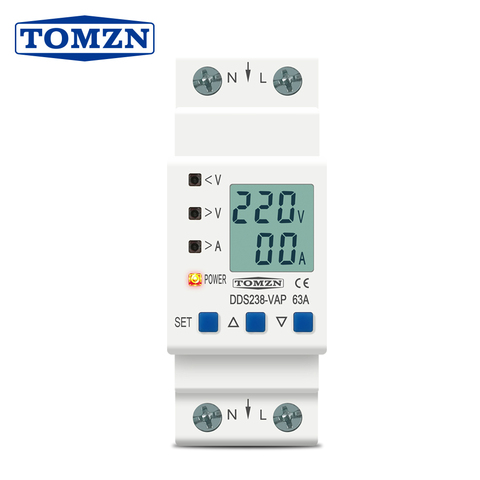
Adjustable Over & Under Voltage Relay with Integrated Energy Meter (63A/80A)
- Over/Under Voltage Auto-Recovery
- Real-time RMS Voltage, Current & kWh
- Configurable Re-connection Delay Time
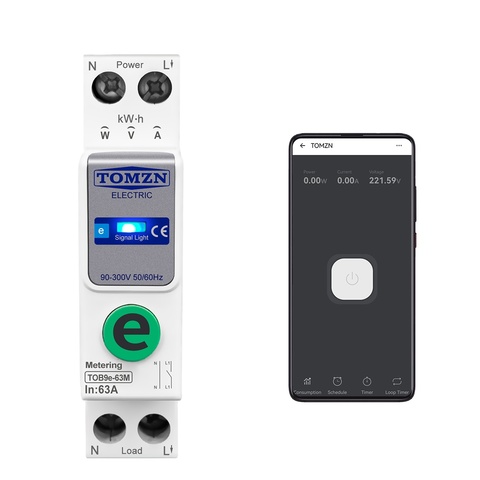
TOB9e-63M WiFi Smart Circuit Breaker with Real-Time Surge & Current Telemetry
- Remote Trip & Power Quality Monitoring
- App Scheduling & Overload Thresholds
- Compatible with 120V / 240V Systems
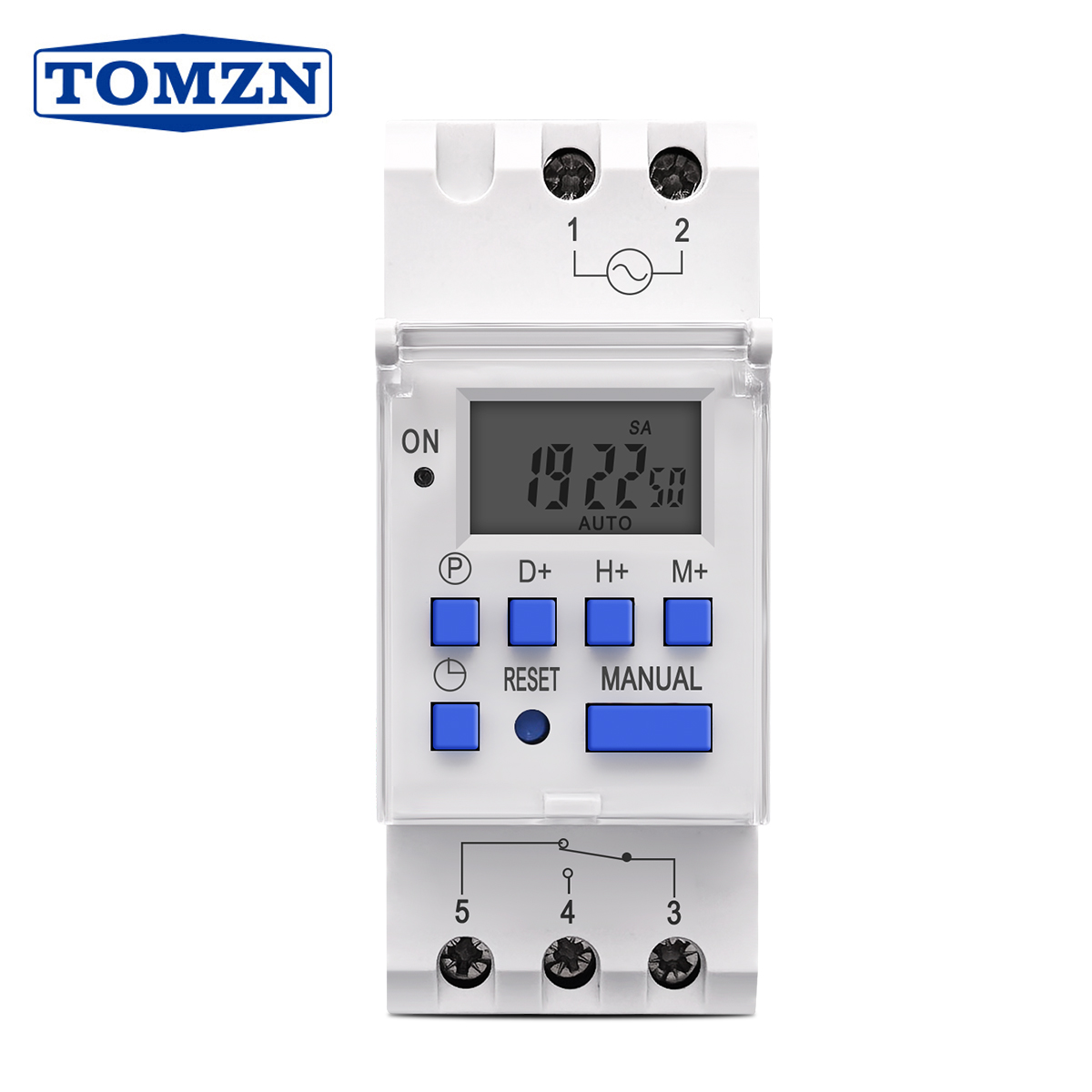
TOMZN 1NO 1NC DIN Rail 7-Day Digital Programmable Relay Timer (16A)
- 16 Switch Programs per 24-Hour Cycle
- High Electromagnetic Immunity (EMC)
- Internal Lithium Reserve Battery
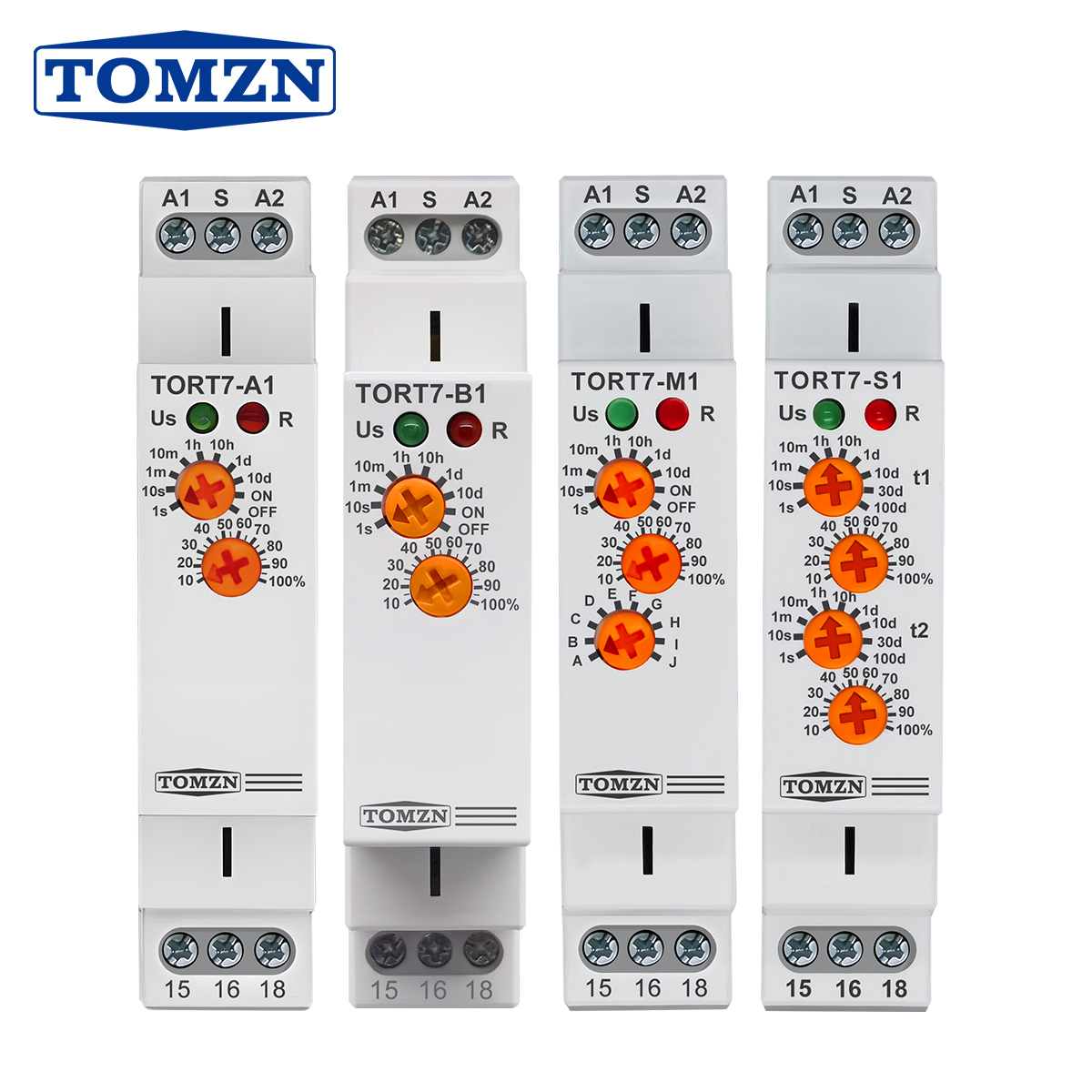
TORT7 Series 10-in-1 Multifunction Delay-ON / OFF Asymmetric Cycler Relay
- Ultra-wide Range: 0.1s to 10 Days
- Microprocessor Controlled Precision
- Robust Cold-Start Operating Profiles
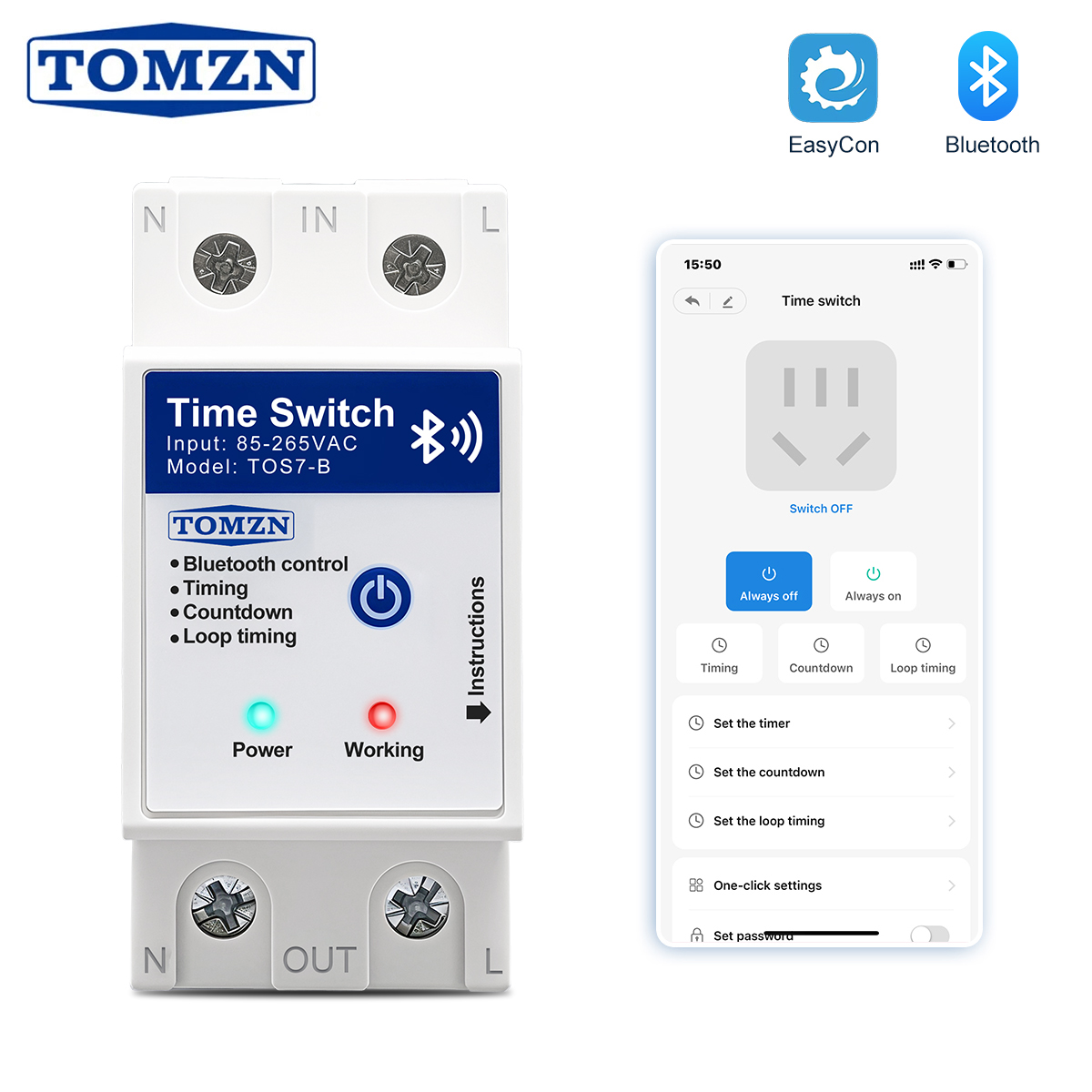
TOMZN TOS7-B Bluetooth Heavy-Duty DIN Rail Timer Switch (40A / 63A)
- EasyCon Mobile App Local Syncing
- 28 Cycle Groups & Countdown Modes
- Transient Voltage Hardened Logic
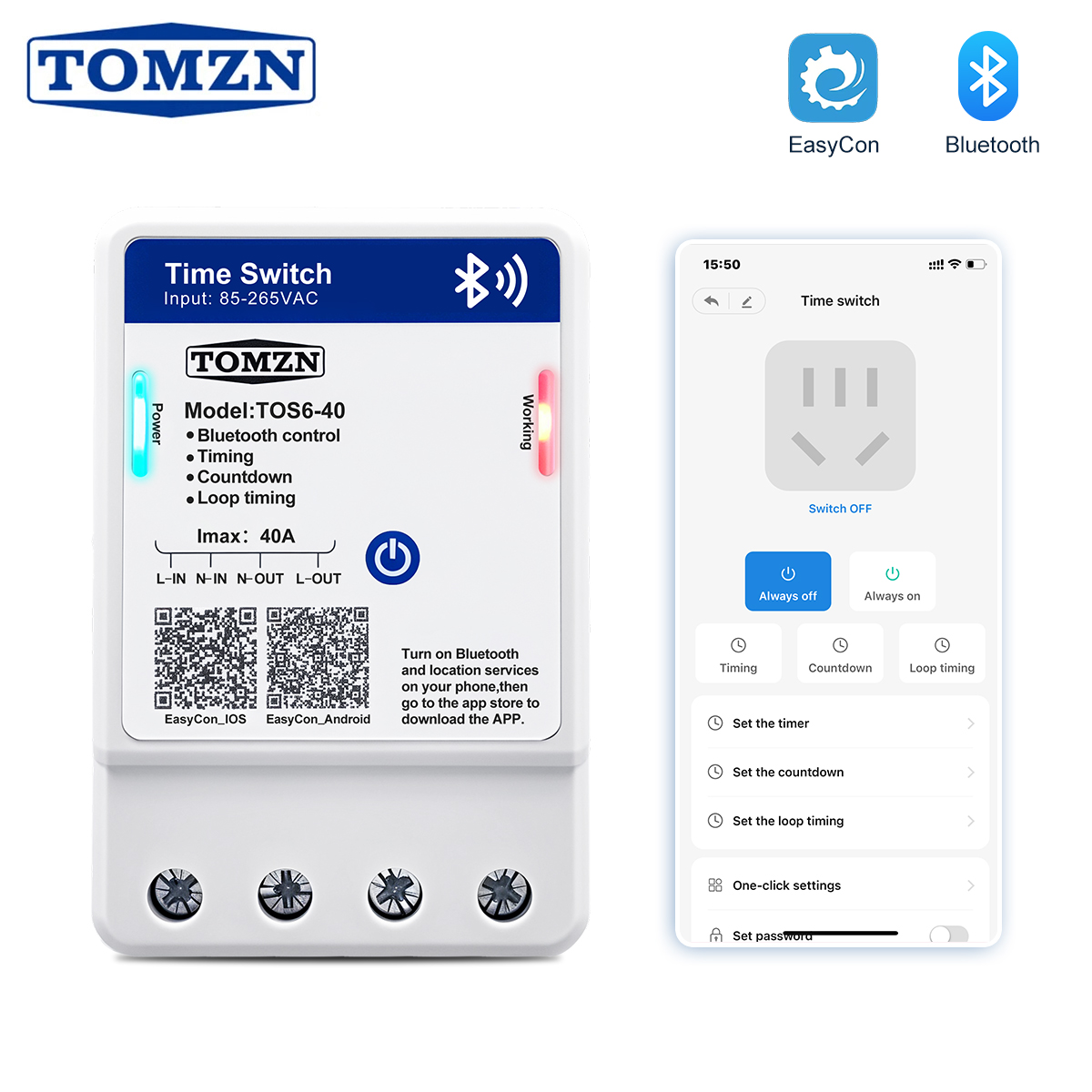
TOS6-40 Industrial Bluetooth Time Control Switch (35mm DIN / Wall Mount)
- Rated 40A Continuous Inductive Loads
- Operating Voltage: AC 85V–265V Broad Input
- Industrial Surge Hardened Housing
Canadian Electrical Topology & The Mechanics of Transient Overvoltages
Electrical distribution systems across Canadian provinces—regulated strictly under the Canadian Electrical Code (CSA C22.1)—exhibit specific architectural nuances that demand specialized transient surge mitigation strategies. Unlike standard European 230/400V TN-C-S networks or typical US configurations, Canada extensively employs distinct utilization voltages including 120/240V split-phase for residential structures, 120/208V wye for commercial buildings, and notably the distinctive 347/600V three-phase four-wire wye topology prevalent throughout industrial facilities in Ontario, Alberta, British Columbia, and Quebec. In mining, pulp-and-paper, and petrochemical hubs, high-resistance grounded (HRG) or ungrounded 600V delta systems are also widely deployed to prevent instantaneous plant tripping on single-phase ground faults.
Transient disturbances across Canadian utility grids originate from two primary mechanisms: external atmospheric events and internal high-energy switching transients. While southern Ontario and the Prairie thunderstorm corridors (Alberta and Saskatchewan) experience intense lightning discharge activity during summer months, cold-weather industrial operations generate continuous internal voltage surges. The cyclic switching of massive inductive loads—such as large medium-voltage slurry pumps, variable frequency drives (VFDs) in diamond and oil sands mines, and multi-megawatt electric arc furnaces—induces severe L(di/dt) switching transients. Furthermore, Canada's heavy reliance on hydro generation across Hydro-Québec and BC Hydro requires long-distance transmission lines where remote shunt capacitor bank switching injects steep wavefront oscillatory transients directly into downstream low-voltage distribution switchgear.
Varistor Metallurgy & Sub-Zero Operating Dynamics Down to -40°C
Low-voltage surge protective devices installed across Canada must frequently survive outdoor ambient conditions plummeting to -40°C (-40°F) in northern Alberta, Saskatchewan, Manitoba, and the Canadian territories. At these extreme thermal gradients, commercial-grade surge arresters suffer profound failure modes:
1. Zinc Oxide (ZnO) Microstructure Stability: The nonlinear voltage-current characteristic of a Metal Oxide Varistor (MOV) relies on microscopic grain boundaries doped with bismuth, cobalt, and manganese oxides. Under standard ambient temperatures (25°C), the leakage current is negligible (<20µA). In cryogenic climates, the threshold clamping voltage marginally increases, but rapid thermal cycling induces micro-fracturing along grain boundaries due to differential thermal contraction between the ceramic ZnO disc, the silver electrode coating, and the surrounding epoxy encapsulant. TMB Electric implements microcrystalline grain refinement and high-density sintering processes, ensuring mechanical and electrical integrity across an operating window of -40°C to +85°C.
2. Thermal Disconnection Mechanism Dynamics: Reliable low-voltage surge arresters incorporate a mechanical thermal disconnector—typically a spring-loaded low-melting-point solder alloy joint. When an MOV sustains repeated surges or enters temporary overvoltage runaway, the solder melts, allowing a physical disconnect arm to isolate the degraded varistor before fire occurs. In sub-zero Canadian environments, conventional low-temperature solders can undergo thermal embrittlement, altering the melting trip point. TMB Electric specifies specialized eutectic soldering formulations with stabilized mechanical spring tension, guaranteeing fail-safe thermal disconnection regardless of whether the ambient enclosure is in the freezing Canadian winter or blistering summer sun.
Canadian Application Scenarios for Coordinated TVSS & Surge Protection
Proven engineering architectures configured for provincial code requirements and demanding geographical conditions.
347/600V Commercial & Institutional Facilities
Widely adopted throughout schools, hospitals, commercial complexes, and data centers across Ontario, British Columbia, and Quebec. Low-voltage primary panels take incoming 347/600V utility power where Type 1 SPDs intercept high-energy service entrance lightning surges. Secondary distribution boards downstep via dry-type transformers to 120/208V to feed microprocessors, lighting controls, and building automation systems requiring Type 2 coordinated arresters.
Extreme-Cold Solar PV Arrays & BESS Storage
Utility-scale solar farms across Southern Alberta and Saskatchewan feature long DC strings operating up to 1000V DC and 1500V DC. Cold winter sunshine causes solar panel open-circuit voltages (Voc) to spike significantly above nominal ratings due to negative temperature coefficients. TMB Electric's DC SPDs prevent module breakdown and inverter front-end degradation during lightning events without premature tripping under frozen high-voltage conditions.
Resource Extraction, Mining & Heavy Manufacturing
Heavy industrial facilities in Northern Ontario, Alberta oil sands, and British Columbia mineral extraction operations operate extensive variable frequency drives (VFDs) and large motor-generator sets. Switching inductive motor loads unleashes lethal line notches and harmonic-induced overvoltages. TMB’s high-discharge heavy-duty varistors attenuate continuous high-frequency ringing and safeguard motor insulation from flashover.
Remote Telecom & Off-Grid Hybrid Infrastructure
Cellular base stations and remote microwave relays stretching through Yukon, Northwest Territories, and northern highway corridors rely on diesel generator-battery-solar hybrid power. Lightning strikes on tall antenna towers induce severe secondary surges across AC inputs and DC rectifiers. TMB DIN-rail SPDs paired with dual-power ATS units ensure 99.999% communications availability with zero maintenance call-outs.
Canadian Regulatory Evolution & Surge Protection Modernization Trends (2025–2030)
The electrical landscape across Canada is experiencing transformative regulatory updates driven by national decarbonization goals, EV adoption, and smart grid automation. Canadian procurement specialists, engineering consultants, and panel builders must navigate three pivotal industry shifts:
1. Expanding Mandates in the Canadian Electrical Code (CEC): Aligned with NFPA 70 / NEC harmonization in North America, CSA technical committees have progressively expanded surge suppression requirements. Recent iterations of CSA C22.1 mandate that all electrical service entrances supplying critical operations, dwelling units with sensitive electronic appliances, and Level 2 / DC Fast Charging EV charging stations incorporate approved Type 1 or Type 2 surge protective devices. As non-linear inverter loads saturate residential and commercial panels, unsuppressed surges directly degrade inverter power modules and heat pump microcontrollers, elevating SPDs from optional insurance to code-mandated safety hardware.
2. Electrification of Heating & Transportation (Heat Pumps & EVSE Clusters): The transition away from fossil fuel heating in provinces such as British Columbia and Quebec has driven massive installations of cold-climate heat pumps. Simultaneously, commercial parking structures are rapidly retrofitting multi-vehicle charging hubs. High-power DC fast chargers (50kW to 350kW) create substantial current transients during vehicle connection/disconnection cycles. Failure to install localized Type 2 SPDs immediately upstream of charging rectifiers leads to premature semiconductor puncture. TMB Electric's surge arresters provide ultra-tight Voltage Protection Ratings (VPR) to safeguard delicate insulated-gate bipolar transistors (IGBTs).
3. Smart Diagnostics & Remote Fleet Monitoring: Traditional surge arresters relied solely on mechanical visual flags (green = operational, red = failed). In sprawling Canadian territories, inspecting hundreds of distributed remote panels physically is economically unfeasible. Modern procurement tenders increasingly specify SPDs equipped with integrated dry auxiliary microswitches or RS485/WiFi telemetry (as demonstrated in our TOB9e smart series), relaying instant degradation warnings to facility SCADA systems before transient vulnerability occurs.
Engineering Matrix: Specifying Low Voltage SPDs for Canadian Distribution
Direct comparative parameters according to CSA / UL 1449 / IEC 61643-11 cross-standard classifications.
| Canadian Grid Nominal Voltage | Topology / Grounding | Recommended MCOV (Uc) | Nominal In (8/20µs) | Max Imax (8/20µs) | Voltage Protection Level (Up) | Optimal Location |
|---|---|---|---|---|---|---|
| 120/240V 1-Phase | Split-Phase / Grounded Neutral | 150V L-N / 300V L-L | 20 kA | 40 kA | ≤ 1.0 kV | Residential Main Panel / Heat Pump |
| 120/208V 3-Phase | 4-Wire Wye Grounded | 150V L-N / 275V L-L | 20 kA | 50 kA | ≤ 1.2 kV | Commercial Sub-panels / EV Chargers |
| 347/600V 3-Phase | 4-Wire Wye Canadian Standard | 385V L-N / 440V L-L | 20 kA / 30 kA | 60 kA | ≤ 2.2 kV | Institutional / C&I Main Distribution |
| 600V 3-Phase Delta | Ungrounded / HRG System | 680V L-L High Voltage | 30 kA | 80 kA | ≤ 2.8 kV | Mining, Heavy Milling & Smelters |
| 1000V DC Strings | Floating / Grounded Center Tap | 1000V DC Continuous | 20 kA | 40 kA | ≤ 3.6 kV | Utility Solar Array Combiner Boxes |
Why Canadian Importers Partner with Zhejiang TMB Electric Co., Ltd.
Over two decades of precision electrical manufacturing, verified by international inspection bodies.
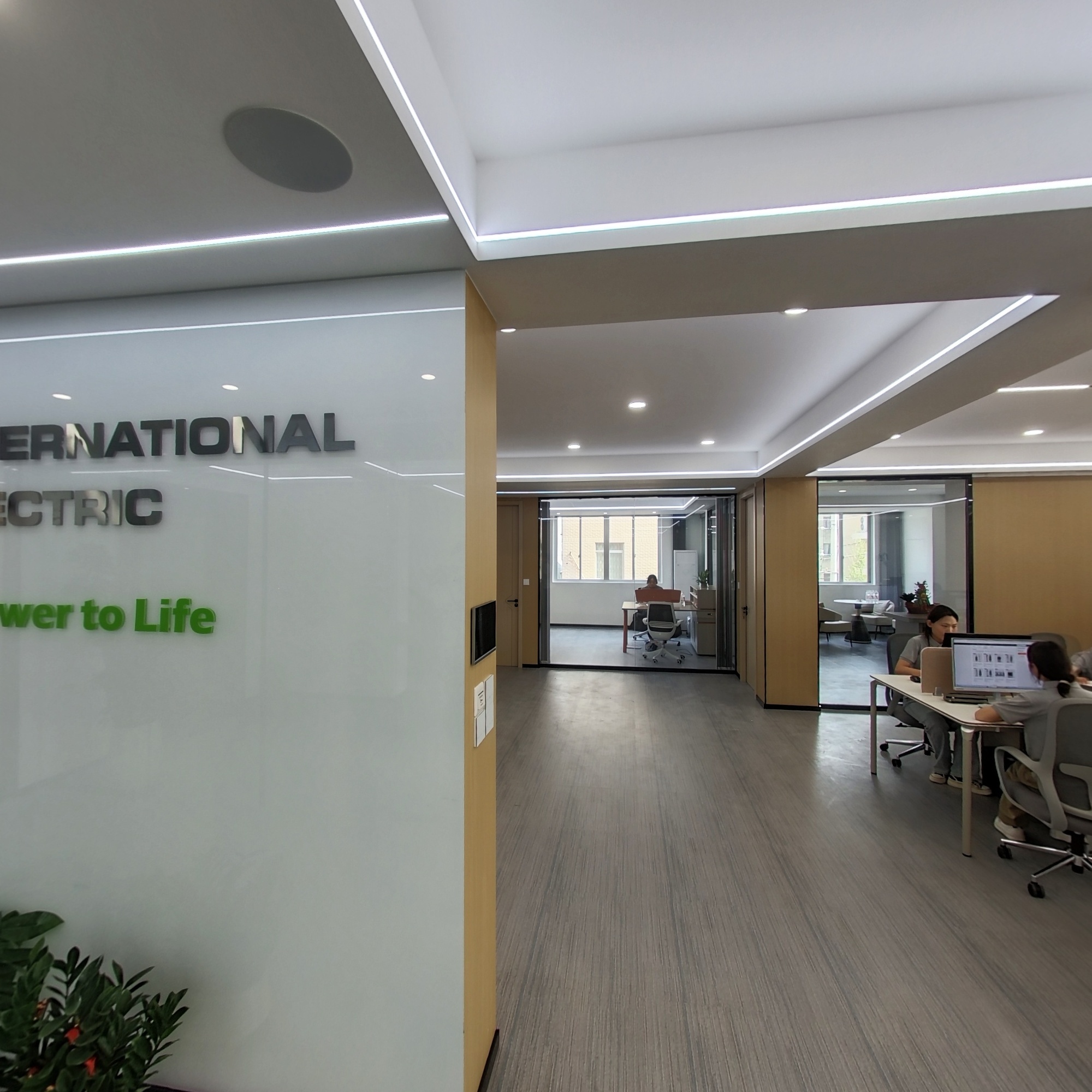
Established in Huabei Village, Liushi Town, Wenzhou—universally recognized as China’s low-voltage electrical capital—Zhejiang TMB Electric Co., Ltd. operates a state-of-the-art 5,700 m² production base staffed by 92 skilled engineers and technicians. Our geographic advantage provides instant integration with first-tier raw material purveyors, from oxygen-free electrolytic copper busbars to high-grade flame-retardant PA66 housings (UL 94 V-0 rated).
-
TÜV Rheinland On-Site Assessed Facility
Our operations, personnel, quality management systems (ISO9001), and export trade compliance have undergone rigorous physical inspection and verification by TÜV Rheinland auditors.
-
100% In-House Impulse & Dielectric Testing
Every single batch of surge protective devices undergoes incoming varistor classification, dynamic thermal release validation, dielectric breakdown tests, and 8/20µs current impulse discharge stress audits.
-
OEM/ODM Tailored for Canadian Panel Builders
From private labeling and custom current/voltage calibrations (specifically 347V / 600V MCOV ratings) to pre-wired IP65 PV combiner assemblies, we support flexible B2B requirements with MOQs from just 5 pieces.
Frequently Asked Questions by Canadian Buyers & Electrical Contractors
Clear, technically uncompromising answers addressing standards compliance, selection, and trade logistics.
How do TMB Electric surge arresters comply with Canadian Electrical Code (CSA C22.1) and UL 1449 / IEC standards?
What is the difference between a Type 1 and Type 2 Low Voltage Surge Arrester in Canadian installations?
Why is MCOV (Maximum Continuous Operating Voltage) so critical on Canadian 347/600V distribution systems?
Can an AC Surge Protective Device be installed on a solar photovoltaic DC string or battery circuit?
How does TMB Electric guarantee SPD performance during severe Canadian winters (-40°C)?
What are the minimum order quantities (MOQ), lead times, and shipping terms for Canadian orders?
Protect Your Critical Canadian Infrastructure with Certified Surge Protection
Whether you are engineering a custom 347/600V motor control switchboard in Ontario, designing sub-zero solar combiner boxes for Alberta, or stocking DIN-rail electrical components for commercial distribution, Zhejiang TMB Electric delivers verified factory-direct reliability. Contact our senior engineering team today for technical datasheets, MCOV verification, and custom B2B export pricing.