Featured Solar PV & Low-Voltage Control Equipment
Explore our industrial-grade DC disconnect isolators, multi-function timer switches, and smart automated distribution units engineered for harsh tropical installations.

TORT7 Series Delay-ON Delay-OFF 10in1 Asymmetric Cycler Time Relay Switch 0.1S-10D
Technical Details →
TOS6-40 Bluetooth Time Control Switch 35mm DIN Rail Wall-mounted AC85-265V 40A
Technical Details →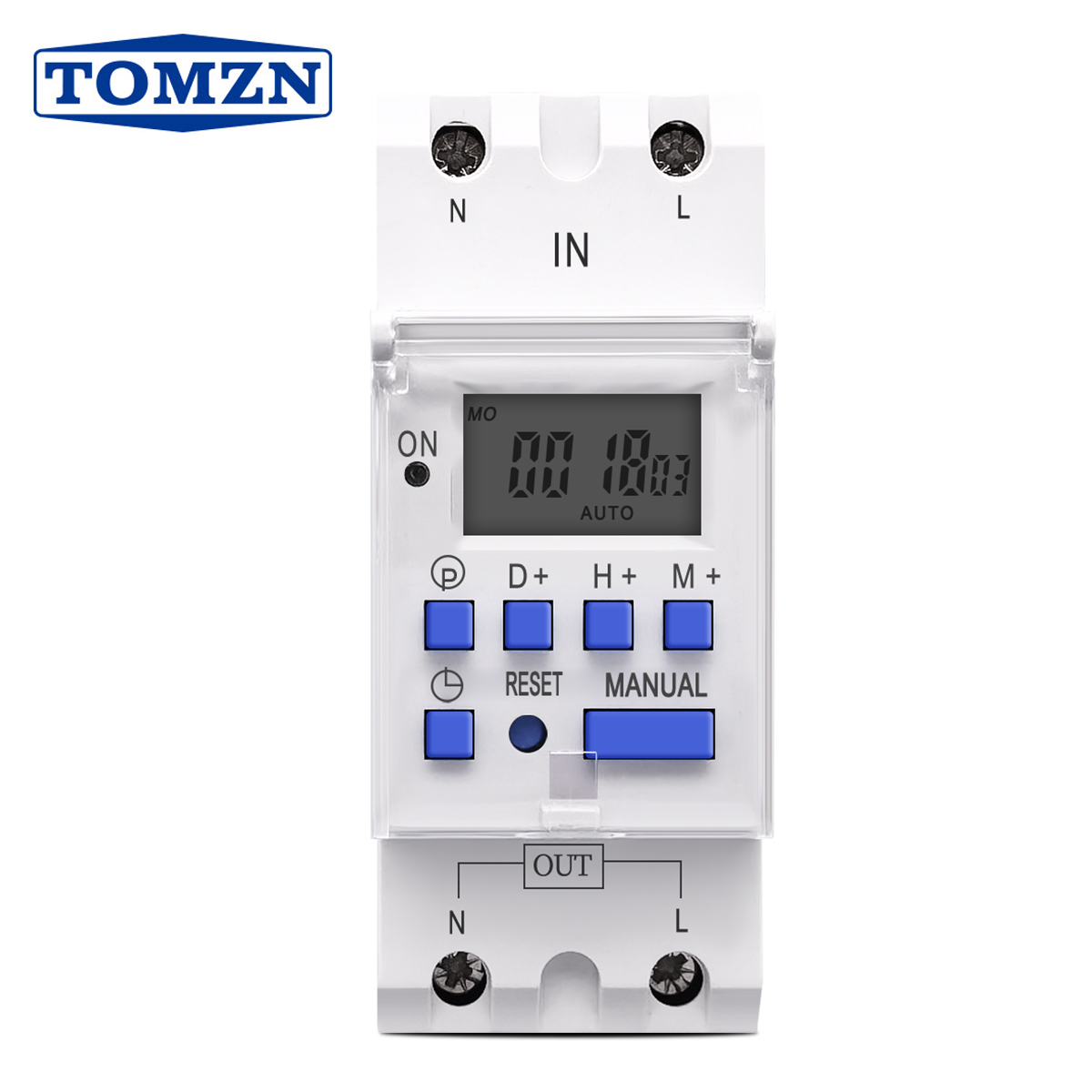
TOMZN Single Phase Weekly 7 Days Programmable Digital TIME SWITCH AC 220V/12V/24V 16A
Technical Details →
TOMZN TOS7-B Bluetooth Smart Timer Switch 40A 63A EasyCon App Remote Control
Technical Details →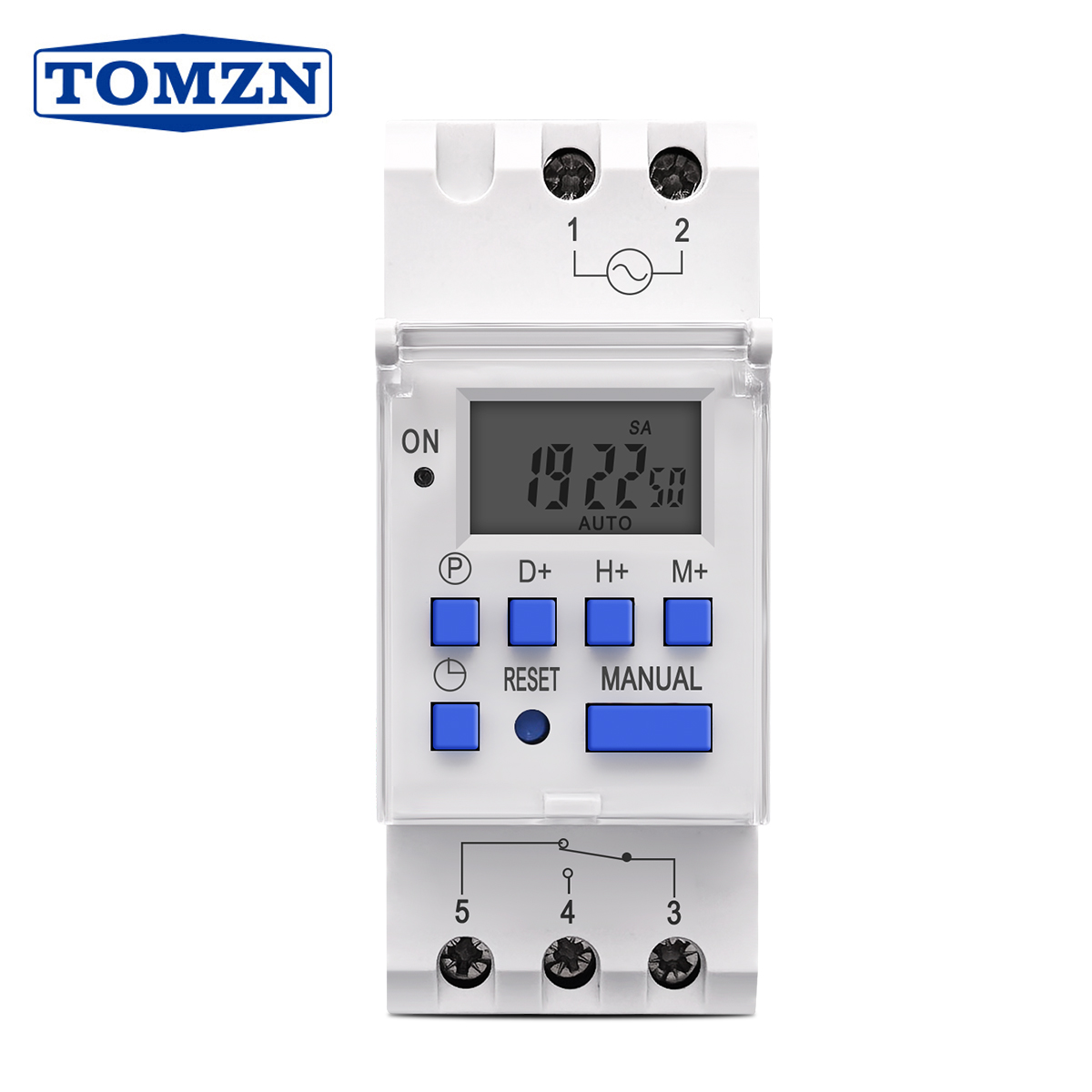
TOMZN 1NO 1NC DIN Rail Single Phase Weekly 7-Day Digital Time Switch Relay 16A
Technical Details →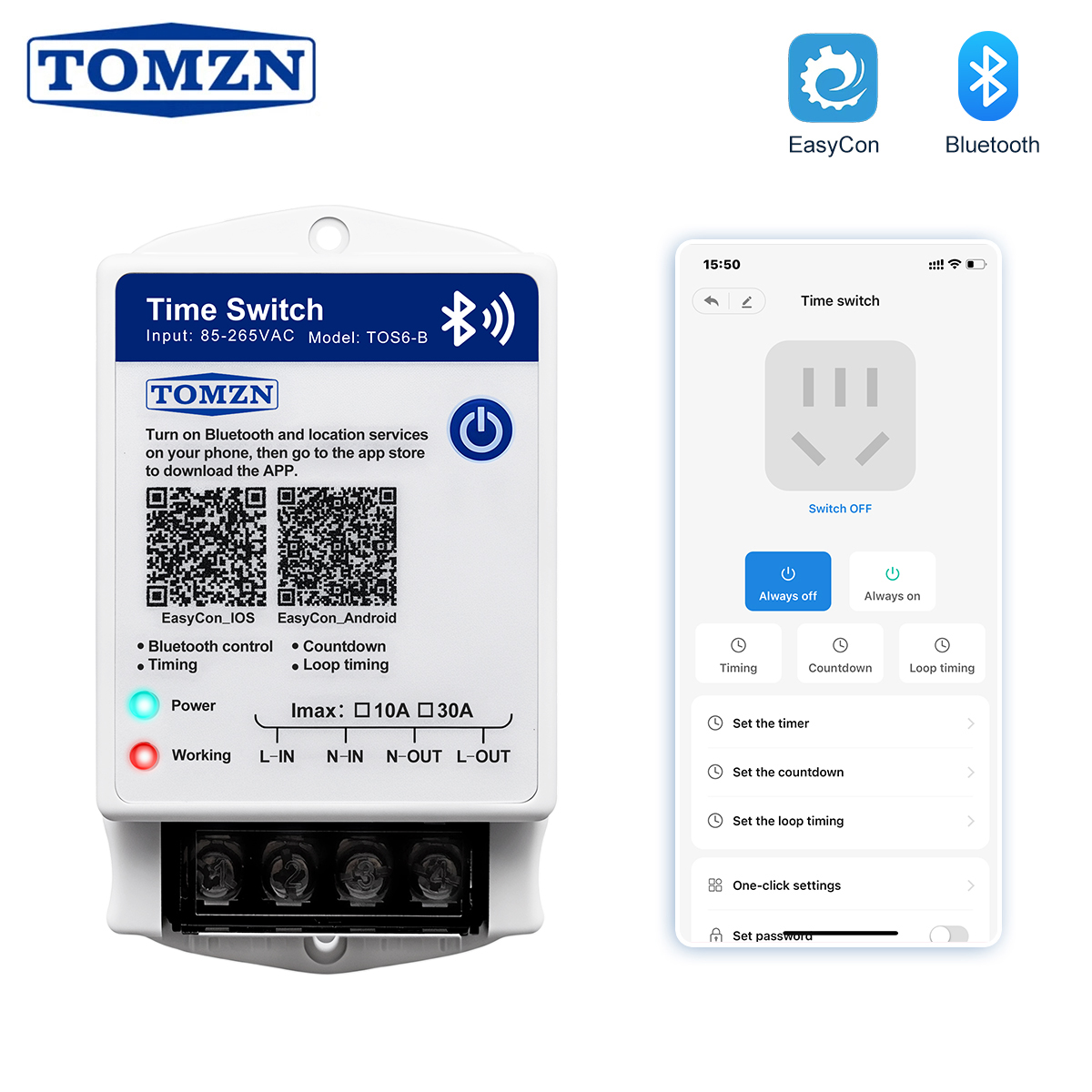
TOMZN Bluetooth Smart Timer Switch 85-265VAC 10A 30A Wall-mounted 28 Groups Timing
Technical Details →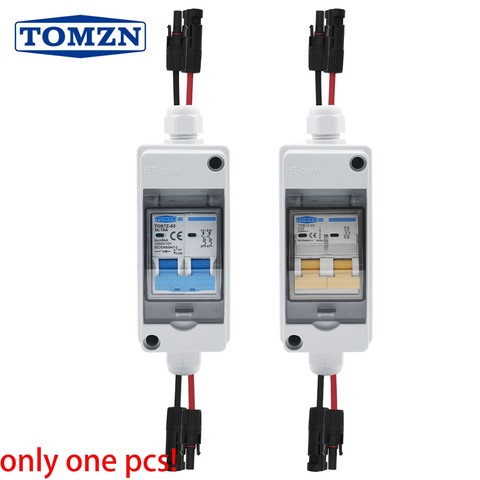
IP65 Waterproof Solar PV String Combiner Box with Integrated DC Disconnect & SPD
View Combiner Series →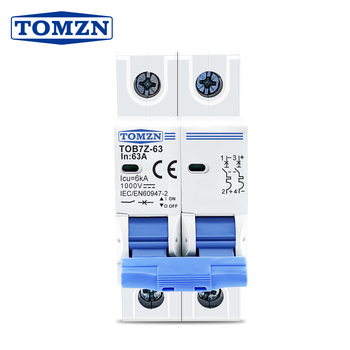
2P 1000V DC Solar Disconnect Isolator Switch Miniature Circuit Breaker 3-63A
View DC MCB Models →Engineering Resilient Solar DC Disconnects for Preah Sihanouk Province
A comprehensive analysis of ambient coastal stressors, arc suppression physics, and electrical protection codes across Cambodia's deepwater industrial hub.
Preah Sihanouk Province, anchored by the coastal nexus of Sihanoukville, has evolved from a sleepy beachside territory into Cambodia's premier deep-sea shipping, industrial manufacturing, and tourism capital. The dramatic expansion of the Sihanoukville Special Economic Zone (SSEZ), alongside heavy logistics terminals at the Sihanoukville Autonomous Port (PAS) and commercial multi-story hospitality projects, has driven an unprecedented demand for localized solar photovoltaic (PV) generation. However, deploying photovoltaic arrays within coastal Cambodia introduces severe electrical engineering hurdles: aggressive airborne maritime salinity, constant relative humidity fluctuating between 78% and 95%, intense ultraviolet radiation, and sustained high ambient temperatures exceeding 38°C during peak irradiance seasons.
In high-voltage DC circuits, isolating photovoltaic strings presents a physical challenge fundamentally distinct from standard alternating current (AC) interruption. AC current possesses a natural sinusoidal zero-crossing voltage point 100 or 120 times per second, which assists naturally in quenching the electric arc formed when contacts part. Direct current generated by photovoltaic strings provides constant voltage without natural zero-crossings. When a solar disconnect switch opens under load—especially in 600V DC, 1000V DC, or 1500V DC commercial systems—the continuous voltage sustains a destructive plasma channel across the contacts. In the tropical, saline atmosphere of Sihanoukville, non-specialized disconnect switches suffer rapid contact erosion, ionization path creepage, silver migration, and severe thermal runaway, leading to localized electrical fires or complete inverter combiner destruction.
Critical Engineering Principle: For rooftop and ground-mounted solar PV systems in Sihanoukville, mechanical switches must comply strictly with IEC/EN 60947-3 standards, featuring DC-PV1 or DC-PV2 utilization categories, high-speed rotary "knife-action" snapping mechanisms, permanent magnetic arc blowouts, and specialized multi-tier arc-chute splitters designed to quench high-energy plasma arcs within 3 to 5 milliseconds.
Microclimatic Challenges & Material Selection for Marine Installations
The Gulf of Thailand's maritime atmosphere imposes severe salt spray conditions. Airborne sodium chloride ($NaCl$) and magnesium chloride ($MgCl_2$) settle upon electrical enclosures, penetrations, and operating handles. When dissolved by monsoon rainfall or coastal morning condensation, these salts form a highly conductive electrolytic film across external plastics and internal creepage distances. Zhejiang TMB Electric Co., Ltd. addresses this atmospheric vulnerability by manufacturing solar disconnect enclosures and isolator housings using high-grade, UV-stabilized, halogen-free polycarbonate and flame-retardant polyamide (PA66 rated UL94-V0).
Terminal blocks utilize heavy-gauge brass coated with thick electrolytic silver or nickel tinning, completely mitigating galvanic corrosion at the copper-cable interface. Enclosures engineered for outdoor deployment across Sihanoukville are rated to IP66 and NEMA 4X, fitted with continuous foamed polyurethane gasket seals and specialized anti-condensation breather vents. These breathable hydro-phobic membranes equalize internal and external atmospheric pressure changes during Sihanoukville's sudden tropical monsoon downpours, preventing moist maritime air from being vacuumed past mechanical seals and condensing onto live energized DC terminals.
Thermal Derating Considerations in SSEZ High-Irradiance Environments
Solar arrays deployed across metal rooftop structures in the Sihanoukville Special Economic Zone regularly endure ambient surface temperatures surpassing 65°C inside unshaded rooftop electrical distribution panels. Standard DC isolators calibrated for temperate climates (rated at 25°C or 40°C) experience severe thermal degradation when subjected to continuous maximum operating currents ($I_{max}$) in tropical Cambodia. Internal bimetallic thermal trips in DC miniature circuit breakers can suffer nuisance tripping if calibration curves are not compensated for high baseline temperatures.
TMB Electric’s dedicated DC disconnect switches and molded case circuit breakers (MCCB) incorporate oversized internal contact points with low contact resistance, high-conductivity AgNi10 (silver nickel) alloys, and enhanced convective heatsinks. This configuration ensures that our disconnect switches can operate continuously at rated operational currents ($I_e$) without requiring excessive derating factors, safely carrying continuous load currents across the full duration of high-insolation midday solar spikes.
Localized Solar Disconnect Applications in Sihanoukville
Precision-matched electrical safety components engineered for specific installation environments across the Preah Sihanouk coastal corridor.
SSEZ Industrial Factory Rooftops
Heavy manufacturing, textile mills, and assembly plants in the Sihanoukville Special Economic Zone require large-scale 1000V DC and 1500V DC string combiners. Our lockable isolators provide critical safety disconnect boundaries for plant technicians during regular inverter maintenance and arc-fault tests.
Coastal Resorts & Hotel Microgrids
High-end eco-resorts across Ochheuteal, Otres Beach, and nearby Koh Rong island operate sensitive hybrid solar-plus-storage microgrids. Our compact DIN-rail DC isolators and automatic transfer switches ensure silent, instantaneous isolation and transition between PV arrays, battery banks, and backup diesel generators.
Autonomous Port (PAS) Cold Chain
Sihanoukville Port cold-storage logistics depots demand uninterrupted cooling for perishable export goods. Our dual-power ATS units, combined with 2P/4P DC disconnects, protect centralized multi-string PV installations from marine storm surges while maintaining power continuity for refrigerated shipping containers.
Aquaculture & Shrimp Farm Aeration
Off-grid coastal aquaculture along the Kampong Saom Bay utilizes daytime solar pumping and aeration. Our Bluetooth-programmable digital timer switches and high-voltage DC disconnects deliver automated run-time scheduling and emergency manual circuit shutdown in salt-drenched environments.
Engineering Selection: DC Solar Disconnects vs. AC Isolation Switches
Direct electrical comparison of switching characteristics, arc suppression capabilities, and compliance standards for Sihanoukville solar EPCs.
| Parameter / Feature | TMB Dedicated Solar DC Disconnect Switch | Standard AC Isolator Switch (Misapplied on PV) | Engineering Implication for Sihanoukville Site |
|---|---|---|---|
| Rated Insulation Voltage (Ui) | 1000V DC / 1200V DC / 1500V DC | 400V AC / 690V AC | Prevents flashover between poles under high string open-circuit voltage ($V_{oc}$) during sunny cool mornings. |
| Arc Quenching Technology | Multi-plate de-ionizing arc chute + magnetic blowout | Simple open-air gap parting mechanism | DC arcs cannot extinguish naturally; magnetic blowout pulls the plasma arc into cooling splitters within milliseconds. |
| Switching Mechanism | Operator-independent snap action (<5 ms) | Manual slow-break lever dependent on user speed | Eliminates contact hesitation and sustained arcing caused by operator handling errors during emergency shutdowns. |
| Contact Material Alloy | AgNi10 (Silver-Nickel) with thick silver cladding | Standard copper alloy or thin tin plating | Prevents thermal welding and pitting under high DC current; resists coastal salt spray tarnishing. |
| Enclosure Protection Class | IP66 / UV-stabilized UL94-V0 polycarbonate | IP20 indoor or basic IP54 metal enclosure | Resists heavy monsoon downpours, sea salt fog corrosion, and intense UV degradation in coastal Cambodia. |
| Standard Compliance | IEC/EN 60947-3, Utilization Category DC-PV1/DC-PV2 | IEC/EN 60947-3 Category AC-21 / AC-22 | Mandatory compliance requirement for Electricity Authority of Cambodia (EAC) commercial grid-interconnection approvals. |
Cambodia's Clean Energy Shift: The Sihanoukville Momentum
Aligning solar power infrastructure with Cambodia’s Power Development Plan (PDP 2022-2040) and provincial electrification goals.
The Kingdom of Cambodia has embarked on an ambitious energy transition outlined in the national Power Development Masterplan (PDP 2022-2040), which commits to expanding the country’s renewable generation share to 60% of total installed capacity by 2040. In Sihanoukville, this national strategy converges with immediate commercial realities. Industrial enterprises within the Sihanoukville Special Economic Zone face steep retail electricity tariffs from Electricité du Cambodge (EDC) alongside strict corporate carbon disclosure mandates from international export markets in North America and the European Union.
Consequently, rooftop solar adoption has shifted from an experimental alternative into a mission-critical financial and operational hedge. Commercial factories, port warehouses, and hospitality complexes are actively retrofitting multi-megawatt rooftop solar systems. However, with this accelerated deployment comes heightened regulatory scrutiny from the Electricity Authority of Cambodia (EAC) and municipal fire protection authorities. Grid-connected commercial solar arrays are required to install certified, lockable, exterior-accessible DC isolation switches to protect municipal utility line workers during grid outages, line repairs, or emergency structural firefighting operations.
Furthermore, Cambodia’s regulatory stance on non-export grid-tied systems requires precision fast-acting control equipment. Solar arrays paired with diesel generators or energy storage systems (ESS) demand fail-safe automatic transfer switches (ATS) and over-voltage/under-voltage protective relays. Zhejiang TMB Electric Co., Ltd. supplies complete, integrated electrical protection packages—spanning string-level DC disconnects, DIN-rail surge protective devices (SPD), programmable load management timers, and high-amperage dual-power ATS units—ensuring full compliance with Cambodian national electrical codes and international safety benchmarks.
Direct Factory Strengths for Sihanoukville EPCs & Wholesalers
Direct manufacturer capabilities from Liushi Town, Wenzhou—China’s low-voltage electrical manufacturing capital.
24 Years Production Heritage
Operating inside Liushi's specialized low-voltage cluster, our 5,700 m² facility with 92 skilled staff controls tooling, silver contact synthesis, arc chute design, and plastic injection, drastically reducing component lead times.
TÜV Rheinland On-Site Verified
Our production lines are assessed on-site by TÜV Rheinland. We strictly adhere to ISO 9001 certified quality management systems, with all major solar protection models holding full CE compliance certificates and factory test reports.
Flexible MOQ & Customization
We empower local Sihanoukville contractors and system integrators with low trial minimum order quantities (MOQ from 5 pcs), complete OEM private labeling, and custom PV combiner box layouts tailored to your exact string count.
Frequently Asked Questions by Sihanoukville Solar Buyers
Practical engineering answers regarding customs clearance, maritime durability, voltage configurations, and order fulfillment.
What shipping routes and transit times apply for deliveries to Sihanoukville?
Can standard AC circuit breakers be installed as solar DC disconnects in Sihanoukville?
How do TMB solar disconnect switches perform in coastal salt spray and 90%+ humidity?
What documentation is provided to satisfy EDC and EAC grid-connection requirements?
Do you supply pre-assembled IP65/IP66 PV combiner boxes customized for specific string layouts?
What is the minimum order quantity (MOQ) and warranty period for B2B buyers?
Ready to Source High-Reliability Solar Switchgear for Sihanoukville?
Connect directly with our senior application engineers. Share your single-line diagram, site electrical specifications, or procurement bill of materials for rapid quotation and technical submittals.