DIN-Rail
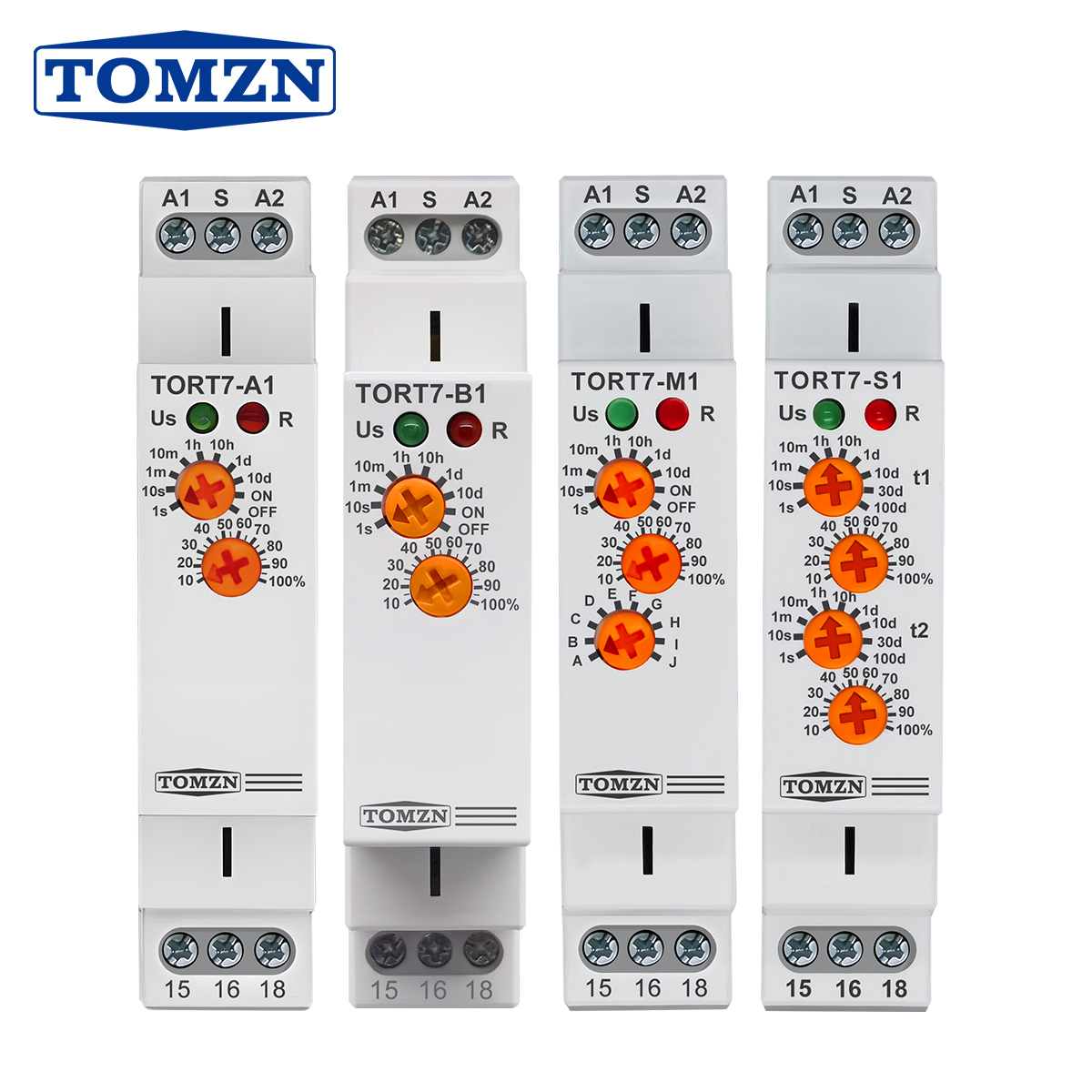
0.1S-10D
10-in-1 Cycler
Pulse Gen
Engineered to mitigate DC fault currents and sustain prolonged thermal stress within coastal high-density environments. Field-tested, CE-marked, and factory-verified components.
Decarbonization standards, complex topography, and marine air present distinct thermal and environmental challenges for photovoltaic system designers throughout the Bay Area.
Under the aggressive 2022/2025 Building Energy Efficiency Standards (Title 24, Part 6), virtually all newly constructed commercial buildings in SF require paired solar PV and Battery Energy Storage Systems (BESS). DC fuse holders and string combiners must safely handle rapid battery cycle shifts and bidirectional fault currents without nuisance tripping or terminal charring.
San Francisco’s recurring advection fog ("Karl the Fog") creates an alternating wet-dry ambient atmosphere rich in Pacific chlorides. Standard copper fuse clips quickly develop resistive copper oxide or verdigris deposits. Our holders utilize heavy-duty silver-plated electrolytic copper contacts housed in moisture-impervious, non-hygroscopic PPO/PA66 bodies rated UL94-V0.
Urban rooftop arrays across dense San Francisco zones require strict NEC 690.12 rapid shutdown compliance and advanced inverter pairings. Our 1000V/1500V DC modular fuse blocks feature touch-safe IP20 terminal architecture and dynamic arc-extinction chambers engineered specifically to interrupt sustained DC arcing within microsecond thresholds during localized building grid trips.
Essential electrical characteristics comparing standard utility-grade string protection devices utilized across commercial Bay Area clean-energy projects.
| Holder Platform | Rated Voltage (Un) | Rated Current (In) | Short-Circuit Breaking (Icn) | Operating Temp Range | Housing Material Class | Primary Regional Bay Area Use Case |
|---|---|---|---|---|---|---|
| TMB-PV10-32 | 1000 V DC | 1 A – 32 A (10×38 mm) | 20 kA @ 1000V DC | -40°C to +85°C | UL94-V0 Polycarbonate | Commercial C&I Rooftops, SoMa Multi-tenant Arrays |
| TMB-PV14-63 | 1000 V / 1500 V DC | 20 A – 63 A (14×51 mm) | 33 kA @ 1500V DC | -40°C to +90°C | Reinforced PPO Polymer | Utility String Inverters & Distributed Combiners |
| TMB-BESS-125 | 1000 V DC | 50 A – 125 A NH00 | 50 kA @ 1000V DC | -35°C to +75°C | High-Density Ceramic/DMC | BESS Battery Rack Disconnects & Industrial ATS |
| TMB-SMART-FUSE | 1000 V DC | 2 A – 30 A (with LED) | 25 kA @ 1000V DC | -40°C to +85°C | Thermal Halogen-Free PA66 | Critical Load Microgrids, Mission District Health Centers |
How NEM 3.0, grid modernization, and 1500V architecture are redefining procurement specifications for California electrical contractors.
The implementation of the California Net Billing Tariff (NEM 3.0) drastically reduced export compensation rates, driving over 80% of new Bay Area commercial solar arrays to incorporate localized Battery Energy Storage. This structural shift necessitates double-pole protection and high-rupture fuse holders that protect sensitive DC-coupled battery charge controllers against fast-transient backfeeding during grid transition outages.
To reduce balance-of-system wire gauge requirements, reduce copper volume, and lower resistive losses across expansive roof topologies, Bay Area commercial systems are rapidly abandoning 600V/1000V limitations in favor of 1500V DC architectures. This migration places acute dielectric stress on fuse holder creepage distances, demanding minimum tracking index (CTI) ratings of 600V and reinforced arc chutes.
With maintenance technician labor rates in the San Francisco Bay Area among the highest in North America, manual inspection of thousands of individual combiner boxes is cost-prohibitive. Next-generation fuse blocks feature built-in blown-fuse LED neon indicators and integrated auxiliary dry contacts that link directly into commercial SCADA and building management systems (BMS) for instantaneous fault isolation.
Eliminate distributor markups and supply chain bottlenecks with a certified direct-factory production partner serving international EPCs for over two decades.
Our production facilities, testing laboratories, and quality management systems have undergone comprehensive on-site verification by TÜV Rheinland. We maintain rigorous six-stage QC protocols: from raw copper conductivity testing and mechanism cycle checks to dielectric impulse verification and final shipment audits.
Unlike global conglomerates that mandate full-container minimums, TMB supports San Francisco contractors and switchgear fabricators with pilot MOQs starting from just 5 pieces. We provide end-to-end OEM customization: custom silk-screen private labeling, bespoke busbar spacing, and fully pre-wired IP65 combiner assemblies tailored to exact string diagrams.
With an audited export track record exceeding US$ 3,300,000 across more than 100 international markets, our components are trusted by premier panel builders and distributors worldwide. CE-certified models, transparent product datasheets, and comprehensive testing documentation ensure friction-free permit approval through Bay Area municipal building inspection departments.
Addressing the specific compliance, electrical sizing, and environmental questions commonly submitted by Northern California electrical contractors.
Looking to optimize your balance-of-system bill of materials for upcoming San Francisco or Northern California clean energy installations? Connect directly with our manufacturing engineering team today.