Solar Array
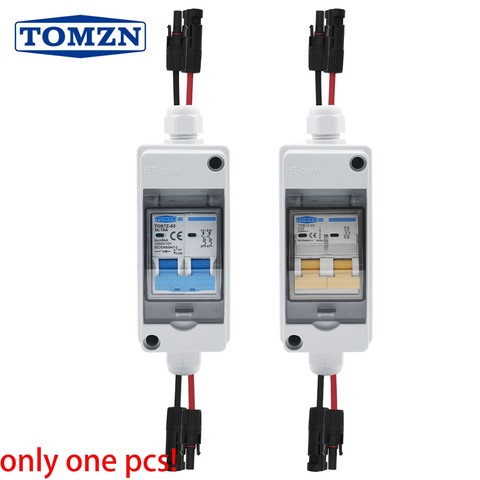
IP65 Pre-Wired Solar PV Combiner Box (1-In 1-Out / Multi-String)
IP65 Waterproof
DC 600V/1000V
Integrated MCB
Delivering high-reliability, anti-corrosion, IP65/IP66 DC combiner boxes, smart timing systems, and string-level circuit protection engineered specifically for South Korea's maritime, industrial rooftop, and distributed solar installations.
Explore our core pre-wired balance-of-system solutions and precision DIN-rail smart timing control relays recommended for commercial microgrids, battery storage integrations, and Busan harbor photovoltaic arrays.
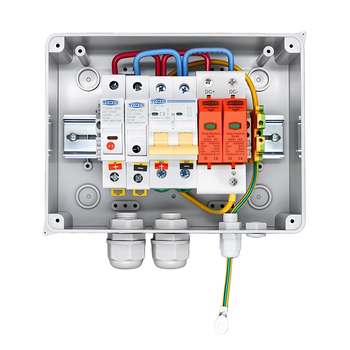
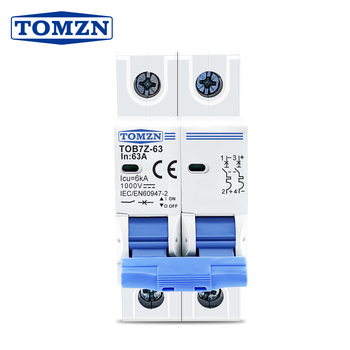
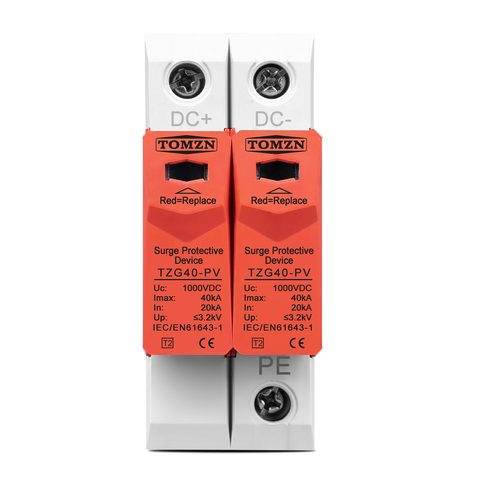



Busan represents South Korea's premier logistics gateway and industrial coastal hub. Installing photovoltaic systems in this environment exposes critical balance-of-system hardware to extreme salt fog, heavy summer monsoons, high humidity, and complex thermal cycling. Here is how TMB Electric delivers field-proven longevity.
Coastal installations across Busan Port, Gamcheon Harbor, and adjacent industrial complexes (such as Noksan Industrial Complex) suffer from pervasive aerosolized chloride deposits. Standard commercial enclosures with low ingress protection or unprotected copper terminals quickly succumb to severe oxidation, micro-arcing, and elevated contact resistance. At Zhejiang TMB Electric, our specialized combiner boxes for coastal South Korea deploy high-grade anti-UV polycarbonate (PC) and reinforced ABS enclosures tested to IP65 and IP66 standards. Internally, our DC busbars are precision-machined from 99.9% pure electrolytic copper, electro-plated with premium nickel-tin alloy layers to permanently inhibit atmospheric galvanic corrosion.
Furthermore, thermal modeling under Korea Meteorological Administration (KMA) coastal peak solar exposure indicates that internal combiner box ambient temperatures can exceed 65°C. Without proper de-rating calculations and internal thermal convective pathways, premature thermal nuisance tripping occurs in DC MCBs. Our factory pre-engineers certified derating curves into every multi-string layout, guaranteeing reliable string isolation under full load at 50°C continuous ambient conditions.
Unlike alternating current, continuous direct current does not possess a natural zero-crossing point. Our DC MCBs and DC MCCBs feature multi-plate de-ionizing arc chutes and permanent neodymium magnetic blow-out coils to rapidly stretch and extinguish 1000V/1500V DC arcs within milliseconds.
Integrated 1000V DC gPV fuses (10x38mm) provide precision thermal-magnetic interruption for back-fed fault currents. When multiple strings run in parallel, faulty modules are safely isolated without compromising energy harvesting across the remaining solar array.
Busan's coastal topography faces heavy lightning density during the East Asian monsoon season. Our built-in DC surge protection devices feature high-energy metal oxide varistors (MOV) with fast nanosecond response times and integrated thermal disconnect indicators.
| System Metric | Standard Low-Cost Combiner Box | TMB Electric Maritime-Grade Solar Combiner | Engineering Benefit for Busan EPCs |
|---|---|---|---|
| Enclosure Protection | IP54 to IP65 Standard ABS (Degrades in UV) | IP65/IP66 UV-Stabilized Polycarbonate + Neoprene Seal | Zero water penetration during typhoons and high humidity |
| Internal Busbar Material | Standard Brass / Bare Copper | Tin/Nickel Plated Electrolytic High-Purity Copper | Prevents salt-mist oxidation, reduces hot spots & thermal loss |
| DC Arc Extinction | Basic Contact Separation | Multi-plate Arc Chute with Magnetic Blow-out Action | Guarantees swift clearing up to 1000V DC under fault loads |
| Surge Suppression | Generic 10kA AC/DC Arresters | TUV-Grade DC 1000V Type II SPD (In 20kA, Imax 40kA) | Comprehensive transient suppression against coastal strikes |
| Certifications & Testing | Self-declared unchecked documents | TÜV Rheinland Assessed Plant & CE Compliant Models | Smooth project clearance with KEPCO and local safety auditors |
From extensive maritime logistics warehouses to urban zero-energy commercial rooftops, our solar combiner boxes and automated power distribution devices solve distinct regional electrical challenges.
The vast logistics zones surrounding Busan New Port (Busan Sin-hang) present square kilometers of flat metal roofs ideal for large-scale C&I solar arrays. These roofs experience relentless wind shear and saline atmosphere.
Busan's manufacturing centers house electroplating, metal fabrication, and machinery operations. These plants generate heavy grid harmonic distortion, electromagnetic interference, and switching voltage spikes.
Fish farms, coastal defense monitoring points, and offshore tidal installations around Yeongdo and Gijang operate on decentralized microgrids integrating solar PV strings, battery storage, and diesel generator backups.
As South Korea strengthens its Renewable Energy Certificates (REC) framework and enforces stricter fire prevention guidelines under the Korea Electric Safety Corporation (KESCO), combiner box technology is advancing across three key dimensions.
Utility-scale and mid-sized commercial projects across the Gyeongsangnam-do region are systematically migrating from 1000V to 1500V DC topologies. This shift reduces system cabling losses and BOS expenses, mandating higher insulation dielectric properties and increased creepage distances inside combiner enclosures.
Traditional passive combiner boxes are yielding to smart combiner units outfitted with Hall-effect current sensors, RS485 Modbus, or Bluetooth smart interfaces. Facility managers can pinpoint shaded, cracked, or degraded photovoltaic panels remotely without physical string testing.
Following high-profile ESS and rooftop fire incidents in South Korea, revised electrical codes demand enhanced arc-fault circuit interrupter (AFCI) compatibility and flame-retardant V-0 enclosure housings that prevent thermal ignition under catastrophic fault events.
Operating out of Huabei Village, Liushi Town, Wenzhou—China's world-renowned low-voltage electrical capital—Zhejiang TMB Electric Co., Ltd. (TOMZN) leverages a fully integrated production ecosystem. By manufacturing critical internal components—such as contact assemblies, silver tips, bimetallic thermal triggers, and precision molded cases—within a tightly coordinated 5-kilometer supply radius, we offer unprecedented quality stability and agility to global importers.
Unlike trading intermediaries, our 5,700 m² manufacturing plant with 92 verified technicians has undergone rigorous on-site assessment by TÜV Rheinland. We handle customized engineering requirements: from OEM private labeling and laser logo etching to complex multi-input combiner box configurations fitted with designated breaker amperages, fuses, and ATS modules.
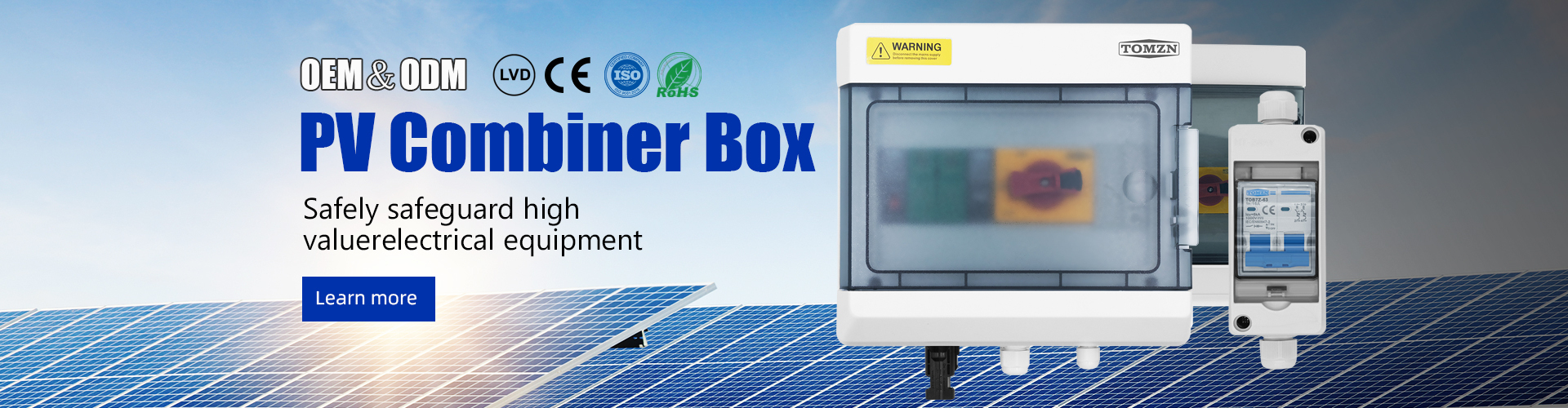
Direct answers addressing voltage ratings, maritime protection, minimum orders, customs logistics, and local compliance.
Whether you need maritime-grade DC combiner boxes for a Busan industrial rooftop array or custom DIN-rail automation components, our engineering specialists will provide complete technical datasheets and competitive factory-direct pricing within 24 hours.