Featured Surge Protection & Switching Systems for Tyre's Grid Architecture
Factory-direct din-rail solutions specifically selected to safeguard microgrids, heavy industrial vulcanizing lines, commercial switchboards, and hybrid solar installations across Tyre.

TORT7 Series Delay-ON Delay-OFF 10in1 Asymmetric Cycler Time Relay
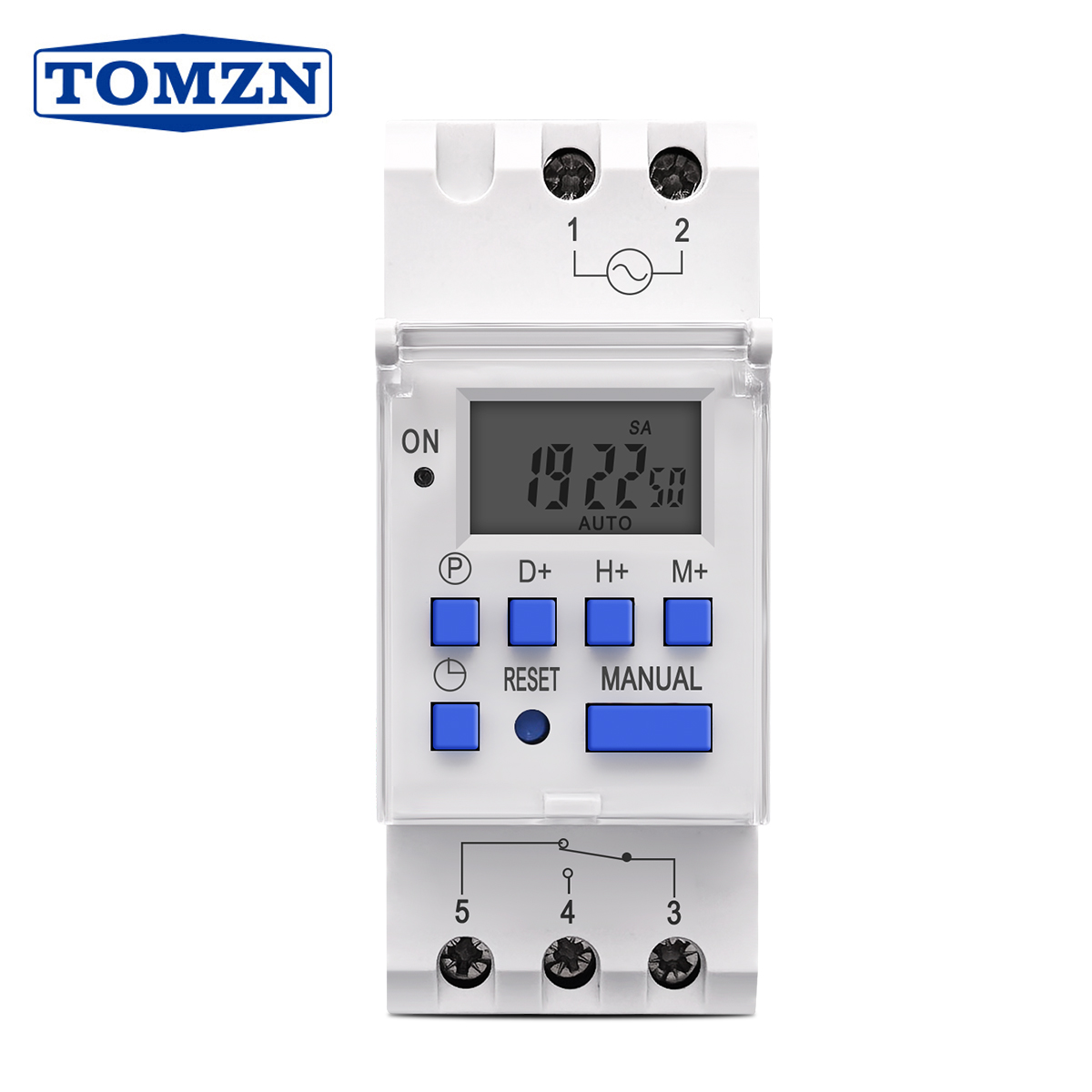
TOMZN 1NO 1NC DIN Rail Weekly 7-Day Programmable Digital Timer Switch

TOMZN New Type Single Phase DIN Rail Weekly Programmable Switch

TOMZN TOS7-B Bluetooth Smart DIN Rail Timer Switch (40A/63A 85-265V)

TOS6-40 Bluetooth 35mm DIN Rail Wall-Mounted Timing Switch 40A
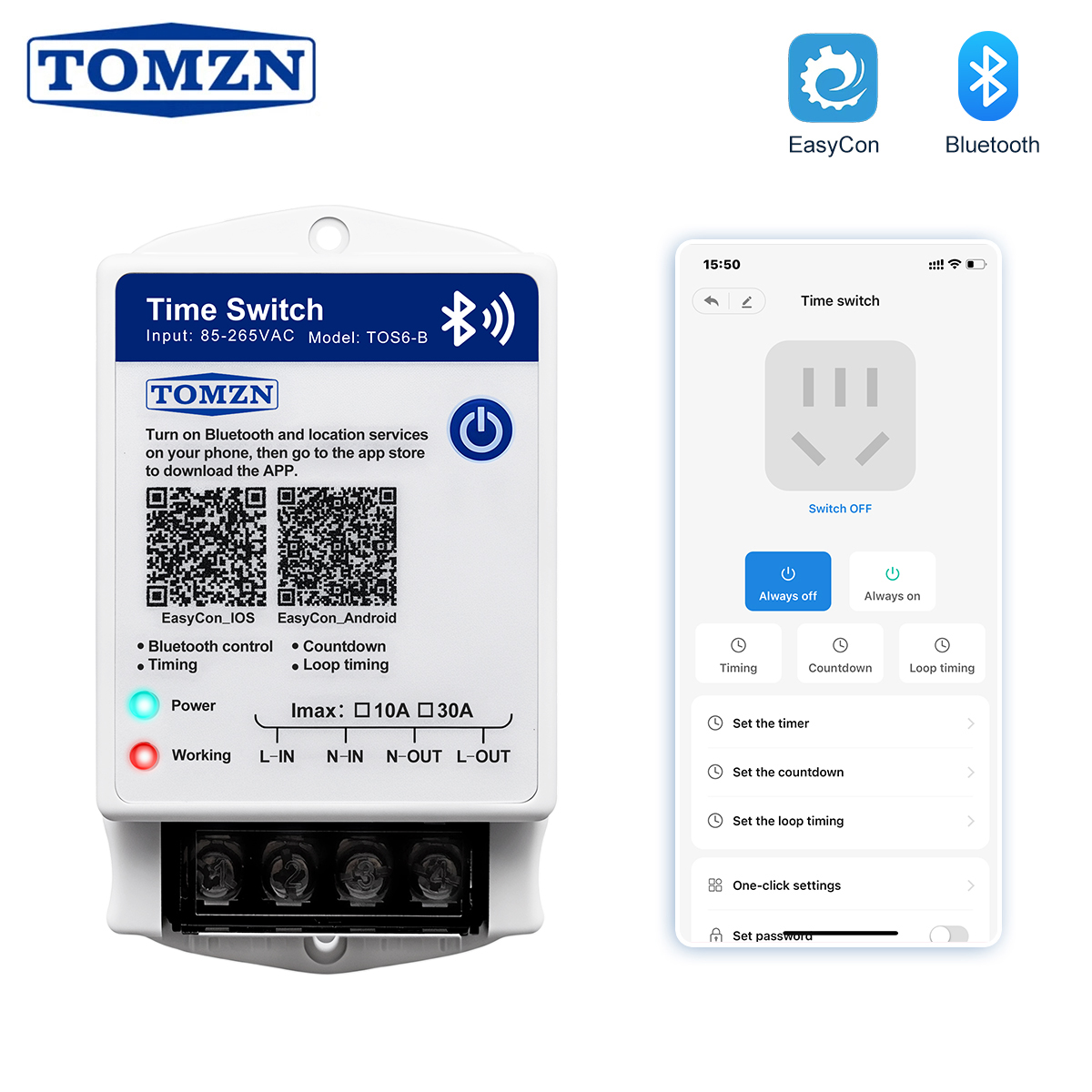
TOMZN Bluetooth Smart Timer Switch 85-265VAC 10A 30A EasyCon
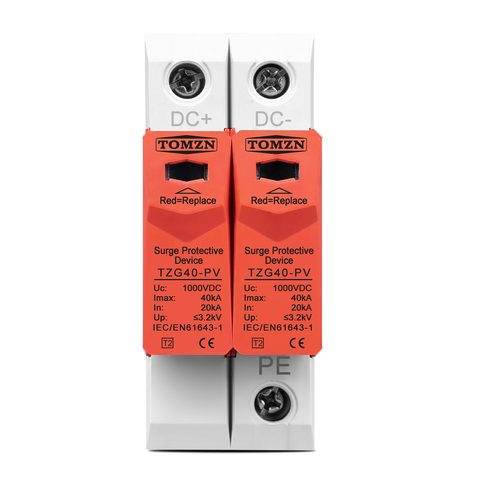
Modular DC SPD 500V-1000V Surge Arrester 20-40kA for Solar Arrays
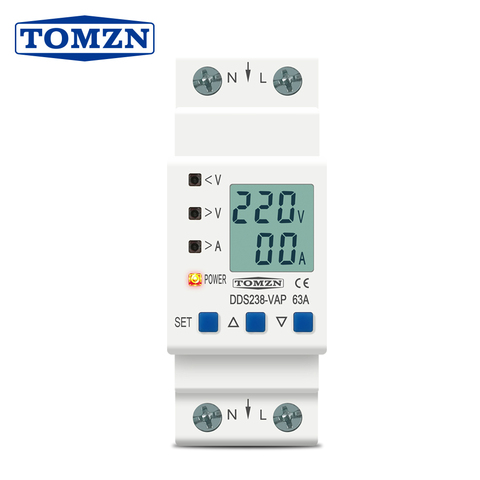
Adjustable Over & Under Voltage Protector 63A/80A with Real-Time kWh Meter
Surge Protection Engineering in the Tyre Electrical Ecosystem: Mitigation of Severe Grid Volatility and Switching Surges
In coastal commercial centers and heavy industrial zones such as Tyre (Sour) and its surrounding industrial belts, electrical systems are subject to severe power quality stresses. The local distribution network is characterized by intermittent municipal grid availability, rapid reliance on heavy private diesel generator banks, and an exponential increase in commercial and residential solar photovoltaic (PV) arrays with energy storage systems (BESS). This hybrid trifecta of power sources creates an exceptionally hostile environment for sensitive electronics, variable frequency drives (VFDs), computerized automation, and standard low-voltage switchboards.
When transferring between municipal high-voltage feeders and unsynchronized backup generator sets, substantial inductive switching transients occur. These transients frequently produce overvoltage spikes ranging from 2.5 kV up to 8 kV, far exceeding the rated impulse withstand voltage ($U_i$) of typical consumer appliances and sensitive programmable logic controllers (PLCs). Without a coordinated Surge Protective Device (SPD) defense scheme, catastrophic dielectric breakdown of varistors, insulation degradation in winding insulation of vulcanizing motors, and instantaneous failure of inverter bridge circuits become inevitable.
As a veteran designer and manufacturer headquartered in Liushi, Wenzhou—the globally recognized low-voltage apparatus capital of China—Zhejiang TMB Electric Co., Ltd. produces comprehensive high-energy Metal Oxide Varistor (MOV) and Gas Discharge Tube (GDT) protection architectures. Designed and rigorously audited to satisfy international standards including IEC 61643-11 (for low-voltage surge protective devices connected to low-voltage power systems) and IEC 61643-31 (specifically governing SPDs for photovoltaic installations), our assemblies provide guaranteed voltage protection levels ($U_p$) low enough to safeguard modern microprocessor controls while handling discharge currents ($I_{max}$) up to 40kA or 60kA per module.
Thermal Disconnect Security
Our SPDs feature built-in dual-action micro-thermal cutoffs with low-melting alloy solder points. In the event of temporary sustained overvoltages (TOV) common in unbalanced local networks, the arrester isolates gracefully without fire hazards or nuisance arc flashes.
Nanosecond Response Clamping
Equipped with ultra-fast zinc-oxide discs, our surge arresters initiate conduction in under 25 nanoseconds. This shunts transient high-frequency impulse energy straight into the grounding busbar before line-side surges enter building substations or distribution panels.
Marine Salt-Mist Resistance
Operating along the Mediterranean shoreline demands superior environmental resilience. Every TMB SPD module uses reinforced flame-retardant PBT/PA66 housings, tin-plated copper contacts, and sealed cavity designs that prevent electrolytic corrosion in high-salinity maritime air.
Localized Application Scenarios Across Tyre's Commercial, Solar, & Heavy Retreading Facilities
To maximize operational uptime, electrical procurement managers, contractors, and solar EPCs operating in Tyre must adapt their electrical layouts to real-world power quality challenges. Our products are deployed across four primary operational profiles throughout the region:
1. Commercial Rooftop & Agricultural Solar PV Strings
Tyre's agricultural outskirts (citrus orchards and olive processing) and urban rooftops have enthusiastically embraced decentralized solar generation. DC cabling traversing open rooftops is vulnerable to indirect lightning strikes and static cloud-to-ground discharges. We integrate our 1000V DC SPDs (20-40kA) alongside DC MCBs directly into pre-wired IP65 combiner boxes, isolating sensitive MPPT string inverters from voltage transients.
2. Tyre Retreading & Rubber Vulcanizing Plants
Tyre manufacturing workshops and retreading stations rely on continuous curing autoclaves, extruders, and variable speed motors. Heavy motor switching generates significant inductive back-EMF spikes. Implementing TMB Class II AC SPDs at the secondary distribution boards clamps high-voltage switching ripples, protecting PLC logic boards, thermocouples, and digital motor drives from sudden logic latch-up or silicon burnout.
3. Hybrid Grid-to-Generator ATS Changeover Panels
In Tyre, switching between state electricity and neighborhood commercial diesel generators happens multiple times per day. Every transfer cycle causes phase mismatches, neutral floating, and micro-arcs. Pairing our TOQ3 Dual Power Automatic Transfer Switch (ATS) with adjustable over-and-under voltage protectors and Type 2 AC SPDs ensures an uninterrupted, surge-free transition that stabilizes voltage before delivering power to loads.
Technical Comparison: Selecting the Optimal SPD Rating for Localized Operating Conditions
Selecting mismatched parameters is the primary cause of premature SPD degradation. In Tyre's variable grid environment, selecting an inappropriate Maximum Continuous Operating Voltage ($U_c$) will result in varistor thermal runaway. Consult the engineering matrix below:
| System Category | Recommended Model | Continuous Operating Voltage ($U_c$) | Nominal / Max Discharge ($I_n / I_{max}$) | Voltage Protection Level ($U_p$) | Target Subsystem in Tyre |
|---|---|---|---|---|---|
| Solar PV DC String (600V-1000V) | TMB DC SPD 2P/3P Modular | 1000 V DC (Polarized / Non-polar) | 20 kA / 40 kA (8/20 µs) | ≤ 3.8 kV | Combiner boxes & inverter DC disconnects in solar arrays |
| Main Distribution Board (MDB) AC | TMB AC SPD Class I+II (1P-4P) | 385 V AC (Enhanced TOV withstand) | 30 kA / 60 kA (8/20 µs), $I_{imp}$ 12.5 kA | ≤ 2.0 kV | Main service entrance downstream from ATS changeover switch |
| Sub-Distribution Board (SDB) AC | TMB AC SPD Class II Modular | 275 V AC / 320 V AC | 20 kA / 40 kA (8/20 µs) | ≤ 1.5 kV | Apartment risers, retail shops, and commercial offices |
| Industrial Equipment Protection | TMB AC SPD + Voltage Protector | 230 V / 400 V AC Multi-phase | 10 kA / 20 kA (8/20 µs) | ≤ 1.2 kV | Rubber vulcanizing presses, air compressors, and CNC panels |
| Automated Timing Circuits | TORT7 / TOS7-B + Contactor Aux | 85 V – 265 V AC / DC | Surge Protected Relay Coils | ≤ 1.0 kV | Load shedding, water pump cycling, and lighting automations |
Localized Development Trends Shaping Low-Voltage Protection in Tyre
1. Acceleration of Hybrid Energy Storage & Bidirectional Surges: Over the past three years, the deployment of lithium-ion BESS and hybrid inverters in Southern Lebanon has grown tenfold. Unlike conventional grids where surges travel unidirectionally from the transmission lines down to the customer, hybrid setups generate bidirectional surges. Grid instability creates line surges inwards, while rapid inverter reconnection or sudden battery load drops generate transient back-surges. This trend has established coordinated DC-side and AC-side surge suppression as an absolute baseline requirement rather than an optional add-on.
2. Convergence of Surge Suppression with Automated Voltage Protection: Traditional standalone SPDs only clamp microsecond transient voltage pulses; they do not isolate sustained overvoltage swells (e.g., when a neighborhood transformer drops its neutral conductor, sending phase voltage up to 380V for minutes or hours). The modern trend in Tyre is the integration of dual-stage protection: a high-speed modular SPD paired in series with an adjustable dynamic over-and-under voltage protector. This combined setup shields sensitive consumer electronics and industrial machinery against both nanosecond lightning spikes and sustained grid instability.
3. Demand for Remote Status & Smart App Telemetry: Because many facilities and agricultural pumps operate in decentralized or semi-rural areas surrounding Tyre, maintenance engineers require clear visibility over component status. TMB is addressing this shift by producing SPDs with auxiliary remote dry contact signaling (NC/NO) for centralized alarms, alongside IoT-enabled smart Wi-Fi and Bluetooth DIN rail breakers with integrated energy and voltage monitoring. This gives engineers real-time insight into line voltages, leakage conditions, and scheduled load operations directly from mobile devices.
Zhejiang TMB Electric Co., Ltd. — 24 Years of Precision Electrical Engineering
Located in Huabei Village, Liushi Town, Wenzhou—the low-voltage manufacturing epicenter of China—Zhejiang TMB Electric Co., Ltd. has accumulated over 24 years of manufacturing expertise. We operate an integrated industrial footprint spanning 5,700 m² with 92 highly trained specialists, audited on-site by TÜV Rheinland.
-
✓
TÜV Rheinland On-Site Assessed Facility: Complete factory audit covering manufacturing equipment, material traceability, dynamic test benches, and Quality Management Systems.
-
✓
Liushi Supply Chain Advantage: Direct, local sourcing of virgin high-grade silver alloy contacts, flame-retardant thermoplastics, and premium varistor discs gives us shorter production lead times and uncompromising cost control.
-
✓
Flexible B2B Minimums & Fast Sampling: Low trial MOQ starting from only 5 pieces for standard catalog models, allowing overseas distributors and panel builders to verify samples prior to volume container shipments.
-
✓
Comprehensive OEM/ODM Capabilities: Custom laser-etched branding, bespoke packaging, specific voltage combinations, and customized pre-wired solar combiner boxes assembled to your exact project single-line diagram.