Engineered Switchgear, Timing Relays & Circuit Breaker Modules
Precision manufactured in our TÜV Rheinland-assessed manufacturing hub for integration into primary substations, motor control centers (MCC), and intelligent automated distribution panels.
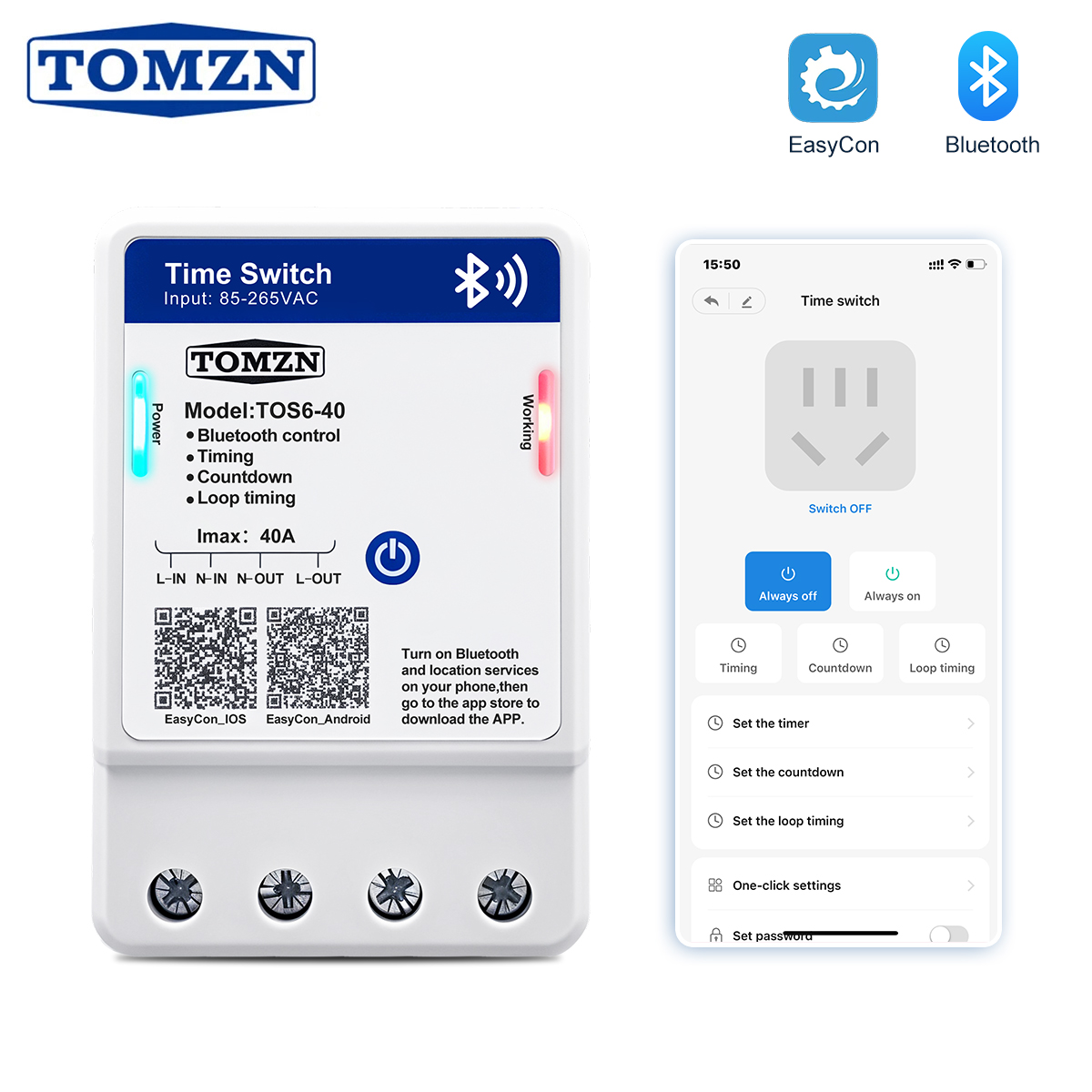
TOS6-40 Bluetooth Time Control Switch 35mm DIN Rail AC85-265V 40A
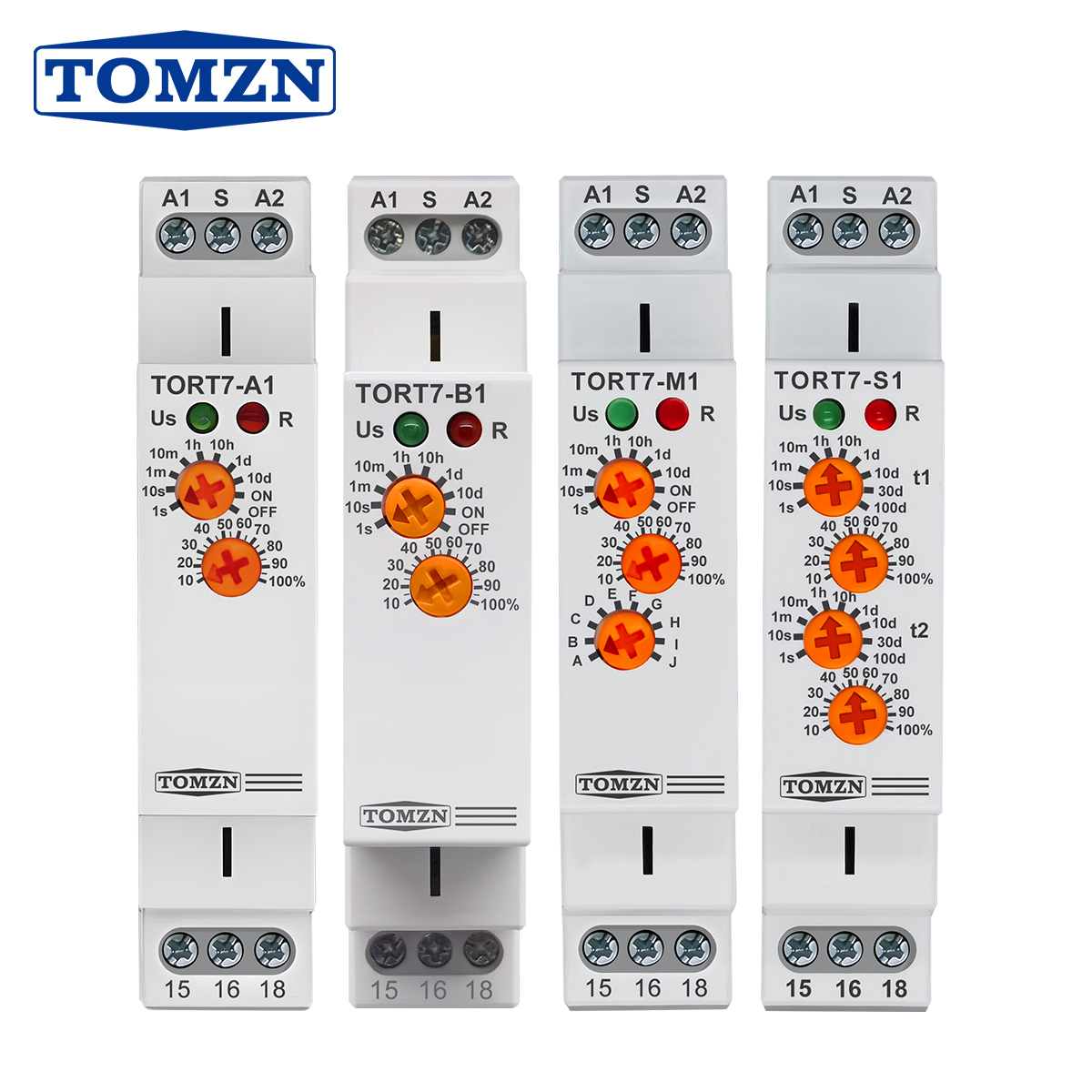
TORT7 Series Delay-ON Delay-OFF 10-in-1 Asymmetric Cycler Time Relay
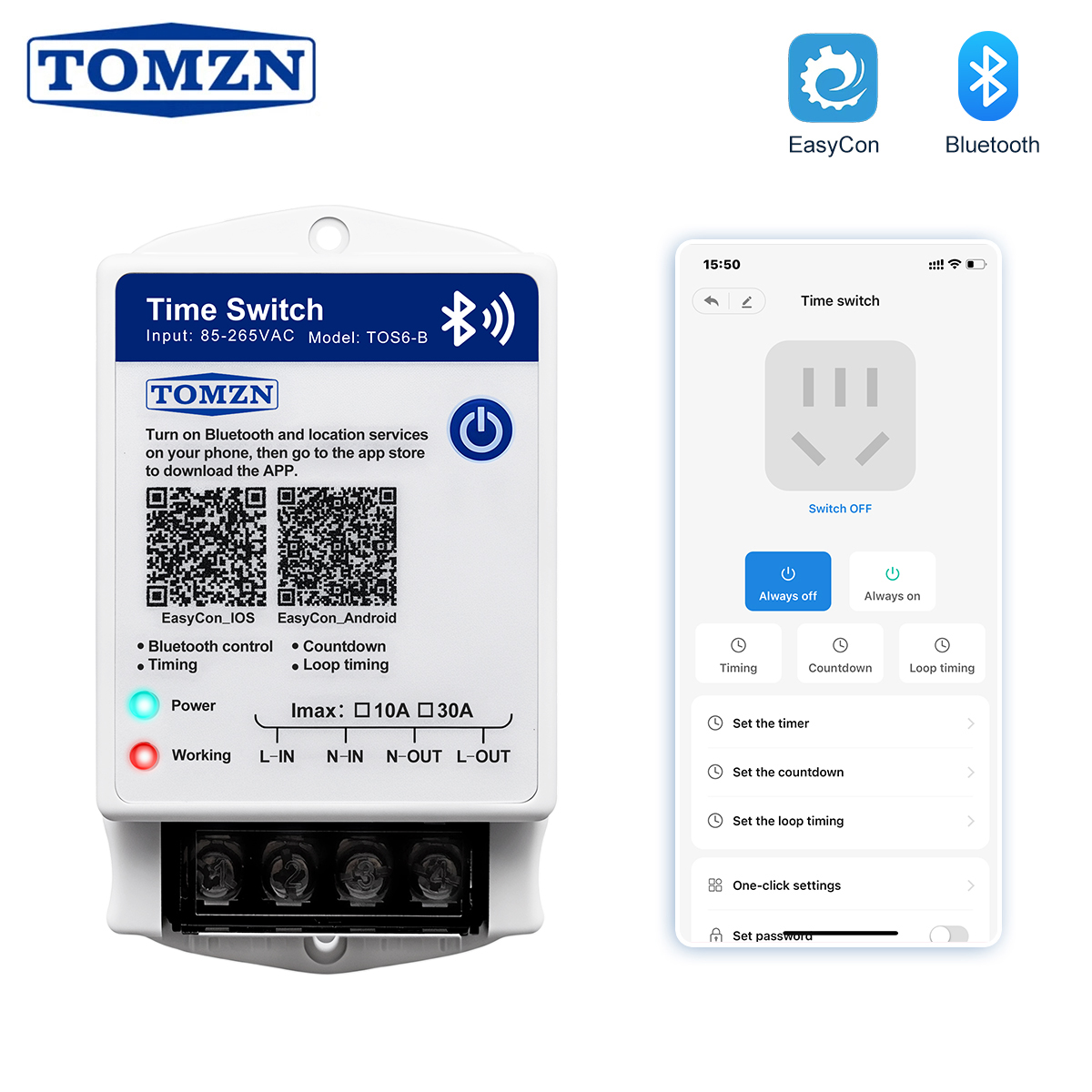
TOMZN Bluetooth Smart Timer Switch 85-265VAC 10A 30A EasyCon
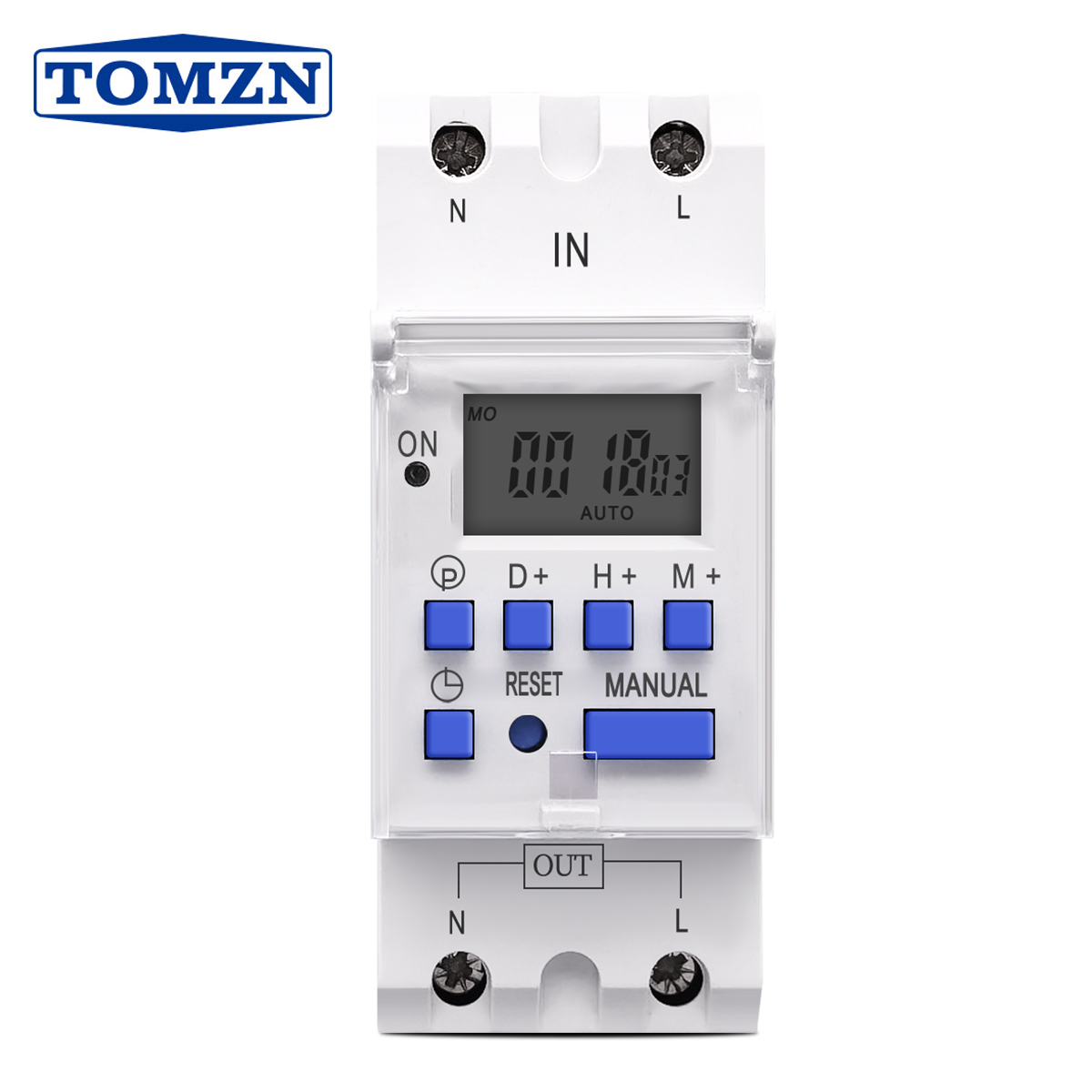
TOMZN Single Phase 7 Days Weekly Programmable Digital Timer Switch
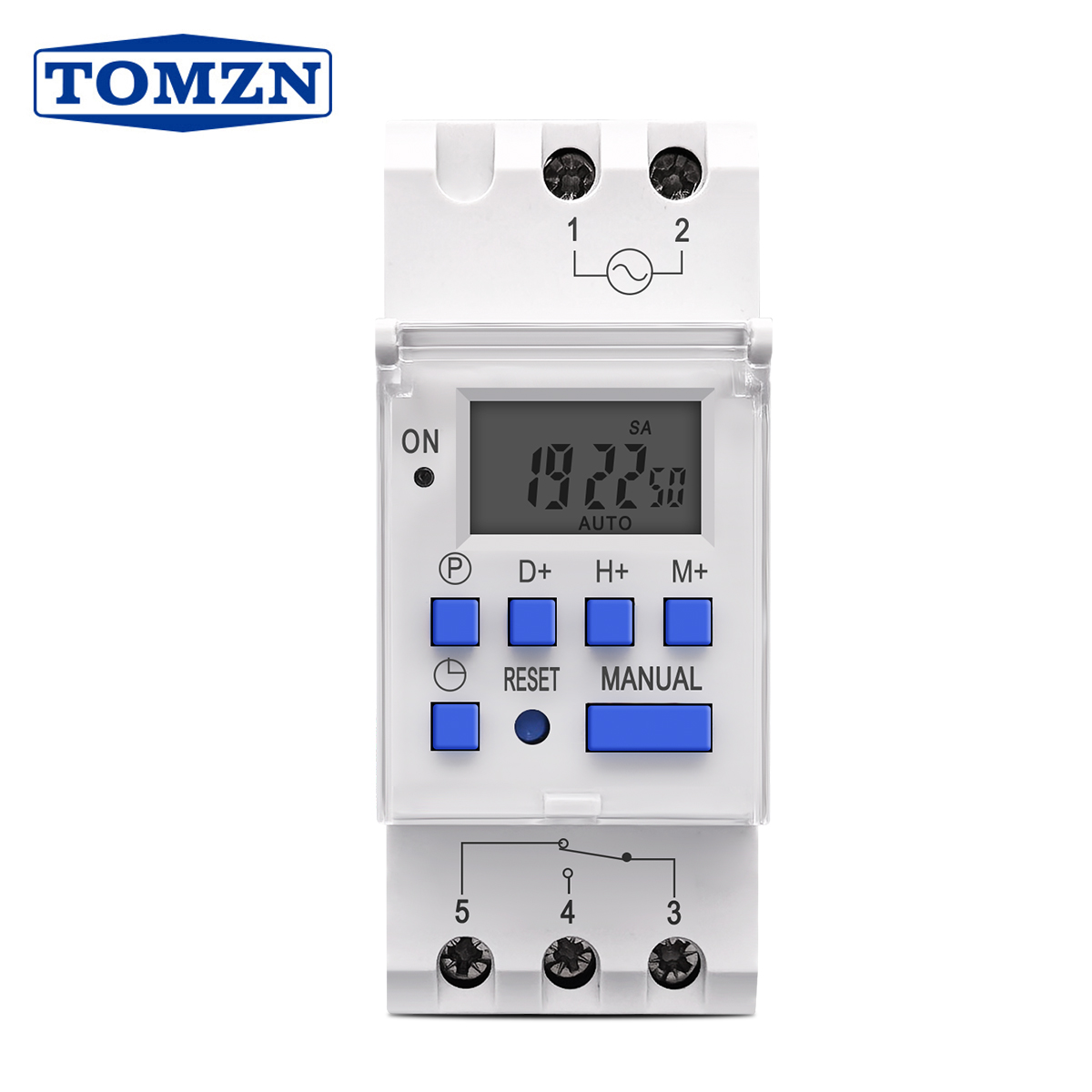
TOMZN 1NO+1NC DIN Rail Single Phase Programmable Digital Relay Timer
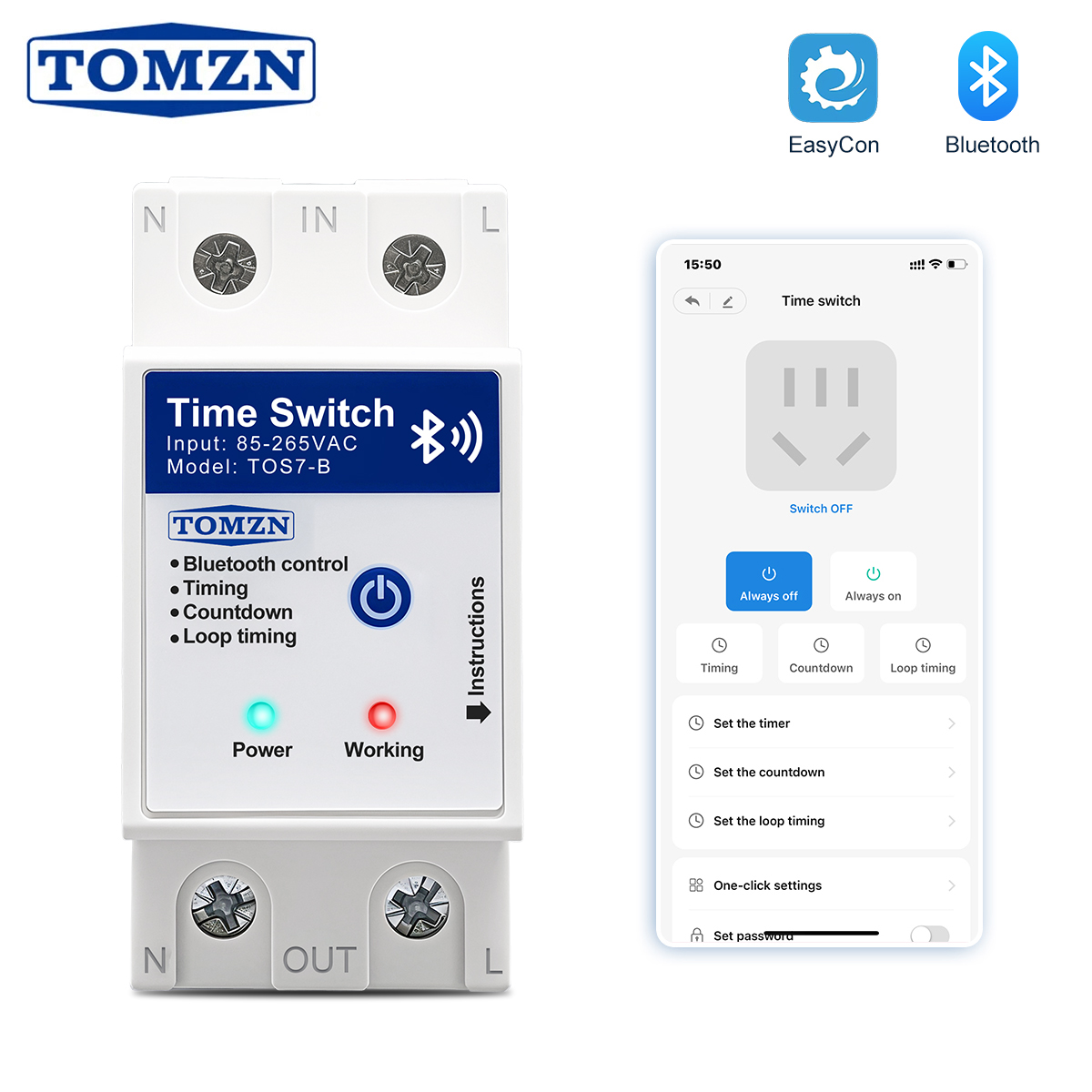
TOMZN TOS7-B High-Current Bluetooth Smart Timer Switch 40A 63A
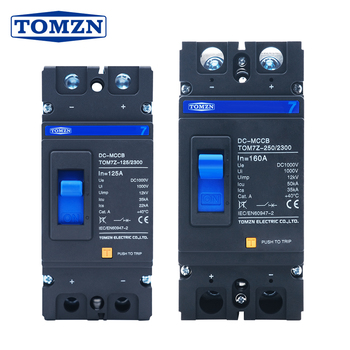
TOM7Z 2P 1000V DC High Capacity Molded Case Circuit Breaker (MCCB)
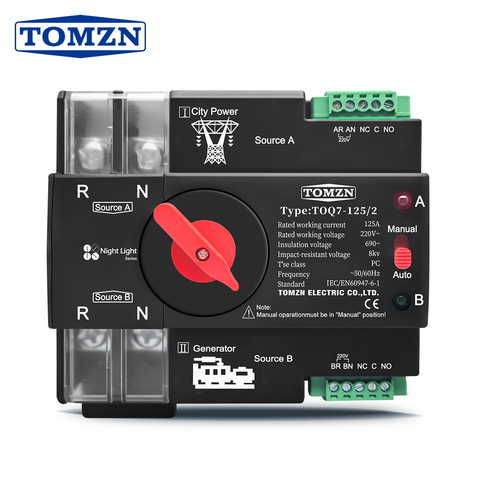
TOQ3 Dual Power High-Speed Automatic Transfer Switch (ATS) 2P/4P
Vacuum Interrupter Physics, Transient Recovery Voltage, and Arc Dynamics
Modern electrical distribution architectures demand fault interruption systems that transcend the environmental hazards of sulfur hexafluoride (SF6) gas and the maintenance overhead of legacy minimum-oil circuit breakers. Vacuum Circuit Breaker (VCB) technology has established itself as the preeminent methodology for medium-voltage primary and secondary substations. The operational mechanics of a vacuum interrupter hinge upon sustaining an ultra-high vacuum environment within a hermetically sealed ceramic envelope—typically operating at internal pressures below 10-5 Pa (7.5 × 10⁻⁸ Torr).
Arc Control Mechanics: AMF vs. RMF Contact Topologies
When separating high-voltage electrical contacts under short-circuit conditions (e.g., 20 kA to 50 kA breaking capacities), a metallic vacuum arc ignites. This arc does not conduct through ionized air particles; rather, it is sustained exclusively by the vaporized electrode material generated from microscopic cathode spots. In high-rating VCB design, preventing localized anode spot melting is critical to ensuring rapid dielectric recovery at zero crossing. Zhejiang TMB Electric Co., Ltd. incorporates state-of-the-art contact geometries utilizing Axial Magnetic Field (AMF) and Radial Magnetic Field (RMF) contact topologies.
RMF designs employ spiral-groove or petal slotted contacts. The electromagnetic Lorenz forces generated by the arc's self-induced magnetic field force the arc root to rotate rapidly along the circumferential periphery of the copper-chromium (CuCr 75/25 or 50/50) contact alloy. This continuous movement eliminates thermal focal points and maintains a diffuse arc mode. Conversely, AMF topologies introduce a magnetic field parallel to the arc axis, suppressing electron divergence, constraining the arc plasma into an evenly distributed column, and significantly mitigating contact erosion during asymmetrical short-circuit breaking sequences.
Mitigating Transient Recovery Voltage (TRV) & Re-Ignition Phenomena
In highly inductive networks, such as switching unloaded transformers, shunt reactors, or heavy induction motors common throughout the Keihin Industrial Zone in Yokohama, the phenomenon of current chopping can induce severe Transient Recovery Voltages (TRV). If the rate of rise of recovery voltage (RRRV) exceeds the dielectric recovery speed of the separating contact gap, multiple restrikes or high-frequency reignitions occur. Our switchgear engineering includes precision spring-operating or permanent magnetic actuator (PMA) mechanisms calibrated for sub-millisecond contact separation timing, dampening contact bounce to under 2 milliseconds, thereby safeguarding downstream transformer insulation systems from destructive high-frequency switching overvoltages.
| Performance Parameter | IEC 62271-100 Standard Metric | JIS C 4603 / JEM 1425 Specification | TMB Switchgear Benchmark |
|---|---|---|---|
| Rated Voltage (Ur) | 7.2 kV / 12 kV / 24 kV / 36 kV | 3.3 kV / 6.6 kV / 22 kV / 33 kV | Dual-Frequency Rated (3.3 kV - 24 kV) |
| Short-Circuit Breaking (Isc) | 20 kA / 25 kA / 31.5 kA / 40 kA | 12.5 kA / 20 kA / 25 kA / 31.5 kA | Up to 40 kA (sym.), 100% DC Offset |
| Mechanical Endurance Class | Class M2 (10,000 operations) | Standard Grade (10,000 ops) | Class M2+ (Up to 30,000 extended ops) |
| Electrical Endurance Class | Class E2 (No maintenance on contacts) | High Breaking Category | Class E2 Extended Short-Circuit Duty |
| Dielectric Recovery Rate | Standard RRRV envelope | Severe inductive load parameters | Enhanced CuCr contact matrix (>25 kV/µs) |
Yokohama Regional Applications: Keihin Industrial Corridor & Port Operations
Yokohama stands as one of Japan's preeminent shipping gateways and industrial engine rooms. The Keihin Industrial Region, encompassing Tsurumi, Kanagawa, and Naka wards, presents demanding operating environments for electrical switchgear. Coastal maritime atmospheres saturate sub-stations with saline humidity, while heavy industrial chemical processing plants produce abrasive ambient conditions. Selecting the appropriate vacuum circuit breaker supplier and exporter demands uncompromising adherence to localized electrical architecture requirements.
Port of Yokohama Cold Ironing
Shore-to-ship power installations (cold ironing) along Honmoku and Daikoku piers necessitate VCBs capable of rapid synchronizing between marine onboard generators and TEPCO's 6.6 kV / 22 kV mainland grid, operating under severe salt-mist conditions.
Petrochemical & Refinery Substations
Heavy refineries and manufacturing complexes along Negishi Bay require zero-emission, oil-free switchgear with fire-suppressive, explosion-proof vacuum envelopes, preventing catastrophic secondary explosions during primary phase faults.
Rail Transit & Data Microgrids
High-density rail lines (JR East, Keikyu, Tokyu lines converging at Yokohama Station) and modern Minato Mirai 21 data hubs deploy vacuum switchgear paired with high-speed dual ATS units to guarantee zero-downtime, continuous power failover.
Market Dynamics & Green Transformation (GX) in Kanagawa Prefecture
Kanagawa's aggressive transition toward net-zero emissions under Japan's national Green Transformation (GX) policy is accelerating the total obsolescence of SF6 gas-insulated switchgear. While SF6 has historically dominated medium-voltage GIS due to its dielectric strength, its Global Warming Potential (GWP) of 23,500 times that of CO2 has made it an unacceptable environmental liability. Vacuum interrupters represent the only globally scalable, zero-emission alternative that maintains physical compactness without compromising interrupting capacity.
Furthermore, the rapid expansion of industrial rooftop solar photovoltaic arrays across logistics warehouses in the Yokohama Port bay area has shifted the nature of power distribution from unidirectional radial feeds to bidirectional distributed generation. This requires switchgear assemblies, combined with digital direction-sensitive protective relays, DC string protection, and smart timer control devices, to prevent islanding faults and isolate voltage fluctuation hazards before they destabilize municipal substations.
Factory Capabilities & Enterprise Advantages: Zhejiang TMB Electric Co., Ltd.
With 24 years of manufacturing leadership, Zhejiang TMB Electric Co., Ltd. operates from Huabei Village, Liushi Town, Wenzhou—internationally recognized as the epicenter of electrical component engineering. Our integrated manufacturing model empowers Yokohama importers, contractors, and trading companies with direct factory pricing, agile OEM/ODM customization, and rigorous quality auditing.
TÜV Rheinland Verified Production
Our 5,700 m² modernized workshop, employing 92 highly trained technicians, is verified on-site by TÜV Rheinland, assuring strict compliance with ISO 9001 quality management protocols.
Liushi Industrial Cluster Synergy
Direct integration into the Liushi industrial cluster enables streamlined procurement of high-purity electrolytic copper, silver-tungsten contacts, and BMC insulated enclosures, driving standard lead times below market averages.
Low MOQ & Tailored OEM/ODM
We support agile procurement for engineering retrofits and test samples starting from just 5 units, backed by private labeling, custom busbar geometries, and dual IEC/JIS compliance support.
Frequently Asked Questions by Yokohama Switchgear Buyers
Technical clarity addressing frequency differences, coastal corrosion, seismic specifications, and export logistics to Kanagawa.
How do your vacuum circuit breakers and timing units accommodate Japan's 50 Hz / 60 Hz dual frequency grids?
Can your VCBs and distribution switchboards bridge IEC 62271 and Japanese JIS C 4603 standards?
What protective measures are taken for installations in the high-salinity maritime zone of Yokohama Port?
How do your assemblies address Japan's stringent seismic structural standards?
What are the standard shipping timelines and customs documentation for freight directly to the Port of Yokohama?
Connect with Our Switchgear Technical Engineering Team
Planning a substation modernization, commercial solar integration, or factory switchboard upgrade in Yokohama or Kanagawa? Submit your single-line diagram (SLD) and technical specifications for direct factory engineering evaluation and competitive FOB/CIF quotation.