Industrial Power Switching Whitepaper & OEM Logistics
Vacuum Contactor Manufacturers & Factories in Charlestown
Technical directory and procurement evaluation framework for medium-voltage vacuum contactors, DIN-rail switching modules, smart hybrid power transfer assemblies, and industrial automation networks.
Engineered Solutions
Precision Switching, Control & Medium-to-Low Voltage Protection
Explore high-performance contactors, modular delay relays, intelligent timing modules, and automated switching systems built under stringent quality audit systems for demanding utility and plant infrastructure.
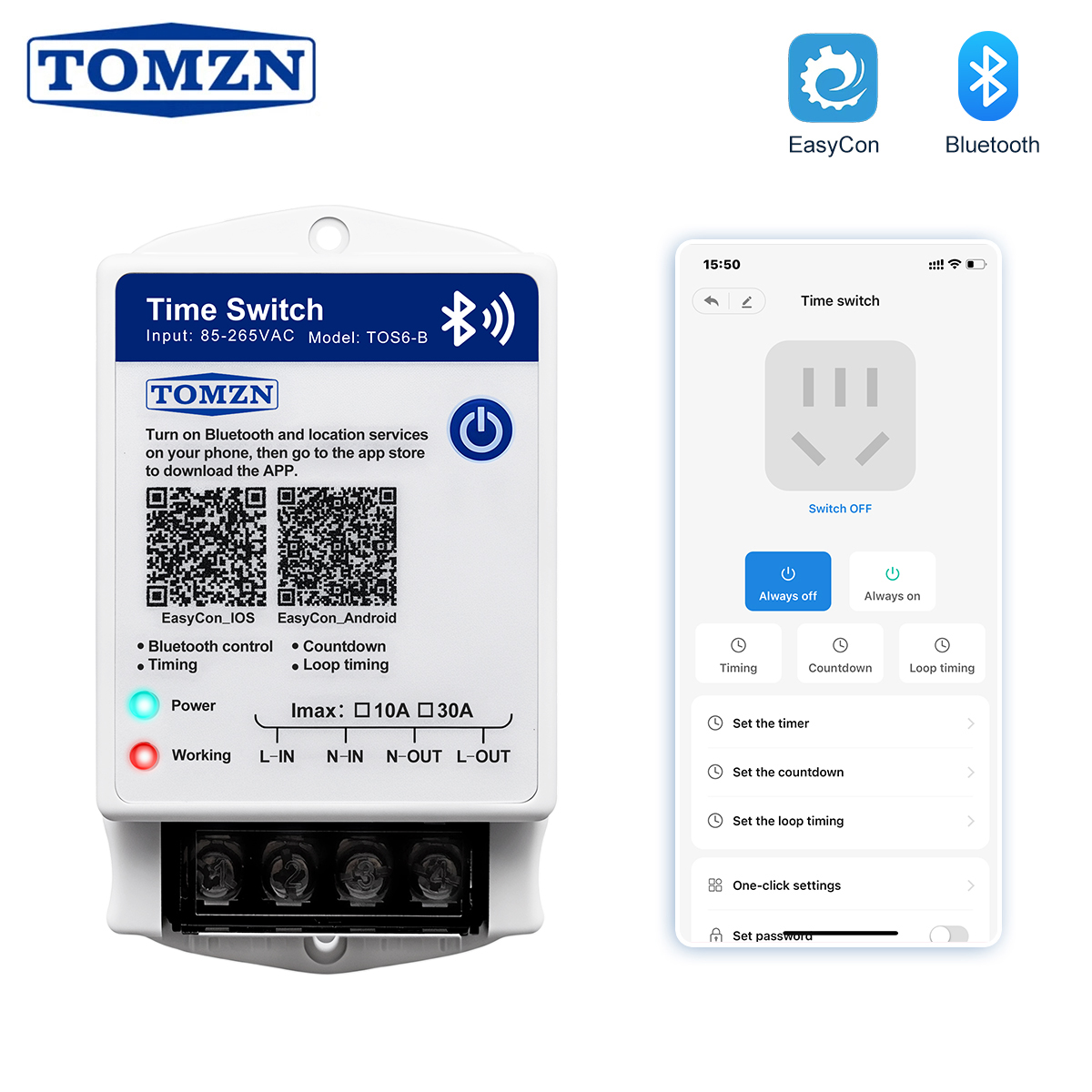
Versatile wall and 35mm DIN-rail mount control unit engineered with Bluetooth programming. Designed for repetitive cyclic automation, inductive motor contactor coils, and critical utility timing.
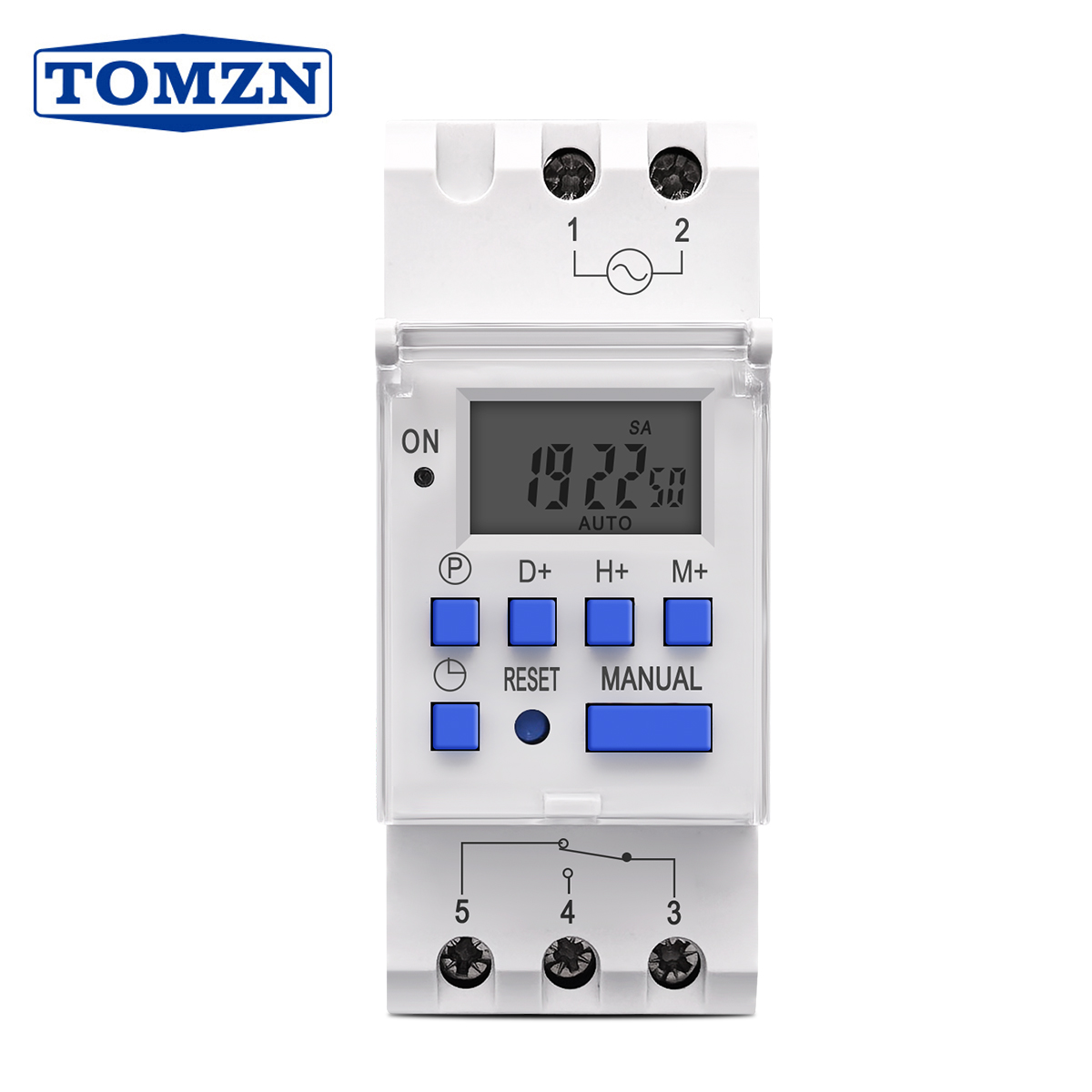
Industrial-grade programmable digital microswitch with dry auxiliary contacts. Provides microsecond switching logic to contactor driving circuits across variable DC/AC control voltages.
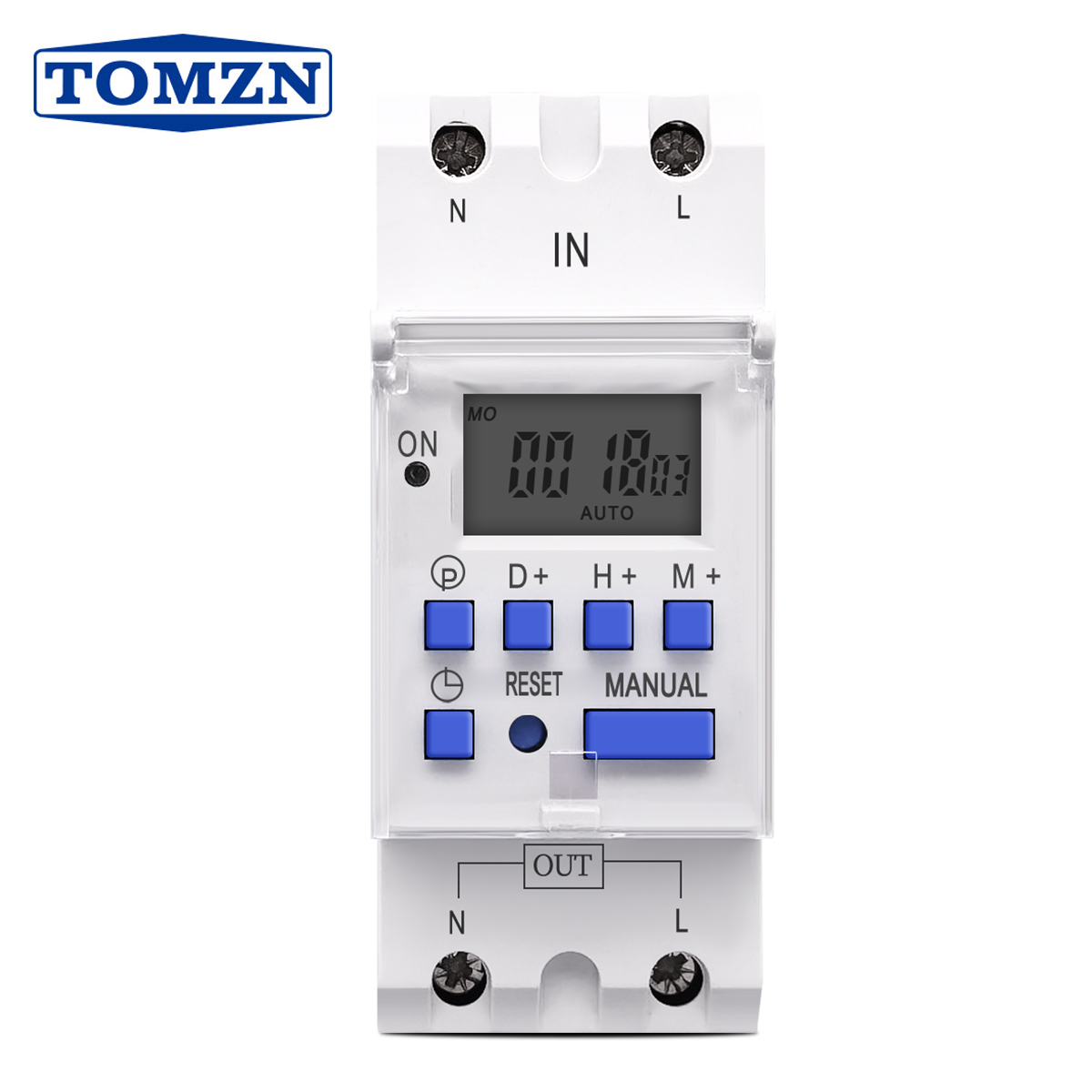
Upgraded low-loss internal relay architecture engineered to withstand high electromagnetic interference (EMI) generated during high-voltage vacuum arc quenching in heavy industrial panels.
High-capacity direct load switching without requiring secondary magnetic contactors for loads under 63A. Seamless remote smartphone synchronization for complex facility duty cycles.
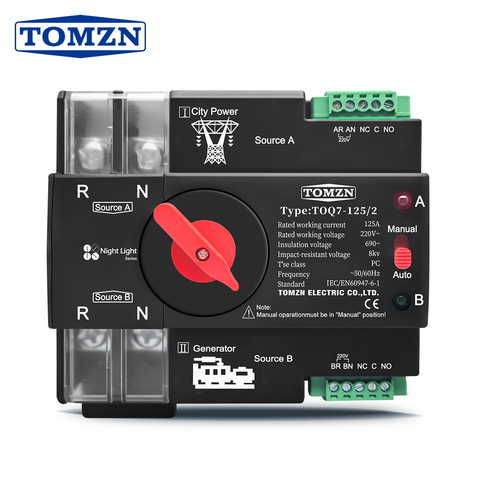
High-speed dual power transfer apparatus featuring silver alloy contacts, rapid mechanical interlocking, and manual-auto modes. Essential for continuous manufacturing and data center power continuity.
Compact architectural and industrial contactors featuring superior dielectric isolation, silent electromagnetic coil retention, and long electrical life cycles across heavy switching applications.
Vacuum contactors represent the technological pinnacle for repetitive, high-frequency electrical switching in demanding commercial, marine, and industrial utility operations. Unlike atmospheric air-break contactors that depend on expansive arc chutes and de-ionizing plates to stretch and cool plasma discharges, vacuum contactors enclose the primary contacts within a hermetically sealed ceramic or high-dielectric glass vacuum interrupter (VI). Operating within a deep vacuum environment—typically exceeding 10⁻⁴ Pascals—the mean free path for electron collisions is drastically extended, preventing sustained gas ionization.
When the moving contact separates from the stationary contact inside a vacuum bottle, an arc initiates purely through the vaporization of metallic microscopic surface asperities. Because the vapor density rapidly dissipates toward the surrounding metallic condensation shield, the dielectric recovery rate reaches thousands of volts per microsecond upon current zero. This operational behavior virtually eliminates contact erosion, reduces maintenance overheads, eliminates the threat of external fire or ionized gas blowouts, and ensures electrical endurance ratings often reaching upwards of one million mechanical cycles.
Strategic Procurement Directive: For system integrators, EPC engineers, and municipal electrical facilities operating across Charlestown and the greater regional manufacturing sector, specifying the appropriate vacuum contactor demands rigorous matching between prospective short-circuit withstand ratings (Icw), transient recovery voltage (TRV) boundaries, and inductive inrush currents associated with Category AC-3 and AC-4 utilization.
Modern vacuum contactor systems leverage advanced magnetic latching mechanisms or energy-efficient DC economizing coils to substantially drop holding wattages, decreasing thermal rise inside tightly sealed electrical cabinets. When synchronized with micro-programmable timing logic devices such as the TORT7 multi-function relay and intelligent TOS6/TOS7-B Bluetooth modules, engineers obtain micro-granular control over complex sequential motor drives, dual-line source transfers, and power factor correction (PFC) capacitor banks.
Performance Parameter
Medium Voltage Vacuum Contactors
Air-Break Industrial Contactors
Solid-State Contactors (SCR)
Operating Voltage Envelope
1.14 kV up to 12 kV / 15 kV Systems
230V – 690V AC Typical (1000V max)
24V – 600V AC Standard
Arc Interruption Medium
Hermetic Ceramic Vacuum Interrupter (≤ 10⁻⁴ Pa)
Atmospheric Air with Deion Arc Grids
Semiconductor Junction (Non-mechanical)
Electrical Switching Life
300,000 to 1,000,000+ Cycles (AC-3/AC-4)
50,000 to 200,000 Operations
Infinite (Thermal fatigue limited)
Thermal Dissipation & Losses
Extremely Low Contact Resistance (< 50 μΩ)
Moderate (Copper and Silver Contact R)
High (Constant 1.2V–1.6V forward voltage drop)
Environmental Resistance
Immune to Dust, Corrosive Chemicals & Moisture
Vulnerable to Oxidation, Humidity & Particles
Heat Sensitive; Demands Forced Heat Sinking
Transient Recovery Dielectric Rate
High (kV/μs speed, near-instantaneous)
Relatively Slow; prone to re-strikes
Zero-crossing dependant (dv/dt critical)
Regional Integration
Industrial Application Scenarios Across Charlestown
Charlestown's unique concentration of historic maritime repair dockyards, municipal wastewater systems, regional bulk cargo logistics, and high-density commercial real estate places heavy demands on electrical infrastructure.
Maritime Repair, Dry Docks & Shore-to-Ship Power
Charlestown's extensive waterfront and naval logistics facilities rely heavily on shore power transformation vaults. Vacuum contactors provide continuous, high-duty switching between 480V and 4.16kV utility inputs to onboard vessel auxiliaries. Because our components are sealed against airborne salt fog and marine moisture, they eliminate contact sulfidation and fire risks during dockside berthing operations.
Pumping Stations & Municipal Water Infrastructure
Regional stormwater and water treatment plants around Charlestown encounter frequent stop-start sequences on large 200HP to 1000HP pump motors. Utilizing vacuum contactors paired with TORT7 electronic asymmetrical delay relays suppresses transient surges, avoids pipe hydraulic shock, and protects critical distribution lines against over-frequency pump trip scenarios.
HVAC Chiller Plants & Commercial Retrofitting
Charlestown's commercial retrofitting initiatives require high-efficiency refrigeration and air-handling chillers. Compact vacuum contactors deliver ultra-quiet closing operations without acoustic hammer, making them ideal for plant basements located beneath occupied commercial offices, universities, and residential high-rises.
Future Readiness
Emerging Power & Switching Trends in Charlestown
Analyzing key structural transitions driving the specification of low-loss, automated, and IoT-enabled vacuum switching assets across local industrial hubs.
Decarbonization of Commercial & Municipal Grids
State and municipal energy policies governing the Charlestown region require aggressive reductions in building operational carbon footprints. Traditional open air contactors shed significant thermal energy across continuous operation. Vacuum contactors provide micro-ohm contact resistance, reducing panel heat loads and HVAC cooling parasitic losses inside medium-voltage switchgear.
Integration of Microgrids & Fast Transfer Systems
With an increased adoption of rooftop commercial solar arrays, battery energy storage systems (BESS), and emergency gas generation in Charlestown, modern facilities demand sub-cycle switching apparatus. Automatic transfer switches and vacuum contactors ensure critical systems switch uninterrupted between erratic grid power and clean localized battery backup.
Bluetooth & IoT-Enabled Preventive Diagnostics
Facility maintenance teams are phasing out purely reactive maintenance schedules. By leveraging smart Bluetooth timers such as the TOS7-B and smart circuit breakers, plant engineers continuously log real-time contact cycles, operating temperatures, and phase currents to forecast vacuum interrupter replacement windows well ahead of catastrophic plant halts.
Manufacturer Direct
Why Procurement Officers Partner with Our Factory
Combining 24 years of manufacturing heritage in Liushi, Wenzhou with verified international quality credentials and agile OEM customization.
TÜV Rheinland On-Site Assessed
Our 5,700 m² advanced manufacturing facility and 92 full-time staff have undergone rigorous on-site audit verification by TÜV Rheinland, validating complete operational transparency, assembly precision, and export viability.
Liushi Industrial Cluster Advantage
Headquartered in China's low-voltage electrical capital, our manufacturing ecosystem provides immediate sourcing for premium copper alloys, high-vacuum ceramic tubes, precision springs, and arc-proof polymers, ensuring unbeatable lead times.
Full CE Compliance & Testing
Every product model adheres strictly to international low-voltage and medium-voltage standards. Units are CE marked, QMS verified, and subjected to 100% incoming material validation, thermal trip calibration, and dielectric breakdown testing.
Agile MOQ & Fast Global Transit
We respect prototyping timelines and low-volume trials with standard product MOQs starting from 1 to 5 units, paired with private-label OEM enclosure custom-building for Charlestown municipal contractors and engineering firms.
Procurement Guide
Frequently Asked Questions by Charlestown Buyers
Direct answers addressing technical compliance, electrical standards, import documentation, and component configuration.
Are vacuum contactors compatible with local Charlestown 60Hz North American utility grids?▼
Yes. Our contactors and control modules are engineered with multi-frequency electromagnetic holding coils rated for 50Hz and 60Hz systems across 110V, 120V, 220V, 240V, and 480V control circuits. The vacuum interrupter itself is frequency-agnostic and delivers instant arc extinction at any standard power frequency current zero.
What is the primary operational difference between a vacuum contactor and a vacuum circuit breaker (VCB)?▼
A vacuum circuit breaker (VCB) is engineered specifically to interrupt massive, destructive short-circuit fault currents (typically 25kA to 50kA) and has a lower mechanical switching lifecycle (typically 10,000 to 30,000 operations). A vacuum contactor is designed for ultra-high endurance repetitive switching of operational load currents (AC-3/AC-4 rated, up to 1,000,000 cycles) but relies on backup upstream fuses or breakers to clear massive short-circuit currents.
Can your factory provide custom OEM labeling and matched pre-wired enclosure boxes for local contractors?▼
Absolutely. We provide full OEM/ODM manufacturing including custom exterior private label silk-screening, tailored terminal arrangements, auxiliary contact configurations (NO/NC mix), and pre-wired IP65 distribution enclosures equipped with matching surge arresters (SPD), DC breakers, and ATS modules.
How do we prevent high-voltage inductive switching transients (chopping surges) on motor insulation?▼
Vacuum interrupters can occasionally extinguish low-level inductive currents before the natural current zero (current chopping), which generates a steep transient recovery voltage (TRV). When deploying our vacuum contactors to drive older or sensitive motors, we recommend specifying matched RC surge suppression snubbers or metal-oxide surge arresters (MOVs) across the load terminals, both of which we manufacture and supply.
What are the lead times and minimum order quantities (MOQ) for shipments to the East Coast?▼
Standard catalog models have trial MOQs from as low as 5 pieces (with certain digital timer relays starting at 1 piece). Sample evaluation shipments typically dispatch within 48 to 72 hours via expedited air freight (FedEx/DHL/UPS), arriving in the Boston/Charlestown region in 4–7 business days. Full sea container orders have production cycles of 15–25 business days.
What certifications and quality inspection documents are delivered with the equipment?▼
All shipments are accompanied by official factory test certificates (covering contact resistance, insulation resistance, and dielectric withstand tests). Furthermore, full CE declarations of conformity, ISO 9001 quality management verification, and our on-site TÜV Rheinland assessment report are accessible upon inquiry for client engineering review.
Accelerate Your Switching Infrastructure Project
Consult with our senior low and medium-voltage electrical application engineers. Submit single-line diagrams, voltage parameters, or OEM specifications for swift quotes and comprehensive technical datasheets.