Smart Switching, Intelligent Metering & DIN-Rail Automation Lineup
Tested for humid coastal environments, grid sags, surge mitigation, and distributed telemetry. Engineered under TÜV Rheinland-assessed manufacturing controls.

TOS6-40 Bluetooth Time Control Switch 35mm DIN Rail

TORT7 Series Delay-ON Delay-OFF 10-in-1 Asymmetric Cycler
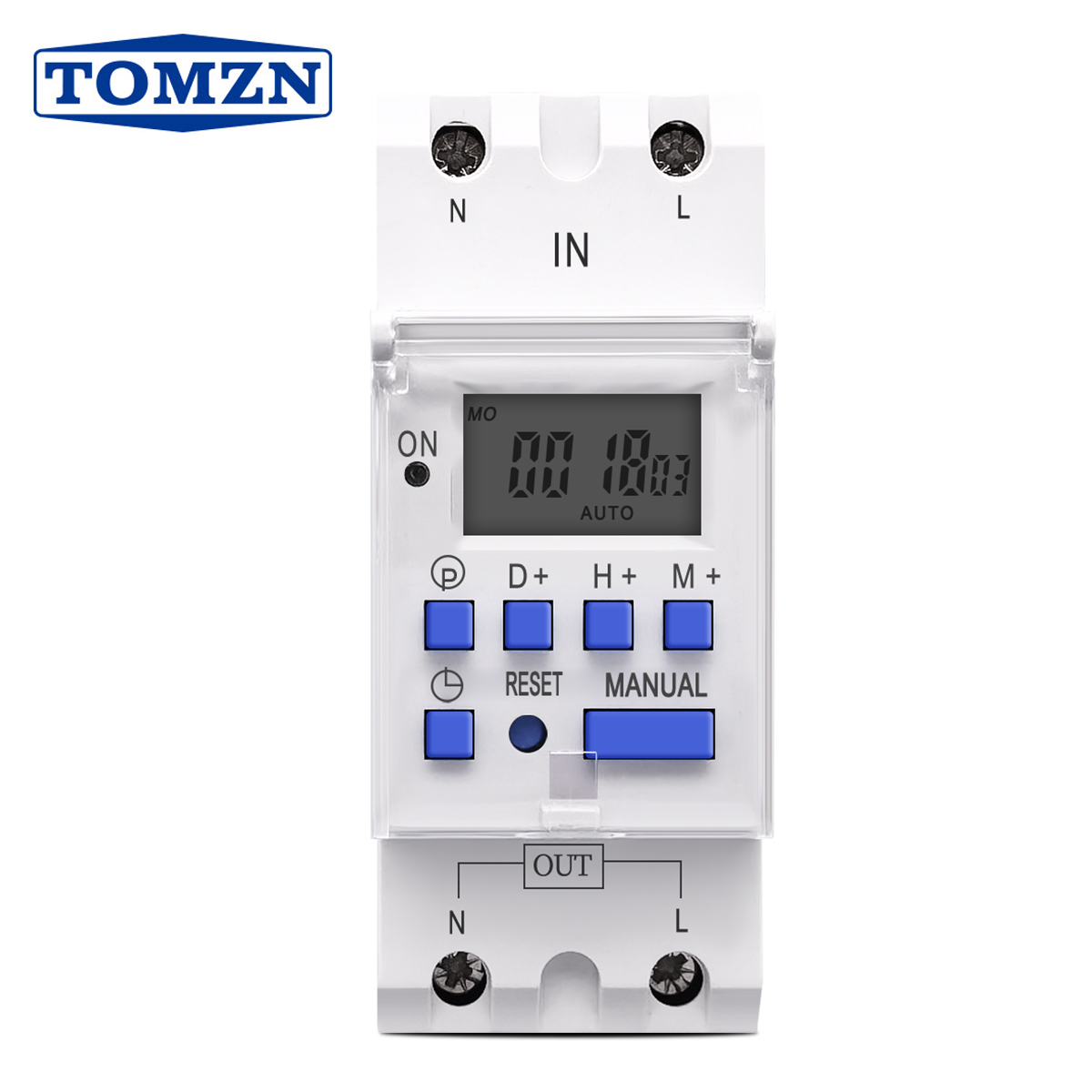
Single Phase Weekly 7 Days Programmable Digital Switch
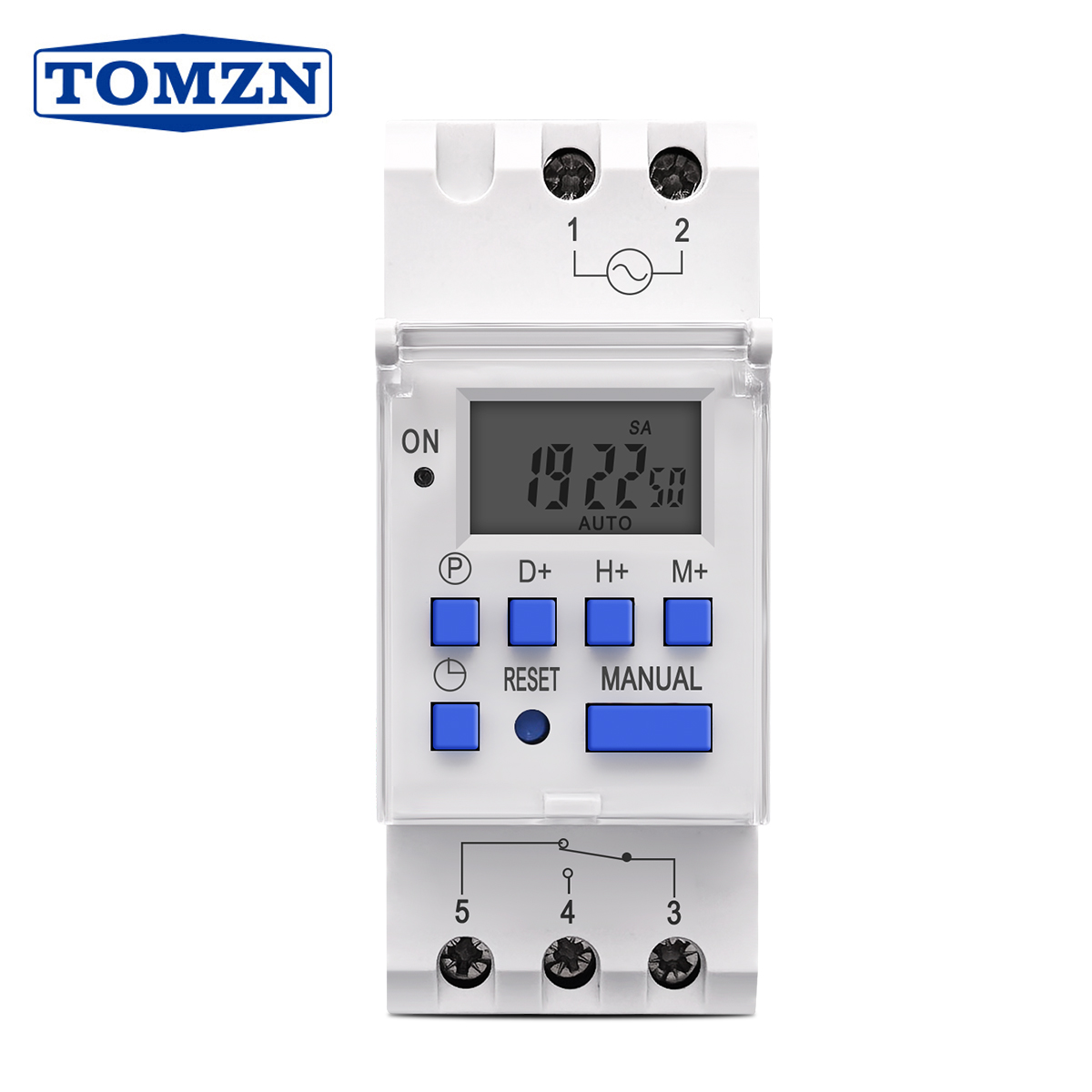
TOMZN 1NO+1NC Single Phase Programmable Digital Timer

TOS7-B Bluetooth Smart Timer Breaker Switch (40A/63A)
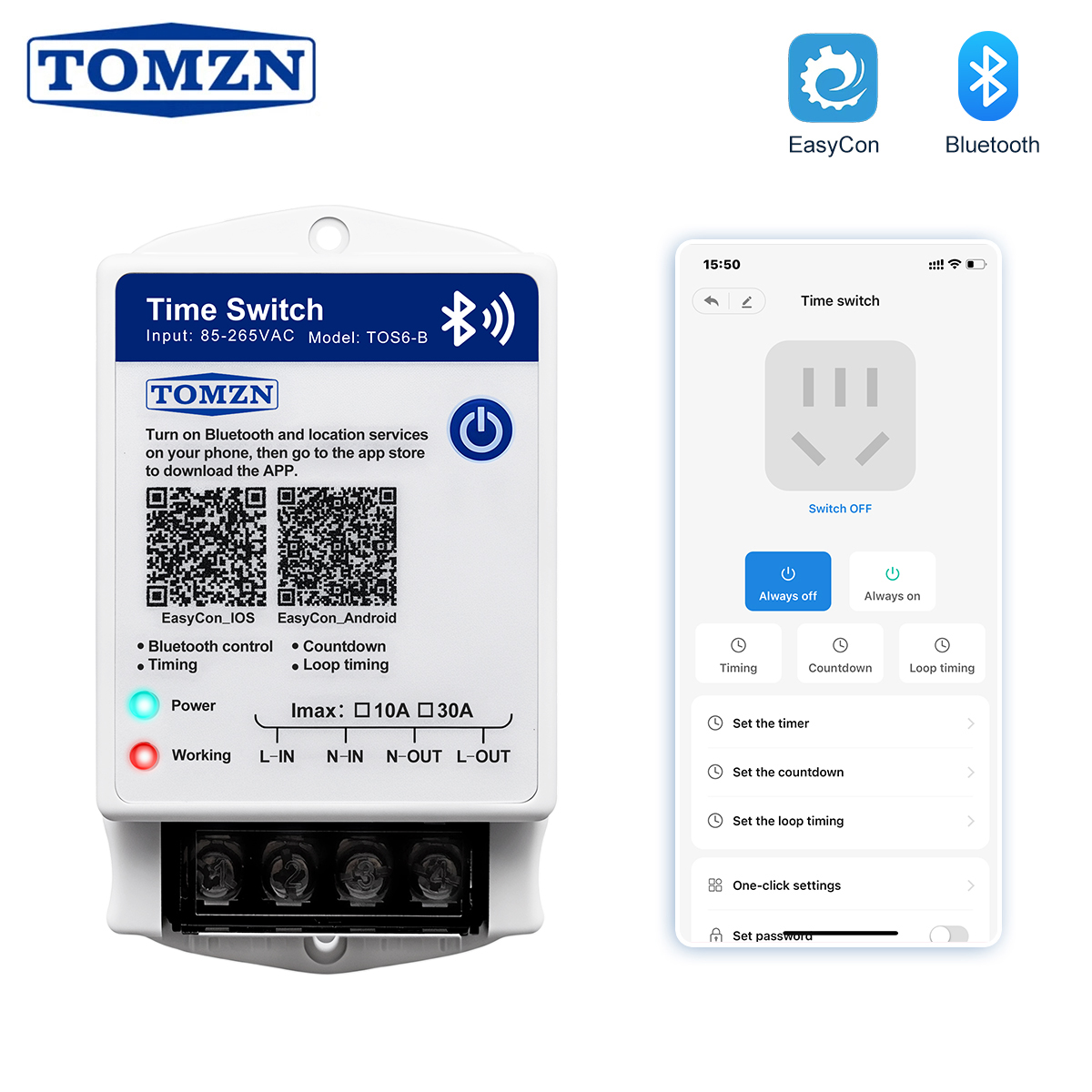
TOS Bluetooth Smart Countdown Timer Switch 10A-30A

TOB9e-63M WiFi Smart Breaker with kWh Metering

Adjustable Over/Under Voltage Protector Relay 63A-80A
Strategic Integration of Smart DIN-Rail Infrastructure in Atlántida & Northern Honduras
The municipality of La Ceiba, functioning as the economic epicenter of the Atlántida department and the vital maritime gateway to the Bay Islands (Islas de la Bahía), contends with uniquely stringent electrical operating parameters. Operating on an American standard 120V/240V split-phase 60Hz electrical architecture, the coastal microclimate is defined by sustained relative humidity hovering above 80%, high ambient temperatures, and marine airborne salinity. Concurrently, regional energy distribution from the national transmission backbone frequently exhibits severe voltage fluctuations, deep transient brownouts, and rapid oscillatory spikes caused by lightning storms rolling over the Nombre de Dios mountain range.
For municipal authorities, hospitality resort engineers along the Caribbean coastline, agro-industrial processing hubs (including palm oil and tropical fruits), and residential developments, legacy thermal-magnetic circuit breakers are proving insufficient. Conventional bi-metal trip mechanisms are non-communicative, physically prone to thermal derating in unconditioned panelboards, and incapable of detecting sustained under-voltage conditions that burn out compressor windings in refrigeration systems. The transition to intelligent WiFi-enabled circuit breakers and smart energy relays delivers localized sub-metering, autonomous over/under voltage tripping, remote load shedding, and real-time fault diagnostics directly to facilities management dashboards.
Electrical Grid Challenges Specific to the La Ceiba Regional Market
Engineering electrical distribution in the Atlántida coastline requires addressing three distinct technical failure modes:
Grid Instability & Sags
Long feeder lines and heavy cooling loads induce severe voltage sags dropping below 95V AC. Smart breakers with programmable tripping curves isolate induction motors before magnetic coils overheat, resetting automatically once stable 120V nominal potential is restored.
Diesel Generator Synchronization
Frequent commercial outages necessitate seamless automatic transfer switching (ATS) between utility supplies and on-site diesel generators. Integrated smart telemetry verifies phase synchronization and manages circuit-by-circuit load staging to prevent generator stalling.
Atmospheric Salt Corrosion
Saline humidity accelerates galvanic degradation on internal copper terminals and trip springs. Zhejiang TMB utilizes anti-corrosion silver-alloy contact pads and heavy tin-plated high-grade electrolytic copper busbar clamps, rated for arduous coastal environments.
Engineered Scenarios in the La Ceiba Municipal Territory
Targeted low-voltage protection topologies deployed across eco-tourism hospitality, port logistics, agricultural cold chains, and hybrid solar arrays.
Resort & Eco-Lodge Automation
In beachfront boutique hotels across Sambo Creek and Corozal, unmonitored air conditioning running in unoccupied suites causes catastrophic electricity bills. Smart WiFi breakers integrated with property management platforms provide remote occupancy-based circuit cutoffs, scheduled run times, and localized kWh tenant metering via cloud applications.
Cold Chain & Seafood Processing
Commercial fishery export facilities near the Muelle de Cabotaje require continuous thermal control. The combination of our TORT7 asymmetric cycler relays and adjustable voltage protectors prevents short-cycling of blast freezers while alerting logistics operators on their smartphones the instant line phase deviations occur.
Hybrid Rooftop Solar PV & Energy Storage
With Honduras adopting distributed renewable net-metering structures, commercial facilities are deploying solar arrays paired with battery energy storage systems (BESS). Our DC MCBs up to 1000V DC and IP65 combiner boxes deliver safe galvanic isolation upstream of hybrid inverters, seamlessly paired with WiFi breakers on AC sub-panels.
Parametric Specification: Smart Breakers vs. Conventional DIN Equipment
Designed for EPC contractors, master electricians, and industrial hardware importers across northern Honduras.
| Functional Parameter | Legacy Thermal-Magnetic MCB | TMB WiFi Smart Breaker (TOB9e Series) | Localized Engineering Advantage (La Ceiba) |
|---|---|---|---|
| Voltage Monitoring | None (Trips only on pure overcurrent / short) | Continuous real-time RMS voltage sensing (85V-300V) | Prevents AC compressor destruction during chronic 90V-105V brownout cycles. |
| Telemetry & Sub-metering | External manual meter required | Class 1.0 active energy metering (kWh, V, A, W) | Enables granular sub-tenant billing and energy audits for hospitality & rental properties. |
| Remote Control & Automation | Manual toggle switch only | 2.4GHz WiFi / Bluetooth with Tuya, eWeLink, MQTT | Allows facility operators to shed loads remotely during grid failure or peak demand. |
| Reclosing Mechanism | Manual intervention on panelboard | Configurable autonomous reclose with time delays | Restores refrigeration/telecom systems automatically after storm-induced grid trips. |
| Environmental Enclosure Rating | IP20 (Susceptible to coastal moisture) | IP20 module mounted inside IP65 weatherproof box | Total protection against salt air oxidation and monsoon humidity ingress. |
Emerging Electrical Infrastructure Trends in Atlántida
Analyzing the fundamental shifts reshaping commercial procurement and panelboard engineering through 2026-2030.
Decentralized IoT Cloud Telemetry
Commercial enterprises in Honduras are actively migrating away from localized SCADA systems toward lightweight mobile app protocols. Facility managers demand direct smartphone oversight of current draw, line voltage, and emergency load interruption across multi-site holdings from La Ceiba to San Pedro Sula without proprietary gateway investments.
Resilience-First Dual Power Architectures
Due to grid rationing and weather contingencies, dual-source electrical panels are no longer an optional luxury—they are a building code standard for commercial establishments. The integration of compact DIN-rail dual power ATS units that transfer within 50ms ensures that vital computing, medical, and security hardware avoids disruptive reboot cycles.
Strict Verification & Compliance Standards
Direct importers and engineering contractors are avoiding gray-market components lacking legitimate certification. Procurement departments increasingly mandate factory-level TÜV Rheinland inspection audits, CE documentation, and verifiable electrical break cycle tests before approving container-load orders.
Why B2B Importers Partner with Zhejiang TMB Electric
Direct factory tier pricing, rapid customization, and rigorous quality auditing situated at the world's premier electrical cluster.
Liushi Town Ecosystem Speed
Our 5,700 m² factory in Liushi Town, Wenzhou—the capital of low-voltage electrical apparatus—operates with immediate supply access to precision tooling, silver contacts, bimetallic elements, and high-temperature flame-retardant thermoplastics (UL94-V0), guaranteeing swift production lead times.
TÜV Rheinland Audited Integrity
Unlike export brokers, our facilities and trade capacities undergo verified on-site assessment by TÜV Rheinland. Every batch undergoes 100% calibration across thermal-magnetic trip curves, dielectric insulation tests, and contact resistance checks prior to packing.
OEM/ODM & Flexible Logistics
We empower Honduran distributors and regional wholesalers with tailored laser-etched OEM branding, customized multi-lingual retail packaging, personalized trip thresholds, and an accessible sample evaluation MOQ starting from just 5 pieces.
Frequently Asked Questions for Honduran Importers & Contractors
Clear, direct answers regarding electrical specifications, customs documentation, and logistics for La Ceiba and Puerto Cortés discharge.